Endoscopy for Peptic Ulcers: Diagnosis and Treatment

Endoscopy of peptic ulcer is an upper gastrointestinal procedure that allows a doctor to directly examine the stomach and duodenum, confirm an ulcer, and assess whether it is bleeding or has concerning features. It can also enable immediate treatment of certain bleeding ulcers and provide tissue samples when appropriate.
Overview: What Is Endoscopy of Peptic Ulcer?
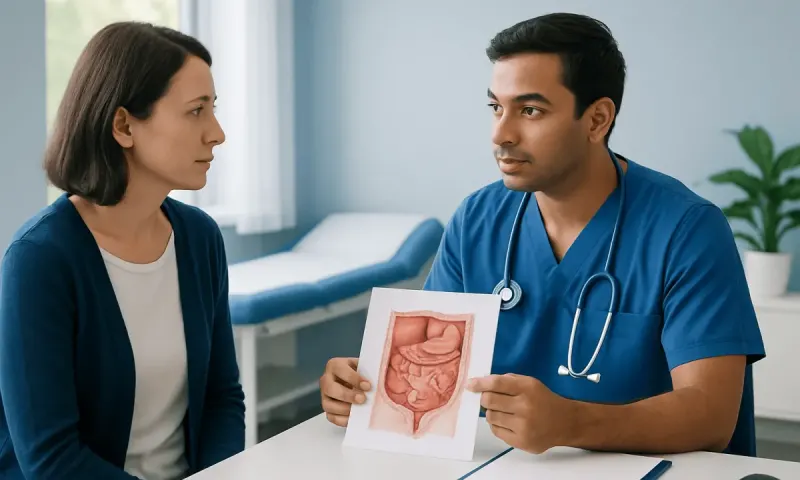
Endoscopy of peptic ulcer is an examination of the upper digestive tract using a thin, flexible tube called an endoscope. The tube has a light and camera at its tip and is passed through the mouth to view the esophagus, stomach, and first part of the small intestine, called the duodenum. It is also known as upper endoscopy, gastroscopy, or esophagogastroduodenoscopy (EGD).
The procedure helps a gastroenterologist confirm whether symptoms are caused by a peptic ulcer. Peptic ulcers are sores in the lining of the stomach or duodenum. They are most often associated with Helicobacter pylori infection or use of nonsteroidal anti-inflammatory drugs (NSAIDs), such as ibuprofen, naproxen, or aspirin. Endoscopy can show the ulcer’s location, size, appearance, and whether there are signs of recent or active bleeding.
Unlike imaging tests that provide an indirect view, endoscopy allows doctors to examine the lining in real time. If needed, they can take small tissue samples, known as biopsies, or perform treatment during the same procedure. An ulcer diagnosis should always be interpreted alongside a person’s symptoms, medical history, medication use, and laboratory results.
Why an Endoscopy May Be Recommended
A doctor may recommend upper endoscopy when a person has persistent upper abdominal pain, indigestion that does not improve, unexplained nausea or vomiting, early fullness after meals, or difficulty swallowing. It is particularly useful when symptoms suggest an ulcer or when a clinician needs to rule out another condition affecting the upper digestive tract.
Endoscopy is often recommended more urgently when there are warning signs of bleeding or significant illness. These can include vomiting blood, material that resembles coffee grounds, black tarry stools, anemia, unexplained weight loss, repeated vomiting, or faintness. In these circumstances, the procedure can identify the source of bleeding and may allow treatment to be provided without delay.
Not every person with indigestion needs endoscopy immediately. For some younger people without warning symptoms, clinicians may first use noninvasive testing for H. pylori or a trial of acid-lowering treatment. Endoscopy becomes more important when symptoms are severe, recur, do not respond to initial care, or when there is concern about complications or an alternative diagnosis.
- To confirm a suspected stomach or duodenal ulcer
- To investigate upper digestive bleeding or anemia
- To obtain biopsies, including tests for H. pylori
- To assess ulcers that appear unusual, large, or slow to heal
- To treat bleeding from an ulcer during the examination
How the Procedure Works and What Happens Step by Step

Before endoscopy, the care team reviews medical history, allergies, current medicines, and any previous reactions to sedation or anesthesia. People are usually asked not to eat for several hours beforehand so that the stomach is empty. Instructions about water, diabetes medicines, blood thinners, iron supplements, and other medications should be followed carefully, as these may need individual adjustment.
At the appointment, a nurse checks vital signs and places an intravenous line if sedation is planned. Most people receive sedative medication to promote comfort and relaxation, although the exact approach varies. A local anesthetic spray may be used to numb the throat. Dentures or removable dental appliances are generally removed before the examination.
During the procedure, the person lies on their side and wears a mouth guard to protect the teeth and endoscope. The doctor gently guides the endoscope through the mouth and into the upper digestive tract. Air or carbon dioxide is introduced to expand the area for a clearer view, which can cause temporary pressure or bloating. The examination itself commonly takes a short time, although it may take longer if treatment is needed.
If an ulcer is found, the doctor may take biopsies using tiny instruments passed through the endoscope. Biopsies are usually painless and do not mean cancer is suspected; they may be taken to test for infection or to examine stomach ulcers more closely. For active bleeding, the endoscopist may use injection therapy, heat-based methods, clips, or other techniques to control it.
Benefits and Information Endoscopy Can Provide
The main benefit of endoscopy of peptic ulcer is that it provides a direct view of the digestive lining. This can distinguish an ulcer from inflammation, erosions, growths, or other possible explanations for symptoms. It also helps determine whether an ulcer is in the stomach or duodenum, as follow-up needs may differ between these locations.
Endoscopy can identify features linked with a higher risk of bleeding or rebleeding, such as a visible blood vessel, an adherent clot, or active bleeding. When such features are present, endoscopic treatment can reduce ongoing blood loss and may lower the need for surgery in appropriate cases. The procedure may also help guide decisions about observation in hospital, medication, and follow-up.
Biopsies can be tested for H. pylori, a bacterium that can damage the stomach lining and contribute to ulcer formation. If it is found, treatment usually includes a combination of antibiotics and acid-lowering medication prescribed by a clinician. Biopsies from stomach ulcers may also be examined under a microscope because, less commonly, a stomach ulcer can be associated with another underlying condition.
For many people, the findings make treatment more targeted. Management may include a proton pump inhibitor to reduce stomach acid, stopping or modifying ulcer-causing medicines where medically safe, treating H. pylori, and addressing factors such as smoking or excess alcohol use. A doctor should advise before stopping prescribed aspirin, anti-inflammatory medication, or blood thinners.
Risks and Possible Side Effects
Upper endoscopy is generally considered a safe procedure when performed by trained clinicians. The most common short-term effects are a sore throat, mild bloating, burping, nausea, or sleepiness from sedation. These effects usually settle within hours. People who receive sedation need someone to accompany them home and should avoid driving, operating machinery, drinking alcohol, or making important decisions until the next day or as instructed.
More serious complications are uncommon but possible. They include a reaction to sedative medicines, aspiration of stomach contents into the lungs, bleeding after a biopsy or treatment, infection, damage to teeth, and a tear in the digestive tract known as perforation. The likelihood depends on a person’s health, the reason for the procedure, and whether therapeutic treatment is performed.
The endoscopy team takes precautions to reduce these risks, including reviewing medications and monitoring breathing, heart rate, blood pressure, and oxygen levels. Individuals with heart, lung, kidney, liver, or bleeding conditions should tell their care team in advance. It is also important to report pregnancy, sleep apnea, prior digestive surgery, and all prescription medicines, supplements, and over-the-counter products.
After going home, urgent advice is needed for severe or worsening chest or abdominal pain, fever, difficulty breathing, persistent vomiting, vomiting blood, black stools, dizziness, or fainting. These symptoms do not necessarily mean a complication has occurred, but they require prompt assessment.
Recovery Timeline and Next Steps After Endoscopy
After a straightforward outpatient endoscopy, a person usually rests in a recovery area until the sedative effects begin to wear off. The throat may feel numb initially, so the team will advise when it is safe to drink and eat. Many people can resume light meals and normal fluids later the same day unless the doctor gives different instructions.
It is common to feel tired for the remainder of the day after sedation. Most people return to usual daily activities the following day. If no sedation was used, recovery may be quicker, although temporary throat discomfort or bloating can still occur. The care team provides individual written instructions based on what was found and whether treatment was performed.
Some findings may be explained immediately, while biopsy results often take several days. If testing confirms H. pylori, completing the prescribed treatment course is important. A follow-up test may be recommended after treatment to confirm the infection has cleared. For a stomach ulcer, doctors may recommend repeat endoscopy after treatment to document healing and ensure no concerning cause is present.
Long-term recovery from an ulcer depends on treating its cause. Acid-lowering medicines are commonly used for a defined period, and NSAID use may need review. Smoking cessation, limiting alcohol, and avoiding unnecessary anti-inflammatory medicines can support healing. At Acıbadem Health Point, multidisciplinary specialists in JCI-accredited hospitals assess digestive symptoms and provide endoscopic evaluation and ulcer care for international patients.
When to Seek Medical Care
Medical advice should be sought promptly for ongoing upper abdominal pain, recurrent indigestion, nausea, vomiting, or reduced appetite that does not improve. A clinician can assess whether symptoms may be related to an ulcer, reflux, medication effects, gallbladder disease, or another digestive condition. Self-treating persistent symptoms with over-the-counter remedies may delay diagnosis of a condition that needs specific care.
Emergency medical care is needed for vomiting blood, coffee-ground-like vomit, black tarry stools, red blood in stool, fainting, confusion, marked weakness, or severe sudden abdominal pain. These can be signs of gastrointestinal bleeding or another urgent abdominal problem. People should not drive themselves if they feel faint or unwell.
People taking aspirin, anticoagulants, antiplatelet medicines, corticosteroids, or NSAIDs should discuss new digestive symptoms with a doctor, particularly if they have had an ulcer before. These medicines can increase the risk of ulcer complications in some circumstances. However, prescribed medicines should not be stopped abruptly without medical guidance, because this can create other health risks.
Frequently asked questions
01Is endoscopy necessary for every suspected peptic ulcer?
No. Some people with mild symptoms and no warning signs may first have noninvasive testing for Helicobacter pylori or a trial of treatment. Endoscopy is more likely to be recommended when symptoms persist, warning signs are present, bleeding is suspected, or a doctor needs to directly examine the stomach and duodenum.
02Does an endoscopy for a peptic ulcer hurt?
Most people receive sedation and do not experience significant pain during the procedure. They may notice pressure, temporary bloating, or throat discomfort afterward. The care team monitors comfort closely and can explain the available sedation options beforehand.
03Can an endoscopy treat a bleeding ulcer?
Yes, many bleeding ulcers can be treated during endoscopy. Depending on the finding, the doctor may use clips, injection therapy, heat-based treatment, or other endoscopic methods to control bleeding. Some people may still need hospital observation, medication, radiology procedures, or surgery if bleeding is severe or returns.
04Why are biopsies taken from a stomach ulcer?
Biopsies may be taken to test for Helicobacter pylori and to examine the tissue under a microscope. This is a routine part of evaluating many stomach ulcers because it helps identify the cause and excludes less common conditions. Taking a biopsy is usually painless.
05How long does it take to recover from upper endoscopy?
Most people go home the same day and feel ready for usual activities by the next day. Sedation can cause drowsiness for the rest of the day, so driving and important decisions should be avoided until the clinician says it is safe. Recovery may take longer if bleeding treatment was required or if the person is already unwell.
06What should a person avoid after peptic ulcer endoscopy?
After sedation, alcohol, driving, machinery use, and signing important documents should generally be avoided for the period advised by the care team, often until the following day. A doctor may also recommend avoiding NSAIDs or adjusting other medicines if they contributed to the ulcer. Dietary advice depends on the findings, but most people can return to gentle meals once swallowing feels normal.
This article is for general information only and is not a substitute for professional medical advice. Please consult a qualified doctor about your individual situation.
Persistent digestive symptoms? Get evaluated in Turkey
JCI-accredited · board-certified surgeons · reply within 24h
Add us as a Preferred Source to see more of our trusted health content across Google Search, AI Overviews and Discover.