Eczema in the Ear Canal: Symptoms and Treatment
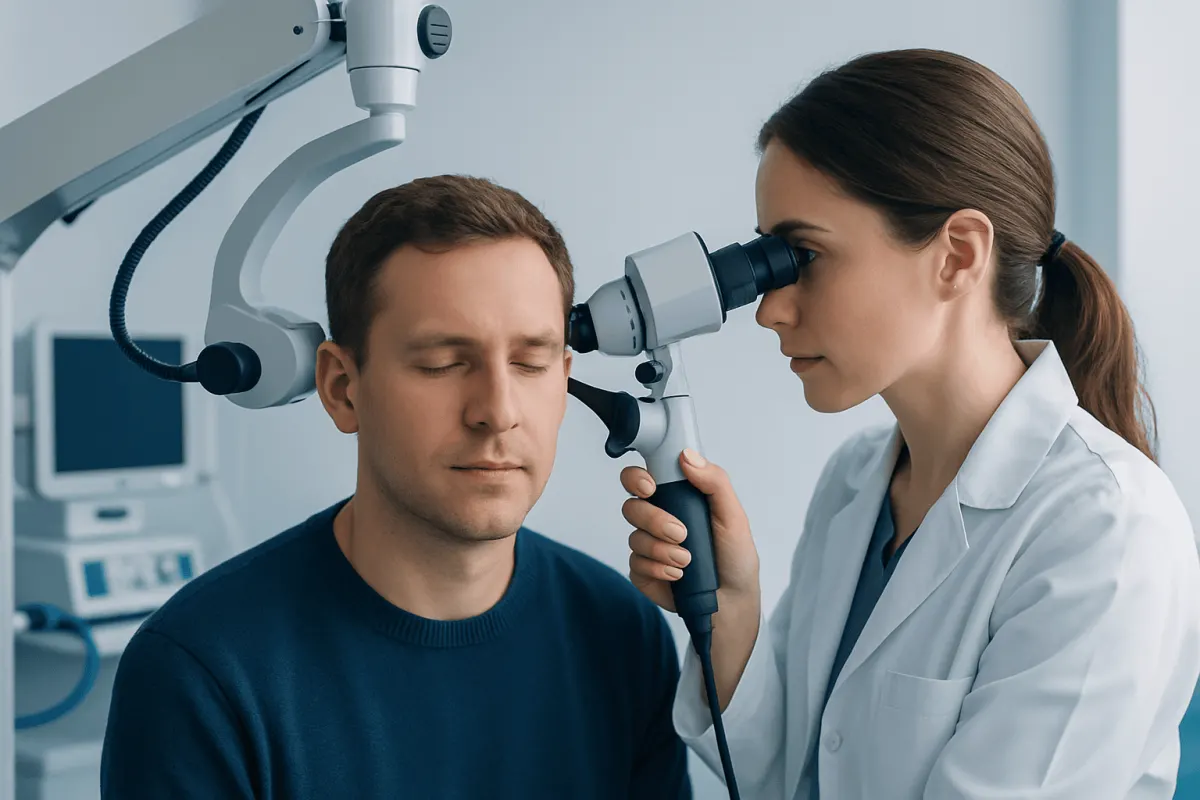
Eczema in the ear canal is an inflammatory skin condition that can cause itchiness, flaking, dryness, and discomfort inside or around the ear. It is often related to eczema elsewhere on the body, contact irritation, or moisture, and usually improves with appropriate skin care and medical guidance.
Overview: What Is Eczema in the Ear Canal?
Eczema in the ear canal, also called ear canal dermatitis or eczematous otitis externa, occurs when the delicate skin lining the outer ear canal becomes inflamed. This can lead to itching, dry or flaky skin, redness, and irritation. The outer ear canal extends from the visible ear opening to the eardrum, and its thin skin is especially vulnerable to scratching, moisture, and irritants.
The condition may occur on its own or alongside atopic eczema, seborrheic dermatitis, psoriasis, or contact dermatitis. It is not contagious and does not necessarily mean an infection is present. However, breaks in the skin barrier can make it easier for bacteria or fungi to grow, so persistent symptoms should be assessed rather than repeatedly treated at home.
Symptoms can fluctuate. Some people experience occasional itchiness and scaling, while others have recurrent irritation after exposure to particular hair products, earbuds, hearing aids, earplugs, or water. Care is tailored to the underlying cause and to whether the ear canal is intact and free of infection.
Symptoms and How They May Feel
Itching is often the most noticeable symptom of eczema in the ear canal. The skin may feel dry, tight, sore, or mildly burning. Visible scaling can occur at the ear opening or on the outer ear, although deeper changes in the canal can only be seen during an examination.
Other possible symptoms include redness, tiny cracks in the skin, crusting, a feeling of fullness, or a small amount of clear moisture. Swelling or loose skin debris can narrow the ear canal and temporarily affect hearing. These symptoms may be more noticeable after swimming, showering, sweating, or using headphones and in-ear devices for long periods.
Severe pain, thick or foul-smelling discharge, substantial swelling, fever, or sudden hearing loss are not typical features of uncomplicated eczema. They may suggest an infection or another ear condition and should be evaluated promptly.
- Itchiness or a frequent urge to rub the ear
- Dry, flaky, peeling, or crusted skin
- Redness around the ear opening or outer ear
- Mild soreness or sensitivity when the ear is touched
- A blocked sensation or reduced hearing from swelling or debris
Why Ear Canal Eczema Develops

Ear canal eczema develops when the skin barrier becomes inflamed or disrupted. People with a history of atopic eczema, asthma, allergic rhinitis, or sensitive skin may be more prone to it. Seborrheic dermatitis can also affect areas with oil-producing glands, including the scalp, eyebrows, skin behind the ears, and ear canal entrance.
Contact dermatitis is another important cause. It can result from an allergic reaction or irritation caused by hair dye, shampoo, hairspray, fragrances, cosmetics, metal jewelry, topical ear products, or materials in earbuds, earplugs, and hearing aids. Even a product that was previously well tolerated can sometimes become a trigger over time.
Moisture and mechanical trauma commonly worsen symptoms. Frequent swimming, humid conditions, retained water after bathing, and repeated cleaning with cotton swabs can strip protective oils and create tiny skin injuries. Scratching may provide brief relief but can prolong inflammation and increase the chance of secondary infection.
Symptoms that resemble eczema can also arise from other conditions, including psoriasis, fungal ear infection, bacterial outer-ear infection, or a reaction to a topical medicine. A professional examination helps identify the most likely cause.
How Doctors Diagnose the Condition
Diagnosis usually begins with a discussion of symptoms, skin conditions, allergies, water exposure, ear devices, and products used in or near the ears. A clinician then examines the outer ear and canal using an otoscope. This allows them to look for scaling, inflammation, wax, swelling, discharge, injury, or signs of infection.
In many cases, no laboratory test is needed. If discharge is present, symptoms keep returning, or usual treatment has not helped, the clinician may take a sample for testing. This can help distinguish eczema from bacterial or fungal infection. People with recurrent or widespread dermatitis may also benefit from assessment for allergic contact triggers, sometimes including patch testing by a dermatologist.
It is important not to self-diagnose solely from itching. Earwax, a foreign object, ear infection, skin disease, and rarely other problems can create similar sensations. The treatment that helps one cause may be unhelpful or unsafe for another, particularly when the eardrum status is unknown.
Treatment Options and Everyday Ear Care
Treatment aims to calm inflammation, protect the skin barrier, and remove or avoid contributing triggers. A clinician may recommend a short course of a prescription anti-inflammatory ear drop, solution, or cream suitable for the affected area. The exact product depends on whether the inflammation is limited to the outer ear, involves the canal, or is accompanied by infection.
If bacterial or fungal infection is found, targeted treatment may be needed in addition to eczema care. Avoid using leftover antibiotic drops, antifungal products, or steroid creams in the ear without medical advice. Some products are not suitable if there is a perforated eardrum, ear tubes, previous ear surgery, or uncertainty about the source of discharge.
For people with associated skin conditions, controlling inflammation elsewhere can also reduce ear symptoms. Dermatology care may be useful when eczema is recurrent, severe, widespread, or linked to an allergy. In some situations, clinicians may discuss allergy testing to identify a relevant contact allergen.
During treatment, it is generally helpful to keep the ear dry and avoid placing cotton swabs, fingernails, hairpins, or other objects in the canal. If wax or skin debris is blocking the canal, removal should be performed or advised by a qualified healthcare professional rather than attempted with ear candling or deep cleaning at home.
Prevention and Self-Care Between Flares
Gentle, consistent habits can reduce irritation and help prevent repeated flares. The ear canal is self-cleaning, so routine insertion of cotton swabs is not necessary. Cleaning only the visible outer ear with a soft cloth is usually enough. After bathing or swimming, the outer ear can be gently dried without pushing anything into the canal.
People who suspect a reaction to an ear device or personal-care product may benefit from stopping one potential trigger at a time and discussing alternatives with a clinician. Fragrance-free products may be easier for sensitive skin. Earbuds, hearing aids, and earplugs should be kept clean and dry, and their fit should be reviewed if they cause rubbing or trapped moisture.
A clinician may recommend an appropriate moisturising or protective product for skin at the ear opening, but products should not be placed deep into the canal without advice. Individuals with an established eczema care plan should follow it and seek review if symptoms change, become more frequent, or no longer respond as expected.
- Avoid scratching and avoid inserting cotton swabs into the ear canal.
- Limit exposure to known irritants such as fragranced hair products or harsh cleansers.
- Dry the outer ear gently after water exposure.
- Pause use of a new earbud, earplug, cosmetic, or topical product if symptoms begin after using it.
- Arrange follow-up for repeated flares or suspected allergy-related symptoms.
When to Seek Medical Care
Medical assessment is advisable when itching or flaking persists for more than a few days, keeps returning, disrupts sleep, or does not improve after avoiding obvious irritants. A doctor can safely inspect the canal and determine whether eczema, infection, wax buildup, or another cause is responsible.
Timely care is particularly important for increasing pain, ear swelling, discharge, bleeding, fever, dizziness, a significant change in hearing, or a rash spreading beyond the ear. People with diabetes, a weakened immune system, a history of eardrum perforation, ear surgery, or ear tubes should seek professional advice before using ear drops or placing any product in the canal.
Acıbadem Health Point’s multidisciplinary specialists and JCI-accredited hospitals assess ear and skin concerns, including recurrent ear canal inflammation, for international patients. An ENT specialist, dermatologist, or primary care clinician can help develop a treatment plan based on the individual cause and ear examination findings.
Frequently asked questions
01Can eczema occur inside the ear canal?
Yes. Eczema can affect the skin at the ear opening and deeper in the outer ear canal. It may cause itching, dryness, scaling, redness, and mild discomfort, but an examination is useful because infections and other conditions can cause similar symptoms.
02Is eczema in the ear canal an ear infection?
No. Eczema is inflammation of the skin and is not automatically an infection. However, scratching and damage to the skin barrier can allow bacterial or fungal infection to develop, especially if there is worsening pain, swelling, or discharge.
03Can cotton swabs make ear canal eczema worse?
Yes. Cotton swabs can remove protective oils, push debris deeper into the canal, and create small skin injuries. The ear canal usually cleans itself, so it is safest to clean only the visible outer ear unless a clinician gives different instructions.
04What can trigger eczema in the ears?
Common triggers include water exposure, scratching, shampoo or hair products, fragrances, cosmetics, hair dye, and materials in earbuds, hearing aids, or earplugs. Atopic eczema, seborrheic dermatitis, psoriasis, and allergic contact dermatitis may also contribute.
05Can I use moisturiser or steroid cream inside my ear?
A product that is safe for skin elsewhere may not be suitable inside the ear canal. It is best to ask a clinician before applying creams, oils, or drops in the ear, particularly if there is discharge, pain, a history of eardrum problems, or ear surgery.
06When should ear itching be checked by a doctor?
A doctor should assess persistent, recurrent, or troublesome itching, especially when it is accompanied by pain, discharge, blocked hearing, swelling, or fever. Assessment is also important before using medicated ear drops if the eardrum may not be intact.
This article is for general information only and is not a substitute for professional medical advice. Please consult a qualified doctor about your individual situation.
Hair transplant in Turkey — costs, graft counts & a free assessment
JCI-accredited · board-certified surgeons · reply within 24h
Add us as a Preferred Source to see more of our trusted health content across Google Search, AI Overviews and Discover.