Dystonia: Muscle Spasms, Botulinum Toxin, and Advanced Treatment Options

Dystonia is a neurological movement disorder in which muscles contract involuntarily, causing twisting movements, tremor, abnormal postures, cramps, or spasms. Many people improve with a tailored plan that may include rehabilitation, medications, botulinum toxin injections, and, in selected cases, advanced treatments such as deep brain stimulation.
Overview
Dystonia is a movement disorder caused by abnormal signals in the brain networks that help control muscle activity. These signals can make muscles contract when they should relax, leading to twisting, pulling, repetitive movements, painful cramps, tremor-like shaking, or sustained abnormal postures. The movements are involuntary, meaning the person does not choose them, although they may become more noticeable during certain activities.
Dystonia can begin at any age. In some people it affects one small area, such as the eyelids, jaw, voice, neck, or writing hand. In others, it can spread to involve several body regions. The pattern, age of onset, speed of progression, and possible triggers help doctors classify the condition and choose treatment. Dystonia is not a single disease; it is a group of disorders with different causes and severities.
Although dystonia can interfere with comfort, mobility, work, communication, and daily routines, many people find meaningful symptom relief with individualized care. A neurologist with experience in Neurology Evaluation" class="ahp-ilk">movement disorders can assess the pattern of symptoms, identify treatable causes, and recommend a step-by-step treatment plan.
Types and Common Forms of Dystonia
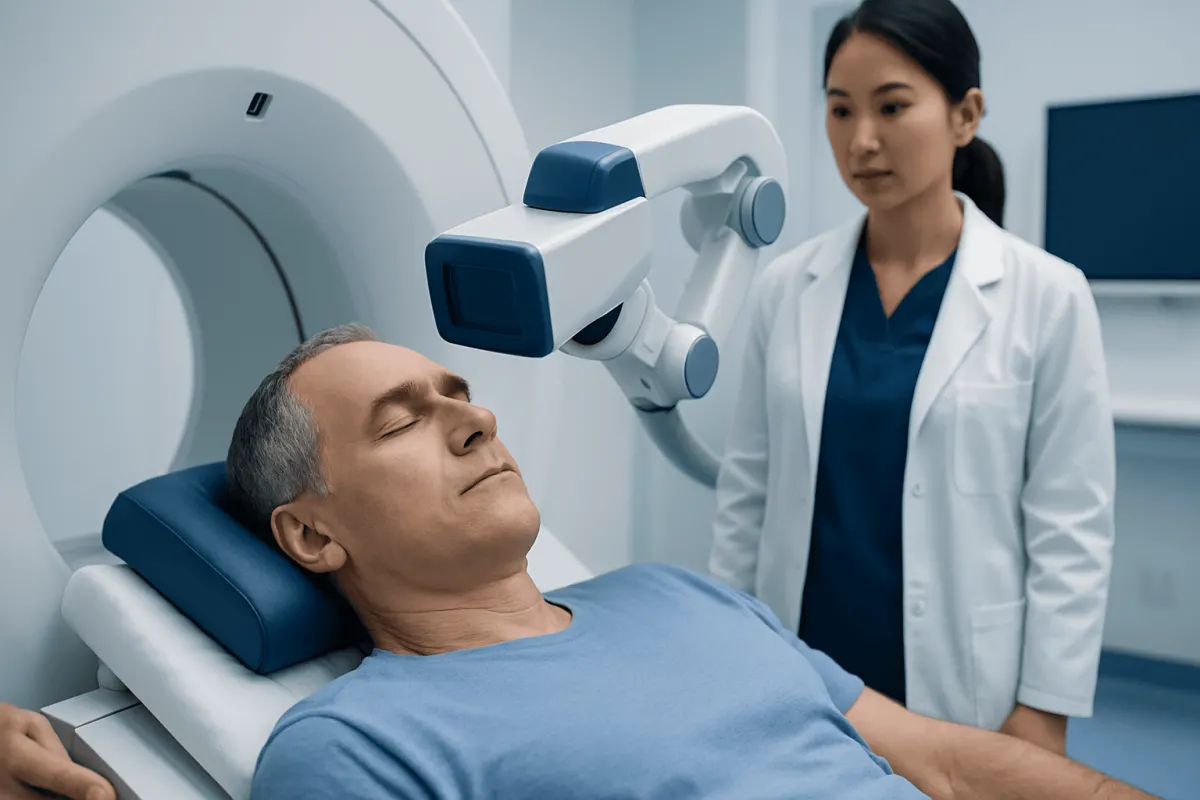
Doctors often describe dystonia according to the part of the body affected. Focal dystonia affects one body region. Examples include cervical dystonia, which involves the neck; blepharospasm, which affects eyelid muscles; oromandibular dystonia, which affects the jaw, mouth, or tongue; laryngeal dystonia, which affects the voice; and task-specific hand dystonia, such as writer’s cramp or musician’s dystonia.
Segmental dystonia affects two or more neighboring body regions, such as the neck and shoulder or the eyes and jaw. Multifocal dystonia affects non-neighboring regions. Hemidystonia affects one side of the body and may suggest a structural brain cause, such as a past stroke or injury. Generalized dystonia affects the trunk plus other regions and is more often seen in childhood-onset or genetic forms, though it can also occur in adults.
Another useful classification is based on cause. Primary or isolated dystonia means dystonia is the main neurological feature. Combined dystonia occurs with other movement problems, such as parkinsonism or myoclonus. Secondary dystonia results from another condition, medication exposure, brain injury, infection, metabolic disease, or toxin exposure. This classification matters because some secondary causes require specific treatment.
Symptoms and How Dystonia Feels

The main symptom of dystonia is an involuntary muscle contraction that causes an unusual movement or posture. A person with cervical dystonia may feel the head pulling to one side, forward, or backward. Someone with blepharospasm may have frequent blinking or eyelid closure. A person with hand dystonia may find that writing, typing, playing an instrument, or using tools triggers cramping and loss of control.
Symptoms often change during the day. They may worsen with stress, fatigue, anxiety, pain, or repeated use of the affected body part. They may improve with sleep, relaxation, lying down, or touching a specific area of the body. This temporary improvement is called a sensory trick or geste antagoniste; for example, lightly touching the chin may reduce neck pulling in some people with cervical dystonia.
Common symptoms can include:
- Muscle spasms, pulling, twisting, or cramping
- Abnormal posture of the neck, hand, foot, trunk, jaw, or eyelids
- Pain, stiffness, or muscle fatigue in the affected area
- Tremor that may look irregular or position-dependent
- Difficulty with speech, swallowing, vision, writing, walking, or specific skilled tasks
- Embarrassment, frustration, or avoidance of activities because symptoms are visible or unpredictable
Dystonia is sometimes mistaken for stress, a orthopedic problem, tremor, tics, or muscle strain. Emotional stress can make symptoms more obvious, but dystonia is a real neurological condition and should be evaluated respectfully and thoroughly.
Causes and Risk Factors
Dystonia occurs when the brain circuits that regulate movement, especially networks involving the basal ganglia, cerebellum, thalamus, and motor cortex, do not coordinate muscle activation normally. The exact mechanism differs from person to person. In some cases, no single cause is found even after a careful evaluation. This does not mean the symptoms are imagined; it means the disorder is classified by its clinical pattern rather than by a visible test result.
Genetic factors can play an important role, particularly when dystonia begins in childhood or adolescence, affects several body parts, or runs in a family. Some genetic forms are inherited, while others occur without a known family history. In children, early diagnosis is especially important because treatment can support development, mobility, and school participation. Pediatric cases may require coordinated care through specialists in neuropediatrics, rehabilitation, genetics, and movement disorders.
Secondary dystonia can develop after brain injury, stroke, oxygen deprivation, infections involving the nervous system, certain metabolic disorders, Wilson disease, or exposure to dopamine-blocking medications and some other drugs. Dystonia can also occur with neurodegenerative conditions, though it is not the same as Parkinson’s disease. Risk factors depend on the underlying type and may include family history, age of onset, previous neurological injury, or medication exposure.
Because some causes are treatable, doctors may ask detailed questions about symptom onset, medication history, toxin exposure, birth and developmental history, infections, and family neurological conditions. This careful history often guides the most useful tests.
Diagnosis
Dystonia is usually diagnosed by a neurologist based on the medical history and neurological examination. The doctor observes which muscles are involved, whether movements are sustained or intermittent, whether they are task-specific, and whether other neurological signs are present. Video recordings of symptoms during daily activities can be helpful, especially when symptoms come and go or appear only during a specific task.
Testing is selected according to age, symptom pattern, and suspected cause. Blood or urine tests may be used to look for metabolic problems, Wilson disease, inflammation, or other medical conditions. Brain MRI may be recommended if dystonia starts suddenly, affects one side of the body, appears with other neurological changes, or begins in childhood. Genetic testing may be considered when the pattern suggests inherited dystonia.
Electromyography and other neurophysiology tests can help identify which muscles are overactive, distinguish dystonia from some other movement disorders, and guide botulinum toxin injections. Speech, swallowing, eye, or gait assessments may also be recommended depending on the affected area. The goal of diagnosis is not only to name the condition, but also to understand the patient’s functional needs and treatment priorities.
Treatment Options, Including Botulinum Toxin
Treatment for dystonia is individualized. The best plan depends on the type of dystonia, affected muscles, severity, pain level, daily activities, underlying cause, and patient goals. A combination of approaches is often more effective than a single treatment. For some secondary forms, treating the underlying condition or adjusting a medication may improve symptoms, but medication changes should only be made under medical supervision.
Botulinum toxin injections are a widely used treatment for focal dystonia, especially cervical dystonia, blepharospasm, jaw dystonia, and some limb dystonias. The medicine is injected into selected overactive muscles to reduce excessive contraction. Effects are temporary and usually need repeat treatment at intervals determined by the treating physician. The exact muscles and dose are tailored carefully, sometimes using ultrasound or electromyography guidance. Possible side effects depend on the injection site and may include temporary weakness, swallowing difficulty, dry eye, or voice changes, so experienced assessment is important.
Oral medications may help some patients, particularly those with generalized or childhood-onset dystonia. Options can include anticholinergic medicines, muscle relaxants, benzodiazepines, baclofen, or dopamine-related medicines in specific situations. These medicines can cause side effects such as sleepiness, dry mouth, memory problems, imbalance, or mood changes, so doctors usually adjust them gradually and monitor benefits and tolerance.
Rehabilitation is an important part of care. Physical therapy may address posture, range of motion, pain, balance, and safe movement strategies. Occupational therapy can help with writing, work tools, adaptive devices, and energy conservation. Speech and swallowing therapy may be helpful for voice, jaw, tongue, or throat involvement. Psychological support can also be valuable because chronic visible symptoms may affect confidence, social life, and emotional well-being.
Advanced Treatment Options
When dystonia remains disabling despite appropriate non-surgical treatment, advanced therapies may be considered. The best-known surgical option is deep brain stimulation, or DBS. In DBS, thin electrodes are placed in specific brain targets involved in movement control, most often the globus pallidus internus for many forms of dystonia. The electrodes are connected to a programmable device placed under the skin, which delivers controlled electrical stimulation.
DBS does not cure dystonia, and improvement may develop gradually over weeks to months. It is most often considered for selected patients with generalized dystonia, severe cervical dystonia, or medication-resistant dystonia, especially when a genetic or isolated form is suspected. Careful pre-surgical evaluation is essential and may include neurological assessment, brain imaging, medication review, and discussion of realistic goals, possible risks, device maintenance, and follow-up programming. This type of care is part of specialized neuromodulation services.
Other advanced options are used in specific situations. Intrathecal baclofen may be considered for some patients with severe generalized dystonia and spasticity, particularly when oral medicines are not tolerated. Orthopedic procedures may occasionally be needed to manage fixed deformities caused by long-standing abnormal postures, but they do not treat the underlying brain signaling problem. Pain specialists, rehabilitation physicians, neurosurgeons, neurologists, and therapists often work together for complex cases.
Acıbadem Health Point provides diagnosis and treatment for dystonia through multidisciplinary neurology teams and JCI-accredited hospitals for international patients. Decisions about advanced treatment should always be made after a detailed specialist evaluation and a discussion of the expected benefits, limitations, and follow-up needs.
Prevention, Self-Care, and When to See a Doctor
Most forms of dystonia cannot be fully prevented, especially genetic or idiopathic forms. However, symptoms can often be managed more effectively when triggers and patterns are understood. Keeping a symptom diary may help identify factors such as fatigue, stress, prolonged posture, specific tasks, caffeine, pain, or poor sleep. Gentle stretching, regular breaks, ergonomic adjustments, relaxation techniques, and pacing activities may reduce symptom flares for some people.
Self-care should support medical treatment, not replace it. People with dystonia should avoid forcing the affected body part into painful positions or trying intense exercises without guidance, as this may worsen discomfort. Sleep, hydration, balanced nutrition, safe physical activity, and treatment of pain or anxiety can improve overall resilience. Support groups or counseling may help patients and families manage the social and emotional impact of a chronic movement disorder.
A doctor should be consulted if muscle spasms are persistent, painful, progressive, one-sided, associated with weakness or numbness, or interfering with vision, speech, swallowing, walking, work, or school. Urgent medical care is needed for sudden new neurological symptoms such as facial drooping, severe headache, confusion, loss of consciousness, or sudden weakness, because these may indicate conditions other than dystonia that require immediate attention.
People already diagnosed with dystonia should seek follow-up if symptoms change significantly, if injections wear off sooner than expected, if side effects occur, or if daily function declines. Regular review allows the treatment plan to be adjusted as needs change over time.
Frequently asked questions
01Is dystonia the same as a muscle spasm?
Dystonia can feel like muscle spasms, but it is a neurological movement disorder rather than a simple muscle problem. The contractions are caused by abnormal movement-control signals in the nervous system. This is why evaluation by a neurologist is often helpful when spasms are repetitive, patterned, or posture-related.
02Can dystonia be cured?
Some secondary forms may improve if the underlying cause is treated, but many types of dystonia are chronic conditions. Treatment aims to reduce spasms, pain, abnormal postures, and functional limitations. Many people achieve better control with a combination of botulinum toxin, medications, rehabilitation, and lifestyle strategies.
03How does botulinum toxin help dystonia?
Botulinum toxin is injected into selected overactive muscles to reduce excessive contraction. It works locally at the nerve-muscle junction and usually has a temporary effect, so repeat treatments are often needed. The choice of muscles and injection technique should be individualized by an experienced clinician.
04Is deep brain stimulation used for all dystonia patients?
No. Deep brain stimulation is considered for selected patients whose dystonia remains significantly disabling despite appropriate standard treatments. Suitability depends on the type of dystonia, overall health, imaging findings, treatment history, and personal goals. A specialist team should explain the potential benefits, risks, and need for long-term follow-up.
05Can stress cause dystonia?
Stress does not usually cause dystonia by itself, but it can make symptoms more noticeable or harder to control. Fatigue, pain, and anxiety may also worsen spasms in some people. Stress management can be helpful as part of a broader treatment plan, but it should not replace medical assessment.
06When should a child with abnormal movements be evaluated?
A child should be evaluated if abnormal postures, twisting movements, frequent cramping, unusual walking, or task-related hand problems persist or progress. Early assessment is important because childhood dystonia can have genetic, metabolic, or other treatable causes. A pediatric neurologist can guide testing, therapy, and family counseling.
This article is for general information only and is not a substitute for professional medical advice. Please consult a qualified doctor about your individual situation.
Joint and spine care in Turkey — expert assessment & treatment
JCI-accredited · board-certified surgeons · reply within 24h
Add us as a Preferred Source to see more of our trusted health content across Google Search, AI Overviews and Discover.