The Duodenum’s Role in Digestion and What Can Go Wrong
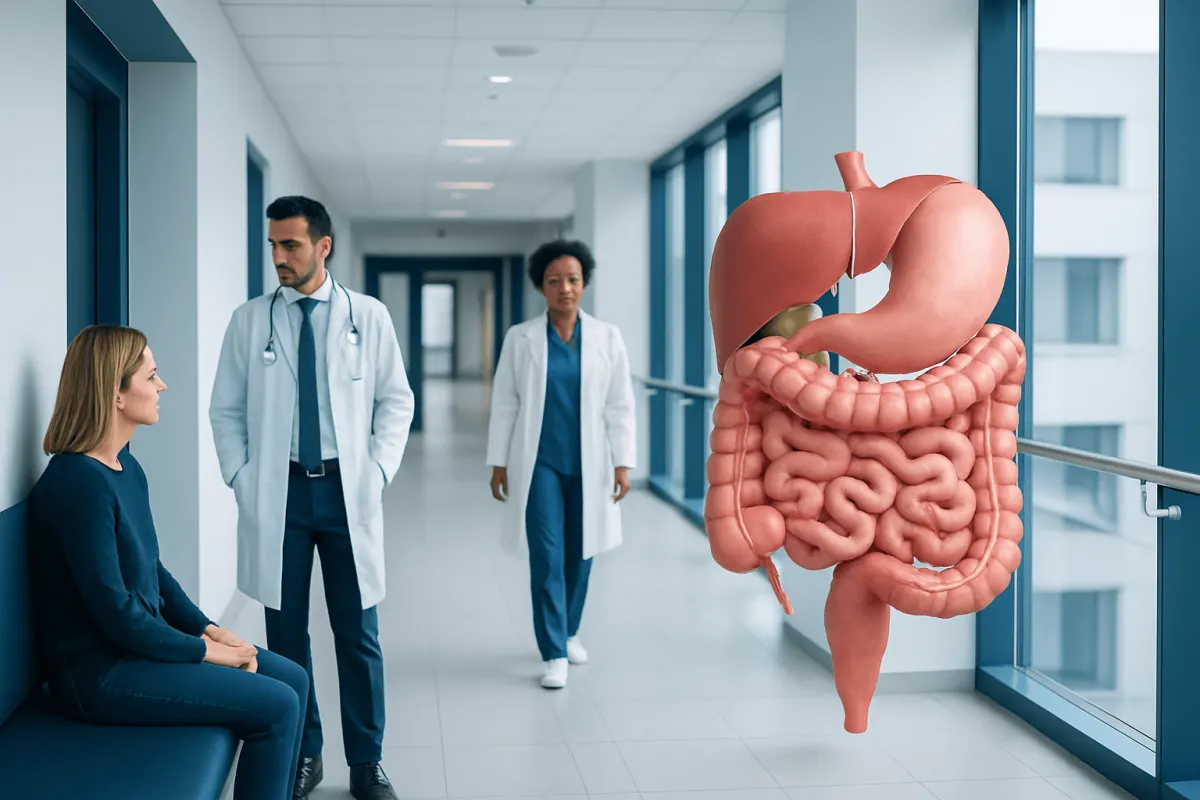
That burning ache in the upper part of your belly that shows up between meals, or wakes you at night — quite often the culprit is a short, C-shaped stretch of bowel just past the stomach called the duodenum.
It is the first section of the small intestine, and it does a lot of work for its size. It receives partially digested food from the stomach, then mixes it with bile and pancreatic enzymes to help break down nutrients and regulate how quickly food moves onward.
What the duodenum is and why it matters
The duodenum is the first part of the small intestine. It begins just beyond the stomach and curves around the pancreas before continuing into the rest of the small bowel. Although it is relatively short, it has a major role in digestion because it is the place where stomach contents first meet bile from the liver and digestive enzymes from the pancreas.
Think of the duodenum as a carefully controlled mixing chamber. Food arriving from the stomach is acidic and only partly broken down. The duodenum helps neutralize that acid, continues digestion, and signals other digestive organs to release the right substances at the right time. This coordination helps the body absorb nutrients more efficiently and protects the lining of the intestine from injury.
The duodenum is also important because several common digestive conditions can affect it. These include duodenitis, peptic ulcers, bleeding, blockage, and inflammation related to disorders such as celiac disease. Less commonly, growths or tumors may develop in or near the duodenum. Understanding its function makes these conditions easier to recognize and discuss with a doctor.
How the duodenum works in digestion
After food is swallowed and processed in the stomach, it moves into the duodenum in small amounts. The stomach releases this material gradually so the intestine can handle it. Once there, the duodenum receives bile, which helps digest fats, and pancreatic enzymes, which help break down proteins, carbohydrates, and fats into smaller molecules.
The lining of the duodenum also produces mucus and chemical signals. Mucus helps protect the tissue from irritation, while hormones such as secretin and cholecystokinin help control stomach emptying and stimulate the pancreas and gallbladder. So the duodenum does far more than pass food along — it helps set the pace for the whole digestive process.
Another key task is preparing nutrients for absorption further along the small intestine. Although most absorption happens beyond the duodenum, this first segment starts the process by breaking nutrients into forms the body can use. It is especially important in the early handling of iron, calcium, and some other nutrients, which is why diseases affecting the duodenum can sometimes contribute to deficiencies.
Common duodenum problems and symptoms
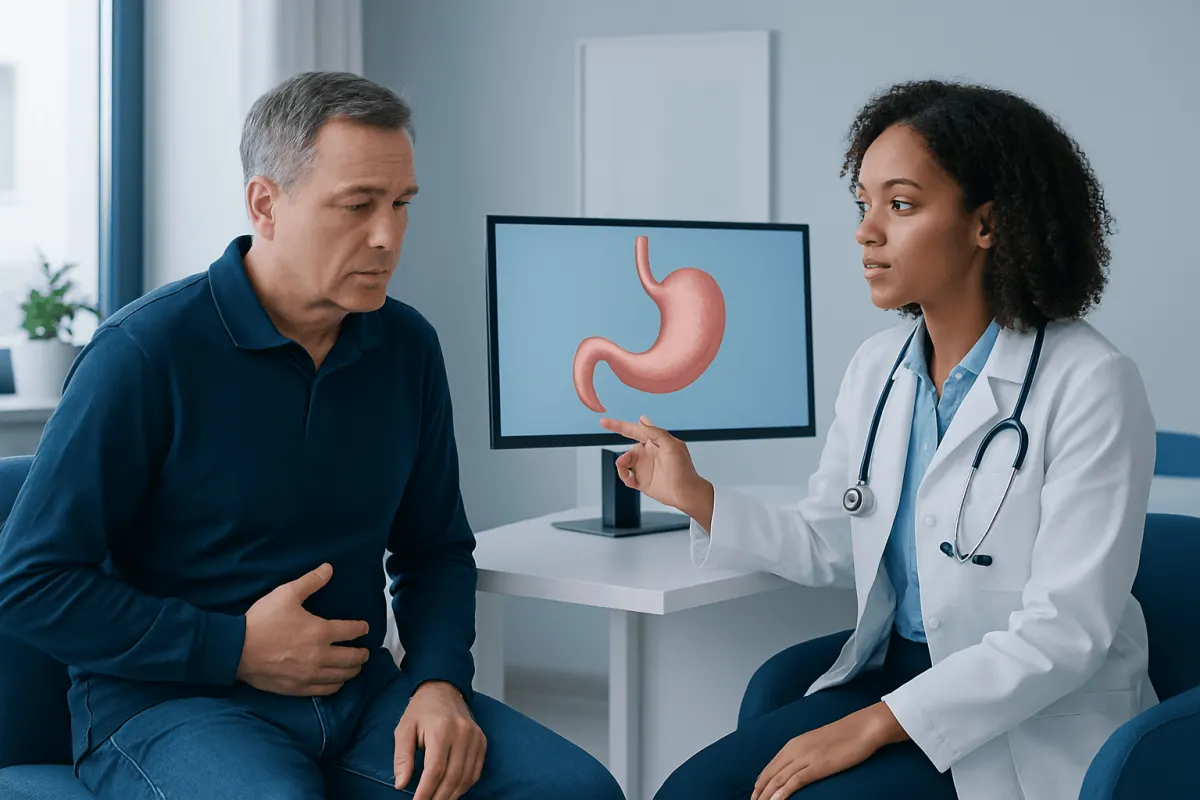
Several conditions can affect the duodenum. One of the best known is a duodenal ulcer, a sore in the lining often linked to Helicobacter pylori infection or regular use of anti-inflammatory pain medicines. Inflammation of the duodenum, called duodenitis, can cause similar symptoms. Some people also develop narrowing or blockage from scarring, swelling, nearby pancreatic disease, or rarely a growth.
Symptoms vary depending on the cause. Common complaints include burning or aching pain in the upper abdomen, nausea, bloating, early fullness, and indigestion. Some people feel discomfort between meals or at night. If inflammation or ulceration leads to bleeding, stools may appear black and tarry, or a person may feel weak, dizzy, or unusually tired.
Duodenal symptoms can overlap with other digestive disorders, including gastritis and problems involving the pancreas or gallbladder. Because the symptoms are rarely specific, guessing at the cause yourself can send you down the wrong path. Persistent symptoms deserve medical review, especially when they interfere with eating, sleep, or daily activity.
- Abdominal Pain: Causes and Treatment" class="ahp-ilk">Upper abdominal pain or burning
- Nausea or vomiting
- Bloating or early satiety
- Black stools or vomiting blood
- Unexplained weight loss
- Fatigue related to possible bleeding or poor absorption
Causes and risk factors
Duodenal problems can happen for many reasons. Infection with Helicobacter pylori is a major cause of duodenal ulcers. Long-term or frequent use of nonsteroidal anti-inflammatory drugs, such as ibuprofen or naproxen, can weaken the protective lining and increase the chance of inflammation or ulcer formation. Smoking may also impair healing and raise ulcer risk.
Other causes include excess stomach acid production, severe physical stress from major illness, and immune-related conditions. In some people, gluten triggers immune injury to the small intestine, most often involving the upper small bowel, including the duodenum, in celiac disease. Crohn’s disease can also affect this area, though less commonly than other parts of the intestine.
Structural problems may arise from scar tissue, congenital abnormalities, gallstones passing nearby, or disease in adjacent organs such as the pancreas. Rarely, benign or malignant tumors involve the duodenum. Age, family history, medication use, alcohol excess, chronic illness, and prior ulcer disease may all influence risk. Your doctor will look at the whole picture — your symptoms and your history together — rather than any single factor.
How doctors diagnose duodenum conditions
Diagnosis begins with a medical history and physical examination. A doctor will ask about the location and timing of pain, use of pain medicines, bowel changes, appetite, weight loss, and any signs of bleeding. Blood tests may look for anemia, inflammation, infection, or nutritional deficiencies. Stool tests can help detect blood loss or certain infections.
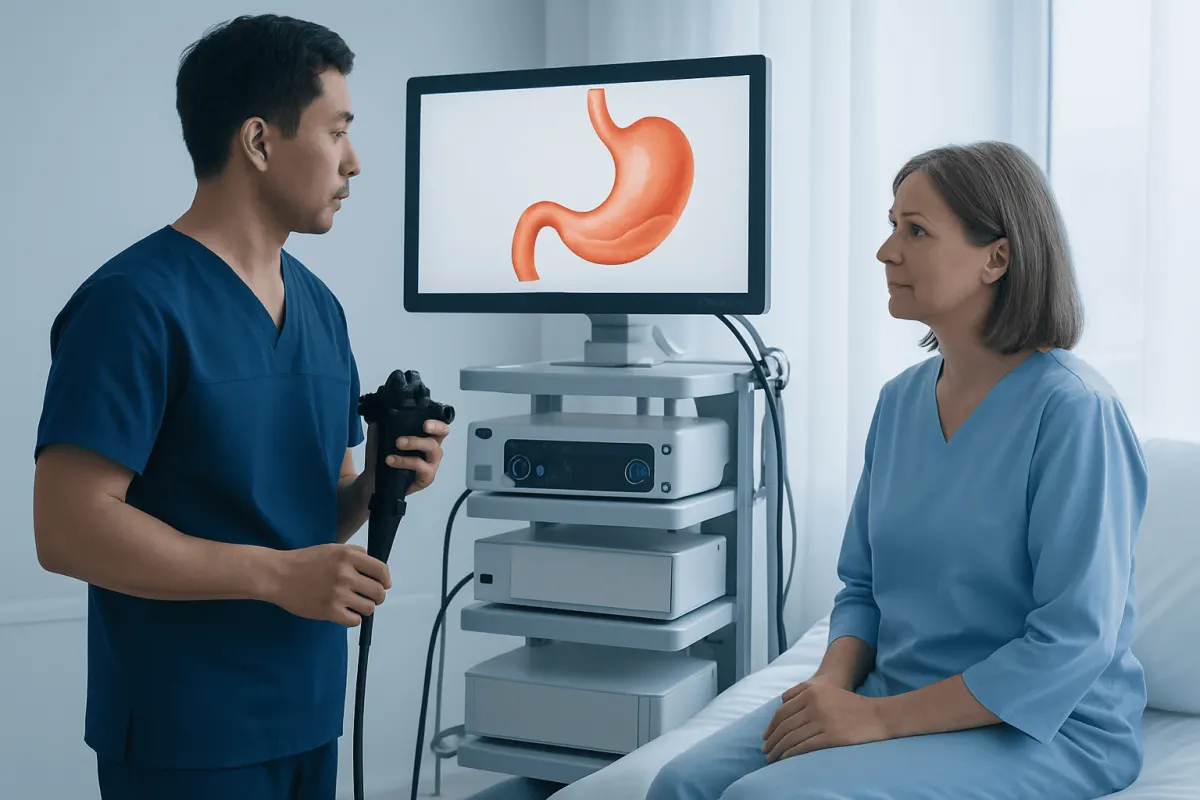
A common and very useful test is upper endoscopy, in which a thin flexible camera is passed through the mouth to examine the esophagus, stomach, and duodenum. This allows direct visualization of irritation, ulcers, narrowing, bleeding, or suspicious lesions. Small tissue samples can also be taken during the procedure to check for infection, inflammation, celiac disease, or abnormal cells.
Imaging may be recommended if there is concern about blockage, nearby organ disease, or complications. Depending on the situation, doctors may use ultrasound, CT, MRI, or contrast studies. When a structural cause is suspected, evaluation may also involve endoscopy or specialist gastroenterology evaluation to clarify the diagnosis and guide treatment.
Treatment options for duodenum disorders
Treatment depends on the cause. If a duodenal ulcer is linked to Helicobacter pylori, treatment usually involves medicines to reduce acid and antibiotics to clear the infection. If anti-inflammatory pain medicines are contributing, a doctor may advise stopping them or changing to safer alternatives when possible. Acid-suppressing medicines are often used to help the lining heal and to relieve symptoms.
For duodenitis or irritation without an ulcer, treatment often focuses on removing triggers and reducing inflammation. This may include avoiding certain medications, limiting alcohol, stopping smoking, and managing reflux or acid-related symptoms. If celiac disease is confirmed, a strict gluten-free diet is the key treatment and helps the duodenal lining recover over time.
When bleeding, obstruction, or a growth is present, more advanced care may be needed. Endoscopic treatment can sometimes control bleeding or widen narrowed areas. Surgery may be considered for severe complications, persistent obstruction, or tumors. In selected patients, care may involve general surgery or gastrointestinal oncology care depending on the diagnosis. Every treatment plan looks a little different, and it should be put together with a qualified doctor.
Prevention and everyday self-care
Not every duodenal condition can be prevented, but some everyday steps may lower risk and reduce symptom flare-ups. One of the most important is using pain medicines carefully. Nonsteroidal anti-inflammatory drugs should be taken only as directed, especially in people with a history of ulcers or stomach sensitivity. A doctor or pharmacist can advise on safer options when regular pain relief is needed.
Healthy routines can also support digestive comfort. Eating balanced meals, avoiding tobacco, limiting alcohol, and managing stress may help reduce irritation in some people. If symptoms are triggered by certain foods, keeping a simple symptom diary may help identify patterns, although highly restrictive diets should be avoided unless medically advised.
People with known conditions such as celiac disease, prior ulcers, or chronic digestive problems may need ongoing follow-up. Taking prescribed medication correctly and attending recommended check-ups can help prevent recurrence or complications. Some international patients choose to be assessed at Acıbadem Health Point, where specialists from several fields work together in JCI-accredited hospitals to diagnose and treat digestive conditions.
When to seek medical care
Medical care is appropriate when upper abdominal discomfort is persistent, recurring, or difficult to explain. Symptoms that interfere with eating, lead to repeated nausea or vomiting, or continue despite simple measures should be assessed. A doctor can help distinguish common indigestion from a condition involving the duodenum, stomach, pancreas, or gallbladder.
Prompt medical attention is especially important if there are warning signs such as black stools, vomiting blood, sudden severe abdominal pain, unexplained weight loss, difficulty swallowing, fainting, or signs of dehydration. None of these automatically means something serious — but please don’t wait them out.
People who are older, take anti-inflammatory pain medicines regularly, have a past ulcer, or live with conditions such as celiac disease may benefit from earlier review when new digestive symptoms appear. Early assessment often makes diagnosis clearer and treatment more straightforward.
Frequently asked questions
01Where is the duodenum located?
The duodenum is located immediately after the stomach and is the first part of the small intestine. It sits in the upper abdomen and curves around part of the pancreas before joining the next section of the small bowel.
02What does the duodenum do?
The duodenum helps continue digestion after food leaves the stomach. It mixes food with bile and pancreatic enzymes, helps neutralize stomach acid, and supports the early stages of nutrient absorption.
03Can duodenum pain feel like ordinary indigestion?
Yes, duodenum-related pain can feel similar to common indigestion or heartburn. Because symptoms can overlap with stomach, gallbladder, or pancreatic problems, persistent or recurring discomfort should be medically evaluated.
04What is the difference between a duodenal ulcer and gastritis?
A duodenal ulcer is an open sore in the lining of the duodenum, while gastritis is inflammation of the stomach lining. Both can cause upper abdominal discomfort, but they affect different parts of the digestive tract and may require different evaluation and treatment.
05How are duodenum problems diagnosed?
Doctors often start with a history, physical examination, and basic tests such as blood work or stool testing. If needed, upper endoscopy is commonly used to look directly at the duodenum and take biopsies.
06Can the duodenum heal after inflammation or an ulcer?
In many cases, yes. With the right treatment, such as acid suppression, addressing infection, stopping irritating medicines, or treating an underlying condition, the duodenal lining can heal well.
This article is for general information only and is not a substitute for professional medical advice. Please consult a qualified doctor about your individual situation.
Persistent digestive symptoms? Get evaluated in Turkey
JCI-accredited · board-certified surgeons · reply within 24h
Add us as a Preferred Source to see more of our trusted health content across Google Search, AI Overviews and Discover.