Double Lung Transplant: Who May Need It and Recovery
A double lung transplant is major surgery that replaces both lungs with donor lungs when severe lung disease no longer responds adequately to other treatment. Careful assessment, lifelong anti-rejection medicine and structured follow-up are central to achieving the best possible outcome.
What is a double lung transplant?
A double lung transplant, also called a bilateral lung transplant, is an operation in which surgeons remove both severely damaged lungs and replace them with healthy lungs from a deceased donor. It is considered when advanced lung disease causes serious breathlessness, low oxygen levels or a major reduction in daily functioning despite the best available medical treatment.
For eligible people, transplantation can improve breathing capacity, exercise tolerance and quality of life. It is not a cure for the underlying tendency toward illness, however, and it requires lifelong medicines to reduce the chance that the immune system will reject the donor lungs. The decision to pursue transplantation is made by a specialist transplant team after a detailed individual assessment.
A bilateral transplant is often preferred when disease affects both lungs or when replacing only one lung could leave a source of infection or severe disease behind. In some circumstances, a single-lung transplant or another therapy may be more suitable. The appropriate approach depends on the diagnosis, anatomy, overall health and local transplant guidance.
Who may be a candidate for a double lung transplant?
Doctors may refer someone for transplant assessment when lung disease is advanced, progressive and no longer adequately controlled with medicines, oxygen, pulmonary rehabilitation or other treatments. Referral may happen before a person becomes critically unwell, allowing time for testing, education and planning.
Conditions that may lead to consideration of a double lung transplant include severe chronic obstructive pulmonary disease, cystic fibrosis, bronchiectasis, pulmonary fibrosis, pulmonary arterial hypertension and some forms of interstitial lung disease. For example, people with advanced chronic obstructive pulmonary disease may be assessed if symptoms and lung function continue to worsen despite comprehensive care.
Assessment considers much more than lung function. The team reviews heart, kidney and liver health; active infections; cancer history; nutritional status; mobility; emotional wellbeing; social support and the ability to take medications reliably after surgery. People are generally expected to avoid tobacco, vaping and non-prescribed substance use because these can seriously affect transplant outcomes.
- Severe, irreversible lung disease with a limited outlook without transplantation
- Symptoms that substantially restrict everyday activities despite appropriate treatment
- Enough physical reserve to undergo surgery and rehabilitation
- No untreated infection, uncontrolled cancer or other major issue likely to make surgery unsafe
- A clear understanding of lifelong follow-up and anti-rejection treatment
How the transplant evaluation and donor matching work

A Kidney Transplant Evaluation: What It Covers" class="ahp-ilk">transplant evaluation is a structured process rather than a single appointment. It commonly includes lung function testing, blood tests, imaging, heart assessment, screening for infections, dental review and discussions with surgeons, respiratory specialists, nurses, pharmacists, dietitians, physiotherapists and mental health professionals. The purpose is to understand both the need for transplant and the safest way to prepare.
When a person is accepted for listing, donor lungs are matched using factors such as blood group, body size, medical urgency and the expected suitability of the organs. Waiting time varies considerably. During this period, the transplant team continues treatment for the underlying lung condition and may recommend exercise, nutrition support, vaccinations and pulmonary rehabilitation to maintain strength.
Being listed does not guarantee that Organ Transplant Surgery: Step-by-Step From Evaluation to Recovery" class="ahp-ilk">transplant surgery will take place immediately. A potential donor offer is assessed carefully for organ quality and compatibility. The person may need to come to hospital promptly when an offer is made, but surgery proceeds only if the final checks show that transplantation is appropriate.
Double lung transplant procedure: step by step
The operation is performed under general anaesthesia, meaning the person is asleep and does not feel pain during surgery. The surgical team makes an incision across the chest, usually beneath the breasts, or may use another approach based on the person’s anatomy and clinical needs. Monitoring lines and a breathing tube are used throughout the procedure.
Surgeons usually replace one lung at a time. They remove the diseased lung and connect the donor lung’s airway, blood vessels and veins to the recipient’s corresponding structures. They then move to the other side. This sequence allows circulation and oxygen exchange to be supported during the operation.
Some people need temporary support from a heart-lung machine or extracorporeal membrane oxygenation (ECMO) while the lungs are being replaced. Whether this is needed depends on blood pressure, oxygen levels, heart function and the complexity of surgery. After the new lungs are connected and working, chest drains are placed to remove fluid and air, and the incision is closed.
Double lung transplantation is technically complex and can take several hours. The exact course varies from person to person, so the surgical team explains the planned approach, possible alternatives and individual risks before surgery. Lung transplant care includes coordinated preparation, surgery and long-term monitoring.
Recovery timeline after a double lung transplant
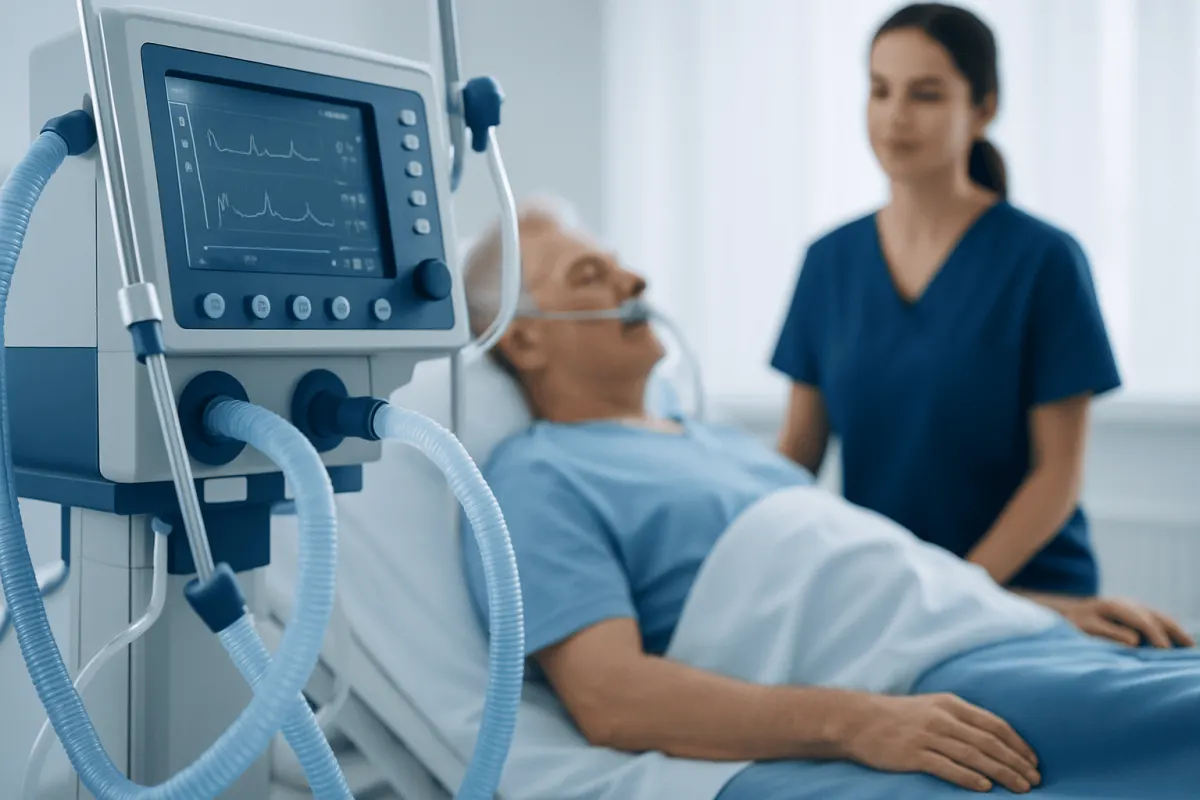
Immediately after surgery, patients usually receive care in an intensive care unit. They remain on a ventilator until they can breathe safely with the new lungs, which may be within a short period or may take longer if recovery is complicated. Pain control, chest physiotherapy, careful fluid management and early movement are all important parts of this stage.
During the first weeks in hospital, the team monitors oxygen levels, heart function, kidney function, wound healing and signs of infection or rejection. Bronchoscopy, a procedure using a thin camera to view the airways, may be performed as part of routine monitoring or if there is a concern. Physical therapy gradually builds walking, stair climbing and breathing endurance.
Hospital stay varies according to the person’s condition before surgery and any complications. After discharge, frequent clinic visits, blood tests, lung function checks and medication adjustments are typical, particularly during the first several months. Many people take part in a structured physical therapy and rehabilitation programme to regain strength and confidence.
Recovery continues for many months. Energy, appetite, sleep and exercise capacity often improve gradually rather than all at once. Returning to work, travel or other activities should be discussed with the transplant team, as the timing depends on healing, infection risk, medication effects and the demands of each activity.
Benefits, risks and lifelong treatment
The main potential benefit of a double lung transplant is improved lung function when diseased lungs can no longer provide enough effective oxygen exchange. Many recipients are able to be more active and less dependent on supplemental oxygen after recovery. Outcomes differ, and the transplant team can explain what may be realistic for a particular diagnosis and health situation.
As with any major surgery, there are risks of bleeding, blood clots, stroke, heart rhythm problems and complications related to anaesthesia. Specific transplant risks include airway healing problems, fluid buildup in the lungs, reduced kidney function, infection and primary graft dysfunction, in which the donor lungs do not work as expected soon after surgery.
Rejection occurs when the immune system recognizes the donor lungs as foreign. It may cause no obvious symptoms at first, which is why routine testing is important. Possible warning signs include new breathlessness, cough, fever, falling lung function or fatigue, but these symptoms can also have other causes and require prompt assessment.
Anti-rejection medicines are essential for life. They lower the immune response but can increase vulnerability to infections and may contribute to side effects such as high blood pressure, diabetes, bone thinning or kidney problems. Medication plans are individualized, and regular review helps balance rejection prevention with safety.
Daily care after transplant and when to seek medical care
After a double lung transplant, daily care includes taking every medication exactly as prescribed, attending scheduled tests and protecting against infection. Hand hygiene, food safety, avoiding smoke exposure and following advice about masks or crowded settings during higher-risk periods can be helpful. Vaccinations should be planned with the transplant team, because some vaccines may not be suitable after transplant.
Regular activity, a balanced diet and adequate sleep support recovery. People should not stop or change anti-rejection medicines, supplements or over-the-counter treatments without speaking to their transplant clinicians, because drug interactions can be significant. Family members and caregivers can also play an important role in medication organization and appointment support.
Medical care should be sought urgently for sudden or worsening shortness of breath, chest pain, fainting, blue or grey lips, severe bleeding, or confusion. The transplant team should be contacted promptly for fever, chills, a new cough, increasing sputum, reduced home spirometry readings if monitored, rapid weight change, swelling, vomiting that prevents medication intake, or any concern about an incision.
For international patients, Acıbadem Health Point’s multidisciplinary specialists and JCI-accredited hospitals can provide assessment and treatment planning for complex lung transplant needs. Ongoing care should always be coordinated closely with an accredited transplant centre and the patient’s local medical team.
Frequently asked questions
01Is a double lung transplant the same as a bilateral lung transplant?
Yes. The terms double lung transplant and bilateral lung transplant both mean that two donor lungs replace both of the recipient’s lungs. The term used may vary between hospitals and clinicians.
02Why would someone need both lungs replaced?
Both lungs may be replaced when disease affects each lung extensively or when leaving one diseased lung in place could cause ongoing problems, such as infection. The decision also depends on the underlying diagnosis, lung anatomy and the person’s overall condition.
03How long does recovery take after a double lung transplant?
Initial hospital recovery commonly takes weeks, but this varies widely. Strength, stamina and independence generally continue to improve over several months, with regular follow-up and rehabilitation playing an important role.
04Can a person live normally after a double lung transplant?
Many people can return to a more active daily life after recovery, but they need lifelong medication and regular transplant follow-up. Infection prevention, monitoring for rejection and maintaining healthy routines remain part of everyday life.
05What are the first signs of lung transplant rejection?
Rejection may not cause noticeable symptoms early on, which is why scheduled lung function tests and clinic reviews are essential. New breathlessness, cough, fever, fatigue or a drop in measured lung function should be reported promptly to the transplant team.
06Can lungs be transplanted from a living donor?
Lung transplants are most commonly performed using lungs from deceased donors. In rare, highly specialized circumstances, living donors may donate lung tissue, but this is not the usual approach for a double lung transplant.
This article is for general information only and is not a substitute for professional medical advice. Please consult a qualified doctor about your individual situation.
Heart care in Turkey — expert evaluation and treatment
JCI-accredited · board-certified surgeons · reply within 24h
Add us as a Preferred Source to see more of our trusted health content across Google Search, AI Overviews and Discover.