Does Sex Lower Blood Pressure? A Doctor-Reviewed Answer
Yes, sex can temporarily lower blood pressure for some people because of relaxation and blood vessel changes after orgasm. However, it is not a treatment for high blood pressure, and chest pain, severe shortness of breath, fainting, or repeated symptoms during sex should be checked by a doctor.
Overview: the short answer
For many people, sex can lead to a brief drop in blood pressure afterward, especially during the recovery period after orgasm. This usually happens because the body shifts into a more relaxed state, stress hormones fall, and blood vessels may widen slightly. In that sense, the answer to “does sex lower blood pressure” is sometimes yes—but only temporarily.
At the same time, sexual activity is a form of physical exertion. During arousal and orgasm, heart rate and blood pressure often rise for a short period before settling down again. That is why sex should not be viewed as a treatment for hypertension. People who have persistently high readings still need proper evaluation, lifestyle changes, and treatment when recommended.
In most healthy adults, these normal changes are harmless. The question becomes more important when a person has uncontrolled high blood pressure, heart disease, troublesome symptoms during sex, or concerns about whether sexual activity is safe. In those situations, a medical review can help clarify risk and guide next steps.
How sex affects blood pressure in the body
Blood pressure is not fixed. It changes throughout the day in response to movement, emotions, stress, pain, sleep, meals, and exercise. Sexual activity triggers the body’s autonomic nervous system, which controls functions such as heart rate, breathing, and blood vessel tone. During excitement, the sympathetic nervous system becomes more active, so blood pressure can rise briefly.
As arousal progresses and orgasm occurs, the heart works harder for a short time. Afterward, many people enter a relaxation phase. This recovery period may include slower breathing, reduced muscle tension, and a temporary fall in blood pressure compared with the peak during sex. Some people notice a calm or sleepy feeling, which reflects this shift.
Not everyone experiences the same pattern. Age, fitness, stress level, medicines, cardiovascular health, hydration, and the emotional context of sex can all influence blood pressure responses. The temporary post-sex drop also does not mean a person’s overall blood pressure is healthy. Someone can feel relaxed after sex and still have chronic high blood pressure that needs ongoing care.
When it is usually harmless—and when symptoms matter

For most people, mild changes in blood pressure around sex are expected and not dangerous. A short-lived feeling of relaxation afterward is common. Some people may even notice that stress feels lower, which can support overall well-being. If there are no concerning symptoms and blood pressure is well controlled, sexual activity is often safe.
What matters more than the number itself is how a person feels. Symptoms such as chest pain, marked shortness of breath, fainting, severe dizziness, sudden weakness, a pounding irregular heartbeat, or a severe headache are not typical and should not be ignored. These symptoms may point to a heart rhythm problem, uncontrolled blood pressure, medication effect, or another medical issue.
Repeated problems during sex also deserve attention, even if they seem mild. For example, dizziness after orgasm, palpitations, or unusual fatigue can be caused by dehydration, anxiety, low blood pressure, or cardiovascular conditions. Sometimes erectile difficulties and changing blood pressure are linked through shared vascular causes, so a broader review of heart and blood vessel health can be helpful.
What can influence blood pressure during or after sex
Many factors shape the body’s response to sexual activity. Existing hypertension, poor physical conditioning, smoking, obesity, diabetes, sleep apnea, high stress, and heart disease can all make blood pressure changes more significant. Alcohol, recreational drugs, and some prescription medicines may also affect heart rate, blood pressure, and sexual function.
Medicines are an important part of the discussion. Some blood pressure drugs can contribute to dizziness, especially if a person stands up quickly after sex. Others may affect sexual desire or performance. On the other hand, stopping prescribed medicines without medical advice can be risky. If side effects are suspected, a doctor can often adjust the treatment plan safely rather than having the patient discontinue it alone.
Emotional factors also matter. Anxiety about performance, fear after a prior health event, relationship stress, and lack of sleep can all push blood pressure higher. In some cases, the concern is less about sex lowering blood pressure and more about whether sex feels uncomfortable or physically demanding. When that is the issue, medical evaluation and practical advice can make sexual activity feel safer and more manageable.
- Uncontrolled high blood pressure
- Known heart or vascular disease
- Recent chest pain, heart attack, or stroke
- Dizziness or fainting episodes
- Blood pressure medicines or other drugs that affect circulation
- Stress, anxiety, alcohol, or dehydration
How doctors evaluate this concern
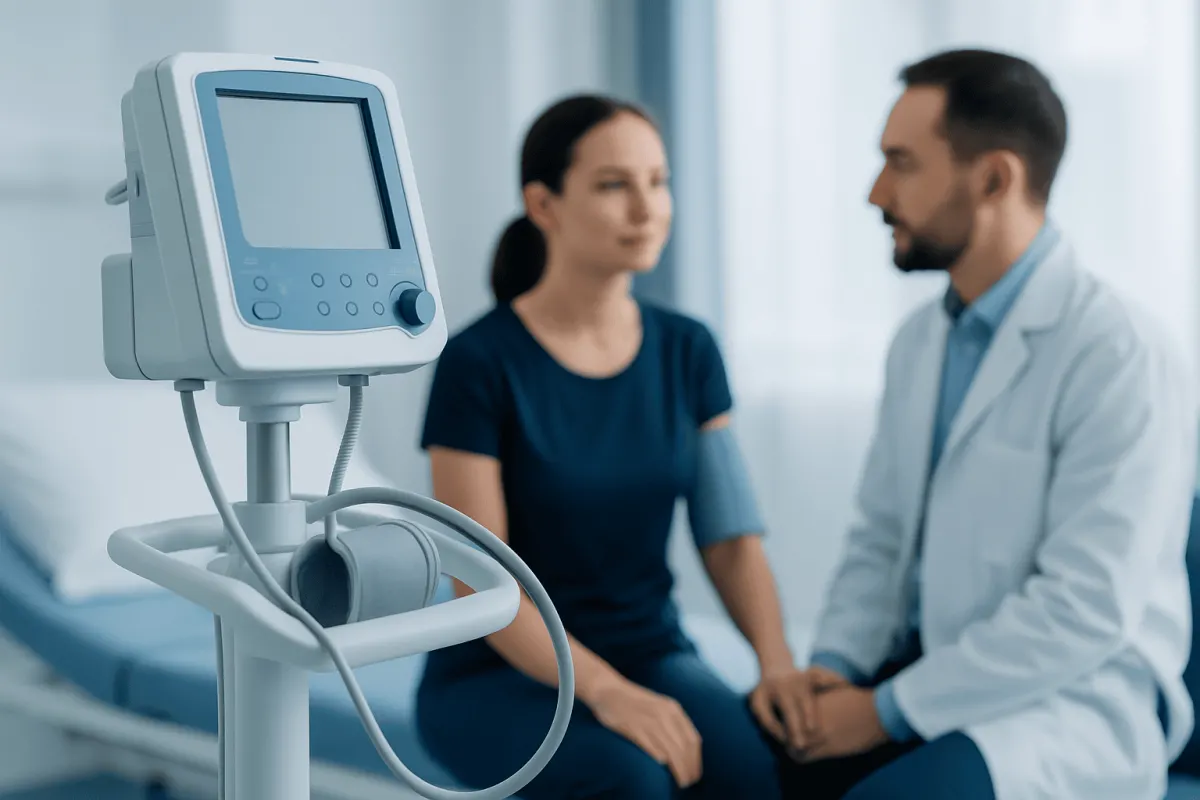
If someone asks whether sex is lowering their blood pressure too much—or whether high blood pressure is making sex unsafe—a doctor usually begins with symptoms and overall risk. They may ask what happens during or after sex, how long symptoms last, whether there is chest pain or breathlessness, and whether there have been episodes of fainting, palpitations, or headache.
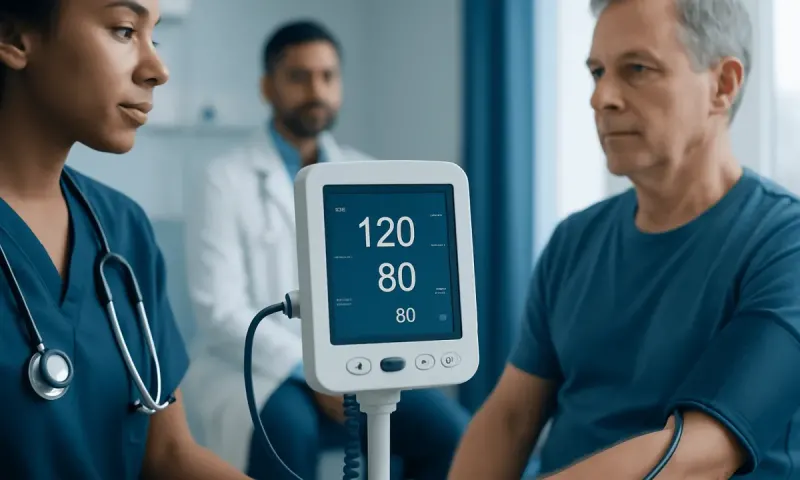
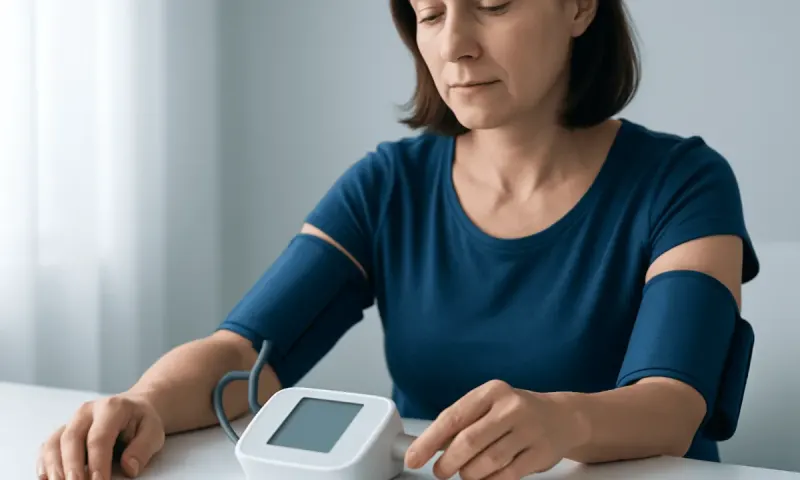
Blood pressure is then assessed more broadly, not just in relation to sex. This may include office readings, home measurements, or ambulatory monitoring over 24 hours. The goal is to see whether blood pressure is consistently high, occasionally low, or fluctuating significantly. A doctor may also review pulse, oxygen levels, medications, medical history, and lifestyle habits.
If warning signs are present, further testing may be needed. Depending on the situation, that may include blood tests, an electrocardiogram, heart rhythm monitoring, or an imaging study such as echocardiography to assess heart structure and function. Some patients with exertional symptoms may need a formal cardiac stress test to evaluate how the heart responds to physical activity. If a vascular or structural heart problem is suspected, targeted assessment for heart disease may follow.
Treatment and practical management
There is no medical recommendation to use sex as a blood pressure treatment. If a person has hypertension, the main focus remains proven care: healthy eating, regular physical activity, weight management when needed, limiting excess alcohol, not smoking, stress reduction, and prescription treatment when appropriate. These measures lower long-term cardiovascular risk far more reliably than temporary post-sex changes.
When symptoms happen during sex, treatment depends on the cause. If blood pressure is too high, a doctor may adjust medications or assess adherence to the current plan. If blood pressure drops too much afterward, hydration, slower position changes, medication review, and evaluation for other causes may help. If symptoms are linked to anxiety, reassurance and stress management can also be important.
For people with heart disease or uncertain exercise tolerance, clinicians often compare sex to moderate physical activity and advise an individualized plan. In some cases, improving cardiovascular fitness can make sexual activity feel easier and safer. If a rhythm issue is suspected, additional evaluation or cardiology assessment may be appropriate before returning to more strenuous activity.
Near the end of care planning, some people benefit from coordinated input from cardiology, internal medicine, and sexual health specialists. Acıbadem Health Point’s multidisciplinary specialists and JCI-accredited hospitals diagnose and treat cardiovascular concerns for international patients when more detailed evaluation is needed.
Self-care and prevention
People who want to reduce risk around sex and blood pressure can focus on the same habits that support heart health in general. Taking medicines as prescribed, keeping routine appointments, and knowing home blood pressure readings can make sexual activity feel more predictable and less stressful. Good sleep, regular movement, and stress management may also improve both blood pressure control and sexual well-being.
Simple practical steps can help if someone tends to feel lightheaded afterward. It may be useful to avoid excessive alcohol, stay hydrated, and rise slowly from bed or a lying position. A person who has symptoms only at certain times should note any patterns, such as missed meals, overheating, emotional stress, or medicine timing, and discuss them with a clinician.
Open communication with a partner can also reduce anxiety and improve comfort. If sex feels physically demanding, a couple may choose a slower pace or less strenuous positions. Any major change in symptoms, especially in someone with known cardiovascular disease, should prompt a check-in with a qualified doctor rather than self-diagnosis.
When to seek medical care
Medical care is appropriate if blood pressure is persistently high, symptoms occur during or after sex, or a person is unsure whether sexual activity is safe with an existing heart condition. It is especially important to seek urgent care for chest pain, severe shortness of breath, fainting, one-sided weakness, trouble speaking, or a sudden severe headache. These symptoms are not explained by normal post-sex relaxation.
Non-urgent medical review is also reasonable for repeated dizziness after orgasm, palpitations, unusual fatigue, erectile difficulties linked with cardiovascular risk factors, or concerns about medication side effects. A doctor can help determine whether the issue is harmless, medicine-related, or a sign of a broader heart or circulation problem.
For many people, the answer to “does sex lower blood pressure” is reassuring: sometimes, but only briefly, and usually without harm. The more important question is whether blood pressure is healthy overall and whether sex causes warning symptoms. If there is any doubt, a professional evaluation offers the safest and clearest guidance.
Frequently asked questions
01Does sex lower blood pressure right away?
Sex can cause a temporary drop in blood pressure afterward, especially during the relaxation period after orgasm. However, blood pressure often rises briefly during arousal and orgasm before it comes back down. The effect is short-lived and is not a treatment for hypertension.
02Is sex safe if someone has high blood pressure?
For many people with well-controlled high blood pressure, sex is safe. The main concern is when blood pressure is uncontrolled or when sex causes chest pain, severe breathlessness, fainting, or other warning symptoms. A doctor can advise based on the person's cardiovascular health and overall fitness.
03Can sex replace blood pressure medicine or lifestyle treatment?
No. Even if blood pressure falls briefly after sex, that does not control hypertension over the long term. Proven management includes regular monitoring, healthy lifestyle changes, and medication when prescribed.
04Why might someone feel dizzy after sex?
Dizziness after sex can happen for several reasons, including a temporary blood pressure drop, dehydration, standing up too quickly, anxiety, or medication effects. It can also sometimes reflect a heart rhythm or circulation problem. Recurrent dizziness should be discussed with a clinician.
05Do blood pressure medicines affect sexual activity?
Some blood pressure medicines may contribute to dizziness or sexual side effects in certain people. That does not mean the medicine should be stopped without advice. A doctor can review the treatment plan and make safe adjustments if needed.
06When should symptoms during sex be considered urgent?
Urgent symptoms include chest pain, severe shortness of breath, fainting, sudden weakness, difficulty speaking, or a sudden severe headache. These are not typical responses to sex and may signal a serious medical problem. Emergency evaluation is appropriate in these situations.
This article is for general information only and is not a substitute for professional medical advice. Please consult a qualified doctor about your individual situation.
Heart care in Turkey — expert evaluation and treatment
JCI-accredited · board-certified surgeons · reply within 24h
Add us as a Preferred Source to see more of our trusted health content across Google Search, AI Overviews and Discover.