Does Radiation Cause Hair Loss in the Treated Area?
Radiation therapy can cause hair loss when the treatment field includes hair-bearing skin, such as the scalp, beard area, chest or pubic region. The change is limited to the area receiving radiation, and whether hair grows back depends mainly on the total dose, treatment plan and individual healing.
Does radiation cause hair loss?
Yes. Radiation therapy can cause hair loss, but it affects only hair in the part of the body being treated. For example, radiation to the brain or scalp may cause scalp hair loss, while radiation to the pelvis may affect pubic hair. Radiation aimed at the breast, lung, abdomen or another area does not usually cause scalp hair loss because the scalp is outside the treatment field.
Hair loss happens because radiation damages rapidly dividing cells, including cells in hair follicles. The effect can range from mild thinning to complete loss of hair in the treated area. It is often temporary, but regrowth is not guaranteed; the likelihood of recovery depends on the radiation dose, the size and location of the treatment area, and individual factors.
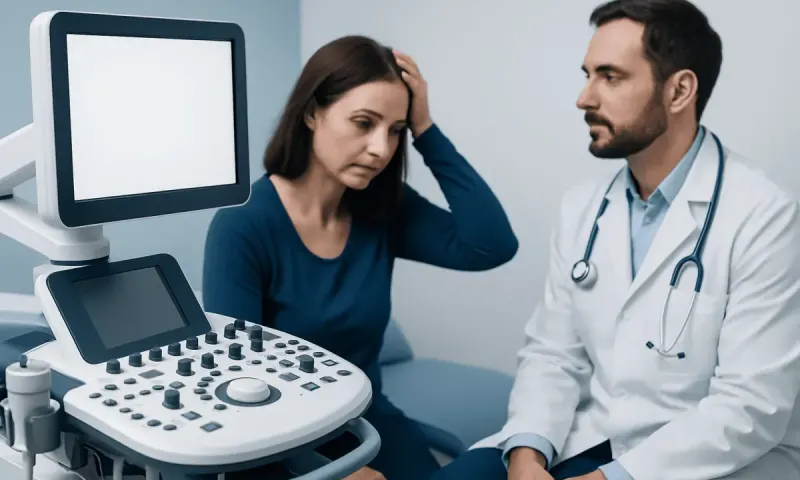
Before treatment begins, the radiation oncology team explains where the radiation beam will be directed and which side effects are expected. This discussion can help a person prepare for changes in appearance and choose practical support, such as a wig, head covering, scalp-care products or emotional support services.
How radiation treatment affects hair follicles
Radiation therapy uses carefully planned high-energy beams to damage the DNA of cancer cells so they can no longer grow and divide. Healthy cells in the treatment area can also be affected. Hair-follicle cells are particularly sensitive because they normally divide quickly during the active hair-growth phase.
Modern planning methods shape and direct radiation as precisely as possible. The aim is to treat the cancer while reducing exposure to nearby healthy tissue. Even with precise treatment, hair follicles inside the planned treatment field may receive enough radiation to slow hair production or stop it temporarily.
Hair shedding commonly begins around two to three weeks after radiation starts. It may occur gradually or more noticeably over a short period. The skin in the same area may become dry, itchy, tender, darker or red, depending on skin tone and the treatment plan. The care team should be told about any skin discomfort so that appropriate advice can be given.
Candidacy, planning and what happens during radiation therapy

Radiation therapy may be used to cure cancer, lower the chance of cancer returning after surgery, slow cancer growth or relieve symptoms. Whether it is appropriate depends on the cancer type, stage, location, previous treatments, overall health and personal treatment goals. Hair loss risk is considered during planning, particularly for cancers involving the brain, head, neck or skin.
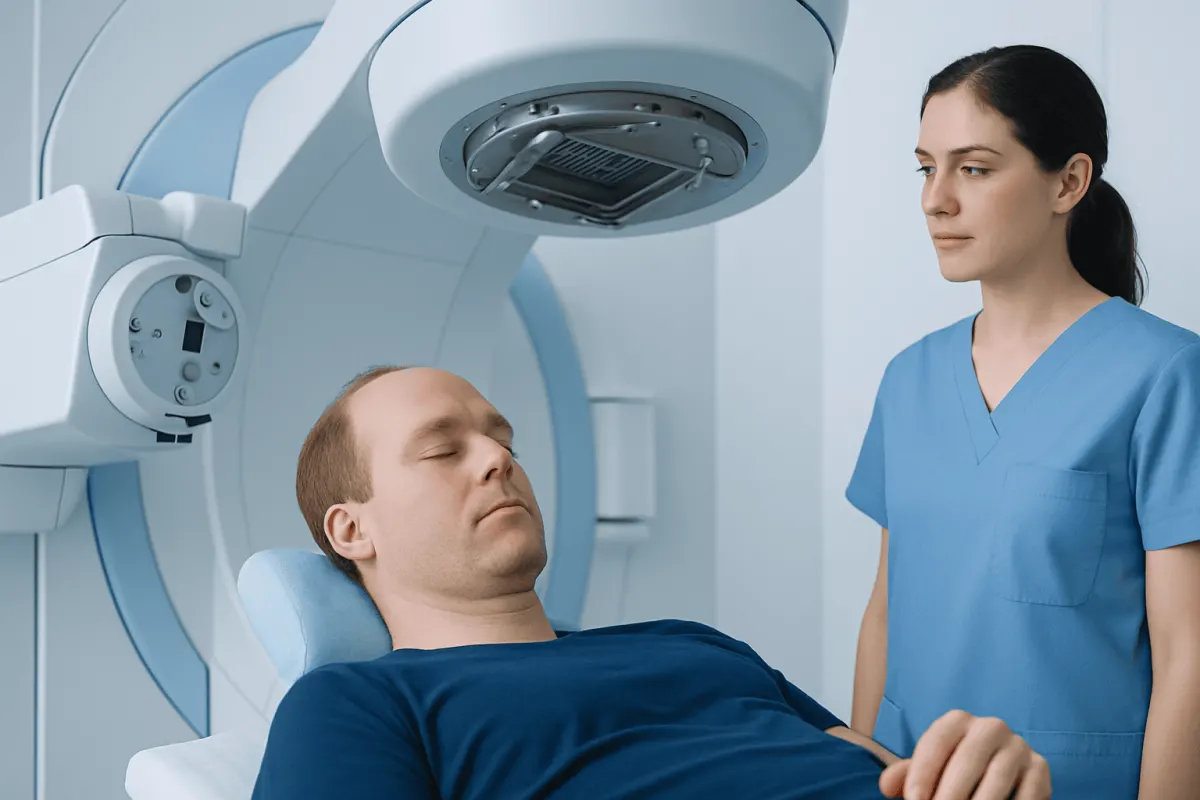
The process usually begins with a planning appointment, often called simulation. A scan is taken in the treatment position, and the team may create a customised mask, mould or other positioning device to help the person remain still and ensure treatment is delivered consistently. The radiation oncologist and medical physicists then design an individual treatment plan.
At each treatment session, radiographers help the person into the planned position, confirm alignment and deliver radiation from outside the body. The treatment itself is painless and usually lasts only a few minutes, although the full appointment can take longer. Most people have treatment on weekdays for a defined number of sessions, but schedules vary widely.
Patients should share concerns about hair loss before the first session. The oncology team can clarify whether the scalp or another hair-bearing area is in the radiation field, whether hair regrowth is likely, and what local support may be available.
What helps hair grow back after radiation?
There is no proven method that can reliably restore hair follicles that have been permanently damaged by radiation. When follicles remain able to recover, hair often begins growing back several months after treatment ends. Regrowth can be slow, and new hair may initially be finer, curlier, straighter or a different colour than before.
Supportive care focuses on protecting the treated skin and avoiding further irritation. A person can use mild, fragrance-free shampoo if the skin is not sore, pat rather than rub the area dry, avoid hot styling tools and chemical treatments until the skin and hair have recovered, and protect exposed scalp from the sun with a hat or other physical covering. The radiation team can recommend products that are suitable for the treatment area.
A balanced diet with adequate protein and treatment of any identified nutritional deficiency can support general hair health, but supplements do not reverse radiation damage to follicles. It is important not to start high-dose vitamins, herbal remedies, scalp products or medicines for hair growth without discussing them with the oncology team, as some products may irritate treated skin or interact with treatment.
If hair does not return as expected or scalp symptoms persist, a radiation oncologist, dermatologist or hair-and-scalp specialist can assess possible causes. For persistent localized hair loss, options such as cosmetic camouflage, hairpieces and, in selected cases after cancer treatment is complete, reconstructive or hair-restoration discussions may be considered.
Which is worse for hair loss, chemo or radiation?
Neither treatment is universally “worse” because their effects are different. Chemotherapy circulates through the bloodstream and can affect hair follicles throughout the body. Depending on the medicines used, it may cause thinning or loss of scalp hair, eyebrows, eyelashes and body hair. Some chemotherapy regimens cause little or no hair loss.
Radiation therapy causes hair loss only in the area receiving radiation. Therefore, someone having radiation to the brain may lose scalp hair in the treated region, while someone receiving radiation to the pelvis may lose pubic hair without any change to scalp hair. In many cases, radiation-related hair loss is limited and easier to conceal, but it can be permanent if the follicles receive a high dose.
When chemotherapy and radiation are given together or close together, hair changes may reflect both treatments. The medical oncology and radiation oncology teams can explain which treatment is most likely to affect hair and whether regrowth is expected. This personalised information is more useful than comparing treatments in general terms.
What I wish I knew before radiation?
Many people find it helpful to know that radiation-related hair loss is local, not contagious, and not a sign that treatment is harming the entire body. Asking to see the planned treatment area can make the expected changes easier to understand. The team can also explain whether hair loss is likely to be temporary, although this cannot always be predicted with complete certainty before treatment.
Preparation can reduce stress. Some people prefer to cut their hair short before scalp radiation, arrange a wig or head covering early, or choose comfortable soft hats for use at home. Others prefer not to make changes until hair loss begins. There is no right choice, and people can decide what feels most comfortable for them.
Skin care matters from the first treatment session. The treated area may become more sensitive over time, so patients should use only products approved by their care team, avoid scratching, avoid adhesive products on fragile skin where possible, and protect the area from strong sunlight and extreme temperatures. They should also ask how to wash the area and whether shaving is safe.
Emotional effects deserve attention as well. A visible change in hair can affect confidence, identity and daily interactions. Speaking with a specialist nurse, counsellor, support group or trusted family member can help. Acıbadem Health Point’s multidisciplinary specialists at JCI-accredited hospitals can support international patients through radiation treatment planning and side-effect care.
What are the two most common side effects of radiation?
Two of the most common side effects of external-beam radiation therapy are fatigue and skin changes in the treatment area. Fatigue may build gradually during the course of treatment and can continue for a period afterward. It is not always relieved fully by sleep, but pacing activities, accepting help, regular gentle movement when appropriate and discussing symptoms with the team can be useful.
Skin changes may include redness or darkening, dryness, itching, tenderness, peeling or sensitivity. These effects are limited to the area exposed to radiation and may develop after several treatment sessions. The exact appearance varies with skin tone, treatment site and dose. The care team can provide tailored skin-care instructions and assess any areas that become painful or broken.
Other side effects depend strongly on the body area being treated. For example, head and neck radiation may affect the mouth or swallowing, chest radiation may cause temporary throat irritation, and pelvic radiation may affect bowel or bladder habits. Clinicians review likely effects before treatment and monitor symptoms throughout the course.
Recovery timeline, benefits, risks and when to seek medical care
During radiation therapy, hair in the exposed area may thin or fall out after the first few weeks. Skin effects and fatigue can continue to develop until treatment ends, then commonly improve gradually in the following weeks. If hair follicles recover, early regrowth may be seen within a few months, while fuller recovery can take six to twelve months or longer. Some people have lasting thinning or permanent hair loss in the treated area.
The main benefit of radiation therapy is its ability to treat cancer in a targeted area, either alone or alongside surgery, systemic treatment or both. The treatment plan is designed to balance this potential benefit against possible short- and long-term effects. Radiation teams use detailed imaging, positioning and quality checks to limit radiation exposure to normal tissue whenever possible.
Medical advice should be sought promptly for severe or worsening skin pain, blistering, open or weeping skin, fever, signs of infection, trouble swallowing or breathing, severe headache, new weakness, confusion, dehydration, or symptoms that feel difficult to manage. Patients should also contact their oncology team if fatigue suddenly worsens or interferes substantially with daily life.
For non-urgent concerns, patients should tell the radiation team about hair loss, itching, skin changes or emotional distress at regular appointments. Early discussion allows the team to offer practical measures, review skin care and arrange additional support when needed.
Frequently asked questions
01Does radiation cause hair loss everywhere on the body?
No. Radiation-related hair loss is limited to the body area receiving radiation. Radiation to the brain or scalp can affect scalp hair, while radiation to another site does not usually cause scalp hair loss.
02How soon does hair fall out after radiation?
Hair loss often starts about two to three weeks after radiation therapy begins, although timing varies. It may become more noticeable as treatment continues and can affect only the parts of the scalp or skin within the radiation field.
03Will hair grow back after radiation therapy?
Hair may grow back if the radiation dose has not permanently damaged the hair follicles. Regrowth often begins several months after treatment ends, but it may be slower, thinner or different in texture or colour. Higher-dose radiation can lead to permanent localized hair loss.
04Can minoxidil help hair regrow after radiation?
Minoxidil may be considered in some situations, but it should not be started without approval from the oncology team or a dermatologist. It may irritate sensitive or recently treated skin, and it cannot restore follicles that have been permanently damaged by radiation.
05Can I wash my hair during radiation treatment?
In many cases, gentle washing with lukewarm water and a mild, fragrance-free product is possible. However, instructions vary according to the treatment site and skin reaction, so patients should follow the advice of their radiation team and avoid vigorous rubbing or harsh products.
06Is radiation hair loss permanent?
It can be temporary or permanent. Lower doses may allow follicles to recover over time, while higher doses can cause lasting thinning or bald patches in the treated area. The radiation oncologist can provide an individual estimate based on the treatment plan.
This article is for general information only and is not a substitute for professional medical advice. Please consult a qualified doctor about your individual situation.
Hair transplant in Turkey — costs, graft counts & a free assessment
JCI-accredited · board-certified surgeons · reply within 24h
Add us as a Preferred Source to see more of our trusted health content across Google Search, AI Overviews and Discover.