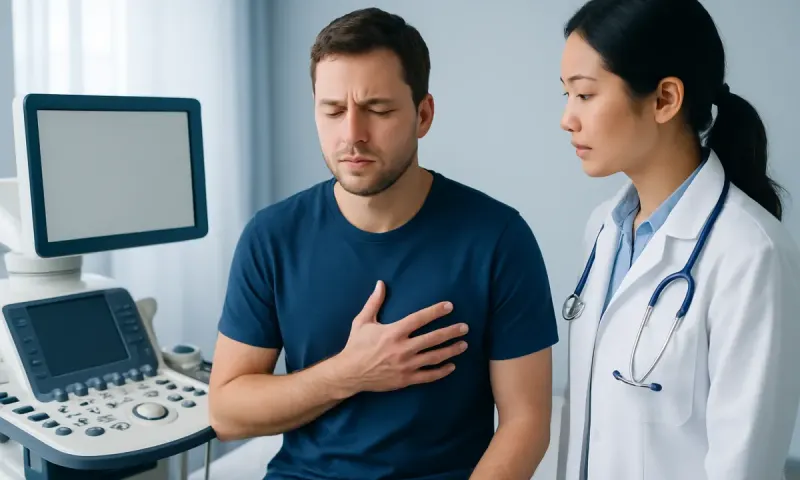
Does Laser Lipo Work for Small Areas of Fat?
Laser lipo may reduce small areas of stubborn subcutaneous fat in suitable candidates, particularly when combined with stable weight and healthy habits. It is a body-contouring treatment rather than a solution for obesity, deep abdominal fat, or significant loose skin.
Does Laser Lipo Work? An Overview
Does laser lipo work? For appropriately selected adults, laser-based body contouring can create a modest reduction in a small, localized pocket of subcutaneous fat. It is not a weight-loss procedure and does not treat deep visceral fat, generalized obesity, or major skin laxity.
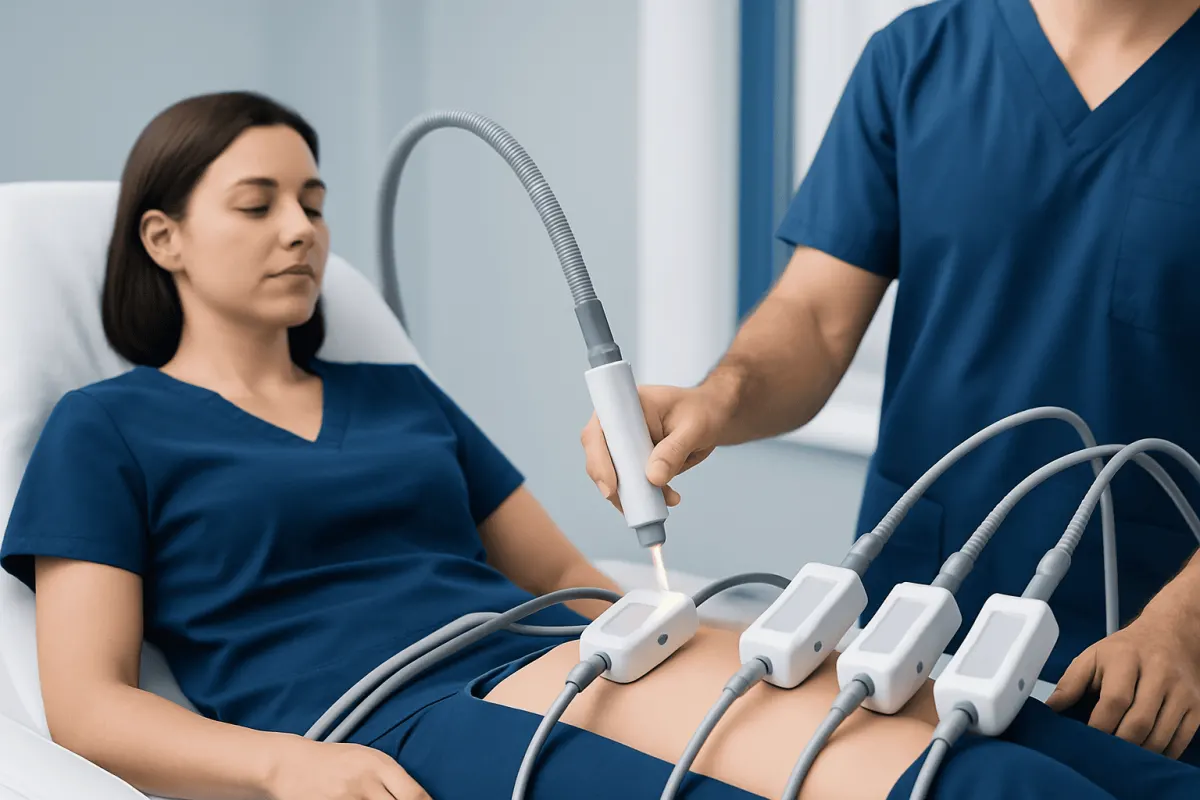
The term laser lipo can describe more than one treatment. Laser-assisted lipolysis uses a thin laser fiber beneath the skin and is minimally invasive, while non-invasive laser body contouring delivers energy through the skin without incisions. These approaches have different expected results, recovery periods, and risks. Personal stories found when searching phrases such as “does laser lipo work Reddit” may be useful for generating questions, but they cannot predict an individual result or replace advice from a qualified clinician.
How Laser Lipo Works and What Happens During Treatment
In laser-assisted lipolysis, laser energy is delivered into the fatty layer under the skin through a very small opening. The energy disrupts fat cells and may heat nearby tissue. Depending on the technique and the treatment area, loosened fat may be removed with gentle suction during the same procedure. The heat may also lead to limited collagen remodeling, which can slightly improve skin firmness in some people.
A typical treatment plan begins with a consultation, medical history review, examination of the treatment area, and discussion of realistic goals. During a minimally invasive procedure, the clinician marks the area, provides local anesthesia with or without sedation, makes a tiny incision, and places the laser fiber under the skin. A compression garment may be advised afterward to help manage swelling and support the healing tissues.
Non-invasive laser lipo works differently. A device is placed on the skin for scheduled treatment sessions, without needles or incisions. These treatments generally involve less downtime, but changes tend to be more gradual and modest than with laser-assisted fat removal. The exact technology, treatment duration, and follow-up plan depend on the device and the clinician’s assessment.
Who May Be a Candidate and What It Can Treat

Laser lipo is usually considered for adults who are near a stable, healthy weight and have a small area of fat that has not changed with diet and exercise. Good candidates generally have elastic skin, realistic expectations, and no medical condition that would make anesthesia, wound healing, or an elective procedure unsafe. It is important to disclose medications, smoking or nicotine use, previous surgery, bleeding concerns, and any history of poor scar healing.
Areas that may be considered include the abdomen, flanks, thighs, upper arms, back, and under the chin. People asking whether laser lipo works for a double chin or whether laser lipo works on arms may see contour improvement when the concern is a limited amount of pinchable fat and the skin can retract reasonably well. It does not work on visceral fat, which is the fat stored around internal abdominal organs and is better addressed through overall weight management and medical care when needed.
Laser lipo may not be the best choice for an apron belly, especially when excess hanging skin, substantial fat, or separated abdominal muscles are present. Questions about whether laser lipo works for loose skin also need careful assessment: mild laxity may improve slightly in some cases, but significant loose skin often requires a different surgical approach. For lipedema, specialized evaluation is essential; laser lipo is not a standard first-line treatment, and liposuction decisions should be made with clinicians experienced in lipedema care.
Does Laser Lipo Actually Work for Belly Fat?
Laser lipo can work for belly fat when the fat is mainly subcutaneous, meaning it lies just beneath the skin and can be grasped between the fingers. In this setting, laser-assisted lipolysis may reduce a localized bulge and improve the outline of the abdomen. It is most appropriate for contouring rather than for producing a dramatic change in body size.
It cannot remove visceral fat, which sits deeper inside the abdomen around the organs and is associated with cardiometabolic health risks. It also cannot reliably correct loose abdominal skin, stretch marks, a large apron belly, or abdominal muscle separation after pregnancy or weight changes. A clinician can help identify whether the main concern is superficial fat, deeper fat, skin laxity, muscle separation, or a combination of these factors.
How Many Laser Lipo Sessions Do I Need for My Stomach?
There is no single number of laser lipo sessions that is right for every stomach area. A minimally invasive laser-assisted procedure may be planned as one treatment, although the final result depends on the amount and distribution of fat, skin quality, and whether suction-assisted fat removal is performed. Follow-up appointments are needed to monitor healing and discuss whether further treatment is appropriate.
Non-invasive laser lipo generally involves a series of sessions because each treatment produces a more gradual effect. The number depends on the device, size of the area, response to treatment, and the provider’s protocol. A trustworthy consultation should explain the expected degree of change, the likelihood that more than one session may be needed, and alternatives if the desired result is not realistic with a non-invasive method.
What Is Safer, Laser Lipo or CoolSculpting?
Neither laser lipo nor CoolSculpting is universally safer; safety depends on the technique, the treatment area, the person’s health, and the experience of the treating clinician. CoolSculpting is a brand of cryolipolysis, a non-invasive treatment that cools targeted fat. Because it does not require incisions or anesthesia, it avoids surgical wound-related risks and usually has little downtime.
However, cryolipolysis can cause temporary redness, bruising, tenderness, numbness, and swelling. It also has a rare but important risk of paradoxical adipose hyperplasia, in which the treated fat becomes firmer and larger rather than shrinking. Laser-assisted lipolysis may offer more direct contour change, but it is invasive and can involve bleeding, infection, burns, fluid collection, contour irregularities, numbness, scarring, and anesthesia-related risks.
A clinician should review the benefits and limitations of both options rather than selecting a procedure based only on convenience or social media results. People with certain skin conditions, hernias, cold-related disorders, prior surgery, or substantial skin laxity may need a different approach altogether.
How Long Does It Take for Laser Lipo to Work?
After laser-assisted lipolysis, an early change in shape may be visible once swelling begins to settle, but the result develops gradually. Bruising and swelling can temporarily make the area appear fuller or uneven. Many people see a clearer contour over several weeks, while final tissue settling may take a few months.
With non-invasive laser lipo, changes are typically slower and may become noticeable only after a course of sessions and time for the body to process the treated fat. Results should be judged according to standardized photographs, measurements, and the clinician’s follow-up assessment rather than day-to-day appearance. Weight changes after treatment can also affect the treated and untreated areas.
Recovery, Benefits, Risks, and When to Seek Medical Care
Recovery after laser-assisted lipolysis varies by the area treated and the amount of fat addressed. Soreness, swelling, bruising, fluid drainage from small incisions, and temporary numbness may occur. Many people return to light activities relatively soon, but strenuous exercise, swimming, and activities that could disturb healing should be resumed only when the treating clinician advises it. Non-invasive treatments usually allow normal activity immediately, although temporary tenderness or numbness can still occur.
The potential benefit of laser lipo is a more refined contour in a focused area. Important risks include burns, infection, bleeding, delayed healing, fluid collection, scarring, skin color changes, uneven contour, and dissatisfaction with the cosmetic outcome. Choosing a qualified clinician and following aftercare instructions can reduce avoidable risks, but no procedure can guarantee a particular appearance.
When to seek medical care
Prompt medical advice is needed for increasing pain, rapidly worsening swelling, spreading redness, fever, pus-like drainage, persistent bleeding, shortness of breath, chest pain, or one-sided leg swelling after a procedure. These symptoms can have different causes and should not be managed through online advice alone. Less urgent concerns, such as persistent numbness, an uneven contour, or uncertainty about healing, should also be discussed with the treating team.
A thorough consultation helps determine whether laser lipo, another contouring option, or no procedure is the safest choice. Acıbadem Health Point’s multidisciplinary specialists at JCI-accredited hospitals assess and treat eligible international patients with individualized planning and follow-up.
Frequently asked questions
01Is laser lipo permanent?
Fat cells removed through laser-assisted lipolysis do not typically regenerate in the same way, but the remaining fat cells can enlarge with weight gain. New fat can also accumulate in untreated areas. Maintaining a stable weight supports longer-lasting contour results.
02Does laser lipo tighten skin?
The heat used in laser-assisted lipolysis may lead to a modest degree of skin tightening in some people. It is not a reliable replacement for skin-removal surgery when there is substantial loose or hanging skin. Skin elasticity, age, sun damage, and the amount of excess skin all affect the outcome.
03Does laser lipo work for a double chin?
Laser lipo may improve a double chin when the fullness is caused mainly by a small deposit of fat beneath the chin and the skin has good elasticity. It may be less effective if loose neck skin, a weak chin profile, or enlarged neck structures are the main cause. An in-person facial and neck assessment is needed before treatment.
04Does laser lipo work non-invasive?
Non-invasive laser body contouring may produce a subtle reduction in selected areas, but results are usually more gradual and less pronounced than minimally invasive laser-assisted lipolysis. It does not involve incisions or surgical recovery. The expected benefit depends greatly on the device, the number of sessions, and the person's anatomy.
05Does laser lipo work for lipedema?
Lipedema is a chronic condition involving abnormal, often painful fat distribution, most commonly in the legs and sometimes the arms. Laser lipo should not be assumed to treat lipedema, as it is not a standard first-line approach and evidence is limited. Assessment by clinicians experienced in lipedema is important because treatment may include compression, movement strategies, pain management, and carefully selected liposuction techniques.
06Is laser lipo the same as traditional liposuction?
No. Traditional liposuction removes fat using a cannula and suction, while laser-assisted lipolysis uses laser energy to disrupt fat before or alongside removal. Both are invasive procedures when performed beneath the skin, but their techniques, recovery needs, and suitability can differ. A board-qualified plastic surgeon can explain which option, if any, matches a person's goals and health needs.
This article is for general information only and is not a substitute for professional medical advice. Please consult a qualified doctor about your individual situation.
Medical weight-loss options in Turkey — costs & eligibility
JCI-accredited · board-certified surgeons · reply within 24h
Add us as a Preferred Source to see more of our trusted health content across Google Search, AI Overviews and Discover.