Does High Blood Pressure Make You Tired?

Key Takeaways
- High blood pressure often has no symptoms, so tiredness alone does not confirm it.
- Fatigue in someone with hypertension may come from medication, sleep apnea, stress, heart strain, or another medical problem.
- Very high blood pressure can sometimes cause headache, chest discomfort, shortness of breath, or blurred vision and needs prompt medical review.
- Diagnosis usually includes repeated blood pressure readings and, when needed, blood tests, heart tests, or sleep evaluation.
- Healthy lifestyle habits and prescribed treatment can support blood pressure control and energy levels.
Does high blood pressure make you tired? Sometimes it can, but tiredness is not a classic symptom of hypertension and often points to another issue such as sleep problems, stress, medication effects, or an underlying health condition. A careful check of blood pressure, overall health, and current medicines helps identify the real cause.
Overview
Does high blood pressure make you tired? Sometimes people with hypertension do report fatigue, but tiredness is not usually the main sign of the condition. In fact, many adults with high blood pressure feel completely well and do not realize anything is wrong until their readings are checked.
That is why persistent tiredness should not be assumed to come from blood pressure alone. It may reflect poor sleep, stress, anemia, thyroid problems, medication side effects, sleep apnea, dehydration, or a heart or kidney condition. Looking at the whole picture is the safest way to find the true reason.
For international patients, this often begins with a simple question: is the fatigue part of a blood pressure problem, or is blood pressure just one piece of a larger issue? A clear evaluation helps avoid unnecessary worry and guides care in the right direction.
Symptoms: When Fatigue Fits, and When It Does Not
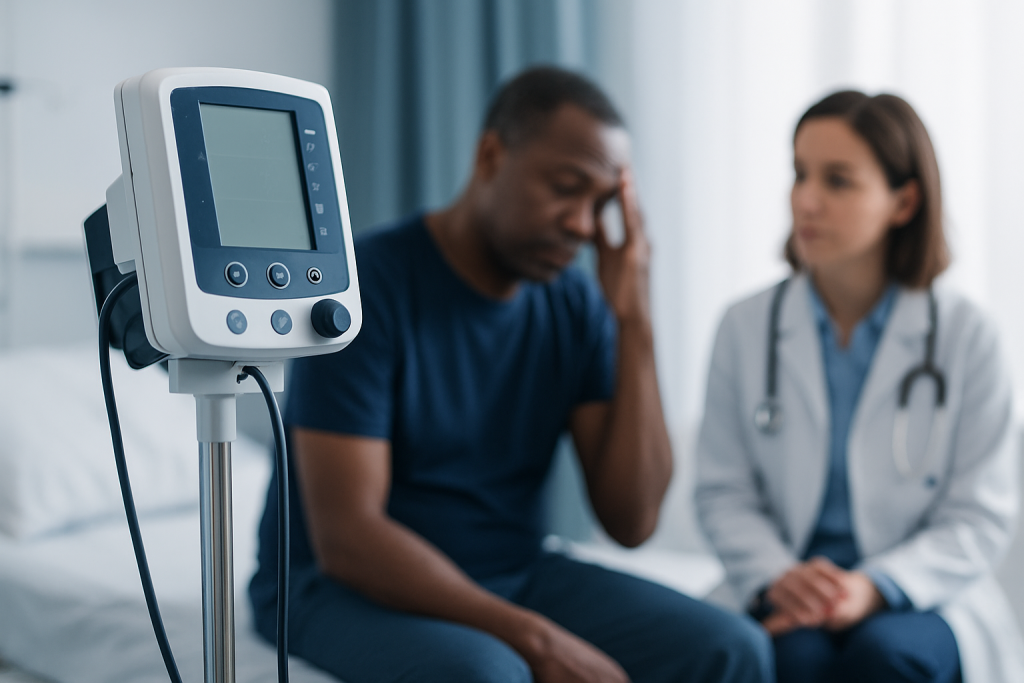
Fatigue linked to blood pressure is usually nonspecific. A person may feel unusually low on energy, heavy, slow, or less able to concentrate. These feelings can appear on their own, but more often they happen alongside another factor such as poor sleep, anxiety, or an added medical condition.
High blood pressure by itself often causes no symptoms at all. When symptoms do appear, they are more likely to be associated with very elevated readings or complications rather than mild hypertension. Warning signs that deserve medical attention include severe headache, chest pain, shortness of breath, confusion, vision changes, or weakness.
- Common fatigue-related clues: daytime sleepiness, reduced exercise tolerance, brain fog
- Possible associated symptoms: snoring, waking unrefreshed, palpitations, swelling
- More urgent symptoms: severe headache, chest discomfort, breathing difficulty, fainting
If tiredness comes and goes after a poor night’s sleep or during a stressful period, hypertension may not be the main explanation. If it is persistent, new, or paired with other changes, it should be assessed rather than guessed at.
Causes & Risk Factors

Tiredness in someone with high blood pressure can arise from the condition itself or from something related to it. One common example is obstructive sleep apnea, a sleep disorder that can both raise blood pressure and leave a person exhausted during the day. Poorly controlled blood pressure may also place extra strain on the heart, which can contribute to reduced stamina in some people.
Medications are another important consideration. Some blood pressure medicines can cause fatigue, especially when treatment is first started or adjusted. This does not mean the medicine is wrong; it may simply need review by a clinician to find the best fit.
Other causes that may overlap with hypertension include:
- Stress, anxiety, or low mood
- Thyroid disorders
- Iron deficiency or other types of anemia
- Diabetes
- Kidney disease
- Alcohol use, smoking, or a highly sedentary routine
Risk factors for hypertension itself include age, family history, excess weight, high salt intake, limited physical activity, chronic stress, and certain medical conditions. When several of these are present together, fatigue may have more than one explanation.
Diagnosis
Diagnosis starts with accurate blood pressure measurement, ideally more than once. A single reading is not enough to diagnose hypertension, because stress, pain, caffeine, and recent activity can temporarily raise numbers. Home monitoring or ambulatory blood pressure testing may be recommended to understand the pattern more clearly.
If fatigue is part of the story, the clinician may also ask detailed questions about sleep, snoring, mood, exercise, appetite, and medication use. This history matters because tiredness often points to a separate problem that needs attention alongside blood pressure control.
Depending on the situation, tests may include blood work to check for anemia, thyroid problems, diabetes, kidney function, or electrolyte changes. An electrocardiogram, echocardiogram, or sleep study may be suggested if there are signs of heart strain or sleep apnea. The goal is not only to confirm hypertension, but also to understand why the person feels unwell.
Treatment Options
Treatment depends on the cause of the fatigue and the blood pressure pattern. If the blood pressure is elevated, the care plan may include lifestyle changes, prescribed medication, or both. If a medicine seems to be contributing to tiredness, a doctor may consider adjusting the dose, timing, or drug choice rather than stopping treatment abruptly.
Lifestyle measures are often central to improving both blood pressure and energy. Regular movement, a heart-healthy eating pattern, reduced salt intake, better sleep habits, and limiting alcohol can all help. For some people, treating sleep apnea or another underlying condition leads to a noticeable improvement in fatigue.
When hypertension is severe or accompanied by complications, treatment may need to be more closely supervised. In those cases, the doctor may coordinate care across cardiology, sleep medicine, internal medicine, or other specialties so the person receives a complete plan rather than a narrow fix.
- Take prescribed medicines consistently
- Monitor blood pressure at home if advised
- Address sleep problems early
- Review all supplements and over-the-counter products with a clinician
Prevention & Self-care
Not every case of tiredness can be prevented, but many blood pressure-related problems can be reduced with steady habits. A practical approach is more effective than dramatic changes. Small, sustainable steps often bring the most reliable results over time.
Helpful self-care includes getting regular sleep, staying hydrated, choosing foods that support cardiovascular health, and keeping physical activity part of the week. Managing stress matters too, especially for people who notice blood pressure readings rise during demanding periods.
For travelers or international patients, it can help to bring a list of medicines, previous blood pressure readings, and any recent test results. That makes it easier for a new care team to see patterns, compare results across countries, and avoid repeating work that has already been done.
A few practical habits can support day-to-day control:
- Measure blood pressure at consistent times
- Sleep in a regular rhythm when possible
- Limit excess salt and ultra-processed foods
- Keep follow-up appointments even if symptoms improve
When to See a Doctor
Anyone with ongoing fatigue should speak with a doctor if the tiredness is new, persistent, or affecting daily life. This is especially important if the person already has hypertension, has recently changed medication, or notices that the fatigue is worse after starting treatment.
Medical review is also important if there are symptoms that suggest a more urgent issue, such as chest pain, shortness of breath, severe headache, fainting, confusion, or sudden vision changes. These symptoms do not mean a crisis is certain, but they do deserve prompt assessment.
People who are abroad, recovering after treatment, or navigating care between countries should not delay follow-up simply because the symptoms seem mild. Blood pressure problems are often manageable, and early evaluation usually makes the next step clearer and less stressful. At Acibadem Health Point, multidisciplinary specialists and JCI-accredited hospitals diagnose and treat hypertension for international patients in a coordinated, patient-centered way.
Living Well With Hypertension and Fatigue
When tiredness and high blood pressure appear together, the most useful mindset is curiosity rather than assumption. The cause may be straightforward, such as poor sleep or a medication effect, or it may be a clue to another condition that needs treatment. A structured medical review helps separate these possibilities.
People often feel more reassured once they understand that hypertension itself is frequently silent. That means blood pressure numbers, not symptoms alone, are the main way to track the condition. Fatigue is worth taking seriously, but it is not a reliable stand-alone sign of high blood pressure.
With the right evaluation, many patients find a clearer path forward: better blood pressure control, a more suitable treatment plan, and improved energy over time. The goal is not just to lower a reading, but to support day-to-day wellbeing.
Frequently asked questions
01Does high blood pressure make you tired?
Sometimes people with high blood pressure feel tired, but fatigue is not a classic or reliable symptom of hypertension. Many other issues, including poor sleep, medication side effects, and anemia, are more common causes.
02Can high blood pressure cause fatigue without other symptoms?
It can happen, but it is not typical. Because high blood pressure is often silent, fatigue alone should not be used to judge whether blood pressure is the cause.
03Why do blood pressure medicines sometimes make me feel tired?
Some medicines can cause tiredness, especially when treatment starts or doses change. A doctor can review the plan and decide whether timing or medication type should be adjusted.
04Could sleep apnea be related to both tiredness and high blood pressure?
Yes. Sleep apnea can leave a person exhausted during the day and also contribute to high blood pressure. It is worth discussing if snoring, gasping during sleep, or waking unrefreshed are present.
05How is the cause of tiredness checked in someone with hypertension?
The evaluation usually includes repeated blood pressure readings and a review of symptoms, medicines, sleep, and overall health. Blood tests or heart and sleep studies may be added if the doctor suspects another cause.
06When is tiredness with high blood pressure urgent?
It becomes more urgent if it occurs with chest pain, shortness of breath, severe headache, confusion, fainting, or vision changes. Those symptoms should be assessed promptly by a medical professional.
This article is for general information only and is not a substitute for professional medical advice. Please consult a qualified doctor about your individual situation.
Heart care in Turkey — expert evaluation and treatment
JCI-accredited · board-certified surgeons · reply within 24h
Add us as a Preferred Source to see more of our trusted health content across Google Search, AI Overviews and Discover.