Does Dying Hurt? Comfort and Symptom Relief at End of Life
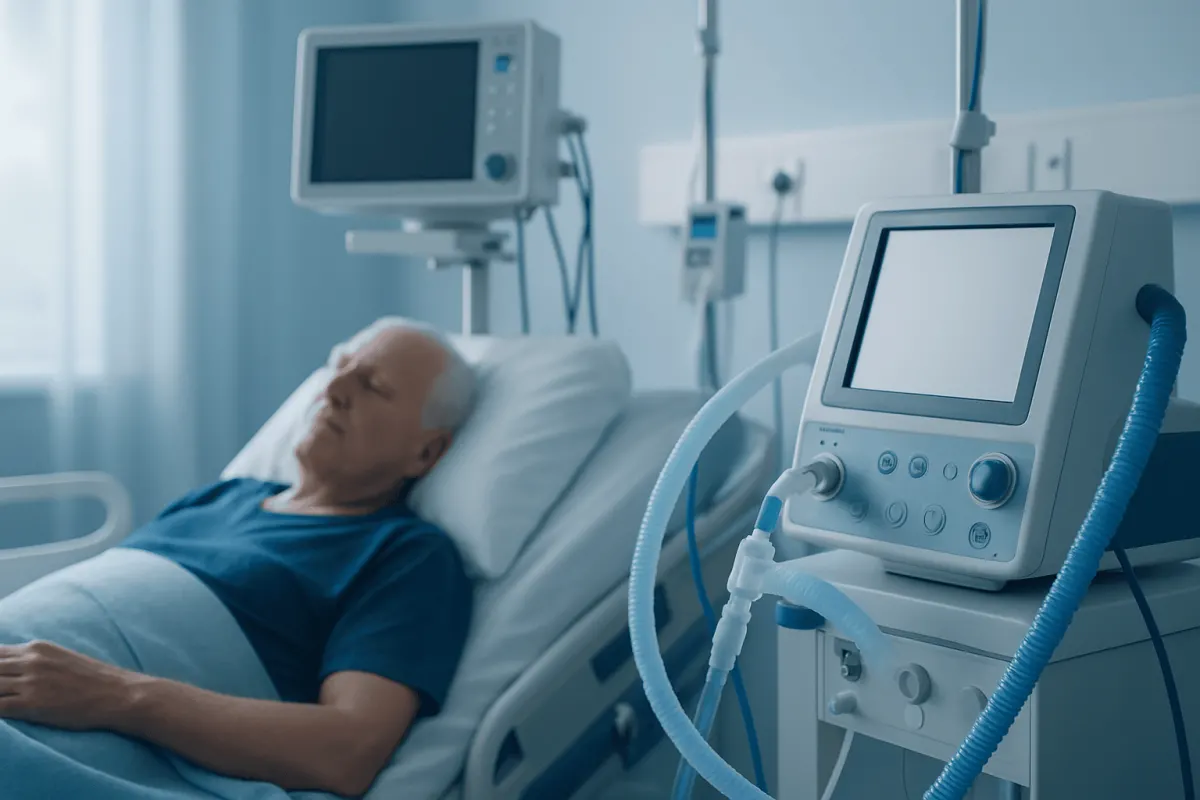
Dying does not have to hurt. Although some illnesses can cause pain or distressing symptoms, trained healthcare teams can usually assess and relieve discomfort while supporting the person and those close to them.
Does dying hurt?
Dying does not have to hurt. Many people who are nearing the end of life can be kept comfortable with careful symptom assessment, medicines, practical support, and palliative care. Thinking about whether dying hurts is also common, especially after a diagnosis, a bereavement, or a frightening health symptom, and this concern alone does not mean that a person is dying.
Some conditions may cause pain, shortness of breath, fatigue, nausea, anxiety, or confusion as they progress. These symptoms are not a sign that suffering is unavoidable. Doctors, nurses, and palliative care specialists can identify likely causes and adjust a comfort plan over time. The aim is to relieve distress, preserve dignity, and help the person remain as comfortable and alert as possible according to their wishes.
The experience of dying is individual. It depends on the underlying illness, the person’s general health, available care, and personal preferences. Family members may notice changes that look concerning, but many physical changes near death are part of the body gradually slowing down and are not necessarily painful for the person experiencing them.
What can people feel near the end of life?
Not everyone has the same symptoms, and no list can predict exactly what will happen. Pain may occur with some advanced cancers, severe injuries, bone disease, nerve problems, or certain long-term illnesses. It can often be eased with a combination of medicines and non-drug measures, such as repositioning, a quiet environment, massage when appropriate, and treatment of the condition causing the pain.
Breathlessness can feel frightening, even when oxygen levels are not dangerously low. Sitting upright, using cool airflow from a fan, calming reassurance, and prescribed medicines may help. Other symptoms that can be treated include dry mouth, constipation, nausea, cough, secretions in the throat, agitation, and difficulty sleeping. Care should be tailored rather than based on assumptions about what a person needs.
As a person becomes weaker, they may sleep more, speak less, eat and drink less, and spend less time awake. In the last hours or days, breathing may become irregular, hands and feet may feel cooler, and awareness may reduce. These changes can be difficult to witness, but reduced responsiveness often means the person is less aware of discomfort. Gentle speaking, familiar voices, and a calm presence may still be meaningful.
Why pain and distress may happen

Pain at the end of life is not caused by dying itself in every case. It may result from the illness or from a complication that deserves treatment. For example, tumors can press on nerves or organs, infections can cause fever and discomfort, immobility can lead to pressure injuries, and constipation or urinary retention can cause significant distress. Identifying the source is an important part of good care.
Emotional distress can increase the experience of physical symptoms. Fear, grief, uncertainty, loss of independence, and concern for loved ones may contribute to anxiety or restlessness. Existing depression, dementia, delirium, medication side effects, dehydration, or uncontrolled pain can also affect mood and behavior. New confusion should not automatically be accepted as an inevitable part of dying because some causes can be improved.
People with advanced heart, lung, kidney, liver, or neurological disease may have different symptom patterns from people with cancer. For instance, severe lung or heart disease may cause prominent breathlessness, while progressive neurological illness may affect swallowing or communication. A person-centered care plan considers the diagnosis, current symptoms, cultural and spiritual needs, and the person’s own goals for treatment.
How doctors assess comfort and possible causes
When someone has pain or distress, the clinical team begins by listening to the person whenever possible and to family or carers who know them well. They may ask where the pain is, what it feels like, when it began, what makes it better or worse, and how it affects sleep, movement, eating, and mood. For people who cannot communicate clearly, clinicians look for signs such as grimacing, guarding an area of the body, moaning, rapid breathing, or changes in behavior.
A focused examination may check for tenderness, swelling, infection, pressure damage, constipation, bladder problems, medication effects, or signs of delirium. Depending on the person’s situation and goals of care, doctors may recommend blood tests, urine testing, imaging, or other assessments. These tests are used when the results are likely to guide treatment and improve comfort, not simply to pursue investigations that would add burden without benefit.
It is helpful to tell the care team about all medicines, supplements, allergies, and previous reactions to pain relief. Families should also share any advance care plans, a designated healthcare decision-maker, and the person’s wishes about hospital treatment, resuscitation, or where they would prefer to receive care. Clear communication helps clinicians make recommendations aligned with the person’s priorities.
Comfort-focused treatment and palliative care
Palliative care is specialized medical care for people living with serious illness. It can begin at diagnosis and be provided alongside treatments intended to control or cure disease; it is not limited to the final days of life. The team may include doctors, nurses, pharmacists, psychologists, social workers, physiotherapists, chaplains, and other professionals who address physical symptoms as well as emotional, social, and spiritual concerns.
For pain, clinicians choose treatment based on the cause and severity. Options can include non-opioid pain medicines, opioid medicines when appropriate, medicines for nerve pain, anti-inflammatory treatment in selected cases, radiotherapy or procedures for specific disease-related pain, and practical measures such as supportive cushions or careful repositioning. Medication choices and routes may change if swallowing becomes difficult. The dose is individualized and monitored for benefit and side effects.
Comfort care also includes treating breathlessness, anxiety, nausea, constipation, and agitation. Good mouth care, skin care, continence support, and assistance with movement can make a major difference. Hospice services may provide this care at home, in a hospice facility, or in hospital, depending on local services and the person’s needs. The purpose is neither to hasten nor prolong dying, but to ease suffering and support quality of life.
Family members and carers need support as well. They can ask the team what changes to expect, whom to call outside normal hours, and how to provide safe comfort measures. It is appropriate to ask directly, “Is the person in pain?” and “What can be done now to make them more comfortable?”
When to seek medical care
Medical advice should be sought promptly if a person has new, severe, or rapidly worsening pain; sudden or marked difficulty breathing; chest pain; heavy bleeding; repeated vomiting; inability to pass urine; fever with severe weakness; or new confusion, agitation, or reduced consciousness. These symptoms may be treatable complications, even in someone with an advanced illness. If there is immediate danger, local emergency services should be contacted.
For a person already receiving end-of-life care, the hospice, palliative care team, or treating doctor should be contacted when comfort medicines are not working, symptoms change suddenly, or family members are unsure what to do. Early contact often allows problems to be addressed before they become more distressing. Keeping an up-to-date list of medicines and care-team telephone numbers in an accessible place can be useful.
Anyone who is asking about dying because they feel unable to cope, want to harm themselves, or do not feel safe should seek urgent help now. They should contact emergency services, a local crisis service, or a trusted person who can stay with them, and speak with a qualified mental health professional. Support is available, and these thoughts deserve compassionate, immediate care.
Planning ahead and supporting a loved one
Conversations about future care can be uncomfortable, but they often reduce uncertainty. A person may wish to discuss their values, acceptable treatments, preferred place of care, spiritual practices, and who should speak for them if they cannot make decisions. These discussions can take place with a primary doctor, specialist, palliative care clinician, and close family members before a crisis occurs.
Loved ones can support comfort by offering small sips of fluid only if the person can swallow safely, moistening the mouth and lips, adjusting pillows, reducing noise, and speaking calmly. They should avoid forcing food or drink when appetite naturally declines, as this can cause discomfort or choking. The care team can explain safe approaches to eating, drinking, and medicines when swallowing changes.
Grief, fear, exhaustion, and uncertainty are understandable for carers. Asking for respite, counseling, practical home support, or bereavement services is part of caring for the whole family. Acıbadem Health Point’s multidisciplinary specialists and JCI-accredited hospitals can assess serious illness symptoms and coordinate palliative and supportive care for international patients.
Frequently asked questions
01Is pain unavoidable when someone dies?
No. Some people have pain because of an underlying illness or complication, but pain is not inevitable and should not simply be accepted. Palliative care teams can assess the cause and use individualized treatments to improve comfort.
02Can a person hear their family in the final hours?
Awareness varies greatly, and it is not possible to know exactly what an unresponsive person can hear. Hearing may persist even when someone cannot respond, so calm, reassuring conversation and familiar voices can be comforting. Family members should also continue to follow guidance from the clinical team.
03Does morphine make death happen sooner?
When opioids such as morphine are prescribed carefully for pain or breathlessness, their purpose is symptom relief. Clinicians start with an appropriate individualized plan and monitor the person’s response. Concerns about drowsiness, confusion, or other side effects should be discussed with the prescribing clinician rather than stopping medicine suddenly.
04What are common signs that a person may be in their final days?
Common changes can include increasing sleep, reduced interest in food and drink, less communication, weakness, and changes in breathing. These signs can occur for other reasons too, and the timing is difficult to predict. A doctor or palliative care clinician can explain what the changes may mean in the individual situation.
05When should a family call the palliative care team?
They should call whenever pain, breathlessness, agitation, nausea, or other symptoms are not controlled, or when there is a sudden change in condition. They can also call when they need practical guidance or reassurance. Asking early is appropriate and can prevent unnecessary distress.
06What is the difference between palliative care and hospice care?
Palliative care can be provided at any stage of a serious illness, including while disease-directed treatment continues. Hospice care is generally focused on comfort when a person is thought to be approaching the end of life and treatment is no longer aimed at cure. The exact definitions and services vary by country and healthcare system.
This article is for general information only and is not a substitute for professional medical advice. Please consult a qualified doctor about your individual situation.
Persistent digestive symptoms? Get evaluated in Turkey
JCI-accredited · board-certified surgeons · reply within 24h
Add us as a Preferred Source to see more of our trusted health content across Google Search, AI Overviews and Discover.