Do You Need to Rest After a Cortisone Injection?
Most people do not need bed rest after a cortisone injection, but avoiding strenuous activity and heavy use of the treated area for 24 to 48 hours is commonly recommended. This short period of relative rest may help limit post-injection discomfort and allows the clinician to assess the response before normal activity resumes.
Overview: Do You Need to Rest After a Cortisone Injection?
Do you need to rest after a cortisone injection? In most cases, bed rest is not necessary, but clinicians commonly advise relative rest for about 24 to 48 hours. This usually means avoiding strenuous exercise, heavy lifting, repetitive movement, or high-impact activities involving the treated area while continuing gentle everyday movement as tolerated.
A cortisone injection is a local treatment used to reduce inflammation and ease pain in a joint, bursa, tendon sheath, or other inflamed tissue. It often contains a corticosteroid medicine, sometimes combined with a local anaesthetic. The appropriate recovery plan depends on where the injection was given, the condition being treated, and whether image guidance or a more specialised procedure was used.
The injection may support rehabilitation by making movement and prescribed exercises more comfortable. However, pain relief should not be viewed as proof that an injured structure has fully healed. A gradual return to activity and the treating clinician’s instructions remain important for protecting the affected area.
How Cortisone Injections Work and Who May Benefit
Corticosteroids are medicines that reduce inflammation. When injected near an inflamed structure, they can calm local immune activity, reduce swelling, and lessen pain. A local anaesthetic, if used, may provide short-term numbness or pain relief soon after the procedure, while the steroid itself works more gradually.
These injections may be considered for selected inflammatory or painful musculoskeletal problems when simpler measures have not provided enough relief. Examples include osteoarthritis-related joint inflammation, bursitis, some forms of tendinopathy, inflammatory arthritis, and certain spinal pain conditions. For related joint concerns, an assessment through orthopedic care can help identify whether an injection is appropriate within a broader treatment plan.
Candidacy is individual. A clinician considers the diagnosis, location of symptoms, imaging findings when needed, previous treatments, diabetes or blood-thinning medicines, immune status, allergies, pregnancy considerations, and any active infection. Injections are generally avoided through infected skin or when there is a suspected infection in or around the joint.
- They may be most useful when inflammation is a significant contributor to symptoms.
- They are not always suitable for pain caused mainly by major tissue rupture, instability, or advanced mechanical damage.
- Repeated injections into the same area are carefully considered because frequent steroid exposure may affect nearby tissues.
What Happens During the Procedure?

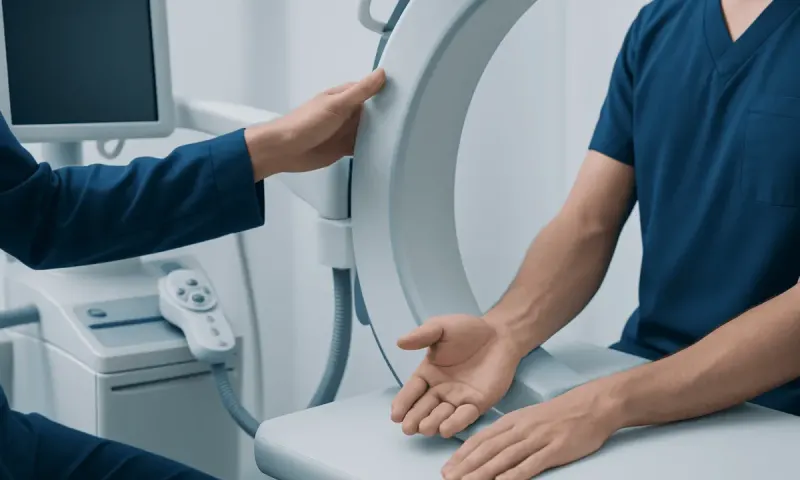
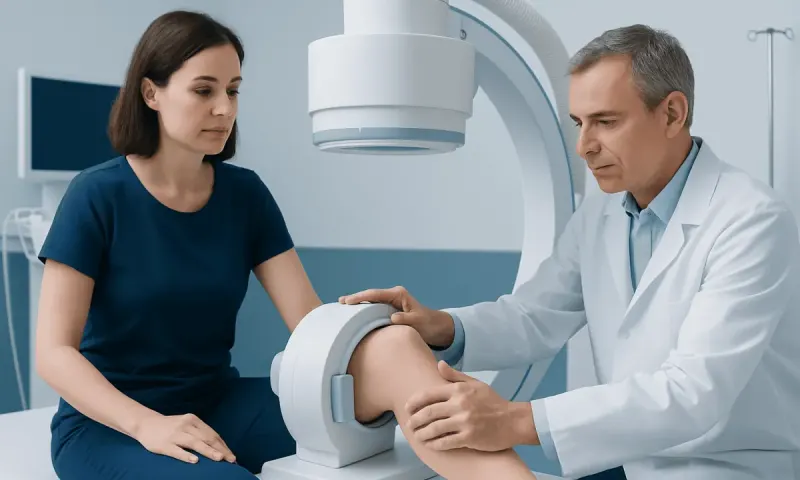
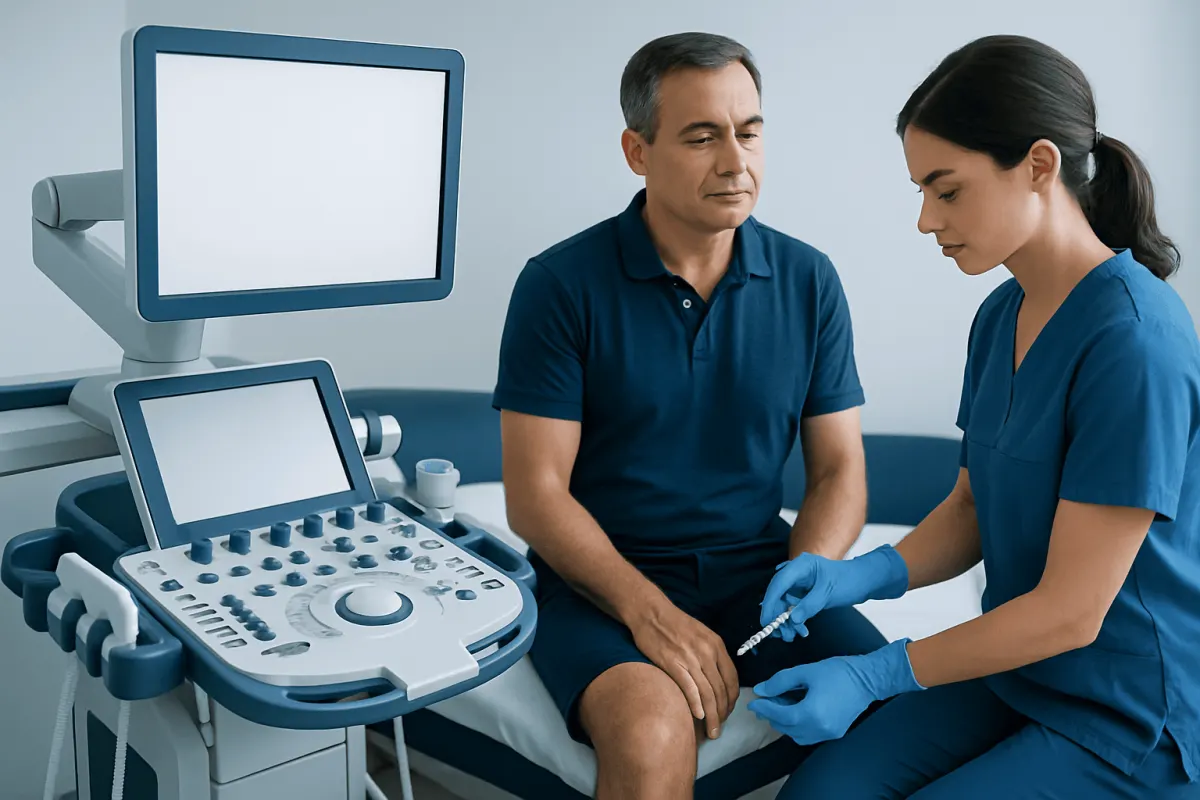
Before the injection, the clinician reviews symptoms, medical history, medicines, allergies, and the planned injection site. The skin is cleaned carefully, and a local anaesthetic may be used to numb the surface. Depending on the target area, the clinician may use ultrasound, fluoroscopy, or another imaging method to guide needle placement accurately.
Once the needle reaches the intended space, the medication is injected and the needle is removed. The procedure itself is usually brief. Some people feel pressure, a short sting, or temporary soreness, especially in a tight joint space or around an inflamed area.
Afterward, the area may be covered with a small dressing. Patients are often observed briefly and given instructions about driving, activity, icing, medicines, and symptoms that require medical advice. If a sedative has been used, which is uncommon for many routine injections, a person may need someone else to take them home.
Recovery Timeline and Expected Results
Immediately after an injection, a person may notice relief if local anaesthetic was included. This effect can wear off within hours, and the original pain may return temporarily before the corticosteroid begins to work. Mild tenderness at the injection site is common and often settles with simple measures such as a cool pack wrapped in cloth.
During the first 24 to 48 hours, relative rest is usually sensible. Gentle walking and ordinary daily activities may be acceptable if comfortable, but exercise, sports, heavy lifting, and demanding repetitive tasks should generally wait. For injections into a knee, hip, foot, shoulder, or tendon region, the clinician may give more specific limits based on the tissue involved.
Many people begin to notice steroid-related improvement within several days. The timing and degree of benefit vary substantially: some feel better quickly, while others need one to two weeks to judge the response. Relief can last for weeks or longer in some cases, but it may be shorter or incomplete when the underlying condition remains active.
A gradual return to movement, strengthening, or physiotherapy is often part of recovery. Rehabilitation can address flexibility, muscle control, load management, and everyday movement patterns rather than relying on injection treatment alone.
What Happens if You Don't Rest After a Cortisone Shot?
Not resting after a cortisone shot does not necessarily cause harm, and many people can continue light daily activities. However, returning immediately to intense exercise or repeatedly stressing the treated area may increase soreness and make it harder to tell whether the injection is helping. It can also be unwise to overload an area simply because the local anaesthetic has temporarily reduced pain.
For an injection near a tendon, bursa, or weight-bearing joint, early heavy activity may aggravate the irritated tissue. The precise risk depends on the diagnosis and injection site. This is why the clinician’s individual advice takes priority over general recovery guidance.
Relative rest is not the same as complete immobility. Unless specifically advised otherwise, gentle movement can help prevent stiffness and maintain normal function. People should restart exercise progressively and stop if pain, swelling, instability, or unusual symptoms develop.
How Long Does It Take for a Cortisone Shot to Be Fully Effective?
A cortisone shot may take several days to begin providing meaningful relief, and its full anti-inflammatory effect is often assessed after one to two weeks. The response depends on the steroid preparation, the site injected, the severity and cause of inflammation, and individual health factors.
Some people have a temporary increase in pain during the first 24 to 48 hours. This is sometimes called a cortisone flare and can occur as the injected material irritates tissue briefly. A clinician may recommend ice, rest, or appropriate over-the-counter pain relief when safe for the individual.
If symptoms have not improved after the expected timeframe, or if they worsen, follow-up is appropriate. The clinician may reconsider the diagnosis, discuss rehabilitation, arrange imaging, or recommend another treatment approach. For persistent symptoms related to osteoarthritis, long-term management commonly includes activity adjustments, exercise, weight management when relevant, and other treatments tailored to the joint involved.
Why Do I Feel So Good After a Cortisone Shot?
Feeling very good soon after a cortisone shot may be due to the local anaesthetic that is sometimes injected with the steroid. This medicine can numb the area for several hours, creating fast but temporary relief. The corticosteroid’s anti-inflammatory effect generally develops more slowly.
Reduced pain can make it easier to move a stiff joint or resume routine tasks. Although this can be encouraging, it is important not to interpret immediate comfort as complete healing. Pain is one useful signal, and the underlying condition may still require protected activity, rehabilitation, or further evaluation.
When pain relief persists, it may allow a person to participate more comfortably in a personalised exercise or physiotherapy programme. This can be particularly valuable when pain has limited sleep, mobility, or daily function, provided activity is increased at a safe pace.
What Shouldn't You Do After a Cortisone Shot? When to Seek Medical Care
After a cortisone shot, people should generally avoid strenuous exercise, high-impact sport, heavy lifting, and forceful or repetitive use of the treated area for at least 24 to 48 hours unless their clinician gives different instructions. They should also avoid soaking the injection site in a bath, hot tub, or swimming pool until any small puncture site has closed and the care team says it is appropriate. Keeping the area clean and following dressing instructions can reduce skin-related infection risk.
It is important to ask the treating clinician about medicines and blood sugar monitoring. Corticosteroid injections can temporarily raise blood glucose, especially in people with diabetes. People with diabetes should follow their usual monitoring plan and contact their diabetes clinician if readings are repeatedly higher than expected or difficult to manage.
Medical advice should be sought promptly for increasing redness, warmth, swelling, drainage, fever, chills, or severe and escalating pain at the injection site, as these may indicate infection. Urgent care is also appropriate for trouble breathing, facial swelling, widespread hives, new marked weakness, loss of bladder or bowel control after a spinal procedure, or other severe unexpected symptoms.
For international patients, Acıbadem Health Point’s multidisciplinary specialists and JCI-accredited hospitals can assess musculoskeletal conditions and provide coordinated injection, rehabilitation, and orthopedic care when appropriate.
Frequently asked questions
01Can I walk after a cortisone injection?
Most people can walk and perform light daily activities after a cortisone injection, provided the clinician has not advised otherwise. If the injection was given in a weight-bearing joint or near a tendon, walking may need to be limited initially. Pain, weakness, or instability should be discussed with the treating clinician.
02Can I exercise after a cortisone injection?
Strenuous exercise is commonly avoided for 24 to 48 hours after an injection, although the recommended timeframe can be longer for some locations or conditions. Gentle movement may be appropriate, but exercise should restart gradually. The treating clinician can provide the safest plan for the injection site and diagnosis.
03Is a cortisone flare normal?
A short-lived increase in pain after a cortisone injection can occur and is often called a cortisone flare. It commonly improves within one to two days. Severe pain or pain accompanied by fever, progressive redness, warmth, or swelling needs prompt medical assessment.
04How many cortisone injections can a person have?
There is no single number that is safe for every person or body part. Clinicians consider the condition, location, response to previous injections, and potential effects on cartilage, tendons, skin, and blood sugar. Repeated injections should be planned with a qualified clinician rather than scheduled automatically.
05Can a cortisone injection raise blood sugar?
Yes. Corticosteroid injections can cause a temporary rise in blood glucose, particularly in people with diabetes. A person with diabetes should ask in advance how often to check glucose after the injection and when to contact their usual diabetes care team.
06When should I call my doctor after a cortisone injection?
A person should contact their clinician for symptoms that are not improving as expected, pain that becomes severe, or questions about activity and medicines. Prompt medical attention is important for fever, increasing redness or swelling at the site, drainage, severe allergic symptoms, or new neurological symptoms after an injection near the spine.
This article is for general information only and is not a substitute for professional medical advice. Please consult a qualified doctor about your individual situation.
Joint and spine care in Turkey — expert assessment & treatment
JCI-accredited · board-certified surgeons · reply within 24h
Add us as a Preferred Source to see more of our trusted health content across Google Search, AI Overviews and Discover.