Do You Lose Weight During Pregnancy?

Key Takeaways
- A small amount of weight loss can happen in early pregnancy, especially if nausea or food aversions reduce intake.
- Ongoing weight loss is not something to ignore, particularly if it comes with vomiting, dehydration, or fatigue.
- Causes range from morning sickness and diet changes to medical conditions that need assessment.
- Prenatal care focuses on weight trends, hydration, nutrition, and overall wellbeing rather than a single number.
- A doctor should be contacted promptly if weight loss is rapid, persistent, or paired with warning signs such as dizziness or inability to keep fluids down.
Some people do lose weight during early pregnancy, most often because of nausea, vomiting, or changes in appetite. While a small, brief drop can happen, ongoing or significant weight loss should be discussed with a clinician to make sure both parent and baby are well supported.
Overview
The short answer to “do you lose weight during pregnancy?” is yes, some people do — especially in the first trimester. This is most often related to nausea, vomiting, food aversions, or simply eating less while the body is adjusting to pregnancy. For many, the change is temporary and the weight begins to stabilize once appetite returns.
Pregnancy weight patterns are not identical from one person to another. A clinician looks at the whole picture: the person’s pre-pregnancy weight, how far along the pregnancy is, whether there is vomiting or dehydration, and how the baby is growing. A small early drop may be acceptable in some situations, but persistent weight loss deserves medical review.
For Myomectomy Recovery: Healing Time, Activity Limits, and Fertility Planning" class="ahp-ilk">Myomectomy Recovery for International Patients: The Usual Travel Timeline" class="ahp-ilk">international patients seeking care, it can help to think of pregnancy weight as one part of a broader health check rather than a problem measured in isolation. Good obstetric care asks practical questions: Is the pregnant person able to eat? Can they keep fluids down? Are they gaining strength, or becoming more tired and lightheaded? Those details matter more than a single weigh-in.
Symptoms and What the Body May Be Signaling
Weight loss during pregnancy is often noticed alongside other symptoms rather than by itself. Nausea, vomiting, strong food smells, early fullness, heartburn, or a metallic taste can make eating difficult. Some people feel hungry but can only tolerate a narrow range of foods, which can still lead to a lower number on the scale.
There is a difference between mild early pregnancy discomfort and a pattern that suggests the body is struggling. Warning signs can include repeated vomiting, inability to keep food or fluids down, weakness, dizziness, dark urine, dry mouth, or a feeling of faintness. These may point to dehydration or a more severe form of pregnancy-related vomiting.
It is also possible for weight loss to reflect a separate issue, such as thyroid disease, gastrointestinal illness, uncontrolled diabetes, or significant stress. Because pregnancy changes the body in many ways, new symptoms should be interpreted with care rather than assumption.
- Common, often temporary: morning sickness, taste changes, food aversions
- Concerning if persistent: vomiting after most meals, dehydration, ongoing inability to eat
- Needs prompt assessment: dizziness, fainting, blood in vomit, severe abdominal pain, fever
Causes and Risk Factors

The most frequent reason for losing weight early in pregnancy is reduced intake from nausea and vomiting. This is often called morning sickness, although it can happen at any time of day. In some pregnancies, the symptoms are mild; in others, they are intense enough to make regular meals difficult.
Several factors can make weight loss more likely. Carrying twins or multiples, having a history of severe nausea in a prior pregnancy, being very sensitive to smells, or having a pre-existing digestive condition can all contribute. Emotional strain, travel across time zones, and changes in routine may also make eating patterns less predictable, especially for patients who are trying to manage pregnancy while away from home.
In some cases, weight loss is linked to a medical condition rather than pregnancy itself. Thyroid disorders, diabetes, infections, eating disorders, and certain medications can affect appetite and weight. A careful history helps the doctor determine whether the loss is expected, temporary, or a sign that treatment is needed.
How Doctors Evaluate Weight Loss in Pregnancy
Assessment usually begins with questions about timing, appetite, nausea, vomiting, hydration, and any other symptoms. The clinician may ask how much weight has changed, how quickly it changed, and whether the person can tolerate fluids. This helps distinguish normal early variation from a pattern that may need intervention.
Physical examination may include checking blood pressure, pulse, hydration status, and abdominal growth. Depending on the situation, blood tests or urine tests may be ordered to look for dehydration, electrolyte imbalance, thyroid problems, infection, or ketones, which can appear when the body is not getting enough nutrition.
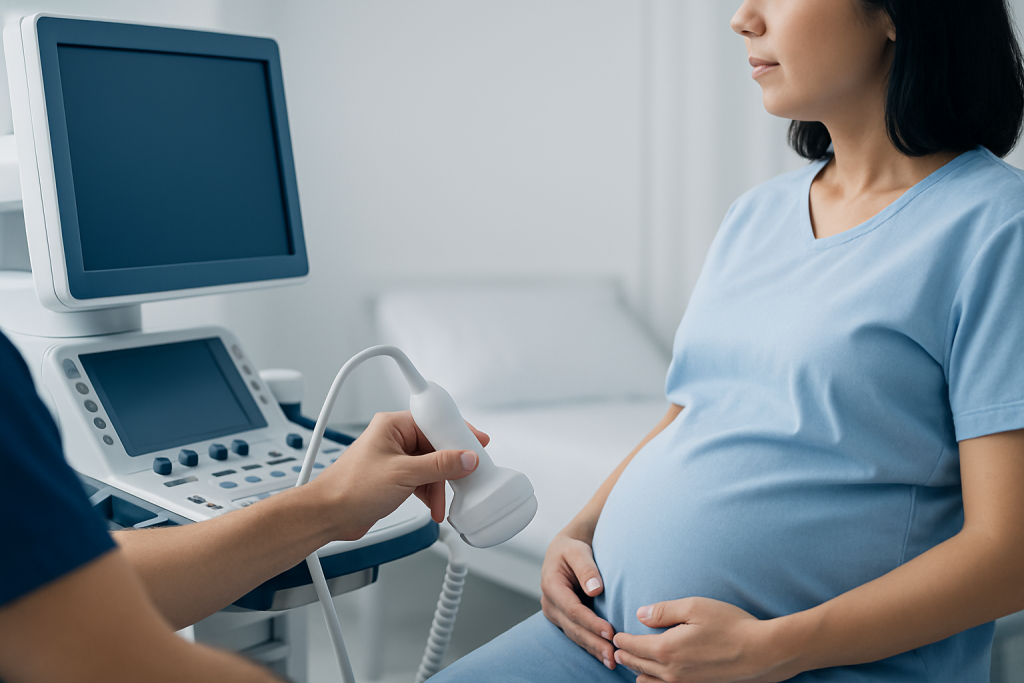
Ultrasound or other pregnancy monitoring may be recommended if there are concerns about fetal growth, especially later in pregnancy. The goal is not to focus only on weight, but to understand whether the pregnancy is progressing well and whether the parent needs support with nutrition or symptom control.
Treatment Options
Treatment depends on the cause and severity of the weight loss. For mild nausea, clinicians often suggest practical dietary adjustments: smaller meals, bland foods, eating before hunger becomes intense, and choosing fluids that are easier to tolerate. Some patients benefit from vitamins or anti-nausea medicines recommended by their obstetrician.
If vomiting is frequent or dehydration is developing, medical treatment may need to become more active. This can include oral rehydration, IV fluids, and closer follow-up. The aim is to restore comfort and hydration while keeping pregnancy care safe and coordinated.
When a separate medical problem is identified, treatment addresses that condition as well. For example, thyroid disease, gastrointestinal illness, or uncontrolled diabetes may require specialist care. In more complex cases, especially for patients traveling from abroad, a multidisciplinary team can coordinate obstetrics, nutrition, internal medicine, and fetal monitoring so the care plan is clear and consistent.
- Nutrition support and individualized meal planning
- Anti-nausea treatment when appropriate
- Hydration support, including IV fluids if needed
- Treatment of underlying medical conditions
- Fetal growth checks when clinically indicated
Prevention and Self-care
Not every case of pregnancy-related weight loss can be prevented, but many people feel better with simple routines. Eating small amounts more often can be easier than three large meals, especially in the first trimester. Dry crackers, toast, fruit, yogurt, soups, or other tolerated foods may be useful starting points.
Hydration matters just as much as calories. Some people do better with cold drinks, ice chips, or sipping fluids between meals rather than during them. Rest, ventilation, and avoiding strong food odors may also reduce nausea.
Self-care should stay flexible and realistic. Pregnant people do not need to force a perfect diet on difficult days; they need enough support to stay nourished and hydrated. Prenatal vitamins are commonly recommended, but if they worsen nausea, the prescribing clinician can help adjust the plan.
- Choose small, frequent meals instead of long gaps without food
- Keep easy-to-tolerate snacks nearby
- Drink fluids in small sips throughout the day
- Track weight trends only as advised by the prenatal team
- Tell the doctor early if nausea is limiting food or fluid intake
When to See a Doctor
A doctor should be contacted if weight loss continues beyond the early weeks, if vomiting is frequent, or if eating and drinking are becoming difficult. This is especially important if the person feels weak, dizzy, short of breath, or unable to carry out normal activities. Early assessment can prevent dehydration and help protect maternal and fetal health.
Immediate medical advice is appropriate if there is severe abdominal pain, fever, fainting, blood in vomit, signs of dehydration, or very little urination. Any concern that the baby is not moving normally later in pregnancy also deserves prompt review. These symptoms do not always mean something serious, but they should be checked without delay.
Pregnancy care is often more reassuring when it is organized and consistent, particularly for patients receiving treatment far from home. Acibadem Health Point’s multidisciplinary specialists and JCI-accredited hospitals diagnose and treat this condition for international patients, with follow-up designed to fit the pregnancy plan and the patient’s travel needs.
Frequently asked questions
01Do you lose weight during pregnancy in the first trimester?
Yes, some people do. Early pregnancy nausea, vomiting, and food aversions can reduce intake enough to cause a small weight drop. If the loss is ongoing or you cannot keep fluids down, it should be checked by a doctor.
02Is weight loss during pregnancy always dangerous?
No, not always. A brief, mild loss early on can happen, especially with morning sickness. Persistent or significant loss is more concerning and should be assessed.
03How much weight loss is normal in pregnancy?
There is no single normal amount that fits everyone. Doctors look at the person’s starting weight, how quickly the loss happened, symptoms, and whether the baby is growing well. Any unexplained or continuing weight loss should be discussed with a clinician.
04Can nausea make you lose weight while pregnant?
Yes. Nausea can make it hard to eat enough, and vomiting can lead to both calorie and fluid loss. If nausea is severe, treatment may be needed to prevent dehydration and help with nutrition.
05What should someone eat if pregnancy symptoms are causing weight loss?
Small, frequent meals with foods that are easy to tolerate are often helpful. Bland options, soups, yogurt, fruit, toast, and snacks between meals may be easier than large portions. A doctor or dietitian can help tailor advice if food intake is limited.
06When should a pregnant person seek urgent help for weight loss?
Urgent care is needed if there is severe vomiting, signs of dehydration, fainting, blood in vomit, severe pain, fever, or inability to keep fluids down. These symptoms need prompt medical assessment, even if they seem to come and go.
This article is for general information only and is not a substitute for professional medical advice. Please consult a qualified doctor about your individual situation.
Medical weight-loss options in Turkey — costs & eligibility
JCI-accredited · board-certified surgeons · reply within 24h
Add us as a Preferred Source to see more of our trusted health content across Google Search, AI Overviews and Discover.