Do I Have ADHD? How Diagnosis Is Assessed
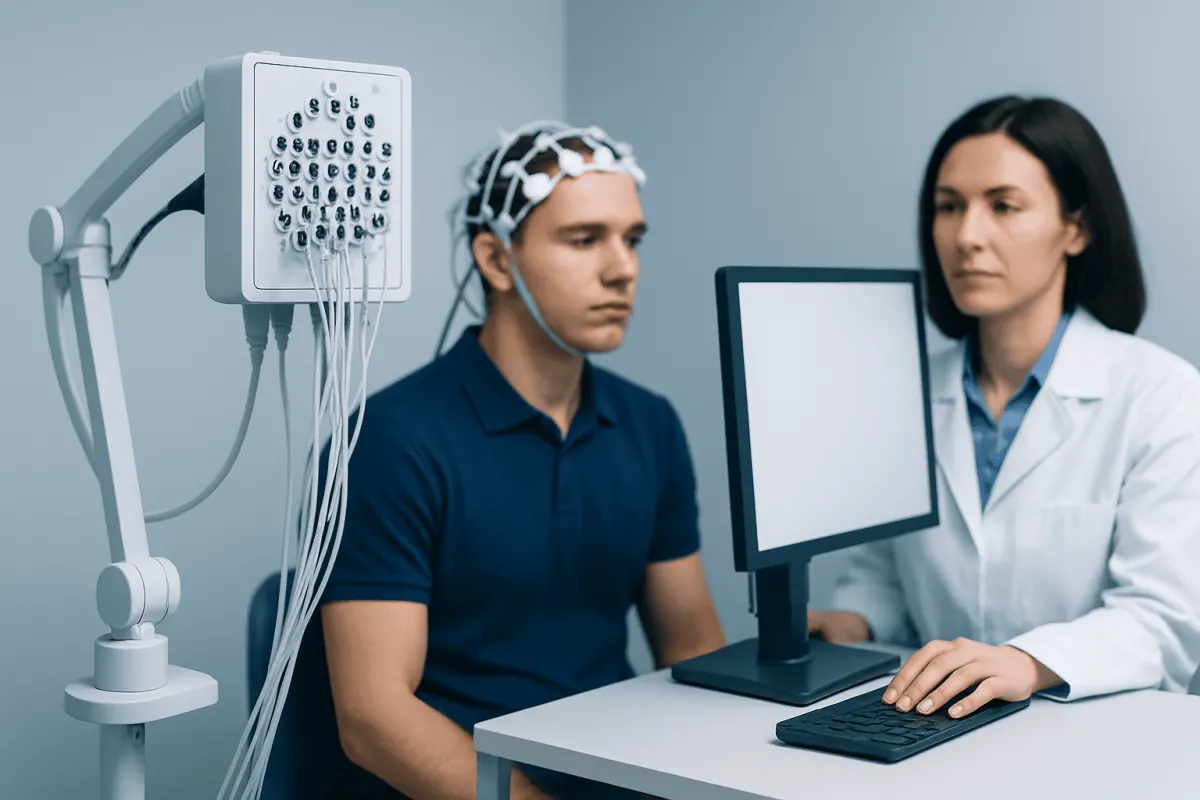
A “test do I have ADHD” search usually leads to a clinical ADHD assessment, not one stand-alone laboratory or online test. A qualified clinician combines symptom history, rating scales, daily-life impact and screening for other conditions to decide whether ADHD is the most likely explanation.
Overview: Can a Test Tell if Someone Has ADHD?
For someone asking, “test do I have ADHD?”, the most accurate answer is that ADHD is diagnosed through a structured clinical assessment rather than a single test. A doctor or qualified mental health professional reviews current concerns, symptoms over time and the effect they have on school, work, relationships and everyday responsibilities. Online questionnaires may help a person recognize symptoms worth discussing, but they cannot provide a diagnosis.
Attention-deficit/hyperactivity disorder (ADHD) is a neurodevelopmental condition involving ongoing patterns of inattention, hyperactivity and/or impulsivity. Symptoms may look different from one person to another and can change with age. Some people mainly experience distractibility and disorganization, while others also have noticeable restlessness or impulsive behavior.
A careful assessment is valuable because sleep problems, anxiety, depression, trauma, substance use, medication effects, learning differences and some medical conditions can cause symptoms that overlap with ADHD. Identifying the full picture helps the clinician recommend appropriate support rather than relying on a score from one screening tool.
What Happens During ADHD Testing?
ADHD testing often begins with an appointment to discuss the person’s main difficulties. The clinician may ask about attention, planning, forgetfulness, restlessness, decision-making, emotional regulation and the situations where symptoms are most disruptive. They will also ask when symptoms began, because ADHD symptoms usually start in childhood, even when the condition is only recognized later in life.
The assessment commonly includes standardized rating scales or questionnaires. For children, parents and teachers may complete forms describing behavior in home and school settings. Adults may complete self-report forms, and the clinician may seek information from a partner, parent or other person who knows the individual well, with permission.
A clinician may also review school reports, work history, previous assessments, physical health, medications and family history. Some assessments include cognitive or neuropsychological testing when learning, memory, language or processing concerns need further clarification. These tests can describe strengths and challenges, but they are not a stand-alone diagnostic test for ADHD.
There is no routine blood test or brain scan that confirms ADHD. A physical examination or targeted medical tests may be recommended if the history suggests another health concern contributing to symptoms.
How Long After ADHD Testing Do You Get Results?

Results may be discussed at the end of the assessment when the clinician has enough information, but many people receive a full interpretation at a follow-up appointment. The timeline depends on whether questionnaires need to be returned, records need reviewing, interviews with family or teachers are needed, or additional cognitive testing is arranged.
A straightforward assessment may be completed over one or more visits. A more detailed evaluation can take longer because the clinician needs time to score rating scales, compare reports from different settings and consider possible overlapping conditions. It is reasonable to ask at the first appointment when results are likely to be available and how they will be shared.
The final feedback should explain whether the person meets diagnostic criteria, which symptoms are present, how much they affect daily functioning and whether other concerns also need attention. It should also provide a practical plan for next steps, even if ADHD is not diagnosed.
How Do I Read My ADHD Test Results?
ADHD test results are best read with the clinician who ordered the assessment. Questionnaires usually compare reported symptoms with validated thresholds for a particular age group, but the score is only one part of the evaluation. A clinician considers whether symptoms are persistent, occur in more than one setting, began during childhood and cause meaningful impairment.
Reports may describe symptoms as predominantly inattentive, predominantly hyperactive-impulsive, or combined presentation. They may also note concerns such as anxiety, low mood, sleep disturbance, learning difficulties or autism traits. These findings do not automatically mean a person has more than one diagnosis; they help guide further discussion and care.
When reading a report, it can be helpful to focus on the summary and recommendations. Useful questions include: Which findings support or do not support ADHD? Are there other explanations for the symptoms? What accommodations, strategies or treatment options could help? A score should never be interpreted alone or used to self-diagnose.
What Is a High Score on an ADHD Test?
There is no universal “high score” for ADHD because different rating scales use different questions, scoring systems and age-based reference ranges. Some tools report a raw score, while others report percentile ranks or standardized scores. A result above a screening cutoff may indicate that further clinical assessment is appropriate, but it does not prove ADHD.
For diagnosis, clinicians look beyond the number. They consider the type of symptoms reported, the consistency of symptoms across settings, the level of day-to-day difficulty and whether another condition could better explain the concerns. A person can have a high questionnaire score without ADHD, and someone with lower scores may still need support for real attention or organization difficulties.
Scores are also influenced by who completes the form and what is happening at the time. Stress, lack of sleep, major life changes or mood symptoms can affect responses. For these reasons, a professional interpretation is essential.
What Is the ADHD Walk?
“ADHD walk” is an informal term used online to describe a person’s way of walking, such as walking quickly, changing direction, pacing, seeming restless or moving with a distinctive rhythm. It is not a recognized medical sign and is not part of diagnostic criteria for ADHD.
Some people with ADHD experience physical restlessness or a need to move, which may lead to pacing, fidgeting or frequent movement. However, walking patterns vary greatly among individuals and can be affected by personality, fitness, pain, neurological conditions, medications and the environment.
A clinician would not diagnose ADHD by observing how someone walks. If a new or persistent change in walking, balance, weakness, tremor or coordination is present, it should be discussed with a healthcare professional because it may need separate assessment.
After the Assessment: Support and Treatment Options
If ADHD is diagnosed, care is individualized according to age, symptoms, medical history, daily responsibilities and personal goals. Education about ADHD is often an important first step. Practical strategies may include using calendars and reminders, breaking large tasks into smaller steps, reducing distractions, establishing consistent routines and seeking school or workplace accommodations where appropriate.
Behavioral therapy, coaching approaches and psychological support can help build organization, planning and emotional regulation skills. For children, parent training and coordinated school support may be recommended. Medication may be an option for some people and should be considered with a qualified clinician who can discuss expected benefits, possible side effects and follow-up needs.
Healthy routines can support overall wellbeing but do not replace assessment or treatment. Regular sleep, physical activity, balanced meals and addressing anxiety or low mood can make attention and self-management easier for many people. More information about the condition is available in ADHD information.
Acıbadem Health Point’s multidisciplinary specialists and JCI-accredited hospitals can assess and treat ADHD-related concerns for international patients, with care plans based on the individual’s clinical needs.
When to Seek Medical Care
A person should consider arranging an assessment when attention, impulsivity, restlessness or disorganization consistently affects learning, work, safety, relationships or self-confidence. It is especially helpful to seek care when these difficulties have been present since childhood or when they continue despite practical changes to routine and environment.
Parents or caregivers may wish to speak with a pediatrician or qualified child mental health professional if a child is regularly struggling at school, has frequent behavior concerns, finds it difficult to follow routines or is distressed by social or academic challenges. Teachers can provide useful observations, but they do not make the diagnosis.
Prompt medical advice is important if concentration or behavior changes begin suddenly, occur with severe mood changes, substance use, confusion, fainting, new weakness or significant changes in sleep. Urgent help should be sought for thoughts of self-harm, suicidal thoughts, immediate danger or a mental health crisis through local emergency services or crisis support.
Frequently asked questions
01Can an online ADHD test diagnose ADHD?
No. Online quizzes and screening tools can highlight symptoms that may be worth discussing with a clinician, but they cannot diagnose ADHD. A diagnosis requires a full assessment of symptoms, their history, their impact and other possible explanations.
02Do adults need evidence of childhood symptoms for an ADHD diagnosis?
ADHD is a neurodevelopmental condition, so clinicians look for evidence that symptoms were present during childhood. Adults may not remember every detail, so old school reports or information from family members can be helpful when available. The clinician considers all available information rather than relying on one record.
03How long does an ADHD assessment take?
The appointment length and number of visits vary. Some assessments can be completed in one extended consultation, while others require questionnaires, collateral information or additional testing over several appointments. The clinic can explain its usual process before booking.
04Does a high ADHD questionnaire score mean I have ADHD?
Not necessarily. A high score indicates that reported symptoms may be clinically important and should be interpreted by a qualified professional. Diagnosis also depends on symptom duration, onset, impact across settings and whether another condition may be contributing.
05Can ADHD testing find anxiety or depression too?
An ADHD assessment often includes screening for anxiety, depression, sleep problems and other conditions that can overlap with attention difficulties. Further assessment may be advised if these concerns are identified. This helps ensure the care plan addresses the person’s complete needs.
06What should I bring to an ADHD assessment?
It can help to bring a list of symptoms and examples of how they affect daily life, along with past school or medical records if available. Details about current medications, sleep, mental health and family history may also be useful. Parents may be asked to bring school feedback for a child’s assessment.
This article is for general information only and is not a substitute for professional medical advice. Please consult a qualified doctor about your individual situation.
Oncology care in Turkey — second opinion and treatment plan
JCI-accredited · board-certified surgeons · reply within 24h
Add us as a Preferred Source to see more of our trusted health content across Google Search, AI Overviews and Discover.