Do Cancer Lumps Hurt? Signs, Testing, and Outlook
Cancer lumps can hurt, but many do not. Because pain, firmness, size, and location cannot reliably determine whether a lump is cancerous, any new, persistent, growing, or otherwise unusual lump should be assessed by a qualified clinician.
Do cancer lumps hurt?
Cancer lumps may hurt, but they are often painless, especially early on. Pain is not a dependable way to tell whether a lump is cancerous: benign problems such as infections, inflamed cysts, injuries, and hormonal breast changes can be tender, while some cancers cause no discomfort at all.
A lump may become painful if it grows into or presses on nearby nerves, muscles, skin, or other tissues. Pain can also result from inflammation, ulceration of the skin, or a blockage caused by a growth. These possibilities are not specific to cancer, which is why a clinician should evaluate a lump based on its full pattern rather than pain alone.
Many lumps are not cancer. Common non-cancerous causes include swollen lymph nodes during an infection, fatty lumps called lipomas, cysts, benign breast changes, enlarged salivary glands, and skin conditions. Still, a new lump that does not settle, changes over time, or feels concerning deserves medical attention.
What can a cancerous lump feel like?
There is no single feel that confirms cancer. Some cancerous lumps are firm, irregular in shape, less mobile than surrounding tissue, or gradually increasing in size. Others may be smooth, soft, movable, or painful. For this reason, self-examination can help a person notice a change, but it cannot provide a diagnosis.
Clinicians consider the lump’s location, duration, rate of change, and associated symptoms. They also ask about recent infection or injury, family history, smoking, previous cancer, medications, and age. A physical examination may include checking nearby lymph nodes and the skin over the area.
Changes around a lump can be important. These may include persistent skin dimpling, redness without a clear infection, a sore that does not heal, nipple changes or discharge, unexplained bleeding, or new difficulty swallowing or breathing. Such symptoms have many possible causes, but should not be ignored.
- A lump that remains present for several weeks should be assessed.
- Rapid growth, increasing firmness, or fixation to deeper tissue merits prompt review.
- Persistent enlarged lymph nodes, particularly without a recent infection, should be evaluated.
Do cancer lumps hurt when pressed?

Some cancer lumps can be painful when pressed, but tenderness with pressure does not prove cancer. Lumps caused by inflammation, infection, bruising, cysts, or hormonal changes are often more likely to hurt when touched. Conversely, many cancerous growths do not cause tenderness with pressure.
Repeatedly pressing or squeezing a lump is unlikely to clarify its cause and may irritate sensitive tissue. It is more useful to note when the lump was first noticed, whether it is changing, and whether there are related symptoms such as fever, skin changes, discharge, or unexplained weight loss.
If a person finds a breast, neck, armpit, groin, testicular, skin, or soft-tissue lump, a healthcare professional can decide whether observation, imaging, laboratory tests, or tissue sampling is appropriate. Urgent assessment is particularly important for a rapidly enlarging lump, a hard lump that seems attached to nearby tissue, or a lump associated with concerning symptoms.
Where do most cancerous lumps appear?
Cancerous lumps can develop in many parts of the body, but they are often noticed where tissue is close to the surface or where lymph nodes can be felt. Common sites include the breast, neck, armpit, groin, testicle, skin, mouth, and soft tissues of the arms or legs. A lump may represent a cancer that began in that tissue or an enlarged lymph node related to cancer elsewhere.
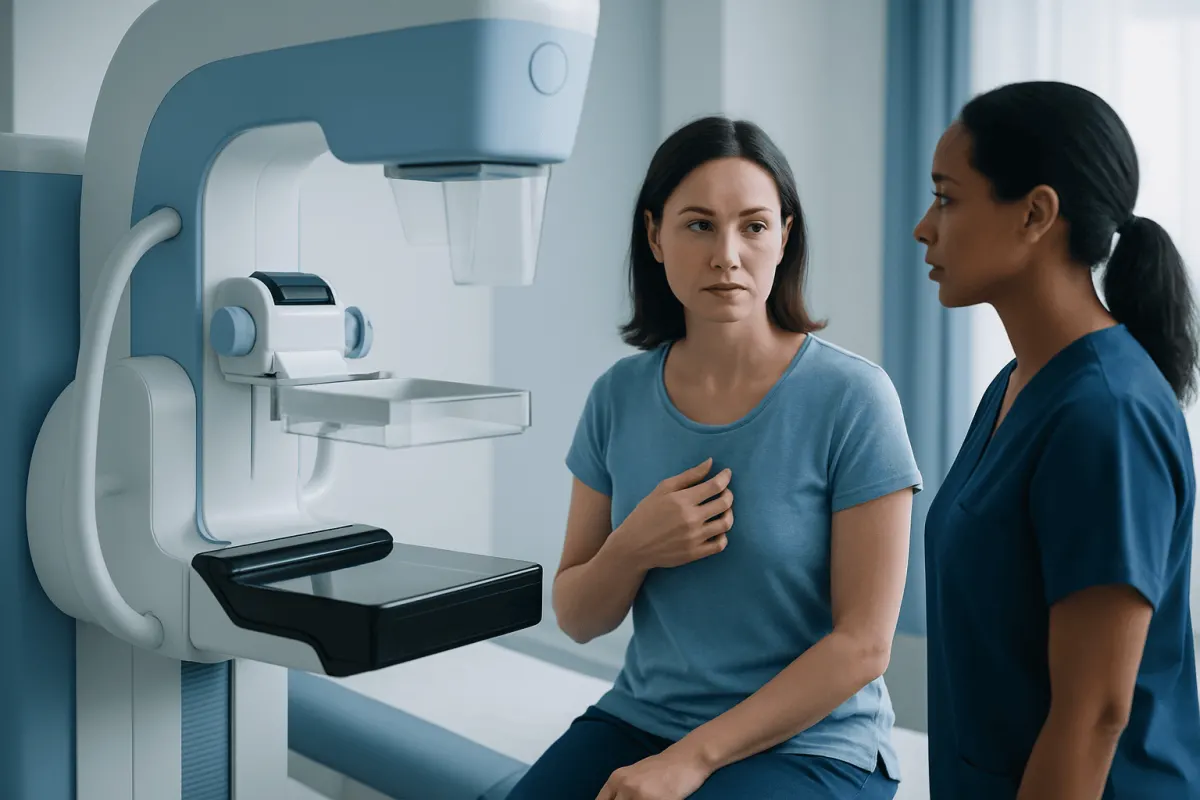
Breast lumps are among the most commonly recognized concerns, although most breast changes are not cancer. A new breast or underarm lump, change in breast shape, skin dimpling, nipple inversion, or unusual nipple discharge should be discussed with a clinician. For more information about the condition and evaluation process, see breast cancer.
Lumps in the neck are often related to infections, thyroid conditions, or salivary gland problems. In adults, however, a persistent neck lump needs assessment, particularly when it lasts more than a few weeks or occurs with hoarseness, swallowing difficulty, or unexplained weight loss. A lump in the testicle should also be examined promptly, even if it is painless.
Do cancerous lumps go up and down in size?
Cancerous lumps more often persist and gradually grow than repeatedly shrink and return, but this is not an absolute rule. Their size can sometimes appear to vary because of swelling in nearby tissue, inflammation, bleeding within a tumor, hormonal changes, or differences in how the area is felt from day to day.
Lumps that commonly fluctuate include lymph nodes reacting to infection, breast changes linked with the menstrual cycle, cysts, and some skin lesions. A lump that becomes smaller does not necessarily require no follow-up if it returns, remains partly present, or has other unusual features.
Rather than trying to judge a lump through repeated self-checking, a person may keep a simple record of its approximate size, location, tenderness, and related symptoms. A clinician can compare these details with examination findings and determine whether imaging is needed.
How are suspicious lumps diagnosed and treated?
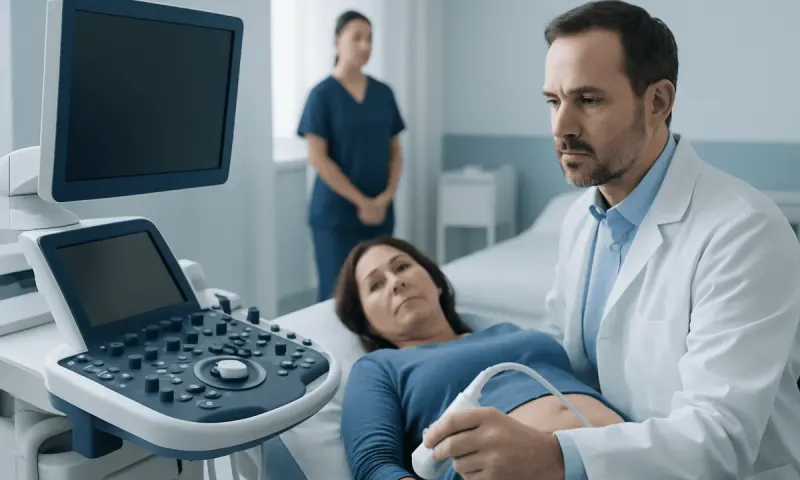
Diagnosis begins with a medical history and physical examination. Depending on the body area and clinical concern, a clinician may recommend ultrasound, mammography, X-ray, CT, MRI, or other imaging. Imaging can show the size, location, and characteristics of a lump, but it may not always establish exactly what the tissue is.
If cancer needs to be ruled out, a biopsy may be recommended. During a biopsy, a small sample of cells or tissue is removed and examined by a pathologist. The biopsy type varies by location and may use a fine needle, core needle, endoscopy, or a minor surgical procedure. A biopsy is the most reliable way to confirm many cancers.
If cancer is diagnosed, treatment depends on the cancer type, stage, molecular features, overall health, and personal priorities. Options can include surgery, radiation therapy, chemotherapy, hormone therapy, targeted therapy, immunotherapy, or a combination of approaches. Medical oncology care helps coordinate systemic treatments, while radiation oncology may be part of treatment for selected cancers.
Not every lump requires treatment. Benign lumps may be monitored, treated for an underlying infection or inflammation, drained, or removed if they are painful, growing, or causing functional or cosmetic concerns.
Is it true that cancer patients are living longer now?
For many types of cancer, outcomes have improved over time. Earlier detection, more accurate imaging and pathology, safer surgery, improved radiation techniques, and medicines tailored to a tumor’s biology have all contributed to better survival and quality of life for many patients.
However, outlook varies greatly between cancer types and between individuals. It is influenced by the cancer’s stage at diagnosis, its biology, response to treatment, other health conditions, and access to appropriate care. Population survival figures cannot predict the outlook for one person.
Some cancers can now be managed for long periods as chronic illnesses, while others may be cured, especially when found early. A cancer specialist can explain the likely outlook using the specific diagnosis and the results of staging tests, rather than relying on general information online.
When to seek medical care
A person should arrange a medical appointment for a new lump that persists beyond a few weeks, enlarges, feels hard or fixed, or cannot be explained by a short-lived infection or injury. Evaluation is also appropriate for a lump that recurs, changes the skin over it, or causes ongoing discomfort.
More urgent medical assessment is advisable for a rapidly growing lump; a breast change with skin dimpling or bloody nipple discharge; a new testicular lump; a neck lump with breathing or swallowing difficulty; or a lump accompanied by unexplained weight loss, drenching night sweats, persistent fever, or marked fatigue. These symptoms do not always indicate cancer, but they should be assessed without delay.
Screening is also important because some cancers cause no lump or symptoms in early stages. Age- and risk-appropriate screening may include breast, cervical, colorectal, lung, prostate, or skin evaluation depending on a person’s circumstances. Acıbadem Health Point’s multidisciplinary specialists and JCI-accredited hospitals diagnose and treat cancer for international patients, with care plans based on individual clinical findings.
Frequently asked questions
01Can a painful lump still be cancer?
Yes, a cancerous lump can be painful, although many are painless. Pain is more commonly caused by benign conditions such as infection, inflammation, cysts, or injury, so it cannot determine the cause by itself. A persistent or changing lump should be medically assessed.
02Are hard lumps always cancerous?
No. Some benign lumps can feel firm or hard, including calcified cysts, scar tissue, and certain benign growths. Cancerous lumps can also vary in texture, so examination and, when appropriate, imaging or biopsy are needed for diagnosis.
03How long should someone wait before checking a lump?
A new lump that does not improve within a few weeks should be checked. It should be assessed sooner if it is growing quickly, feels fixed, occurs in the breast or testicle, or is accompanied by other concerning symptoms.
04Can swollen lymph nodes be cancer?
Swollen lymph nodes are often caused by infections and may settle as the illness improves. Less commonly, they can be related to lymphoma, leukemia, or cancer that has spread from another site. Persistent, enlarging, hard, or unexplained swollen nodes require medical evaluation.
05Can ultrasound tell if a lump is cancerous?
Ultrasound can provide useful information about a lump’s size, shape, margins, and internal features. It can help distinguish some fluid-filled cysts from solid masses, but it cannot confirm every diagnosis. A biopsy may be needed when imaging findings are suspicious or uncertain.
06Should a lump be removed before knowing whether it is cancer?
Not always. The best next step depends on the lump’s location and imaging findings, and may be observation, needle biopsy, or surgical removal. A clinician will recommend an approach that can provide an accurate diagnosis while avoiding unnecessary procedures.
This article is for general information only and is not a substitute for professional medical advice. Please consult a qualified doctor about your individual situation.
Persistent digestive symptoms? Get evaluated in Turkey
JCI-accredited · board-certified surgeons · reply within 24h
Add us as a Preferred Source to see more of our trusted health content across Google Search, AI Overviews and Discover.