Distended Abdomen: Causes and Treatment

Key Takeaways
- A distended abdomen is a symptom, not a diagnosis, and the cause can range from gas to serious illness.
- Timing matters: sudden, painful, or persistent abdominal swelling deserves medical assessment.
- Common triggers include constipation, food intolerance, fluid buildup, pregnancy, and digestive disorders.
- Doctors use history, examination, and sometimes blood tests or imaging to find the cause.
- Simple measures may help mild bloating, but new red-flag symptoms should not be ignored.
A distended abdomen means the belly looks or feels enlarged, tight, or swollen. It can be temporary and harmless, but it may also signal a digestive, hormonal, fluid-related, or urgent medical problem that needs evaluation.
Overview
A distended abdomen is a visible or measurable increase in abdominal size. Some people describe it as a “tight,” “full,” or “puffed-up” belly; others notice that clothes fit differently, even when they do not feel much pain. Because the abdomen contains the stomach, intestines, liver, gallbladder, pancreas, bladder, reproductive organs, and major blood vessels, swelling in this area can come from many different systems.
For some people, distension is temporary and linked to meals, gas, constipation, or menstrual-cycle changes. In other situations, it develops more gradually and points to fluid buildup, inflammation, bowel obstruction, organ enlargement, or a problem that is not primarily digestive. The key question is not only how the abdomen looks, but also whether the change is new, persistent, painful, or accompanied by other symptoms.
In international-patient care, abdominal distension is often evaluated with a practical goal: identify whether the issue is simple and self-limited, or whether it needs faster imaging, lab work, or specialist review. That distinction helps guide next steps without delay or unnecessary testing.
Symptoms
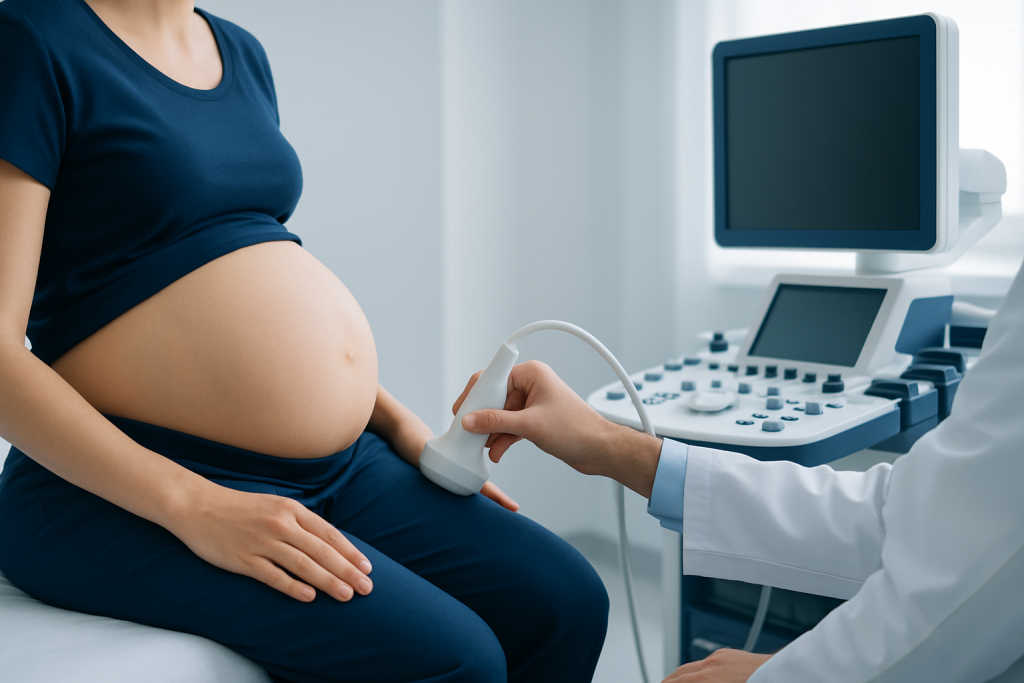
Distension can appear as a mild sense of fullness or as a clearly swollen abdomen that feels stretched or firm. Some people notice more belching, passing gas, visible abdominal asymmetry, or a need to loosen clothing after eating. Others mainly feel pressure, discomfort, or early satiety, meaning they feel full after small amounts of food.
The associated symptoms often give the strongest clue about the cause. Constipation may cause infrequent stools, hard stools, and cramping. Food intolerance may bring bloating after certain meals. Fluid buildup can be linked with weight gain, ankle swelling, or shortness of breath. More concerning symptoms include persistent vomiting, fever, black or bloody stool, yellowing of the skin or eyes, and severe or worsening pain.
- Common accompanying symptoms: gas, belching, nausea, constipation, or appetite changes
- Possible pressure symptoms: tightness, heaviness, or visible swelling
- Red-flag symptoms: severe pain, vomiting, fever, fainting, blood in stool, or shortness of breath
Because abdominal swelling is so variable, it is useful to note when it started, whether it changes after meals or bowel movements, and whether it is constant or comes and goes. That information can make the evaluation much more focused and efficient.
Causes & Risk Factors

Many common causes of a distended abdomen are related to digestion. Gas accumulation, constipation, irritable bowel syndrome, lactose intolerance, celiac disease, and swallowing air can all create temporary enlargement. Diet patterns high in carbonated drinks, large meals, very salty foods, or certain fermentable carbohydrates may also make the abdomen appear more distended.
There are also non-digestive causes. Fluid in the abdomen, called ascites, can occur with liver disease, some cancers, or severe heart and kidney problems. Pregnancy is an obvious physiologic cause, while uterine fibroids, ovarian cysts, and other pelvic conditions may also enlarge the abdomen. In some cases, bowel obstruction, inflammation, infection, or an internal mass must be considered.
Risk tends to rise when someone already has a known digestive disorder, a history of abdominal surgery, chronic constipation, liver disease, heavy alcohol use, or unexplained weight changes. In travelers and international patients, changes in diet, hydration, routine, and medication access can also worsen bloating or constipation temporarily. A good assessment looks at both the symptom and the context in which it developed.
Diagnosis
Diagnosis usually starts with a conversation and a physical examination. A clinician will ask when the distension began, whether it is linked to eating or bowel movements, and whether there is pain, weight change, fever, vomiting, or altered stool habits. They may also ask about travel, medications, prior operations, menstrual history, alcohol use, and any known digestive or liver conditions.
Depending on the findings, testing may include blood work, urine tests, stool tests, or pregnancy testing when relevant. Imaging such as ultrasound or CT may be used to look for fluid, obstruction, organ enlargement, or masses. If the pattern suggests a digestive disorder, endoscopy or other targeted studies may be recommended by a gastroenterology specialist.
The purpose of testing is not to “look everywhere,” but to match the right investigation to the likely cause. When care is being arranged from another country, sharing prior reports, medication lists, and any previous imaging can help the medical team avoid duplication and move more directly toward a diagnosis.
Treatment Options
Treatment depends entirely on the cause. A distended abdomen from constipation may improve with fluids, movement, dietary adjustment, and clinician-guided bowel management. Gas-related bloating may respond to slower eating, reducing trigger foods, and managing underlying intolerance or bowel sensitivity. If the issue is linked to reflux, functional bowel disorders, or celiac disease, treatment is directed at the underlying condition rather than the swelling alone.
Some causes require more specific medical care. Fluid buildup may need medications, drainage, or treatment of the liver, heart, or kidney condition driving it. Bowel obstruction, infection, or significant inflammatory disease can require urgent hospital-based care. If a pelvic or abdominal mass is found, the treatment plan may involve a gynecologist, surgeon, oncologist, or other specialist team.
The most important principle is that “bloating treatment” is not one-size-fits-all. A person should not keep self-treating for simple gas if the abdomen is becoming progressively larger, especially if eating is harder, pain is worsening, or bowel habits have changed in a sustained way. In well-coordinated centers, multidisciplinary specialists can work together to determine the cause and tailor treatment, including for international patients needing diagnosis and follow-up while away from home.
Prevention & Self-care
When distension is mild and clearly related to diet or constipation, everyday habits may reduce symptoms. Eating slowly, limiting carbonated drinks, staying hydrated, and keeping regular meal and sleep patterns can help. Gentle activity after meals may also support digestion and bowel movement regularity.
Tracking patterns can be surprisingly useful. A short symptom diary noting meals, stress, bowel habits, and timing of swelling can reveal triggers that are easy to miss. For some people, a clinician may suggest a structured dietary approach, such as temporarily reducing specific fermentable foods, but this should be individualized rather than self-directed for long periods.
- Choose smaller meals if large meals seem to worsen fullness
- Address constipation early instead of waiting for symptoms to build
- Review medications with a clinician if bloating began after a new prescription
- Seek advice before using laxatives or herbal remedies regularly
Self-care is most appropriate when symptoms are mild, familiar, and improving. If the abdomen is persistently enlarged or the pattern changes, the goal shifts from symptom management to finding the cause.
When to See a Doctor
Medical review is sensible if abdominal distension lasts more than a short time, keeps returning, or is affecting appetite, sleep, or daily comfort. It is especially important to seek assessment if there is no obvious explanation such as a large meal or a brief constipation episode. A persistent change deserves a proper evaluation rather than repeated guessing.
Prompt care is recommended if the swelling comes with severe pain, vomiting, fever, blood in the stool, jaundice, inability to pass stool or gas, fainting, or shortness of breath. Rapid abdominal enlargement, especially with weight loss or marked fatigue, should also be checked. These symptoms do not always mean something serious, but they do mean the cause should be identified without delay.
For people considering care abroad, bringing a summary of symptoms, previous test results, and current medications can make the consultation more efficient. Acibadem Health Point provides access to multidisciplinary specialists and JCI-accredited hospitals for diagnosing and treating abdominal distension for international patients, with coordinated evaluation and follow-up where needed.
Living With Recurrent Bloating or Distension
Some people live with recurrent abdominal distension for months before the pattern becomes clear. In that setting, the aim is to distinguish routine digestive bloating from a chronic condition that needs treatment, such as constipation-predominant bowel disorder, food intolerance, or a pelvic or liver-related problem. The work-up may take more than one visit, especially when symptoms are intermittent.
It can help to think of distension as a body signal rather than an isolated nuisance. Changes in stool frequency, meal tolerance, stress, menstrual cycle, or medication use often matter. A specialist can help organize those clues into a plan that fits the person’s schedule, travel plans, and follow-up needs, which is particularly valuable for patients managing care across borders.
Most importantly, ongoing symptoms should be documented and shared clearly. A concise symptom history often saves time, prevents repeated trial-and-error, and helps the clinician decide whether the next step is lifestyle adjustment, targeted testing, or referral to another specialist.
Frequently asked questions
01Is a distended abdomen the same as bloating?
They overlap, but they are not identical. Bloating is usually the sensation of fullness or pressure, while distension refers to a visible or measurable increase in abdominal size. Some people have both at the same time.
02What is the most common cause of abdominal distension?
Mild digestive causes such as gas, constipation, or food intolerance are common. However, the most likely cause depends on the person’s overall health, timing, and associated symptoms. A persistent or worsening abdomen should be evaluated rather than assumed to be simple bloating.
03Can stress cause a distended abdomen?
Stress can worsen gut sensitivity, swallowing of air, eating patterns, and bowel habits, which may increase bloating. It usually does not explain a progressively enlarging abdomen by itself. If the swelling is ongoing, another cause should be considered.
04When is abdominal swelling an emergency?
Emergency care is needed if swelling comes with severe pain, repeated vomiting, fever, inability to pass stool or gas, blood in the stool, jaundice, fainting, or shortness of breath. A very rapid change in abdominal size also deserves urgent attention. These symptoms can suggest obstruction, bleeding, infection, or fluid buildup.
05Can diet changes alone fix abdominal distension?
Sometimes, yes, if the cause is mild gas, eating habits, or constipation. But diet changes will not solve every case, especially if there is fluid buildup, inflammation, or a structural problem. Persistent symptoms should be checked by a clinician.
This article is for general information only and is not a substitute for professional medical advice. Please consult a qualified doctor about your individual situation.
Medical weight-loss options in Turkey — costs & eligibility
JCI-accredited · board-certified surgeons · reply within 24h
Add us as a Preferred Source to see more of our trusted health content across Google Search, AI Overviews and Discover.