Discomfort Below Left Breast: What You Need to Know

Key Takeaways
- Discomfort below the left breast is a location-based symptom, not a diagnosis.
- Common causes include muscle strain, acid reflux, breast-related changes, and rib or cartilage irritation.
- Chest pain with shortness of breath, sweating, fainting, or spreading pain needs urgent medical attention.
- Doctors usually start with a history, physical examination, and targeted tests based on the suspected cause.
- Treatment depends on the source of the pain and may include self-care, medication, or specialist evaluation.
Discomfort below the left breast can come from the chest wall, stomach, heart, lungs, or breast tissue, and the meaning depends on the exact location and accompanying symptoms. Most causes are not dangerous, but new, severe, or persistent symptoms should be assessed by a qualified doctor.
Overview
Discomfort below the left breast can feel sharp, aching, burning, tight, or tender. The first step is to remember that this symptom can come from several different structures in the same area: the breast, ribs, chest muscles, stomach, esophagus, lungs, and even the heart can all send pain to that region.
That is why the question is usually not simply “What does pain below the left breast mean?” but “What else is happening with it?” A person with pain after lifting a suitcase, for example, may have a strained muscle, while discomfort after a heavy meal may point more toward reflux or indigestion. A careful look at the pattern often gives the clearest clue.
For Myomectomy Recovery: Healing Time, Activity Limits, and Fertility Planning" class="ahp-ilk">Myomectomy Recovery for International Patients: The Usual Travel Timeline" class="ahp-ilk">international patients, this symptom is also one of those problems that may start at home, become unsettling during travel, and then deserve evaluation once they arrive somewhere with reliable imaging and specialist access. The goal is not to panic; it is to sort out the cause with the right level of urgency.
Symptoms
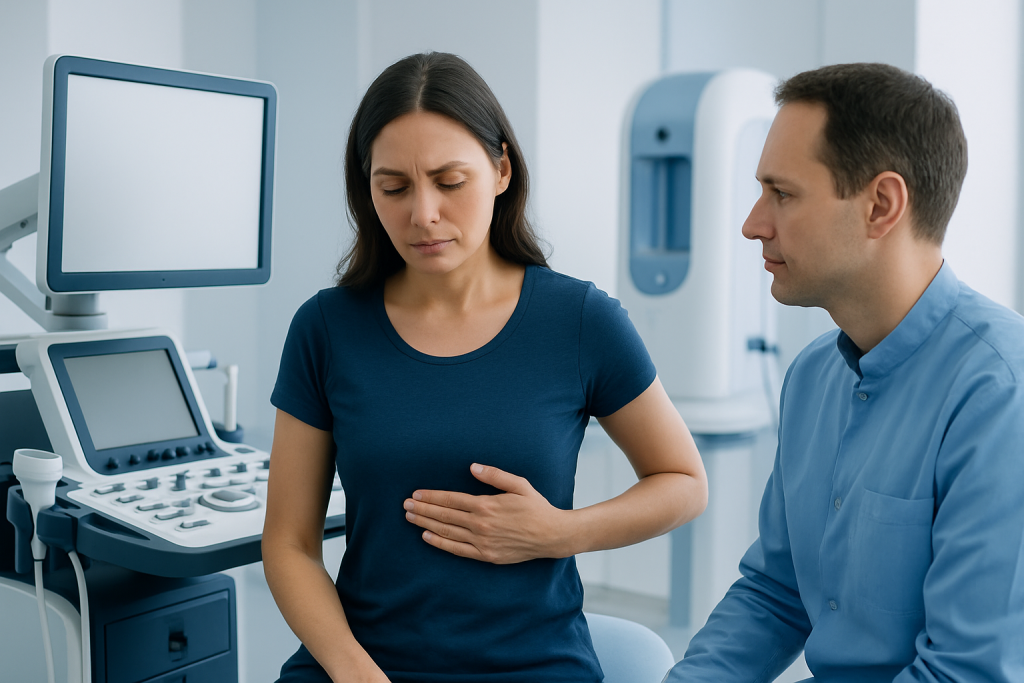
The sensation may be constant or come and go. Some people notice it only with movement, coughing, deep breathing, or pressing on the area. Others feel a dull pressure after meals, or a burning pain that rises from the upper abdomen toward the chest.
Associated symptoms matter just as much as the pain itself. Nausea, bloating, shortness of breath, fever, cough, palpitations, breast swelling, skin redness, or a new lump all change the possibilities. Pain that spreads to the arm, jaw, back, or shoulder deserves particular attention, especially if it is new or intense.
- Sharp pain with breathing or twisting may suggest a chest wall or rib source.
- Burning discomfort after eating may fit reflux or another digestive issue.
- Localized breast tenderness may be linked to hormonal changes, cysts, or inflammation.
- Pressure, heaviness, or pain with exertion can be more concerning for a heart-related cause.
Because symptoms overlap, a person should not assume the cause based on location alone. The timing, triggers, and associated signs usually provide the most useful clues.
Causes & Risk Factors

The most common explanations are often mechanical or digestive. Muscle strain, inflamed rib cartilage, and posture-related irritation can all create discomfort under the left breast, especially after exercise, coughing, lifting, or long periods of sitting. These problems often worsen when the area is touched or the torso moves in a certain way.
Acid reflux and indigestion are also frequent causes. Stomach acid can irritate the esophagus and create burning or pressure that feels like it is below the breastbone or on the left side. Gas, bloating, and stomach spasm may also produce discomfort in this region.
Breast-related causes include cyclical breast tenderness, benign cysts, infection, or skin irritation. Less commonly, pain can come from the lungs, such as with pleurisy or pneumonia, or from the heart, including angina or a heart attack. Anxiety and panic can amplify normal sensations and create chest tightness, but this should only be considered after more serious causes are excluded.
Risk factors vary by cause, but they may include recent physical strain, poor posture, frequent reflux, smoking, high blood pressure, diabetes, high cholesterol, pregnancy, breastfeeding, or a personal and family history of heart disease. The more risk factors present, the more carefully symptoms should be evaluated.
Diagnosis
Doctors begin by asking where the discomfort is, what it feels like, when it started, and what makes it better or worse. They also ask about eating habits, exercise, recent injuries, menstrual changes, medications, heart risk factors, and any associated symptoms such as breathlessness or fever.
A physical examination helps determine whether the pain is reproducible with touch or movement, whether there is breast tenderness or a lump, and whether the lungs, heart, abdomen, or ribs suggest a more specific source. From there, the doctor may choose tests based on the most likely cause rather than ordering everything at once.
Possible tests include an electrocardiogram, blood tests, chest imaging, breast imaging, abdominal evaluation, or reflux-related assessment. If someone is traveling for care, it helps to bring previous test results, medication lists, and any past imaging so the new team can compare findings quickly and avoid unnecessary repetition.
Treatment Options
Treatment depends entirely on the underlying cause. A muscle strain may improve with rest, gentle movement, and short-term pain relief recommended by a doctor. Rib or cartilage inflammation is often managed similarly, though recovery may take time and the area may remain sensitive for several weeks.
Digestive causes are usually treated with changes in meal timing, avoiding trigger foods, and sometimes acid-reducing medication prescribed by a clinician. Breast-related pain may respond to supportive bras, observation, treatment of infection if present, or further imaging when a lump or persistent change is found. Heart, lung, or abdominal causes require condition-specific medical care.
The most important point is that treatment should match the diagnosis, not the sensation alone. Self-treating repeated chest-area pain without understanding the cause can delay the right care, particularly when symptoms are changing or becoming more frequent.
Prevention & Self-care
Not every episode can be prevented, but some practical habits reduce the chance of recurring discomfort. Good posture, gradual exercise progression, and avoiding repeated strain can help with chest wall pain. For people who often get reflux, smaller meals, less late-night eating, and attention to trigger foods may make a noticeable difference.
Supportive clothing can help if the discomfort seems breast-related, especially around menstrual periods or during pregnancy and breastfeeding. A person who notices symptoms during travel may benefit from staying hydrated, avoiding very heavy meals, and keeping a simple symptom log that records time, activity, food, and associated signs.
- Rest briefly when the pain is clearly linked to strain or movement.
- Track whether pain follows meals, exercise, menstrual cycles, or stress.
- Use prescribed medicines exactly as directed.
- Do not ignore repeated chest discomfort just because it has occurred before.
Self-care should be gentle and cautious. If a person is unsure whether the discomfort is from the chest wall, breast, digestion, or heart, it is safer to seek a medical opinion than to guess.
When to See a Doctor
Medical evaluation is important when discomfort below the left breast is new, persistent, recurring, or worsening. It should also be assessed if there is a breast lump, skin change, nipple discharge, fever, cough, unexplained shortness of breath, or pain that becomes noticeable with activity.
Immediate medical attention is needed if the discomfort comes with pressure-like chest pain, sweating, nausea, fainting, severe breathlessness, or pain spreading to the arm, back, jaw, or shoulder. These features can indicate a heart-related emergency or another urgent condition that should not wait.
For people arranging care from another country, a clinic or hospital with access to multidisciplinary specialists can be especially helpful when the cause is unclear. Acibadem Health Point’s multidisciplinary specialists and JCI-accredited hospitals diagnose and treat this condition for international patients, with coordinated evaluation when several possible causes need to be considered.
The safest approach is simple: if the symptom is unexplained, severe, or changing, a qualified doctor should assess it. Early evaluation often brings clarity and prevents avoidable delay.
Frequently asked questions
01What does discomfort below the left breast usually mean?
It can come from many sources, including muscles, ribs, the stomach, the breast, lungs, or heart. The exact cause depends on the type of pain, where it is felt, and what other symptoms are present.
02When is pain below the left breast an emergency?
It is urgent if the pain comes with shortness of breath, sweating, fainting, nausea, or pain spreading to the arm, jaw, back, or shoulder. Those signs need immediate medical assessment.
03Can acid reflux cause discomfort below the left breast?
Yes. Acid reflux can create burning or pressure in the lower chest or upper abdomen that may be felt below the left breast, especially after meals or when lying down.
04Could the pain be from the breast itself?
Yes. Breast tenderness, cysts, infection, hormonal changes, or skin irritation can all cause discomfort in that area. A new lump or persistent breast change should be examined by a doctor.
05How do doctors find the cause?
They usually start with questions about symptoms, physical examination, and then choose tests such as an ECG, imaging, or blood work if needed. The tests depend on the most likely cause.
06What can a person do at home while waiting to be seen?
Gentle rest, avoiding strain, and noting triggers such as meals or movement can be helpful. However, home care should not replace medical evaluation if the pain is severe, new, or accompanied by warning signs.
This article is for general information only and is not a substitute for professional medical advice. Please consult a qualified doctor about your individual situation.
Persistent digestive symptoms? Get evaluated in Turkey
JCI-accredited · board-certified surgeons · reply within 24h
Add us as a Preferred Source to see more of our trusted health content across Google Search, AI Overviews and Discover.