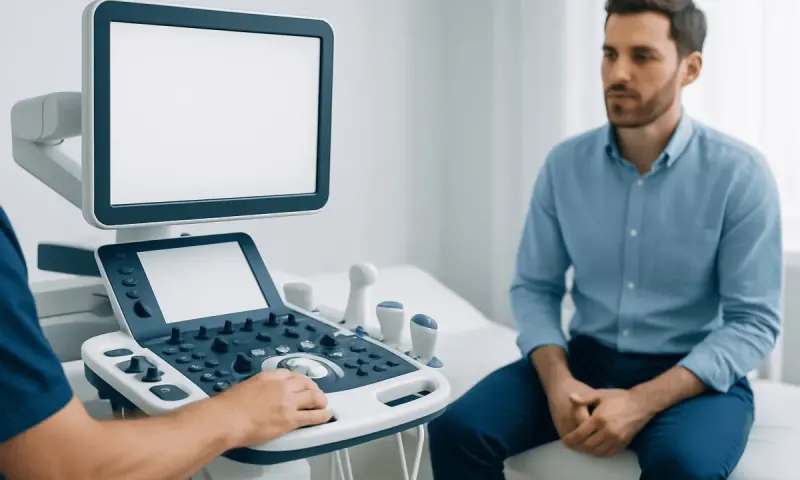
Difficulty in Urinating After Surgery: When to Seek Care

Difficulty in urinating after surgery is commonly caused by temporary effects of anesthesia, pain medicines, fluid changes, and reduced mobility. It often improves as these effects wear off, but an inability to pass urine or worsening lower-abdominal discomfort should be assessed promptly because the bladder may need to be emptied safely.
Overview: What Does Difficulty Urinating After Surgery Mean?
Difficulty in urinating after surgery may mean a slow stream, straining, frequent urges with only small amounts of urine, or an inability to pass urine despite feeling that the bladder is full. When the bladder cannot empty properly after an operation, this is called postoperative urinary retention. It can occur after many types of surgery and is usually a short-term problem.
The bladder normally contracts while the urinary sphincter relaxes, allowing urine to leave the body. Anesthesia, certain medicines, pain, swelling, and the physical stress of surgery can temporarily disrupt this coordination. A person may also have reduced bladder sensation, so they may not feel a strong urge even when the bladder is becoming full.
Care is individualized because the cause, operation type, medical history, and severity of symptoms matter. The immediate priority is avoiding prolonged bladder overfilling, which can be uncomfortable and may affect bladder function if not treated. Most people recover normal urination once contributing factors improve.
Who Is More Likely to Need Assessment or Treatment?
Anyone can experience urinary difficulty after an operation, especially during the first hours after anesthesia. Risk may be higher after procedures involving the pelvis, lower abdomen, urinary tract, hips, spine, or rectum because of local swelling, pain, nerve effects, or temporary changes in pelvic muscle function.
Older age, a history of urinary retention, urinary symptoms before surgery, constipation, diabetes, neurologic conditions, and limited mobility can also contribute. In men, prostate enlargement may narrow the outlet through which urine leaves the bladder. People with pre-existing bladder or pelvic floor conditions may need a tailored plan before surgery.
The type and length of anesthesia can be relevant. Spinal or epidural anesthesia may temporarily reduce bladder sensation and contraction, while general anesthesia and opioid pain relievers can also delay normal emptying. Receiving substantial amounts of intravenous fluid during or after surgery can cause the bladder to fill before normal sensation has returned.
- Previous problems passing urine after anesthesia
- Known enlarged prostate or lower urinary tract symptoms
- Pelvic, urologic, orthopedic, or spinal surgery
- Use of opioid pain medicines or medicines that can affect bladder emptying
- Constipation, dehydration, pain, anxiety, or difficulty getting to the bathroom
How Clinicians Check the Bladder and Identify the Cause
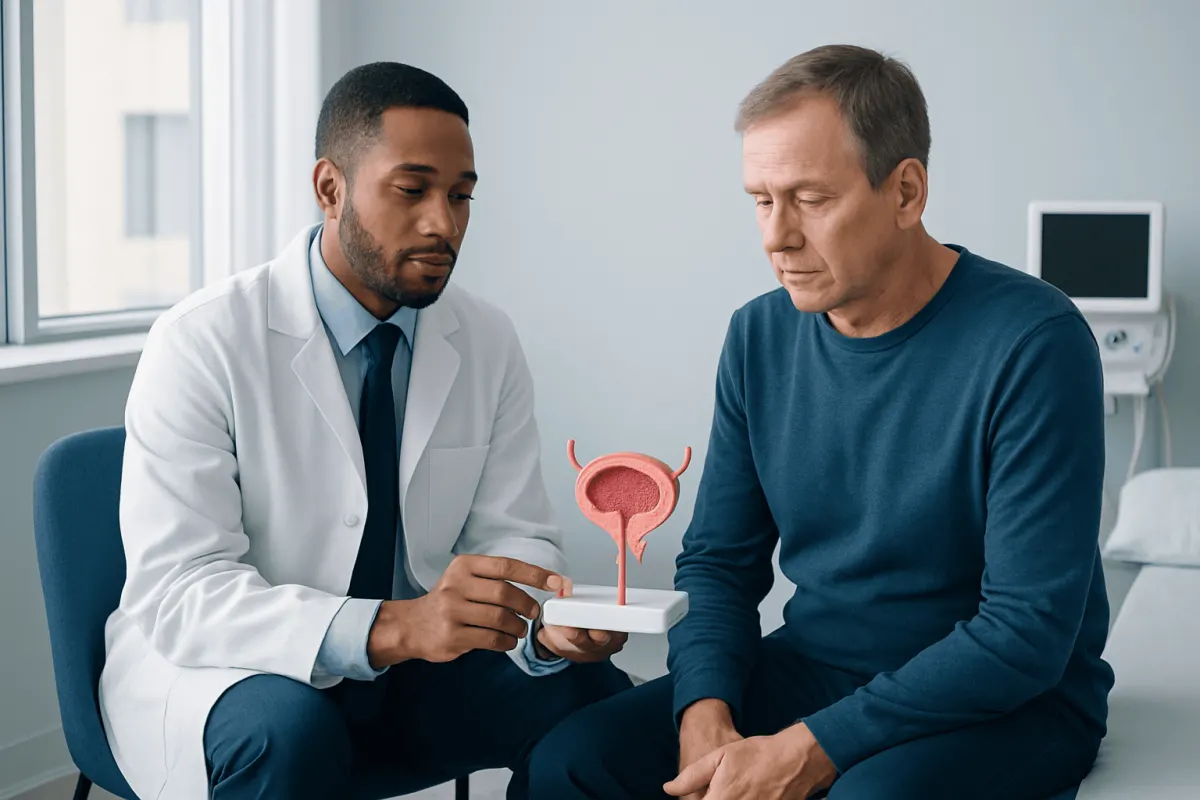
Assessment begins with a discussion of when the person last urinated, the amount passed, any urge or discomfort, current medicines, and previous urinary symptoms. The clinician may examine the lower abdomen for signs of a full bladder and consider whether pain, constipation, mobility limitations, or surgical factors are contributing.
A bedside bladder scan is often used. This painless ultrasound-based test estimates how much urine remains in the bladder after an attempt to urinate. It helps the team decide whether monitoring, supportive measures, or bladder drainage is appropriate without routinely using an invasive test.
Urine testing may be considered if infection is suspected, particularly when there is burning, fever, new urgency, or cloudy urine. Depending on the situation, blood tests, review of medication effects, or further urology assessment may be needed. In people with persistent symptoms, clinicians may also investigate underlying conditions such as benign prostatic hyperplasia or nerve-related bladder dysfunction.
How Treatment Works: Relieving Retention Safely
Treatment aims first to empty an overfull bladder and then to address factors that may be delaying normal urination. If the bladder is not significantly full and the person is otherwise well, the care team may encourage a calm, private attempt to urinate, safe mobilization where permitted, adequate comfort control, and treatment of constipation. Running water or a warm compress may help some people relax, although these measures should not delay clinical assessment when symptoms are significant.
If the bladder is overly full or the person cannot urinate, a catheter may be used to drain urine. A thin tube is gently passed through the urethra into the bladder, generally using sterile technique and lubricating gel. In some situations, a single in-and-out catheterization is enough; in others, a temporary indwelling catheter remains in place for a short period while bladder function returns. Urinary catheterization can relieve discomfort and reduce the risk of ongoing bladder distension.
Clinicians may review pain medicines and other drugs that can worsen retention, while ensuring that postoperative pain remains appropriately managed. For selected people, particularly those with prostate-related symptoms, a clinician may recommend medication to relax the bladder outlet. The best approach depends on the person’s health, operation, bladder-scan findings, and ability to pass urine after catheter removal.
Candidacy and Step-by-Step Procedure for Catheter Care
A catheter is considered when there is confirmed or strongly suspected retention, significant bladder volume on scanning, increasing discomfort, or a clinical need to monitor urine output. It may also be used during certain operations or for a short period afterward when safe bladder emptying cannot otherwise be assured. The team weighs this benefit against the small but meaningful risks of catheter-related irritation and infection.
Before catheterization, a healthcare professional explains the reason for the procedure and checks for allergies, previous urethral surgery, bleeding concerns, and any factors that could make insertion more complex. Privacy is maintained. The genital area is cleaned, sterile equipment is prepared, and lubricating gel is used to minimize discomfort.
The catheter is inserted carefully through the urethra until urine flows. If a catheter is to remain in place, a small balloon at its tip is filled with sterile water so that it stays in the bladder; the tube connects to a drainage bag positioned below bladder level. The team records urine output, ensures the tubing is not kinked, and reviews daily whether the catheter is still necessary.
When appropriate, the catheter is removed and the person is asked to urinate within an agreed timeframe. This is sometimes called a trial without catheter. Bladder scanning after urination can show whether the bladder is emptying adequately. Difficult insertion, known urethral narrowing, or recurrent retention may require input from a urologist.
Recovery Timeline, Benefits, and Possible Risks
For many people, bladder sensation and normal emptying return within hours as anesthesia wears off and they begin moving, drinking as advised, and using less opioid medication. If a catheter is needed, it is often temporary. Some people pass urine normally after it is removed, while others may need a repeat assessment or a longer period of drainage before trying again.
The principal benefit of timely treatment is relief of bladder pressure and protection against prolonged overdistension. It can also help clinicians measure urine output in patients who need close monitoring. Treating pain, constipation, medication effects, or an underlying urinary condition supports a more lasting recovery.
Catheters can cause short-lived urethral discomfort, bladder spasms, leakage around the tube, or minor blood staining in the urine. Longer catheter use increases the likelihood of a urinary tract infection, so it should be used only for a clear reason and removed as soon as it is no longer needed. Rarely, insertion can cause urethral injury, especially if the passage is difficult.
Persistent inability to empty the bladder after the expected recovery period should not be managed by simply waiting at home. A clinician may arrange follow-up, repeat bladder scans, urine studies, or referral for further evaluation. Acıbadem Health Point’s multidisciplinary specialists and JCI-accredited hospitals assess and treat postoperative urinary concerns for international patients.
Supporting Recovery at Home
After discharge, patients should follow their surgical team’s instructions on drinking fluids, activity, pain relief, and wound care. Unless a clinician has advised fluid restriction, regular fluid intake can support normal urine production. It is better to avoid forcing large amounts of water quickly, as this may overfill a bladder that is not emptying well.
Gentle movement, when approved after surgery, can help restore normal body function and reduce constipation. Taking time to use the toilet in a relaxed, private setting may be helpful. Straining forcefully is not recommended, particularly after abdominal, pelvic, or hernia surgery. Patients should also avoid delaying urination for long periods once the urge returns.
Constipation can make urinary difficulty worse, so the care team may suggest dietary fiber, fluids, movement, or a suitable bowel treatment. Alcohol and excessive caffeine may irritate the bladder in some people. Patients should not stop prescribed medicines or start urinary medicines without discussing this with their surgeon, anesthesiologist, primary doctor, or urologist.
When to Seek Medical Care
Patients should contact the surgical team promptly if they cannot urinate after going home, especially if they have a strong urge, increasing pressure, or swelling in the lower abdomen. Complete inability to pass urine can require urgent bladder drainage, even if pain is mild or absent.
Urgent medical advice is also appropriate for fever, chills, burning with urination, worsening pelvic or lower-abdominal pain, new confusion in an older adult, persistent vomiting, or visible blood in the urine that is more than slight pink staining. These symptoms can have several causes and should be assessed in the context of recent surgery.
Anyone with a catheter should seek advice if the drainage stops, the tubing becomes dislodged, there is new severe pain, the bag fills with blood or clots, or urine leaks substantially around the catheter. The catheter should not be pulled out or reinserted at home. Early communication with the care team supports safe recovery and helps prevent avoidable complications.
Frequently asked questions
01How long is difficulty in urinating after surgery expected to last?
For many people, urination improves within several hours as the effects of anesthesia and medicines lessen. Recovery can take longer after some operations or when there are underlying urinary symptoms. A person who cannot pass urine or has increasing bladder discomfort should contact the surgical team rather than wait for it to resolve.
02Is it normal to have no urge to urinate after anesthesia?
Anesthesia can temporarily reduce bladder sensation, so a person may not feel the usual urge even as urine collects. This is one reason healthcare teams monitor the timing and amount of urination after surgery. A bladder scan can determine whether there is significant retained urine.
03Can pain medicines cause urinary retention after surgery?
Yes. Opioid pain medicines can reduce bladder contraction and increase the tone of the urinary sphincter, making emptying more difficult. Other medicines may also contribute. A clinician can review medicines while continuing to provide appropriate pain control.
04Will a urinary catheter be painful?
Insertion can be uncomfortable, but sterile lubricant is used and the procedure is usually brief. Some people notice temporary irritation, an urge to urinate, or mild bladder spasms while a catheter is in place. Severe pain, blocked drainage, or significant bleeding should be reported to a healthcare professional.
05Can a person go home with a urinary catheter?
In some cases, a person may go home with a temporary catheter and a follow-up plan for removal or a voiding trial. They should receive instructions on keeping the drainage bag below bladder level, avoiding kinks in the tube, maintaining hygiene, and recognizing warning signs. The catheter should only be removed according to the care team’s instructions.
06Does urinary retention after surgery mean there is permanent bladder damage?
No. Most postoperative urinary retention is temporary and resolves with prompt recognition and suitable treatment. However, prolonged overfilling should be avoided, which is why complete inability to urinate needs timely assessment. Persistent or recurrent symptoms may require evaluation for an underlying urinary or neurologic condition.
This article is for general information only and is not a substitute for professional medical advice. Please consult a qualified doctor about your individual situation.
Persistent digestive symptoms? Get evaluated in Turkey
JCI-accredited · board-certified surgeons · reply within 24h
Add us as a Preferred Source to see more of our trusted health content across Google Search, AI Overviews and Discover.