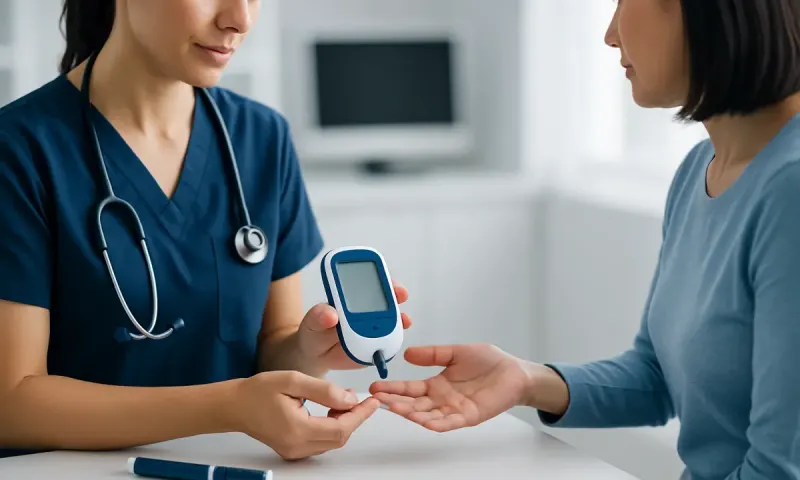
Diabetic Attack: Recognizing High and Low Blood Sugar
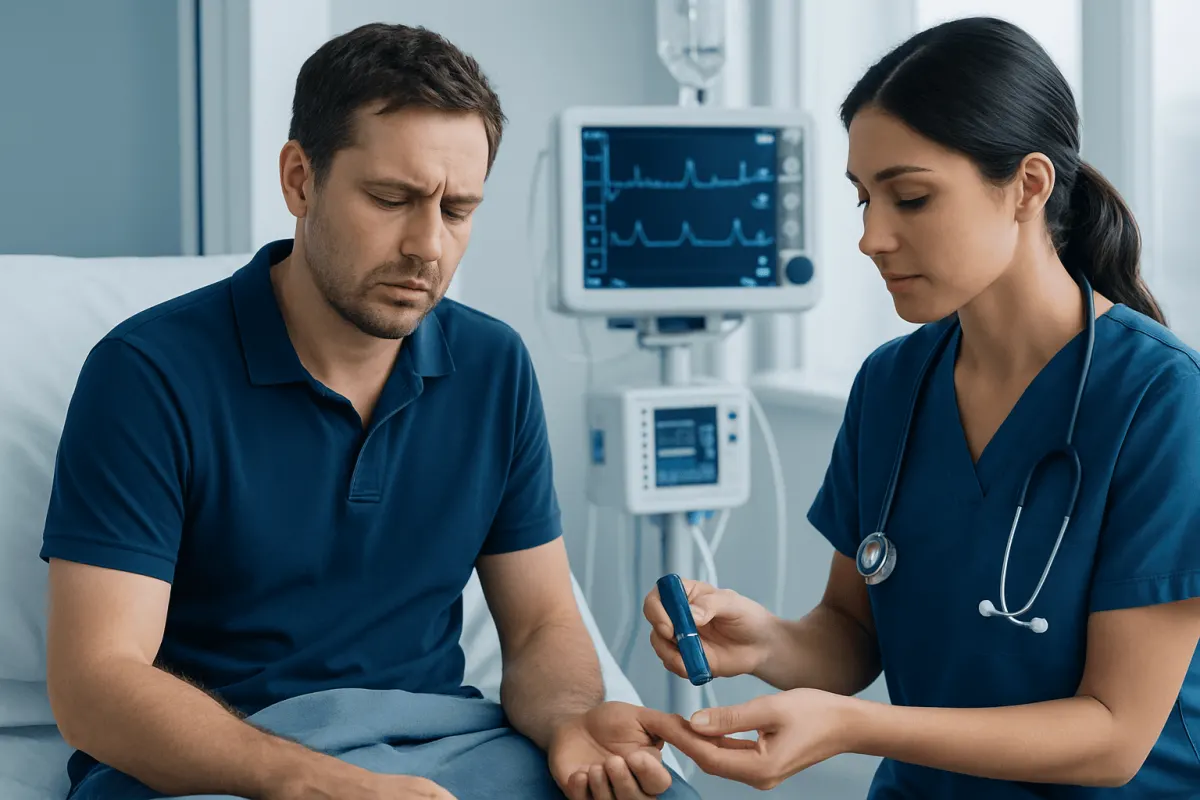
A “diabetic attack” is not a formal medical diagnosis, but it commonly describes symptoms caused by blood glucose becoming too low or too high. Prompt recognition, safe action and an individualized diabetes plan can help prevent serious complications.
What Does “Diabetic Attack” Mean?
A diabetic attack is an informal term people may use when a person with diabetes suddenly feels unwell because their blood glucose is outside a safe range. It most often refers to hypoglycemia (low blood sugar), but may also describe significant hyperglycemia (high blood sugar) or serious complications of very high glucose.
These situations are different and need different responses. Low blood sugar can occur quickly and may cause sweating, shaking, hunger or confusion. High blood sugar often builds over hours or days and can lead to thirst, frequent urination, tiredness and dehydration. People with diabetes benefit from knowing their personal glucose targets and following the plan agreed with their healthcare team.
Not every episode of feeling unwell is caused by blood sugar. Infection, dehydration, medication side effects, heart problems and neurological conditions can cause similar symptoms. When symptoms are severe, unusual or do not improve as expected, medical assessment is important.
Recognizing Low and High Blood Sugar
Low blood sugar is generally defined as a glucose reading below 70 mg/dL (3.9 mmol/L), although symptoms and individual treatment thresholds can vary. It is more common in people using insulin or medicines that increase insulin release. Symptoms may include shaking, sweating, a fast heartbeat, hunger, tingling around the lips, headache, irritability, difficulty concentrating or blurred vision.
As hypoglycemia worsens, a person may become confused, behave differently, lose coordination, have a seizure or become unconscious. These are emergency signs. Severe low blood sugar can prevent a person from treating themselves safely.
High blood sugar may cause increased thirst, dry mouth, frequent urination, fatigue, blurred vision and headache. If glucose remains very high, the body can become dehydrated. In type 1 diabetes and sometimes other forms of diabetes, lack of insulin can lead to diabetic ketoacidosis (DKA), which may cause nausea, vomiting, abdominal pain, deep or rapid breathing, fruity-smelling breath and confusion.
Another serious complication, hyperosmolar hyperglycemic state (HHS), usually develops over a longer period and is more common in older adults with type 2 diabetes. It can cause profound dehydration, weakness, drowsiness and confusion. DKA and HHS require urgent hospital care.
What to Do During a Suspected Episode

If the person is awake, able to swallow and has symptoms of low blood sugar, they should check their glucose if a meter or continuous glucose monitor is available. If it is low, or if testing is not possible but symptoms strongly suggest hypoglycemia, they can take about 15 grams of fast-acting carbohydrate, such as glucose tablets, glucose gel, regular fruit juice or regular (not diet) soft drink. Glucose tablets or gel are often the most predictable choices.
Glucose should be checked again after about 15 minutes when possible. If it remains low or symptoms continue, another fast-acting carbohydrate portion may be needed. Once the glucose level has recovered, a snack or meal containing longer-lasting carbohydrate may be appropriate if the next planned meal is not soon. The individual’s diabetes plan should guide this step, especially for those using insulin.
If the person is unconscious, having a seizure, very confused, unable to swallow or unable to safely take carbohydrate, emergency services should be called immediately. Nothing should be put in their mouth because of choking risk. A prescribed glucagon rescue medicine may be given by someone trained to use it while help is on the way.
For high blood sugar, the person should check glucose and, if instructed in their care plan, check blood or urine ketones. They should drink water or other sugar-free fluids if able to keep fluids down and follow their clinician’s sick-day or correction-insulin instructions. They should not exercise if ketones are present or if they feel unwell, as this may worsen high glucose in some circumstances.
Why Diabetic Attacks Happen
Hypoglycemia may occur after taking more insulin or glucose-lowering medicine than needed, delaying or missing a meal, eating less carbohydrate than expected, drinking alcohol without enough food, or doing more physical activity than usual. Illness, changes in kidney or liver function, weight changes and medication interactions can also alter how diabetes medicines work.
Hyperglycemia can result from missed or insufficient medication, a problem with an insulin pump or injection technique, illness, infection, stress, reduced activity, dehydration, or eating more carbohydrate than planned. Steroid medicines and some other treatments may raise glucose levels. High readings that are new, persistent or difficult to explain should be discussed with a clinician.
People using insulin pumps should take unexpected high glucose seriously because a delivery interruption can lead to a rapid insulin shortage. Checking the pump, infusion set and insulin supply, as directed by the diabetes team, can be important. Symptoms of DKA, however, should not be managed at home without urgent medical guidance.
Diabetes care is individualized. Factors such as pregnancy, age, frailty, kidney disease, type of diabetes and previous severe episodes affect the safest glucose targets and treatment plan. Diabetes management should therefore be reviewed regularly rather than relying on a single approach for everyone.
Medical Evaluation and Ongoing Treatment
A healthcare professional will ask about symptoms, glucose readings, meals, activity, medications, alcohol intake, illness and recent changes in routine. Depending on the situation, evaluation may include blood glucose, ketone testing, electrolytes, kidney function tests and assessment for infection or other triggers. This helps distinguish an isolated low or high reading from a condition needing urgent treatment.
Repeated hypoglycemia may mean that insulin, other diabetes medicines, meal timing or activity planning needs adjustment. A clinician may recommend reviewing injection sites, insulin storage, glucose-monitor data and warning symptoms. Some people have reduced awareness of hypoglycemia and may need tailored targets and closer support.
Treatment for persistent hyperglycemia focuses on restoring safe fluid balance, addressing the cause and adjusting the diabetes plan. DKA and HHS are treated in hospital with close monitoring, intravenous fluids, insulin and correction of electrolyte disturbances when needed. They should not be treated with home remedies.
Structured education can help people learn how food, activity, illness and medication affect glucose. Diabetes treatment may include nutrition guidance, glucose monitoring, medicines and follow-up adapted to the person’s type of diabetes and health needs.
Preventing Blood Sugar Emergencies
Prevention starts with a practical routine. Taking medicine as prescribed, eating regular meals or planned snacks when needed, checking glucose as advised and keeping follow-up appointments can reduce unexpected glucose swings. People who use insulin should understand how to adjust safely for meals, physical activity, travel and illness, based on individualized professional advice.
It is helpful to carry a source of fast-acting carbohydrate and to make sure close family members, friends, colleagues or school staff know how to recognize severe hypoglycemia. Wearing medical identification can help emergency responders understand that diabetes may be involved. Those prescribed glucagon should ensure it is in date and that trusted people know where it is kept and how to use it.
A sick-day plan is especially important. During fever, vomiting, diarrhea or infection, glucose may rise even if a person is eating less. The plan should explain when to check glucose and ketones, how to stay hydrated, which medicines should not be stopped without advice and when to contact the diabetes team.
Keeping a brief record of readings, symptoms, meals, activity and medication can reveal patterns. This information can support meaningful conversations with a clinician and help prevent recurrent episodes without making unsafe changes independently.
When to Seek Medical Care
Emergency care is needed for unconsciousness, seizures, inability to swallow, severe confusion, severe breathing difficulty or suspected stroke or heart symptoms. Call local emergency services rather than attempting to drive the person to hospital. If severe hypoglycemia is suspected, do not give food or drink by mouth.
Urgent medical assessment is also needed for high glucose with vomiting, abdominal pain, deep or rapid breathing, fruity-smelling breath, marked drowsiness, dehydration, confusion, or moderate to high ketones. These features can indicate DKA or HHS. People with diabetes should seek prompt guidance if they cannot keep fluids down or if glucose stays high despite following their prescribed plan.
A non-emergency appointment is appropriate after any severe low blood sugar episode, repeated lows, frequent high readings, new loss of warning symptoms or concerns about a medicine or device. Acıbadem Health Point’s multidisciplinary specialists and JCI-accredited hospitals diagnose and treat diabetes-related concerns for international patients.
Frequently asked questions
01Is a diabetic attack the same as a diabetic coma?
No. “Diabetic attack” is an informal term that can describe symptoms from low or high blood sugar. A diabetic coma is a rare, life-threatening loss of consciousness that may result from severe hypoglycemia, DKA or HHS and requires emergency care.
02Can a person without diabetes have symptoms like a diabetic attack?
Yes. Shaking, sweating, dizziness, weakness and confusion can have many causes, including low blood pressure, infection, anxiety, medication effects or neurological conditions. Anyone with sudden severe symptoms, fainting, chest pain, trouble breathing or new weakness should receive urgent medical assessment.
03What should be given for low blood sugar?
An awake person who can swallow safely can take a fast-acting carbohydrate, such as glucose tablets, glucose gel, regular juice or regular soft drink. If the person is unconscious, seizing, very confused or unable to swallow, do not give anything by mouth; call emergency services and use prescribed glucagon if available and trained to do so.
04How quickly can low blood sugar develop?
Low blood sugar can develop within minutes to hours, particularly after insulin or certain diabetes medicines, missed meals, alcohol use or increased physical activity. Checking glucose promptly when symptoms begin can help distinguish low blood sugar from other causes.
05When should ketones be checked?
People with diabetes should follow their clinician’s instructions about ketone testing. It is commonly advised during illness, when glucose is persistently high, or when symptoms such as nausea, vomiting or abdominal pain occur, particularly in people with type 1 diabetes.
06Can high blood sugar be managed at home?
Mild high blood sugar may sometimes be managed using an individualized diabetes plan, fluids and prescribed medication guidance. However, vomiting, ketones, breathing changes, confusion, significant dehydration or persistent very high readings need urgent professional advice or emergency assessment.
This article is for general information only and is not a substitute for professional medical advice. Please consult a qualified doctor about your individual situation.
Explore treatments in Turkey — costs, top hospitals & a free quote
JCI-accredited · board-certified surgeons · reply within 24h
Add us as a Preferred Source to see more of our trusted health content across Google Search, AI Overviews and Discover.