

Dental Crowns: Types, Procedure and Care
- 10 min read
- Published November 29, 2026
Key Takeaways
- Crowns cover and protect teeth that are weakened, cracked, heavily filled, or cosmetically altered.
- They can be made from porcelain, ceramic, metal, or combinations of materials, depending on the tooth and bite needs.
- Getting a crown usually involves examining the tooth, preparing it, taking impressions or scans, and placing a temporary crown before the final one.
- Good daily oral hygiene and regular dental follow-up help crowns last longer and protect the tooth underneath.
- Persistent pain, looseness, swelling, or a crown that feels high when biting should be checked by a dentist.
Crowns are custom-made restorations that cover a damaged tooth to help it function and look more natural. They are commonly used after decay, fractures, root canal treatment, or when a tooth needs added strength and protection.
Overview
A dental crown is a custom-made cap that fits over a tooth to restore its shape, strength, and appearance. It is often chosen when a filling is no longer enough to support the tooth, or when a tooth has been weakened by decay, fracture, wear, or a root canal procedure.
For many people, a crown is not only about repairing damage. It can also make chewing more comfortable, help a tooth blend in with the surrounding teeth, and reduce the chance that a fragile tooth will break further. In everyday practice, crowns are one of the most common ways dentists rebuild a tooth while keeping as much of the natural root and surrounding structure as possible.
International patients often ask whether the process is complicated. In most cases, it is a planned outpatient dental treatment with clear steps: assessment, tooth preparation, a temporary crown, and final placement once the custom restoration is ready. The details depend on the tooth’s location, the bite, and the material selected.
Symptoms and When a Crown May Be Needed
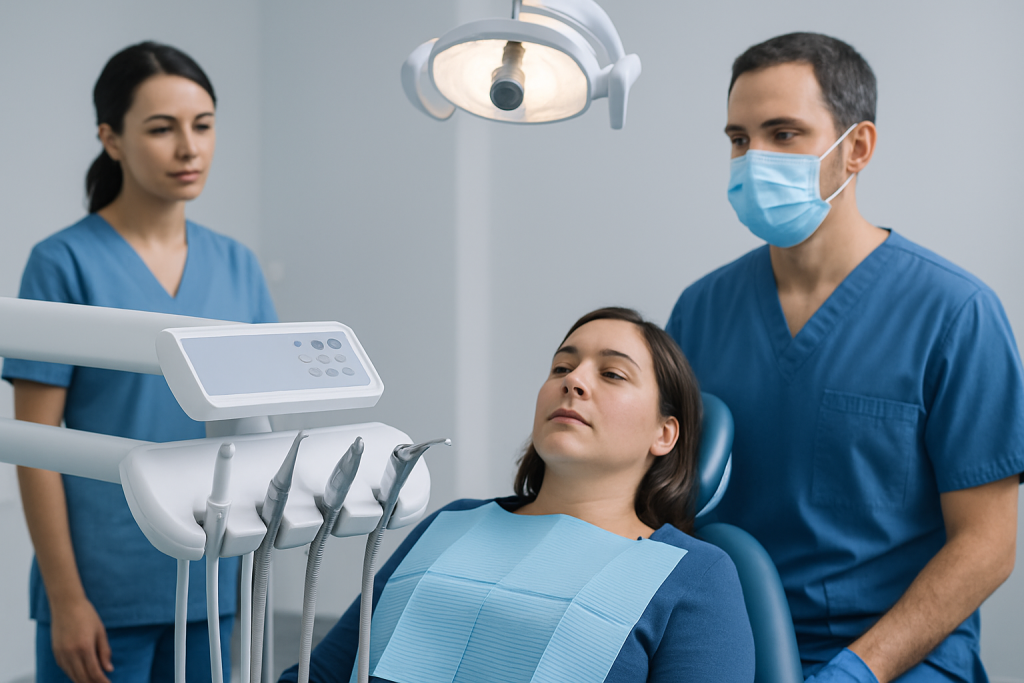
A crown is not a symptom itself, but it is frequently recommended when a tooth shows signs that it needs more support than a filling can provide. A person may notice sensitivity, discomfort while chewing, a visible crack, or a tooth that has become misshapen after a large cavity or old restoration.
Some crowns are planned after treatment rather than because of obvious pain. For example, a tooth that has had root canal therapy may be more fragile and benefit from a crown to help protect it during daily use. Crowns are also used on dental implants and, in some cases, attached to bridges or other restorative work.
- Large cavity or worn filling
- Cracked, fractured, or chipped tooth
- Tooth weakened after root canal treatment
- Cosmetic improvement for shape, color, or alignment concerns
- Support for a dental bridge or implant restoration
Because these issues are not always painful at first, a dental examination is often the best way to decide whether a crown is the right option. Early evaluation may prevent a tooth from breaking at an inconvenient time, especially for patients traveling from abroad who want to plan treatment with fewer unexpected visits.
Causes and Risk Factors

Crowns become necessary when a tooth has lost enough structure that it can no longer work safely on its own. Common causes include tooth decay that has spread widely, repeated repair of the same tooth, nighttime grinding, traumatic injury, and age-related wear. Teeth that have undergone root canal treatment may also need extra reinforcement because the remaining tooth structure can be more fragile.
Certain habits and health factors can increase the chance that a tooth will eventually need a crown. Grinding or clenching can wear teeth down over time. Acid reflux, frequent acidic drinks, and long-standing dry mouth may contribute to enamel erosion. Poor oral hygiene raises the likelihood of decay, and previous dental work can make a tooth more vulnerable if it has become heavily restored.
Risk is not only about a single event. Sometimes a tooth is weakened by a combination of smaller issues, such as old fillings, minor cracks, and uneven bite forces. A dentist may recommend a crown to stabilize the tooth before a small problem becomes a more complicated one.
Diagnosis and Evaluation
Before recommending a crown, a dentist examines the tooth and surrounding tissues, checks how the upper and lower teeth come together, and reviews symptoms such as sensitivity or pain during chewing. X-rays are often used to look for decay, infection, fracture lines, or problems beneath existing fillings or crowns.
The evaluation also considers the tooth’s overall structure. If there is enough healthy enamel and dentin left, a crown can usually be supported well. If the tooth is too damaged, the dentist may discuss other restorative steps first, such as a build-up or root canal treatment, before crown placement.
For patients planning care while traveling, this stage is especially important. It helps the dental team confirm whether treatment can be completed in one trip, whether a temporary crown is needed, and how much follow-up care will be required after returning home. A careful diagnosis reduces surprises later and allows the treatment plan to be made with practical travel timing in mind.
Treatment Options and Crown Types
There is no single crown material that suits every tooth. The best option depends on where the tooth sits in the mouth, how much biting force it receives, how important appearance is, and whether the patient has any material sensitivities or specific restorative needs.
Porcelain and ceramic crowns are often chosen for front teeth because they can closely match the color and translucency of natural teeth. Metal crowns, including gold alloys, may be selected for back teeth where durability matters and appearance is less central. Porcelain-fused-to-metal crowns combine strength with a tooth-colored outer layer, though the metal margin may sometimes show near the gumline.
- Porcelain or ceramic: Natural-looking, often preferred for visible teeth
- Metal: Durable and long-lasting, commonly used in back teeth
- Porcelain-fused-to-metal: Combines strength with a tooth-colored finish
- Zirconia: Strong ceramic option that can work well in many areas
The crown procedure usually begins with reshaping the tooth so the crown can fit securely. The dentist then takes a scan or impression to guide fabrication. A temporary crown is often placed while the final crown is made, and later the permanent crown is adjusted and cemented in place. If a root canal, buildup, or gum treatment is needed first, that is handled before the final crown step.
Prevention and Self-Care
A crown can protect a tooth, but it still needs daily care. Brushing twice a day with fluoride toothpaste, cleaning between teeth, and attending regular dental check-ups help reduce the chance of decay developing at the edges of the crown or beneath it. The tooth under the crown can still be affected by cavities if hygiene is neglected.
It also helps to be mindful of hard foods and habits that stress the restoration. Ice chewing, opening packages with teeth, and biting very hard objects can crack a crown or damage the tooth underneath. If a person grinds or clenches their teeth, a dentist may suggest a night guard to reduce wear.
For people receiving treatment abroad, self-care includes planning the first days after treatment realistically. The mouth may feel slightly sensitive after preparation or placement, and it is sensible to follow the dentist’s advice on eating, cleaning, and temporary crown care before travel or during the return journey.
- Keep the area clean, including the gumline around the crown
- Use a soft-bristled toothbrush if recommended
- Avoid sticky or very hard foods if they stress the restoration
- Report a loose, rough, or high-feeling crown early
Recovery and Follow-up
Most people return to normal routines quickly after a crown appointment, though the tooth may feel slightly tender for a short time. Sensitivity to hot or cold can occur while the tooth settles, especially after preparation or if the tooth was already irritated before treatment.
A temporary crown requires extra care because it is not as strong as the final restoration. If it loosens or comes off, the dental team should be informed promptly so the tooth can be protected until the final crown is ready. Once the permanent crown is placed, the bite is checked carefully to make sure it feels comfortable and functions properly.
Follow-up is important even when the crown feels fine. The dentist may want to reassess the fit, the surrounding gums, and the health of the tooth beneath the crown. This is particularly useful for international patients, who may need a local dentist at home to continue routine monitoring after the main treatment is completed.
When to See a Doctor
A dentist should be contacted if a tooth is painful when chewing, if a visible crack or large chip appears, or if an old crown becomes loose, falls out, or feels different when biting. Swelling, persistent sensitivity, or gum irritation around a crowned tooth also deserve assessment.
It is also wise to seek review if the crown feels too high or uneven. A small bite imbalance can make a tooth sore, strain nearby teeth, or interfere with jaw comfort. Early adjustment is usually straightforward and can prevent ongoing irritation.
Patients who are considering treatment from another country may benefit from discussing timing, follow-up plans, and material choices before they travel. At Acibadem Health Point, multidisciplinary specialists and JCI-accredited hospitals diagnose and treat dental conditions for international patients with coordinated care planning.
Any new or persistent oral symptom should be evaluated by a qualified dentist, especially if it affects eating, sleep, or daily comfort. Prompt attention helps preserve the tooth and allows the most suitable restorative plan to be chosen.
Frequently asked questions
01What is the purpose of a dental crown?
A crown covers a damaged tooth to restore strength, function, and appearance. It helps protect teeth that are too weak for a filling alone. Crowns are also used to finish certain restorative treatments, such as after root canal therapy or on dental implants.
02How long does it take to get a crown?
The timeline varies depending on the dental clinic, the tooth’s condition, and whether the crown is made in a lab or with same-day technology. Some crowns require two visits, while others may be completed more quickly. The dentist will explain what is realistic for the individual treatment plan.
03Does getting a crown hurt?
The procedure is usually done with local anesthesia so the tooth can be prepared comfortably. After treatment, some mild sensitivity or soreness can happen for a short time. Ongoing or increasing pain is not typical and should be checked.
04How long do crowns last?
Crowns can last for many years, but their lifespan depends on the material used, the location of the tooth, oral hygiene, bite forces, and habits such as grinding. Regular dental care helps the crown and the tooth underneath stay healthy. A dentist can advise on the expected durability for a specific case.
05Can a crowned tooth still get a cavity?
Yes. The crown itself cannot decay, but the tooth underneath and the edges near the gumline can still develop cavities. Good brushing, flossing, and dental check-ups remain important after crown placement.
06What should a person do if a crown falls out?
The person should contact a dentist as soon as possible so the tooth can be protected and the crown assessed. The crown should be kept safely and not re-cemented at home. Until reviewed, it is best to avoid chewing on that side if possible.
This article is for general information only and is not a substitute for professional medical advice. Please consult a qualified doctor about your individual situation.
Joint and spine care in Turkey — expert assessment & treatment
JCI-accredited · board-certified surgeons · reply within 24h
Add us as a Preferred Source to see more of our trusted health content across Google Search, AI Overviews and Discover.



How can we help you today?
Meet an Acibadem specialist by secure video, before you travel.
Book a video visit