

Dental Cleaning Before After: What You Need to Know
- 11 min read
- Published November 26, 2026
Key Takeaways
- A dental cleaning removes plaque and tartar that brushing alone may miss.
- Before a cleaning, dentists often check the gums and teeth for signs of inflammation or decay.
- After a cleaning, teeth may feel smoother and look brighter, even without whitening.
- Mild sensitivity or gum tenderness can happen briefly and usually settles quickly.
- Good home care after the visit helps preserve the results and support gum health.
- Regular cleanings are part of preventive dental care, especially for people with gum disease risk.
Dental cleaning before after usually shows a simple but meaningful change: plaque and tartar are removed, the mouth feels fresher, and the gums may look less inflamed over time. Most people can return to normal activities right away, with a little temporary sensitivity or spotting of the gums possible.
Overview
When people search for dental cleaning before after, they are usually trying to understand a very practical question: what changes should be expected around a routine visit to the dentist? In most cases, the “before” is a mouth with plaque, stains, or hardened tartar buildup that daily brushing cannot fully remove, while the “after” is a cleaner tooth surface, fresher breath, and gums that have a better chance to recover.
A professional dental cleaning is preventive care, not a cosmetic makeover, although many people notice that their teeth look noticeably brighter afterward. The visit also gives the dental team a chance to look for early signs of gum disease, cavities, and other concerns that are easier to manage when found early. For international patients planning care abroad, a cleaning appointment can also be a useful first step before more complex dental treatment, because it helps create a clear starting point for the mouth’s condition.
The experience can vary depending on how much buildup is present and whether the gums are healthy or already inflamed. Some people leave with no discomfort at all, while others notice temporary sensitivity after tartar is removed. Those differences are normal and usually short-lived.
What usually happens before a dental cleaning
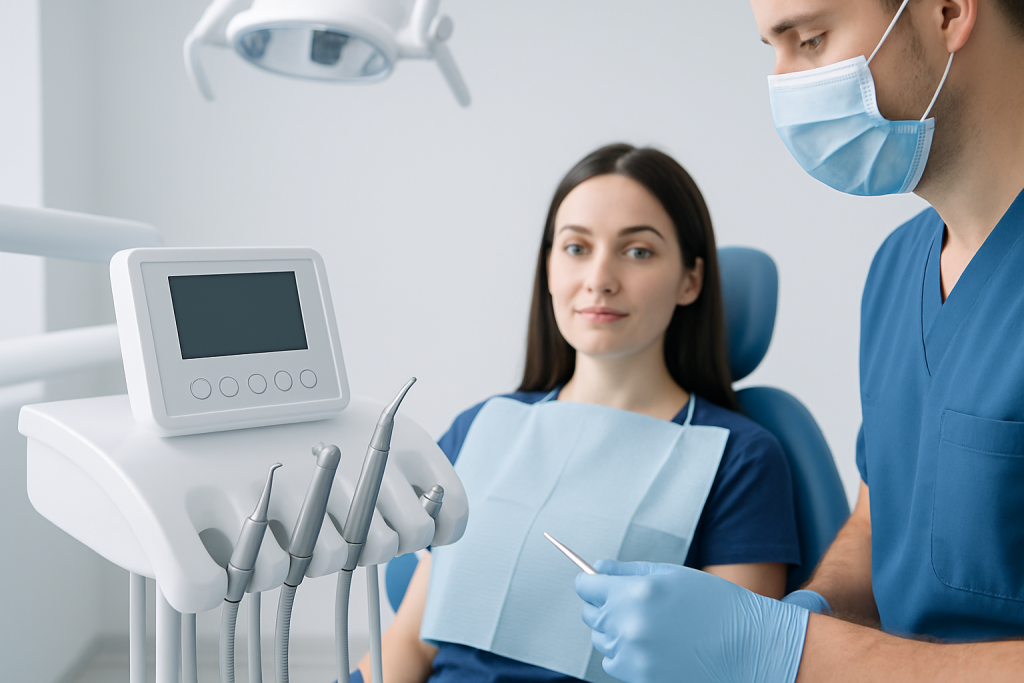
Before the cleaning begins, the dental professional typically reviews the person’s medical and dental history. This matters because certain conditions, such as a history of heart problems, pregnancy, diabetes, or a tendency to bleed easily, may influence the visit and the way the mouth is examined. If there has been recent tooth pain, swelling, bleeding gums, or jaw discomfort, those symptoms should be mentioned at the start.
Many appointments begin with a look at the gums and teeth, sometimes with X-rays if the dentist thinks they are needed. The goal is to understand where plaque and tartar are collecting and whether there are pockets around the gums that may suggest periodontal disease. Patients are often surprised that the “before” part of the visit is as important as the cleaning itself, because it helps the dentist tailor the care instead of using a one-size-fits-all approach.
Before the visit, it is helpful to continue brushing and flossing normally unless the dentist has given different instructions. There is no need to scrub extra hard; the point is to arrive with honest, everyday oral hygiene habits so the dental team can see the mouth’s real condition. If someone is traveling for treatment, bringing previous dental records, recent X-rays, or a list of medications can make the assessment smoother.
What the cleaning itself may feel like

During a standard cleaning, the hygienist or dentist removes plaque and tartar from the tooth surfaces, especially near the gumline and between teeth. This is often done with manual instruments, an ultrasonic scaler, or a combination of both. Some areas may feel ticklish, scratchy, or slightly sensitive, particularly if buildup is heavier or the gums are already irritated.
After the hard deposits are removed, the teeth are usually polished to smooth the surface and reduce the chance of new plaque sticking quickly. A fluoride treatment may be offered in some settings, especially if there is a higher risk of cavities or sensitivity. People with healthy gums often find the visit straightforward, while those with gum inflammation may notice more tenderness or a little bleeding during the procedure.
Importantly, bleeding does not automatically mean something is seriously wrong. Gums that bleed during cleaning often show that inflammation has been present for a while and that the area needs better daily plaque control. The dental team can explain whether the findings are within the normal range for routine cleaning or whether deeper periodontal care is needed.
The after: visible changes and common short-term effects
After a dental cleaning, many people notice that the teeth feel smoother and that the mouth feels cleaner overall. Stains from coffee, tea, tobacco, or everyday food residue may be reduced, although a cleaning is not the same as whitening. The gums may also look less puffy over time if inflammation had been present before the visit.
Short-term effects are usually mild. Teeth can feel temporarily sensitive to cold drinks or brushing, especially if tartar was covering part of the tooth surface before cleaning. Some people also experience slight gum tenderness or minor spotting of blood when they floss later the same day. These effects generally settle on their own within a short time.
The “after” period is also a useful moment to notice changes in oral habits. If a patient can keep the teeth cleaner for longer after the appointment, it usually means the home-care routine is working well. If buildup returns quickly, that can be a sign that brushing technique, flossing habits, dry mouth, or diet need attention.
Why results look different from person to person
Not every dental cleaning before after story looks the same. A person who has regular six-month cleanings and good home care may see only a subtle difference, while someone returning after years without a dental visit may notice a dramatic change. The amount of tartar, the presence of gum disease, and the natural color of the teeth all affect the result.
Smokers, people who drink staining beverages often, and those with braces or crowded teeth may see more obvious improvement because there was more buildup to begin with. On the other hand, people with thin enamel, enamel wear, or internal tooth discoloration may still see some dark areas even after a thorough cleaning. That does not mean the cleaning was unsuccessful; it simply reflects the limits of preventive care.
It is also common for the gums to need time to settle. If inflammation had been hiding beneath plaque, the area may look a little raw immediately after cleaning, then improve as daily brushing and flossing become easier and more effective. The real result is often best judged over the following days and weeks, not only in the dental chair.
How to care for teeth after a cleaning
After a cleaning, the simplest approach is usually the best one: keep brushing gently twice a day and flossing once a day, unless the dental team advises otherwise. A soft-bristled toothbrush can be more comfortable if the gums feel tender. If sensitivity is present, a toothpaste designed for sensitive teeth may help, though it is best to ask the dentist if symptoms persist.
For the first day, some people prefer to avoid very hot, very cold, or highly acidic foods if their teeth feel sensitive. This is a temporary adjustment rather than a strict rule. Staying hydrated and maintaining regular oral hygiene also help the mouth recover more comfortably.
If a fluoride treatment was applied, the dentist may give short instructions about eating or drinking afterward. When patients are traveling back to another country soon after treatment, they should ask for clear written guidance and a follow-up plan. That makes it easier to continue care with a local dentist if additional treatment is needed later.
Helpful habits after cleaning often include:
- Brushing gently with a soft toothbrush
- Flossing carefully to remove plaque between teeth
- Drinking water throughout the day
- Limiting frequent snacking on sugary foods
- Keeping the next preventive visit on schedule
Prevention and self-care between cleanings
A professional cleaning works best when daily habits support it. Brushing for two minutes with fluoride toothpaste helps remove the soft plaque that would otherwise harden into tartar. Flossing or using another interdental cleaning method is especially important because toothbrushes cannot reach every contact point between teeth.
Diet and saliva also matter. Frequent exposure to sugary drinks or snacks can feed the bacteria that contribute to plaque buildup, while dry mouth can make the mouth more vulnerable to decay and gum irritation. People who breathe through their mouth, take certain medications, or travel often may need extra attention to hydration and oral care routines.
Regular dental visits are another part of prevention. For some people, that means twice a year; for others, especially those with gum disease or higher risk of buildup, more frequent visits may be recommended. The goal is not to chase perfection, but to stay ahead of problems before they become harder to treat.
When to see a dentist
A cleaning appointment is appropriate for routine preventive care, but certain symptoms deserve a sooner evaluation. Persistent bleeding gums, swelling, ongoing bad breath, loose teeth, pain when chewing, or a tooth that feels sensitive in one specific spot may point to a problem that needs more than a cleaning alone. Pain or swelling should not be ignored, even if it seems mild at first.
People who have not had a dental visit for a long time may benefit from a more detailed exam before or during the cleaning, especially if there is heavy tartar buildup or visible gum recession. Those who are undergoing treatment abroad should ask for a full written summary of findings, because continuity of care matters when follow-up will happen in another country.
Acibadem Health Point’s multidisciplinary specialists and JCI-accredited hospitals diagnose and treat dental conditions for international patients, with care plans designed to be clear before travel and practical after the visit. A dentist can help determine whether a routine cleaning is enough or whether deeper periodontal treatment, restorative care, or monitoring is needed.
A practical way to think about before and after
The most useful way to view dental cleaning before after is not as a dramatic transformation, but as a reset point for oral health. Before the visit, plaque and tartar may have been quietly building up; after the visit, the mouth has a cleaner surface and a better chance of staying healthy with good daily care.
That reset can be especially valuable for patients managing care across borders. A dental cleaning provides a fresh baseline, helps the dentist identify what needs attention next, and makes future treatment easier to plan. For many people, that is the real value of the appointment: not just how the teeth look the same day, but how the mouth responds in the weeks that follow.
Frequently asked questions
01What should teeth look like after a dental cleaning?
Teeth often look and feel smoother, and surface stains may be lighter. The gums may be slightly tender at first if there was inflammation, but they often look healthier as healing continues. A cleaning does not change the natural color of the teeth the way whitening does.
02Is it normal to bleed after a dental cleaning?
A small amount of bleeding can happen, especially if the gums were inflamed before the visit. It usually settles quickly with good oral hygiene and gentle care. If bleeding is heavy or continues, the dentist should be informed.
03How long does sensitivity last after a cleaning?
Any sensitivity is usually temporary and improves within a short time. It may be more noticeable if tartar had been covering the tooth surfaces or if the gums were irritated. If the discomfort does not ease, the dentist can check for another cause.
04How often should a person have a dental cleaning?
Many people benefit from a cleaning every six months, but the right interval depends on gum health, tartar buildup, and overall risk for dental disease. Some patients need more frequent care, while others may do well with less frequent visits. A dentist can recommend the best schedule.
05What if the mouth feels sore after returning home?
Mild soreness can be normal for a short time after cleaning, especially if the gums were inflamed before the visit. Gentle brushing, hydration, and avoiding very hot or cold foods for a while can help. If soreness becomes severe or lasts longer than expected, a dentist should review it.
This article is for general information only and is not a substitute for professional medical advice. Please consult a qualified doctor about your individual situation.
Explore treatments in Turkey — costs, top hospitals & a free quote
JCI-accredited · board-certified surgeons · reply within 24h
Add us as a Preferred Source to see more of our trusted health content across Google Search, AI Overviews and Discover.


How can we help you today?
Meet an Acibadem specialist by secure video, before you travel.
Book a video visit