Demyelinating Disease: Symptoms, Causes and Treatment

Key Takeaways
- Demyelinating disease affects the myelin that helps nerve signals travel smoothly.
- Symptoms vary widely and may include vision changes, numbness, weakness, balance problems, and fatigue.
- Diagnosis usually relies on neurological examination, MRI, blood tests, and sometimes spinal fluid testing.
- Treatment focuses on slowing disease activity, managing relapses, and supporting daily function.
- Early evaluation by a neurologist can help clarify the cause and guide long-term care.
Demyelinating disease refers to conditions that damage myelin, the protective covering around nerve fibers in the brain, spinal cord, or nerves. When myelin is affected, signals travel less efficiently, which can lead to a wide range of neurological symptoms that often come and go or gradually progress.
Overview
Demyelinating disease is an umbrella term for conditions that injure myelin, the fatty protective layer that surrounds many nerve fibers. Myelin works much like insulation on an electrical wire: it helps messages move quickly and accurately through the nervous system. When it is damaged, communication between the brain, spinal cord, and body can become disrupted.
These disorders are not all the same. Some are autoimmune, meaning the immune system mistakenly attacks healthy nerve tissue. Others may develop after infection, inflammation, or in association with specific genetic or medical conditions. Multiple sclerosis is the best-known example, but it is only one of several demyelinating disorders.
Because symptoms can vary from mild to disabling, people often spend time trying to make sense of scattered signs before they receive an answer. A careful neurological evaluation is important, especially when symptoms affect vision, movement, sensation, or coordination.
Symptoms
The symptoms of demyelinating disease depend on which nerves are involved and how much myelin has been affected. Some people notice one sudden problem, while others develop symptoms slowly over time. Many experience periods of flare-ups followed by partial or complete improvement.
Common symptoms include:
- Numbness or tingling in the arms, legs, face, or trunk
- Muscle weakness or heaviness
- Blurred vision, double vision, or pain with eye movement
- Difficulty with balance, walking, or coordination
- Fatigue that feels out of proportion to activity
- Muscle stiffness or spasms
- Problems with bladder control or bowel function
- Changes in thinking, concentration, or processing speed
Not every symptom means a demyelinating disorder is present. However, new neurological changes that persist, recur, or interfere with daily life deserve medical attention so the underlying cause can be identified.
Causes & Risk Factors

Demyelination can happen for several reasons. In autoimmune conditions such as multiple sclerosis, the immune system targets myelin and sometimes the cells that produce it. In other disorders, inflammation may follow an infection or occur as part of a broader immune response. Less commonly, demyelination may be linked to vitamin deficiencies, inherited conditions, toxins, or other neurological diseases.
Risk factors vary by condition, but may include:
- Family history of certain autoimmune or neurological disorders
- Prior viral or infectious triggers in some cases
- Age, sex, and genetic background, depending on the specific disorder
- Other autoimmune disease
- Low levels of certain nutrients, especially vitamin B12, in selected situations
It is helpful to remember that risk factors do not determine outcomes on their own. Many people with a risk factor never develop disease, and some people with demyelinating disease have no obvious family history or trigger. The specific diagnosis matters, because causes and expected patterns can differ considerably between conditions.
Diagnosis
Diagnosis usually begins with a detailed history of symptoms, followed by a neurological examination. A clinician will want to know when the symptoms started, whether they come and go, which body parts are affected, and whether there has been a recent infection or other medical change. This history often helps narrow the possible causes before tests are ordered.
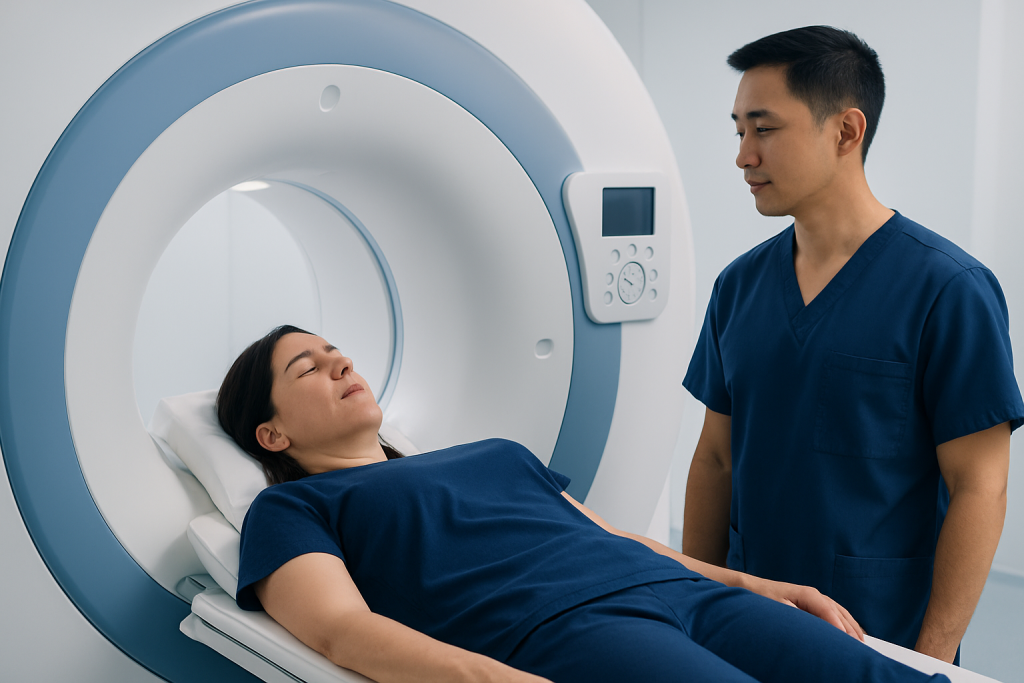
Imaging is often central to the workup. Magnetic resonance imaging, or MRI, can show areas where myelin has been injured in the brain or spinal cord. Depending on the situation, doctors may also request blood tests to look for inflammation, vitamin deficiency, infection, autoimmune markers, or other conditions that can mimic demyelinating disease.
In some cases, a lumbar puncture, also called a spinal tap, is recommended to examine cerebrospinal fluid. Evoked potential studies or other neurological tests may be used to measure how well signals travel along certain pathways. For international patients, it is reasonable to ask what testing can be completed before travel, what may need repeating, and how results will be shared with the home physician afterward.
Treatment Options
Treatment depends on the exact type of demyelinating disease, how active it is, and which symptoms are most disruptive. In many immune-mediated disorders, the immediate goal is to calm inflammation during a relapse and reduce the chance of future attacks. In other situations, treatment focuses on the underlying cause, such as correcting a deficiency or treating a related medical condition.
Doctors may use medicines that reduce inflammation or modify immune activity, along with therapies to help manage individual symptoms. Depending on the diagnosis, care may include medications for muscle stiffness, pain, bladder symptoms, or fatigue. Rehabilitation can also be an important part of treatment, especially when weakness, balance problems, or speech and swallowing issues affect everyday function.
Long-term care is usually individualized. Some people need periodic monitoring with repeat imaging or follow-up visits, while others benefit from a structured treatment plan that is adjusted over time. If a patient is traveling for care, it is useful to plan for continuity: a clear treatment summary, medication list, imaging copies, and follow-up instructions can make the return home smoother and safer.
Prevention & Self-care
Not every form of demyelinating disease can be prevented, but self-care can support stability and quality of life. The most practical approach is to understand personal triggers, follow the treatment plan closely, and keep regular neurology follow-up. Small daily habits often make a meaningful difference when symptoms fluctuate.
Helpful self-care steps may include:
- Taking prescribed medicines as directed and not stopping them without medical advice
- Keeping follow-up appointments and reporting new symptoms early
- Prioritizing rest, hydration, and balanced meals
- Using physical therapy, occupational therapy, or mobility aids when recommended
- Managing heat, stress, and sleep disruption, which can worsen symptoms in some people
- Discussing travel plans in advance if long flights, time-zone changes, or limited access to care may affect treatment
Family members and caregivers can also help by tracking symptom changes, helping organize medication schedules, and supporting safe mobility at home. When recovery is uneven, practical planning is often as valuable as medical treatment.
When to See a Doctor
Medical evaluation should not be delayed when neurological symptoms are new, sudden, or progressively worsening. Symptoms such as vision loss, marked weakness, severe imbalance, trouble speaking, or numbness that spreads deserve prompt assessment, especially if they interfere with walking, swallowing, or independent daily activity.
It is also wise to seek care if symptoms recur after seeming to improve, or if a person already diagnosed with a demyelinating disorder notices a change from their usual pattern. Even when symptoms are mild, early review can help distinguish a flare from another condition and may prevent avoidable complications.
People considering care abroad often look for a team that can evaluate the problem thoroughly, coordinate imaging and specialist review, and provide clear follow-up planning before they travel home. Acibadem Health Point’s multidisciplinary specialists and JCI-accredited hospitals diagnose and treat demyelinating diseases for international patients with this kind of coordinated approach.
Frequently asked questions
01Is demyelinating disease the same as multiple sclerosis?
Not exactly. Multiple sclerosis is one type of demyelinating disease, but the term also includes other conditions that damage myelin. A neurologist usually looks for the specific cause before naming the diagnosis.
02Can demyelinating disease be cured?
Some causes can be treated very effectively, especially if they are identified early, but many demyelinating disorders are chronic and need ongoing management. The treatment goal is often to reduce disease activity, limit new damage, and preserve function.
03What tests are most commonly used to diagnose it?
Doctors often start with a neurological exam and MRI scans of the brain and/or spinal cord. Blood tests and, in some cases, spinal fluid testing help rule out other conditions and support the diagnosis.
04Do symptoms always come and go?
No. Some demyelinating disorders relapse and improve, while others progress more steadily. The pattern depends on the exact condition and how active it is.
05Can lifestyle changes help?
Yes, lifestyle measures can support treatment and daily functioning, even though they do not replace medical care. Rest, symptom tracking, physical activity adapted to ability, and regular follow-up can all be helpful.
06When should someone seek urgent help?
Urgent evaluation is important for sudden vision loss, significant weakness, trouble speaking, severe walking difficulty, or rapidly worsening neurological symptoms. These changes may have several possible causes and should be assessed quickly.
This article is for general information only and is not a substitute for professional medical advice. Please consult a qualified doctor about your individual situation.
Persistent digestive symptoms? Get evaluated in Turkey
JCI-accredited · board-certified surgeons · reply within 24h
Add us as a Preferred Source to see more of our trusted health content across Google Search, AI Overviews and Discover.