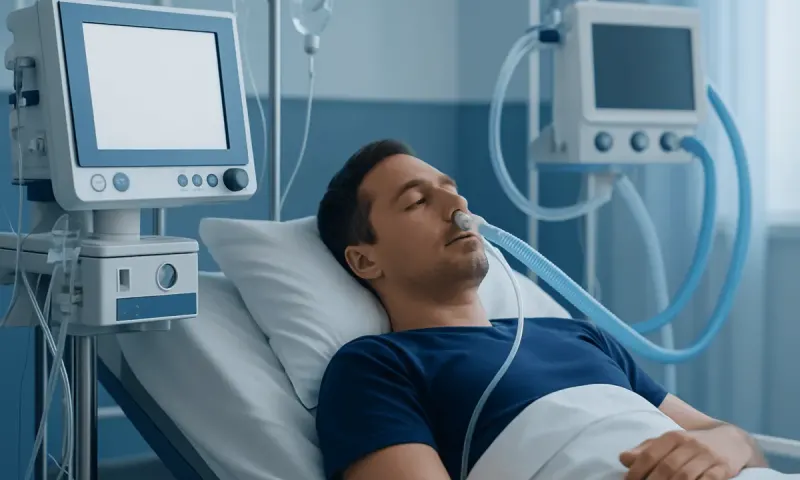
Deep Sleep Needs by Age: What Changes Over Time
Most people do not need to track a precise nightly deep-sleep target. Deep sleep naturally changes with age, varies from night to night, and is best considered alongside total sleep, daytime alertness, and any symptoms of a sleep disorder.
Overview: how much deep sleep is needed at different ages?
For most people, occasional nights with less estimated deep sleep are harmless. The answer to how much deep sleep do you need by age is not a fixed number because deep sleep changes naturally across the lifespan and can vary substantially from one night to the next.
Deep sleep, also called slow-wave sleep or stage N3 sleep, is the deepest stage of non-rapid eye movement (non-REM) sleep. It is more concentrated in the first half of the night and is harder to wake from than lighter sleep stages. It supports physical restoration, immune function, memory processing, and healthy regulation of many body systems.
Children generally have the greatest proportion of deep sleep. In healthy adults, deep sleep often represents roughly 13% to 23% of total sleep, although normal amounts differ between individuals. An adult sleeping seven to nine hours may therefore spend approximately one to two hours in deep sleep, but feeling rested and functioning well during the day are more meaningful signs than a tracker score alone.
- Infants and young children: Deep sleep is relatively abundant because of rapid growth and brain development.
- School-age children and teenagers: Deep sleep remains substantial, although sleep timing often changes during adolescence.
- Adults: Deep sleep gradually becomes less prominent, especially after early adulthood.
- Older adults: Deep sleep may be lighter and more fragmented, but restful sleep remains possible and important.
Why deep sleep changes with age and from night to night
Sleep is organized into repeating cycles that include light non-REM sleep, deep non-REM sleep, and rapid eye movement (REM) sleep. The exact pattern changes through the night. Deep sleep is usually most plentiful during the earlier cycles, while REM sleep tends to become longer toward morning.
Age is one important influence. The brain naturally spends less time in deep sleep as people get older, and sleep may become more easily interrupted by noise, pain, medication effects, nighttime urination, or health conditions. This does not automatically mean there is a medical problem.
Short-term changes are also common. Stress, travel, irregular bedtimes, alcohol, illness, intense exercise close to bedtime, and a warm or uncomfortable bedroom can all affect sleep continuity and the amount of time a device estimates as deep sleep. After a period of reduced sleep, the body may spend more time in deep sleep during recovery sleep.
Rather than aiming for the same deep-sleep total every night, it is more useful to look for an overall pattern: enough opportunity for sleep, reasonably consistent sleep timing, refreshed waking on many days, and the ability to stay alert and function during daytime activities.
Can a smartwatch accurately measure deep sleep?

Smartwatches, rings, and phone applications typically estimate sleep stages using movement, heart rate, and sometimes skin temperature or other signals. These tools can help some people notice sleep habits, such as inconsistent bedtimes or frequent awakenings, but their deep-sleep estimates are not exact measurements.
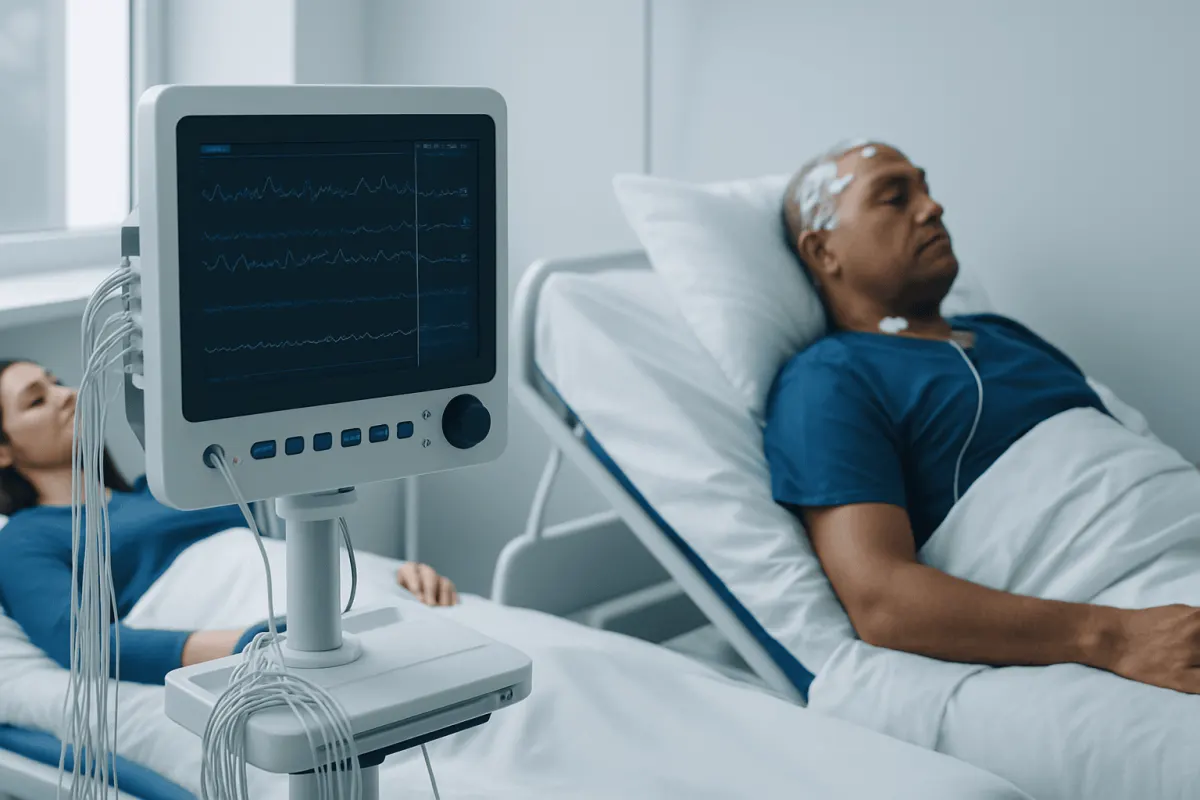
A clinical sleep study uses brain-wave recordings, eye movements, muscle activity, breathing measures, oxygen levels, and other signals to identify sleep stages more accurately. Even then, sleep naturally differs from night to night, so one night does not always represent a person’s usual sleep pattern.
It is often reassuring if a wearable reports a low deep-sleep value once in a while, especially when the person feels well. Repeatedly checking sleep data can also create worry about achieving “perfect” sleep, which may itself make sleep more difficult. A device result should not be used to self-diagnose insomnia, sleep apnea, or another condition.
If wearable data consistently seems concerning and is accompanied by poor sleep, daytime symptoms, or reports of abnormal breathing during sleep, the right next step is discussion with a qualified clinician rather than trying to correct the number alone.
Symptoms and warning signs that may point to a sleep problem
Reduced deep sleep is not usually felt directly. A person may instead notice unrefreshing sleep, frequent nighttime waking, low energy, irritability, difficulty concentrating, or excessive sleepiness during the day. These symptoms have many possible causes, including insufficient total sleep, stress, mood changes, medications, pain, and medical illnesses.
Loud habitual snoring, witnessed pauses in breathing, gasping or choking during sleep, morning headaches, and marked daytime sleepiness may suggest sleep apnea. In this condition, breathing repeatedly narrows or stops during sleep, disrupting sleep quality even when a person is unaware of the awakenings.
Difficulty falling asleep, staying asleep, or returning to sleep after waking may be related to insomnia, particularly when it happens regularly and affects daytime wellbeing. Restless legs symptoms, frequent nighttime movements, reflux, nasal obstruction, anxiety, depression, and certain medicines can also disturb sleep.
Sleep concerns are worth assessing in context. A person may have a normal amount of deep sleep on a study but still feel tired because total sleep time is too short or sleep is repeatedly interrupted. Conversely, a low tracker estimate without symptoms may not require any medical action.
How doctors assess poor-quality sleep
A doctor usually begins by asking about sleep timing, work schedules, naps, caffeine and alcohol use, medications, medical history, mood, and daytime functioning. A sleep diary kept for one to two weeks can be helpful. It records bedtime, wake time, awakenings, naps, and factors that may affect sleep.
When snoring, breathing pauses, or unexplained daytime sleepiness are present, a clinician may recommend testing for sleep-disordered breathing. This may involve a home sleep apnea test for selected patients or an overnight sleep study, known as polysomnography, in a sleep laboratory.
Polysomnography can measure sleep stages and identify breathing events, oxygen changes, limb movements, and other disruptions. It is not routinely needed simply because a wearable shows less deep sleep. Testing is chosen based on symptoms, examination findings, and the likelihood of an underlying sleep condition.
Doctors may also consider contributors outside sleep medicine, such as thyroid disease, anemia, chronic pain, lung or heart conditions, and mental health concerns. Identifying the cause of disrupted sleep helps guide care more effectively than focusing only on deep-sleep duration.
Supporting healthy deep sleep and overall sleep quality
The most reliable way to support deep sleep is to protect enough total sleep time. Most adults need seven to nine hours of sleep per night, while teenagers and children generally need more. Individual needs vary, and regular daytime functioning matters as much as a specific sleep-stage number.
A consistent daily routine can strengthen the body’s sleep-wake rhythm. Going to bed and getting up at similar times, including on most weekends, can be particularly useful. Exposure to daylight in the morning, regular physical activity, and a quiet, dark, comfortably cool bedroom may also support better sleep continuity.
It can help to limit caffeine later in the day and avoid alcohol close to bedtime. Although alcohol may initially cause drowsiness, it can fragment sleep later in the night. Large meals, nicotine, and vigorous exercise immediately before bedtime may also interfere with sleep for some people.
For persistent insomnia symptoms, a clinician may recommend cognitive behavioral therapy for insomnia (CBT-I), a structured approach that addresses thoughts and habits that perpetuate poor sleep. Medication may be appropriate for some people, but should be individualized and reviewed by a healthcare professional rather than chosen solely to increase deep sleep.
When to seek medical care
Medical review is advisable when sleep problems continue for several weeks, interfere with work, school, mood, or safety, or cause persistent daytime sleepiness despite adequate time in bed. It is also important to seek assessment for loud snoring with witnessed breathing pauses, nighttime choking or gasping, or sleepiness while driving.
A person should contact a doctor promptly if they experience severe shortness of breath at night, chest pain, new neurological symptoms, or symptoms that create an immediate safety concern. Sleepiness should never be ignored when it affects driving, operating machinery, or other activities requiring sustained attention.
Most sleep changes are manageable once the underlying contributors are identified. A sleep-focused clinician can review symptoms, assess possible causes, and advise whether lifestyle measures, behavioral therapy, a home test, or an overnight sleep study would be useful.
Acıbadem Health Point’s multidisciplinary specialists and JCI-accredited hospitals can assess sleep concerns and related conditions for international patients, with care guided by individual symptoms and clinical findings.
Frequently asked questions
01What percentage of sleep should be deep sleep?
In many healthy adults, deep sleep accounts for approximately 13% to 23% of total sleep. The percentage can vary with age, recent sleep loss, health, stress, and normal night-to-night differences. A lower estimate on a consumer tracker does not by itself indicate a problem.
02Is 30 minutes of deep sleep enough?
Thirty minutes may be less than expected for many adults who sleep a full night, but one night or one tracker reading cannot determine whether sleep is unhealthy. The amount may temporarily change after stress, illness, travel, alcohol use, or a disrupted schedule. Ongoing tiredness or disrupted sleep is a better reason to speak with a doctor.
03Why do older adults get less deep sleep?
Deep sleep normally declines with age, and sleep may become lighter and more fragmented. Medical conditions, pain, medications, nighttime urination, and sleep disorders can add to this change. Less deep sleep in later life is common, but troublesome daytime symptoms should still be assessed.
04Can you increase deep sleep naturally?
Healthy habits can support sleep continuity and may support normal deep sleep. These include allowing enough time for sleep, keeping a regular schedule, exercising regularly, limiting alcohol near bedtime, and making the bedroom comfortable and quiet. No single food, supplement, or device can reliably guarantee more deep sleep.
05Does deep sleep help with memory?
Deep sleep is involved in physical restoration and in processing certain forms of learning and memory. However, healthy sleep depends on all sleep stages, including REM sleep, rather than deep sleep alone. Total sleep duration and uninterrupted sleep are both important for cognitive performance.
06When should low deep sleep be evaluated by a doctor?
A medical review is appropriate if a person has persistent unrefreshing sleep, excessive daytime sleepiness, frequent insomnia symptoms, loud snoring, gasping, or witnessed breathing pauses. A clinician can look beyond wearable data and assess for sleep apnea, insomnia, medication effects, or other health contributors. Urgent advice is needed if sleepiness makes driving or other safety-sensitive activities unsafe.
This article is for general information only and is not a substitute for professional medical advice. Please consult a qualified doctor about your individual situation.
Explore treatments in Turkey — costs, top hospitals & a free quote
JCI-accredited · board-certified surgeons · reply within 24h
Add us as a Preferred Source to see more of our trusted health content across Google Search, AI Overviews and Discover.