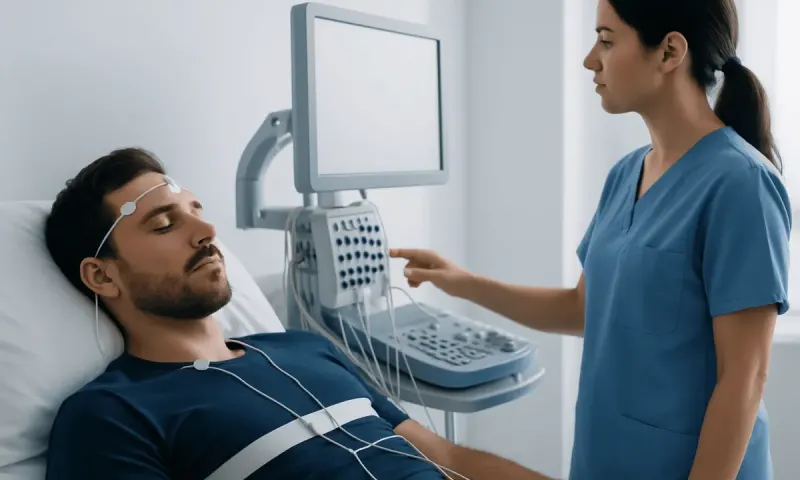
Debilitating Anxiety: When Daily Life Feels Unmanageable
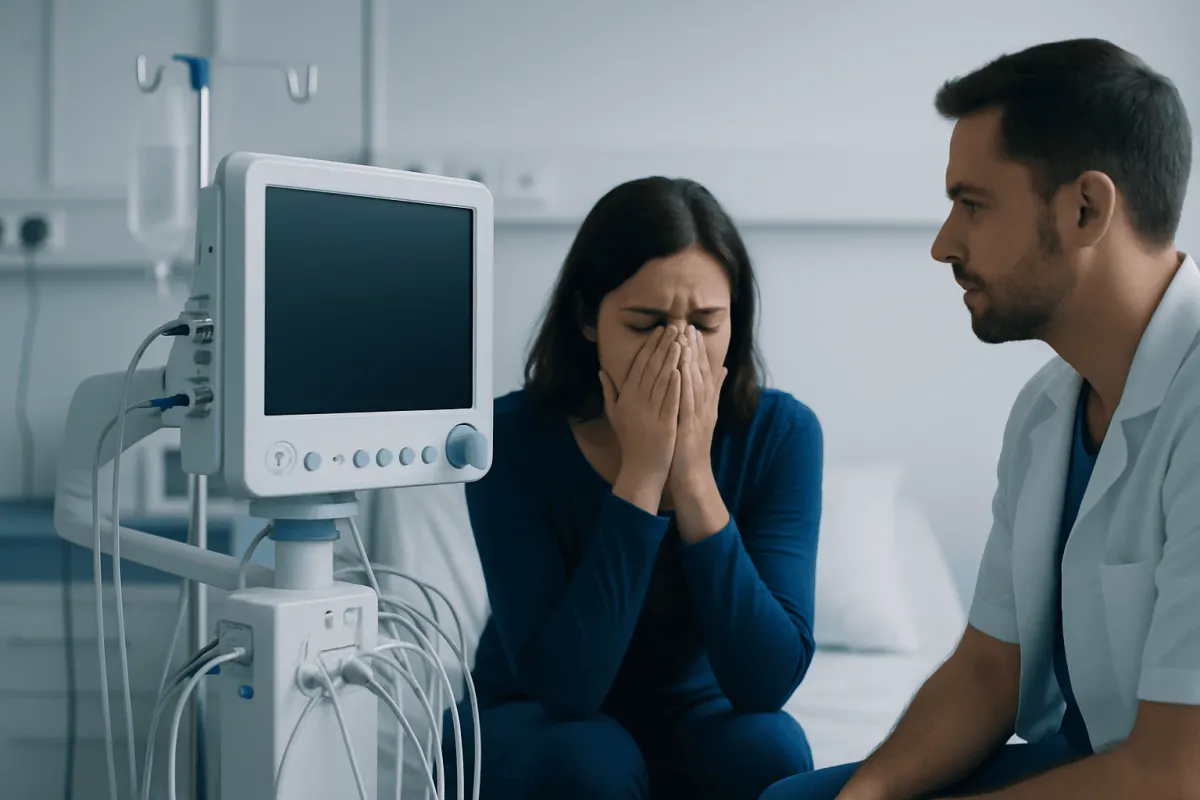
Debilitating anxiety can make everyday tasks, work, relationships and sleep feel difficult, but effective help is available. Treatment usually combines a careful clinical assessment with psychotherapy, practical coping strategies and, for some people, medication or treatment of related health conditions.
Overview: What debilitating anxiety means
Debilitating anxiety describes fear, worry, panic or physical tension that is so persistent or intense that it limits normal activities. A person may struggle to leave home, concentrate at work or school, sleep, make decisions, attend social situations or manage ordinary responsibilities. Although people often use terms such as crippling anxiety or debilitating anxiety interchangeably, clinicians assess the symptoms, their duration, their impact and the possible underlying anxiety disorder.
It is not a personal weakness and it is not something a person needs to simply “push through.” Anxiety is the body’s normal response to perceived threat, but it can become overwhelming when the alarm system is activated too often, too strongly or in situations that are not truly dangerous. A healthcare professional can help distinguish anxiety from physical illnesses and identify concerns such as panic disorder, generalized anxiety disorder, social anxiety disorder, trauma-related conditions or obsessive-compulsive symptoms.
There is no single procedure that cures anxiety. Instead, debilitating anxiety treatment is usually a structured plan that may include psychological therapy, lifestyle and sleep support, medication when appropriate, and follow-up to adjust care. The goal is not necessarily to eliminate every feeling of anxiety, but to reduce distress, restore functioning and help the person respond to worry more effectively.
Symptoms and effects on daily life
Anxiety can affect thoughts, emotions, the body and behaviour. Persistent worry, a sense of impending danger, irritability, difficulty concentrating and feeling unable to control fearful thoughts are common. Some people avoid places, conversations, travel, driving, work tasks or medical appointments because they expect anxiety to become unmanageable.
Physical symptoms may include a racing heartbeat, shortness of breath, chest tightness, sweating, shaking, nausea, dizziness, headaches, muscle tension, fatigue and sleep problems. These symptoms are real and can be frightening. However, similar symptoms may also occur with medical conditions, medication effects, substance use or withdrawal, so new, severe or unexplained symptoms should be assessed rather than assumed to be anxiety.
Debilitating anxiety and depression can occur together. Depression may involve persistent low mood, loss of interest, hopelessness, low energy, changes in appetite or sleep, and thoughts of death or self-harm. When both conditions are present, addressing each one is important, as combined symptoms can have a greater effect on everyday wellbeing and recovery.
- Anxiety may be persistent, or it may occur in episodes such as panic attacks.
- Avoidance can bring short-term relief but often maintains anxiety over time.
- Symptoms can fluctuate, particularly during illness, major life changes, poor sleep or ongoing stress.
Causes, stress and risk factors
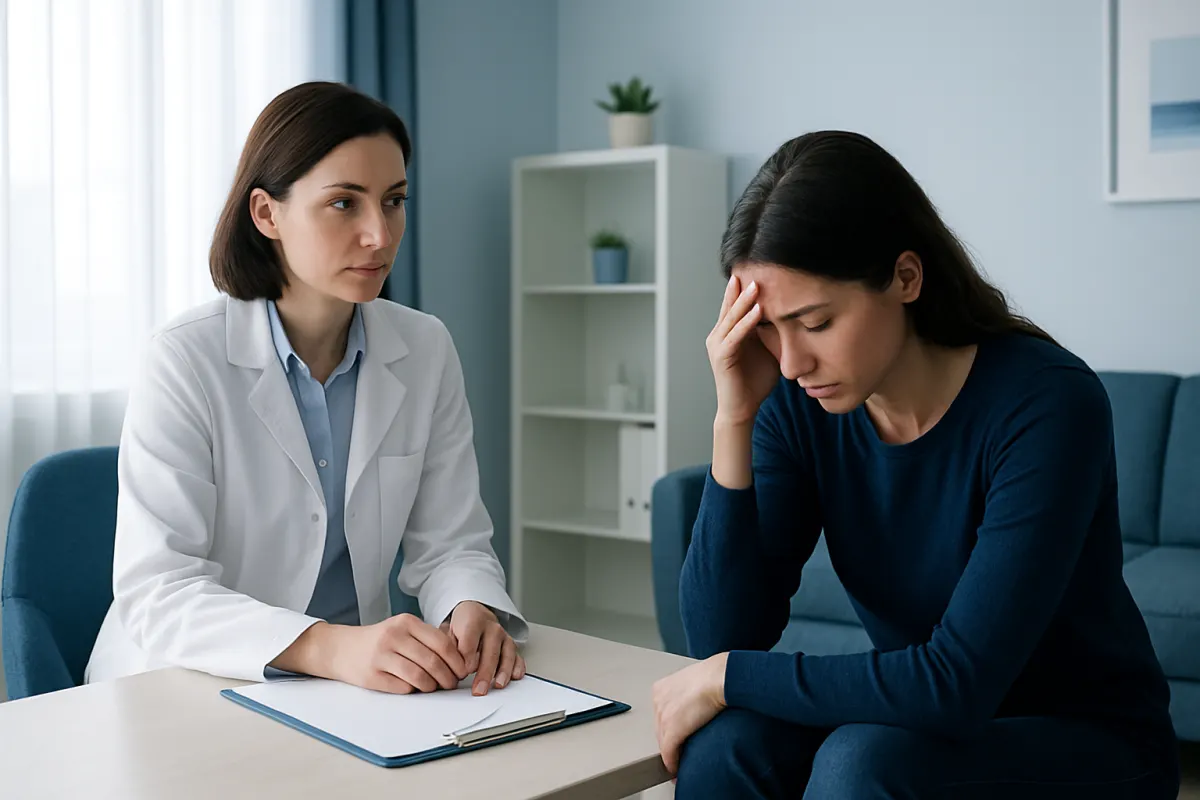
Debilitating anxiety rarely has one cause. It often develops through a combination of genetic vulnerability, temperament, stressful experiences, learned patterns of threat response, health conditions and current pressures. Family history may increase susceptibility, but it does not determine a person’s future. Anxiety can also begin after a difficult life event or without an obvious trigger.
Chronic stress can keep the body in a prolonged state of alertness. Financial strain, caregiving demands, workplace pressure, conflict, grief, trauma, long-term pain and uncertainty can all contribute. In addition, insufficient sleep, frequent alcohol or stimulant use, excess caffeine, nicotine, some medicines and recreational substances may worsen anxiety for some people.
A clinician may consider possible medical contributors, including thyroid disorders, heart rhythm problems, breathing conditions, hormonal changes and medication side effects. This is why a comprehensive assessment is useful, particularly when symptoms begin suddenly, are new later in life, or are accompanied by significant physical changes.
Assessment and treatment: a personalised care plan
Assessment usually begins with a discussion of symptoms, triggers, medical history, sleep, substance use, mood and daily functioning. The clinician may use screening questionnaires and, when indicated, perform a physical examination or request tests to rule out medical causes. A diagnosis is based on the full clinical picture, not on a single symptom or questionnaire score.
Psychological therapies are effective for many anxiety disorders. Cognitive behavioural therapy (CBT) helps people identify unhelpful thought patterns, reduce avoidance and gradually build confidence in situations that trigger fear. Exposure-based approaches, when appropriate and guided by a qualified professional, can help the brain relearn that feared situations can be managed safely. Other helpful approaches may include acceptance and commitment therapy, mindfulness-based therapy, trauma-focused therapy or supportive counselling, depending on the person’s needs.
Medication may be considered when symptoms are moderate to severe, persist despite therapy, or make it difficult to engage in daily life and treatment. A doctor or psychiatrist can discuss expected benefits, side effects, interactions and follow-up. Some medicines work gradually, while others are intended only for limited, carefully supervised situations because of risks such as dependence or sedation. Medication decisions should be individualised and should not be stopped suddenly without medical guidance.
Meaningful debilitating anxiety relief often comes from combining professional care with practical steps: regular sleep and meals, gentle physical activity, reduced caffeine or alcohol if these worsen symptoms, paced breathing, social connection and gradual return to valued activities. Acıbadem Health Point’s multidisciplinary specialists and JCI-accredited hospitals can assess and treat anxiety-related concerns for international patients when specialist support is needed.
How long does it take your body to recover from severe anxiety?
The body may begin to settle when the immediate stress response reduces, but recovery from severe anxiety is usually gradual rather than immediate. Physical symptoms such as muscle tension, poor sleep, digestive upset and fatigue can improve over days or weeks as a person receives support, restores routines and learns skills to regulate anxiety. If stress has been prolonged, the nervous system may need more time to feel consistently safe and settled.
Therapy often involves regular sessions over several weeks or months, and progress may be uneven. Some people notice early improvements in understanding symptoms, sleep or panic management; others need longer to reduce avoidance and regain confidence in difficult situations. If medication is prescribed, the prescriber will explain that some treatments take several weeks to show their full effect.
Recovery is better measured by improving functioning than by a fixed deadline. Useful signs include being able to sleep more reliably, attend responsibilities, tolerate uncertainty, use coping skills and re-enter activities that anxiety had restricted. Ongoing symptoms do not mean treatment has failed; they may signal that the plan needs adjustment.
How long does it take to recover from chronic stress?
There is no universal timeline for recovery from chronic stress. It depends on how long the stress has been present, whether the stressor is continuing, the person’s health, sleep, support network and access to effective care. Small improvements in rest, concentration or physical tension may occur within weeks, while recovery of resilience and confidence can take months.
Where possible, reducing the source of ongoing stress is an important part of treatment. This may involve workplace changes, practical help with caregiving, financial or social support, boundaries around demands, and treatment for sleep or health problems. Therapy can also help a person identify realistic changes while developing skills for situations that cannot be quickly altered.
Trying to recover by withdrawing completely or forcing productivity can sometimes prolong distress. A steadier approach usually works better: maintain basic routines, set small achievable goals, schedule restorative activities and increase demands gradually. A clinician can help create a plan that is safe and appropriate for the person’s responsibilities and health.
Can you recover from crippling anxiety?
Yes. Many people recover substantial wellbeing and function after crippling anxiety, especially when they receive evidence-based support and continue with a plan long enough to build new patterns. For some, recovery means symptoms become infrequent and manageable. For others, anxiety may remain a vulnerability but no longer controls daily decisions, relationships or goals.
The phrase debilitating anxiety cure can imply that one treatment will permanently remove anxiety for everyone. In practice, care focuses on lasting symptom reduction, improved functioning and relapse prevention. Learning to notice early warning signs, using therapy tools, protecting sleep, managing stress and staying connected to professional support can lower the chance that symptoms become severe again.
Setbacks can occur during major stress, illness, bereavement or change. They are common and do not erase progress. Reconnecting with a therapist or doctor early can help a person review triggers, strengthen coping strategies and adjust treatment before anxiety becomes more disruptive.
Is debilitating anxiety treatable? When to seek medical care
Debilitating anxiety is treatable. A primary care doctor, psychiatrist, psychologist or other qualified mental health professional can help identify the type of anxiety and recommend an appropriate combination of therapy, self-management strategies and medication if needed. Seeking debilitating anxiety help early can reduce the impact on work, study, relationships and physical health.
Medical care should be arranged when anxiety lasts for weeks, interferes with daily life, causes frequent panic symptoms, leads to avoidance, affects sleep or eating, or occurs alongside low mood or substance use. An urgent medical assessment is needed for new chest pain, fainting, severe breathing difficulty or other symptoms that could represent a medical emergency rather than anxiety.
Emergency help should be sought immediately if a person has thoughts of harming themselves or someone else, feels unable to stay safe, has a plan or intent to self-harm, or is unable to care for basic needs. Contact local emergency services, go to the nearest emergency department, or reach a local crisis service. If possible, a trusted person should stay with the individual while help is arranged.
Frequently asked questions
01What is debilitating anxiety?
Debilitating anxiety is anxiety severe enough to interfere substantially with normal activities, relationships, work, study, sleep or self-care. It is a descriptive term rather than a diagnosis, so a clinician assesses the symptoms and possible anxiety disorder involved.
02How long does it take your body to recover from severe anxiety?
Some physical symptoms may begin to improve over days or weeks once stress reduces and support begins, but full recovery is often gradual. Sleep, fatigue, muscle tension and digestive symptoms may take longer when anxiety has been severe or persistent. Consistent treatment and follow-up are more useful than expecting recovery by a specific date.
03How long does it take to recover from chronic stress?
Chronic stress recovery varies widely and can take weeks to months, especially if the stressor continues. Improving sleep, reducing demands where possible, getting support and treating anxiety or depression can help the body and mind recover. A healthcare professional can help if stress is affecting daily functioning.
04Can you recover from crippling anxiety?
Yes, many people regain a good quality of life with appropriate treatment and ongoing coping strategies. Therapy can reduce avoidance and fear, while medication may help some people manage severe or persistent symptoms. Recovery does not have to mean never feeling anxious; it can mean anxiety no longer controls daily life.
05Is debilitating anxiety treatable?
Yes. Evidence-based treatment may include cognitive behavioural therapy or another structured therapy, lifestyle and sleep support, and medication when clinically appropriate. The best plan depends on the anxiety pattern, medical history, personal preferences and whether depression or other conditions are also present.
06Can anxiety symptoms be caused by a physical health problem?
Yes. Some medical conditions, medicines, stimulants and substance use can cause or worsen symptoms that resemble anxiety, such as palpitations, shaking, breathlessness or sleep disturbance. A clinician can assess whether tests or medical treatment are needed, particularly for new or unusual symptoms.
This article is for general information only and is not a substitute for professional medical advice. Please consult a qualified doctor about your individual situation.
Explore treatments in Turkey — costs, top hospitals & a free quote
JCI-accredited · board-certified surgeons · reply within 24h
Add us as a Preferred Source to see more of our trusted health content across Google Search, AI Overviews and Discover.