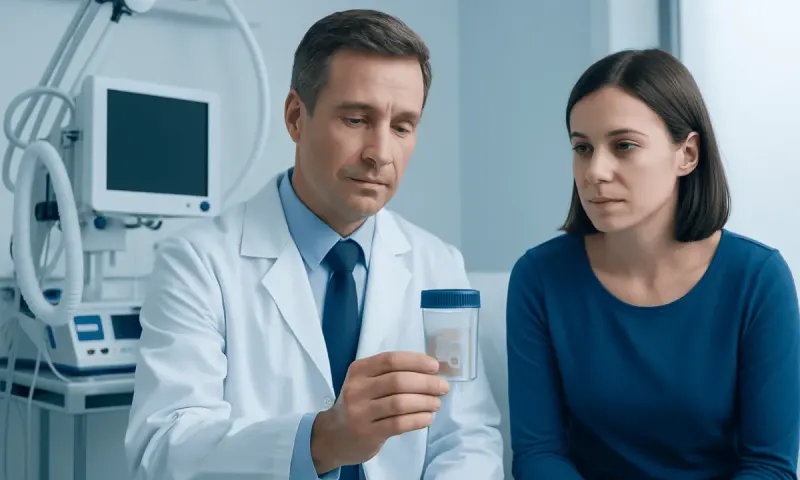
Deadly Nipah Virus Outbreak: An Evidence-Based Guide for Patients

A deadly Nipah virus outbreak is a serious public health event involving a rare but potentially severe infection that can spread from animals to people and, in some situations, between people. Patients should know that early symptoms may look like a common viral illness, but rapid medical assessment matters because the infection can worsen quickly in some cases.
Overview: what a deadly Nipah virus outbreak means
A deadly Nipah virus outbreak means there are confirmed or suspected clusters of Nipah virus infection in a community or region. Nipah virus is a rare but serious viral illness that can cause symptoms ranging from a mild fever to severe respiratory disease or encephalitis, which is inflammation of the brain. Because illness can become severe in some patients, outbreaks are treated with great caution by public health authorities.
Nipah virus belongs to a group of viruses that naturally circulate in fruit bats. Human infection can happen after contact with infected animals, contaminated foods, or body fluids from an infected person. During an outbreak, doctors and public health teams focus on early diagnosis, isolation precautions, contact tracing, and supportive medical care.
For patients and families, the most important point is that Nipah virus is uncommon, but any compatible illness after a relevant exposure should be assessed quickly. Prompt medical review helps guide testing, infection-control measures, and monitoring for complications. If severe neurological symptoms develop, care may overlap with the evaluation of encephalitis.
How Nipah virus spreads
Nipah virus is considered a zoonotic virus, meaning it can pass from animals to humans. Fruit bats are the natural reservoir. In past outbreaks, transmission has been linked to direct or indirect contact with bat secretions, infected pigs or other animals, and foods contaminated by bats, especially raw date palm sap in some regions.
Person-to-person spread can also occur, particularly through close contact with respiratory droplets, secretions, or other body fluids of an infected individual. This is why household caregivers and healthcare workers use strict infection-control precautions when Nipah virus is suspected. Transmission does not usually occur through casual, brief contact in the same way as some highly contagious respiratory viruses, but close exposure is a real concern.
Outbreak risk is influenced by local ecology, animal-human contact, food practices, and the speed of case identification. Public health advice may include avoiding raw foods exposed to bats, using protective equipment around sick patients, and limiting unprotected contact with the ill until doctors rule out infection.
Symptoms and possible complications
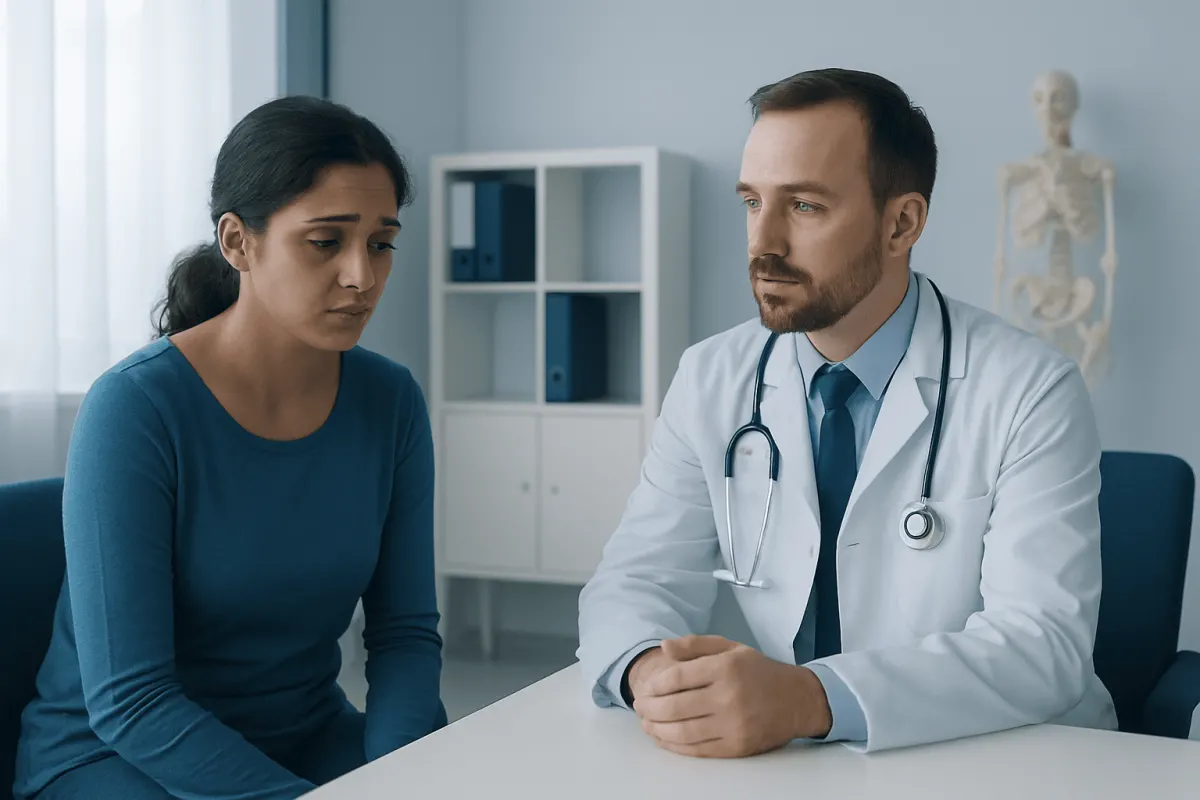
Symptoms of Nipah virus infection often begin with non-specific signs that can resemble other viral illnesses. A person may develop fever, headache, muscle aches, tiredness, vomiting, or a sore throat. Some patients also have cough or breathing discomfort early in the illness.
In a proportion of cases, the infection can progress to more serious disease. Warning signs may include drowsiness, confusion, altered behavior, seizures, severe weakness, or reduced consciousness. These symptoms can suggest brain involvement, which requires urgent hospital assessment. Some patients develop respiratory distress as well.
Not everyone follows the same course, and severity can vary. Because symptoms overlap with other infections, doctors consider travel history, exposure history, and circulation of outbreaks in the region. Conditions such as viral infections or other causes of fever and confusion may need to be ruled out before a diagnosis is confirmed.
- Early symptoms: fever, headache, muscle pain, sore throat, vomiting
- Respiratory symptoms: cough, shortness of breath, chest discomfort
- Neurological symptoms: confusion, drowsiness, seizures, coma
- Potential complications: encephalitis, severe breathing problems, long recovery after critical illness
Causes, risk factors, and who may be more exposed
The cause of Nipah virus disease is infection with the Nipah virus itself. Risk increases when a person has direct exposure to settings where the virus may be circulating. This includes living in or traveling to an outbreak area, caring for a patient with suspected infection, handling sick animals, or consuming foods that may have been contaminated by bats.
Healthcare workers, family caregivers, and close household contacts may have increased exposure if they are near respiratory secretions or body fluids without appropriate protection. People involved in animal farming or slaughtering in affected regions may also face higher risk depending on the outbreak pattern.
It is also important to understand what does not automatically mean infection. Simply hearing about an outbreak does not mean a person is likely to be infected. Risk is mainly guided by a real exposure plus compatible symptoms. A doctor may also consider other serious infections that can look similar, such as meningitis or severe pneumonia, when evaluating an unwell patient.
How doctors diagnose Nipah virus
Doctors diagnose suspected Nipah virus by combining clinical findings, exposure history, and laboratory testing. The first step is usually a careful discussion about symptoms, recent travel, contact with sick people, exposure to animals, and any food exposures associated with the outbreak. This history is essential because early symptoms are not unique to Nipah virus.
Laboratory confirmation may involve specialized tests on samples such as throat or nasal swabs, blood, urine, or cerebrospinal fluid, depending on the clinical picture and local protocols. Because Nipah virus requires strict biosafety procedures, testing is generally coordinated through reference laboratories and public health systems rather than routine outpatient testing.
Imaging and supportive tests may be needed if severe symptoms are present. For example, a patient with confusion or seizures may need neurological assessment, blood tests, and brain imaging such as MRI scan or CT scan to look for complications and exclude other causes. Diagnosis and management are often coordinated with infectious disease, internal medicine, critical care, and neurology teams.
Treatment options and hospital care
There is no widely approved specific antiviral cure for Nipah virus infection in routine practice. Treatment is therefore supportive, which means doctors focus on helping the body recover while closely monitoring for complications. Supportive care can include fluids, control of fever, management of nausea, oxygen therapy, and treatment in a high-dependency or intensive care setting when needed.
If a patient develops breathing problems, confusion, seizures, or reduced consciousness, hospital care becomes especially important. Teams may provide respiratory support, neurological monitoring, and treatment aimed at stabilizing vital functions. Patients with suspected Nipah virus are usually managed using infection-prevention measures to reduce the risk of spread to others.
Recovery depends on how severe the illness becomes and how quickly medical support is started. Follow-up may be needed for lingering neurological or general health effects after serious infection. In complex cases, multidisciplinary support can include intensive care and rehabilitation planning. Near the end of the care pathway, centers such as Acıbadem Health Point can support international patients through multidisciplinary specialists and JCI-accredited hospitals when advanced diagnosis and treatment are required.
Prevention, self-care, and protecting others
During a deadly Nipah virus outbreak, prevention is centered on reducing exposure. People in affected areas should avoid raw date palm sap and foods that may have been contaminated by bats. Fruits should be washed and peeled when appropriate, and any fruit with signs of animal bites or contamination should be avoided.
Anyone caring for a sick person should follow local medical advice about masks, hand hygiene, cleaning surfaces, and avoiding direct contact with body fluids. Shared personal items should not be used, and laundry or waste should be handled carefully according to public health guidance. If doctors suspect Nipah virus, the patient should be kept away from unnecessary visitors until the care team advises otherwise.
Self-care at home is not a substitute for evaluation when exposure risk is present. Rest, fluids, and fever relief may help mild symptoms, but they should not delay medical review if the person has recently been in an outbreak setting or had close contact with a confirmed or suspected case. Public health recommendations may change during an outbreak, so following local official guidance is essential.
When to seek medical care
Medical care should be sought promptly if a person develops fever, headache, vomiting, cough, or unusual tiredness after possible exposure during a Nipah outbreak. Exposure may include close contact with an infected person, contact with sick animals, or consumption of potentially contaminated raw foods in an affected area. Calling ahead before visiting a clinic or hospital can help the facility prepare appropriate infection-control measures.
Urgent or emergency care is needed for warning signs such as confusion, drowsiness, seizures, difficulty breathing, bluish lips, severe dehydration, or fainting. These symptoms can signal serious complications and should never be watched at home without medical guidance.
People who are pregnant, immunocompromised, elderly, or caring for a symptomatic family member may need particularly careful advice even if symptoms seem mild at first. A qualified doctor can decide whether observation at home, hospital evaluation, isolation precautions, or specialist testing is most appropriate.
Frequently asked questions
01Is a deadly Nipah virus outbreak the same as a highly contagious airborne outbreak?
No. Nipah virus can spread between people, but it is mainly associated with close contact with infected body fluids or respiratory secretions rather than easy long-distance airborne spread in everyday settings. Public health teams still use strict precautions because the illness can be severe.
02What are the first signs of Nipah virus infection?
Early symptoms often include fever, headache, muscle aches, sore throat, vomiting, and unusual fatigue. Some people also develop cough or breathing symptoms. Because these signs are non-specific, exposure history is very important.
03Can Nipah virus be treated at home?
Home care alone is not advised when a person has possible exposure during an outbreak and develops symptoms. Even mild symptoms can need medical assessment because some patients worsen over time. A doctor can decide whether monitoring at home is safe or whether hospital care is needed.
04How do doctors confirm Nipah virus?
Doctors use a combination of exposure history, physical examination, and specialized laboratory tests. Depending on symptoms, they may also use imaging or other tests to assess complications and rule out other serious illnesses. Testing is usually coordinated through public health or reference laboratories.
05Who is most at risk during a Nipah outbreak?
People at highest risk generally include close household contacts of infected patients, healthcare workers without proper protection, and individuals exposed to infected animals or contaminated foods in outbreak areas. Risk depends more on real exposure than on general public concern.
06Can a person recover from Nipah virus infection?
Yes, recovery is possible, especially with timely supportive care and careful monitoring. However, the illness can be severe, and some patients may have prolonged recovery after neurological or respiratory complications. Follow-up care may be needed after hospitalization.
This article is for general information only and is not a substitute for professional medical advice. Please consult a qualified doctor about your individual situation.
Explore treatments in Turkey — costs, top hospitals & a free quote
JCI-accredited · board-certified surgeons · reply within 24h
Add us as a Preferred Source to see more of our trusted health content across Google Search, AI Overviews and Discover.