Cysts: Types, Causes and Treatment

Key Takeaways
- A cyst is a closed pocket that can contain fluid, air, or other material.
- Many cysts are harmless, but size, location, symptoms, and changes over time matter.
- Diagnosis may involve a physical exam and imaging, and sometimes a biopsy or lab tests.
- Treatment ranges from watchful waiting to drainage or surgical removal, depending on the type of cyst.
- New, painful, rapidly growing, or recurrent cysts should be assessed by a doctor.
Cysts are common, usually noncancerous fluid- or tissue-filled sacs that can appear almost anywhere in the body. Many remain harmless and unnoticed, but some need evaluation when they grow, hurt, become infected, or interfere with nearby structures.
Overview
Cysts are a broad medical term for closed sacs that form in body tissues. They can develop in the skin, ovaries, kidneys, breasts, liver, mouth, and many other areas. Inside, they may hold fluid, semi-solid material, air, or debris, depending on where they form and why they developed.
For many people, the first clue is a painless lump noticed by chance while showering, dressing, or undergoing an examination for something else. That surprise often leads to the same practical question: does it matter? The answer depends less on the word “cyst” itself and more on the cyst’s type, location, and behavior over time.
Some cysts stay small and stable for years and never require treatment. Others may press on nearby tissue, become inflamed, rupture, or recur after drainage. Because cysts can look similar from the outside while behaving very differently inside the body, a careful medical assessment is often the most useful next step.
Symptoms
Symptoms vary widely because cysts can form in so many different places. A skin cyst may appear as a round, movable lump under the surface. A breast or ovarian cyst may be found during imaging or a routine checkup rather than by touch alone. In some locations, a cyst causes no symptoms at all.
When symptoms do occur, they often relate to pressure, inflammation, or infection. A cyst may feel tender, red, warm, firm, or swollen. If it grows in a confined area, it can interfere with normal function, such as swallowing, movement, vision, urination, or menstrual comfort, depending on where it is located.
- Painless lump or swelling
- Localized pain or tenderness
- Redness, warmth, or drainage if infected
- Feeling of pressure or fullness
- Changes in function near the cyst’s location
A sudden change, such as rapid enlargement, severe pain, fever, or a lump that feels fixed rather than mobile, deserves prompt medical attention. These signs do not automatically mean a serious problem, but they do justify evaluation.
Causes & Risk Factors

Cysts can form for different reasons. Some develop when a gland or duct becomes blocked, trapping fluid or cells. Others arise after irritation, inflammation, an injury, or a developmental process that begins before birth. Certain cysts are linked to hormonal changes, chronic skin conditions, or inherited tendencies.
Risk factors depend on the specific cyst type. For example, acne-prone skin may be more likely to develop sebaceous or epidermoid cysts. Hormonal activity can influence ovarian cysts. Family history may matter in conditions where cysts appear in the kidneys or other organs. In many cases, however, no clear trigger is found.
It is also important to remember that the same symptom, such as a lump, can have many explanations. A doctor’s job is not simply to label it a cyst, but to determine what kind of cyst it is, whether it is behaving in a typical way, and whether anything else could be going on nearby.
Diagnosis
Diagnosis usually starts with a detailed history and physical examination. A clinician will ask when the lump was first noticed, whether it has changed, whether it hurts, and whether there are associated symptoms such as fever, discharge, menstrual changes, urinary symptoms, or Turkey Neck After Weight Loss: Treatment Options" class="ahp-ilk">weight loss. The location and feel of the lump often provide important clues.
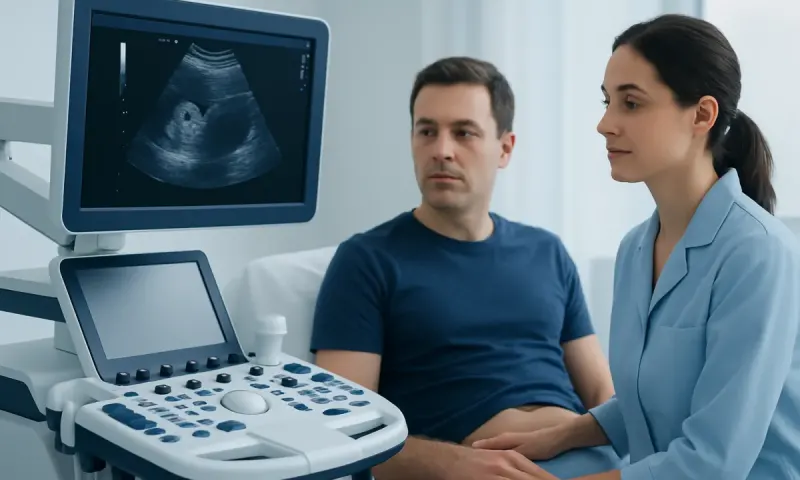
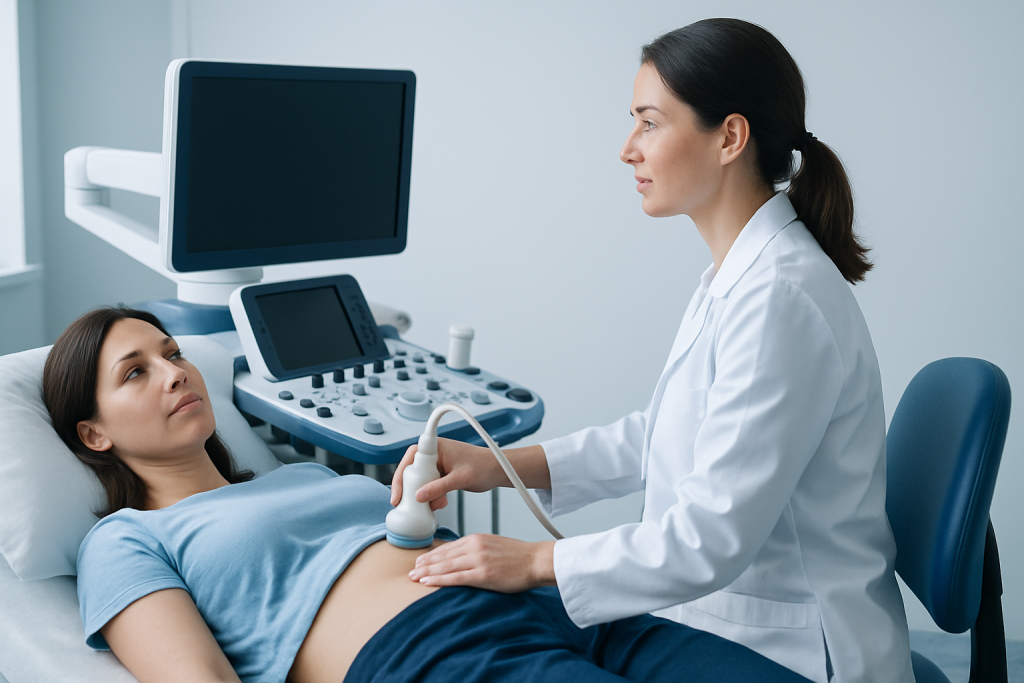
Imaging is commonly used when a cyst is not clearly identified by exam alone. Ultrasound is often the first choice for many soft tissue, breast, pelvic, or abdominal cysts because it can show whether a structure is fluid-filled. Depending on the site, doctors may also use CT or MRI to understand the cyst’s size, borders, and relationship to nearby organs.
Sometimes additional testing is needed. If a cyst is drained or removed, the fluid or tissue may be sent to a laboratory. In selected cases, a biopsy helps confirm the diagnosis and rule out other conditions. For international patients, it is helpful to bring prior imaging reports and records when traveling for a second opinion or treatment, since comparisons over time often clarify whether the cyst is stable.
Treatment Options
Treatment is individualized. Many cysts do not need immediate intervention and can be monitored if they are small, typical in appearance, and not causing problems. This watchful approach may feel reassuring, especially when a cyst is found incidentally and imaging suggests a benign pattern.
When treatment is needed, the goal is usually to relieve symptoms, address infection or inflammation, or remove a lesion that is growing, bothersome, or diagnostically uncertain. Options may include drainage, aspiration, medication for infection or inflammation, or surgical removal. The best choice depends on the cyst type and location, as some cysts return after simple drainage while others are best treated with complete excision.
Doctors may also recommend treating an underlying contributor when possible. For example, if a cyst is related to repeated blockage, skin irritation, or an infection, managing that problem can reduce the chance of recurrence. In more complex situations, different specialists may work together so that treatment is both effective and gentle on surrounding tissue.
- Observation with follow-up exams or imaging
- Drainage or aspiration in selected cases
- Antibiotics if infection is present
- Surgical removal when appropriate
- Pathology review after removal if needed
Prevention & Self-care
Not all cysts can be prevented, especially when they are related to inherited factors or internal body processes. Still, sensible self-care can reduce irritation and help a person notice changes early. The most useful habit is often simple awareness: knowing where a lump is, how it feels, and whether it is changing.
It helps not to squeeze, puncture, or repeatedly press on a cyst. Manipulating a cyst can irritate the area, increase inflammation, or introduce infection. Warm compresses may soothe discomfort in some skin cysts, but they are not a substitute for diagnosis when a lump is new, painful, or enlarging.
People traveling for care should keep a short symptom log, bring prior reports, and note any triggers that seem to worsen the lump. If follow-up is planned across borders, a clear discharge plan and a written summary of the diagnosis make ongoing care much easier once the patient returns home.
When to See a Doctor
A doctor should evaluate any new lump that does not go away, any cyst that becomes painful, and any swelling that grows over time. Medical review is especially important if the area becomes red, hot, or drains fluid, since infection may be present and treatment may be needed.
Prompt assessment is also wise when a cyst affects breathing, swallowing, walking, urination, vision, or reproductive function, or when it appears in a sensitive location such as near the eye, spine, groin, or deep inside the abdomen. Even when symptoms are mild, a professional opinion can help distinguish a harmless cyst from something that needs more attention.
For people seeking care abroad, a specialist center can help confirm the diagnosis, explain the treatment plan in plain language, and organize follow-up after travel. At Acibadem Health Point, multidisciplinary specialists and JCI-accredited hospitals diagnose and treat cysts for international patients, with attention to continuity of care before and after the trip.
Frequently asked questions
01Are all cysts dangerous?
No, many cysts are benign and cause no harm. Their importance depends on where they are, how fast they grow, and whether they cause symptoms or change over time.
02Can a cyst go away on its own?
Some cysts remain stable for a long time, and a few may shrink or resolve without treatment. Others persist or return, especially if the underlying cause is still present.
03How can a doctor tell if a lump is a cyst?
A doctor usually starts with an examination and may use ultrasound or other imaging to see whether the lump is fluid-filled. If needed, fluid analysis or biopsy can provide a more definite answer.
04Should a cyst always be removed?
No. Removal is usually considered when a cyst is painful, infected, recurrent, enlarging, or uncertain in diagnosis. Many cysts are safely observed instead.
05Is it safe to pop or drain a cyst at home?
It is best not to try this at home. Squeezing or puncturing a cyst can lead to infection, scarring, or incomplete treatment, so it is safer to have it assessed by a clinician.
06What should someone bring if they are traveling for cyst treatment?
Prior imaging, pathology reports, medication lists, and a short timeline of symptoms are very useful. These records help the receiving team compare changes and plan follow-up more smoothly.
This article is for general information only and is not a substitute for professional medical advice. Please consult a qualified doctor about your individual situation.
Explore treatments in Turkey — costs, top hospitals & a free quote
JCI-accredited · board-certified surgeons · reply within 24h
Add us as a Preferred Source to see more of our trusted health content across Google Search, AI Overviews and Discover.