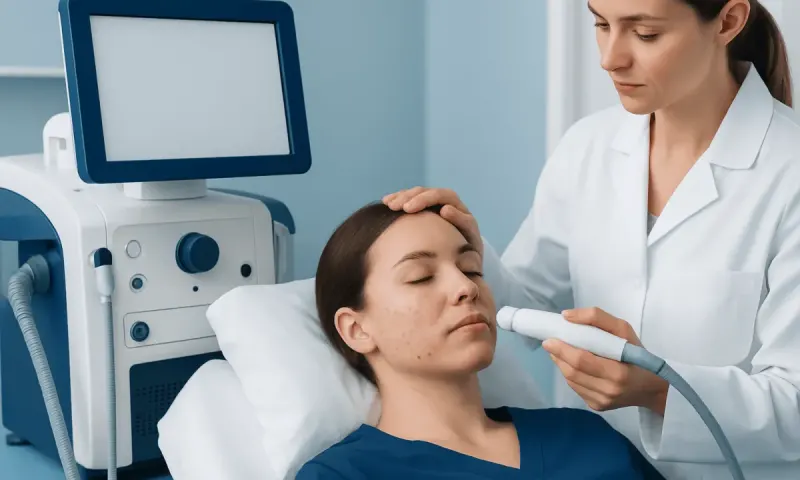
Sorting Out a Cyst Breakout From Acne and Other Skin Lumps

You wake up, glance in the mirror, and there they are — not one bump, but several deep, sore lumps under the skin. When people say they have a “cyst breakout,” this is usually what they mean: a cluster of tender, lump-like lesions appearing together, most often from cystic acne or blocked skin structures.
The good news? It’s treatable. But bumps that look alike can have very different causes, so it’s worth having a doctor take a look when the lesions are painful, keep coming back, or start to change.
Overview: what a cyst breakout means
A cyst breakout usually means a group of deep, swollen, often painful bumps that develop under the skin. In everyday language, people often use the term for severe acne lesions, but not every cyst-like bump is acne. Some are inflamed hair follicles, blocked oil glands, epidermoid cysts, or other skin conditions that can look similar at first.
Unlike whiteheads or blackheads, these lesions tend to sit deeper in the skin. They may feel firm or tender, look red or skin-colored, and can take longer to heal. Because they develop below the surface, they are often harder to treat with simple over-the-counter spot products alone.
Think of a “cyst breakout” as a pattern, not a single diagnosis. The exact cause matters — treating acne is not the same as treating an infected cyst or another skin disorder. That’s why painful or persistent breakouts deserve a doctor’s assessment, especially if they keep returning in the same spot or leave marks behind.
Symptoms and how it may look
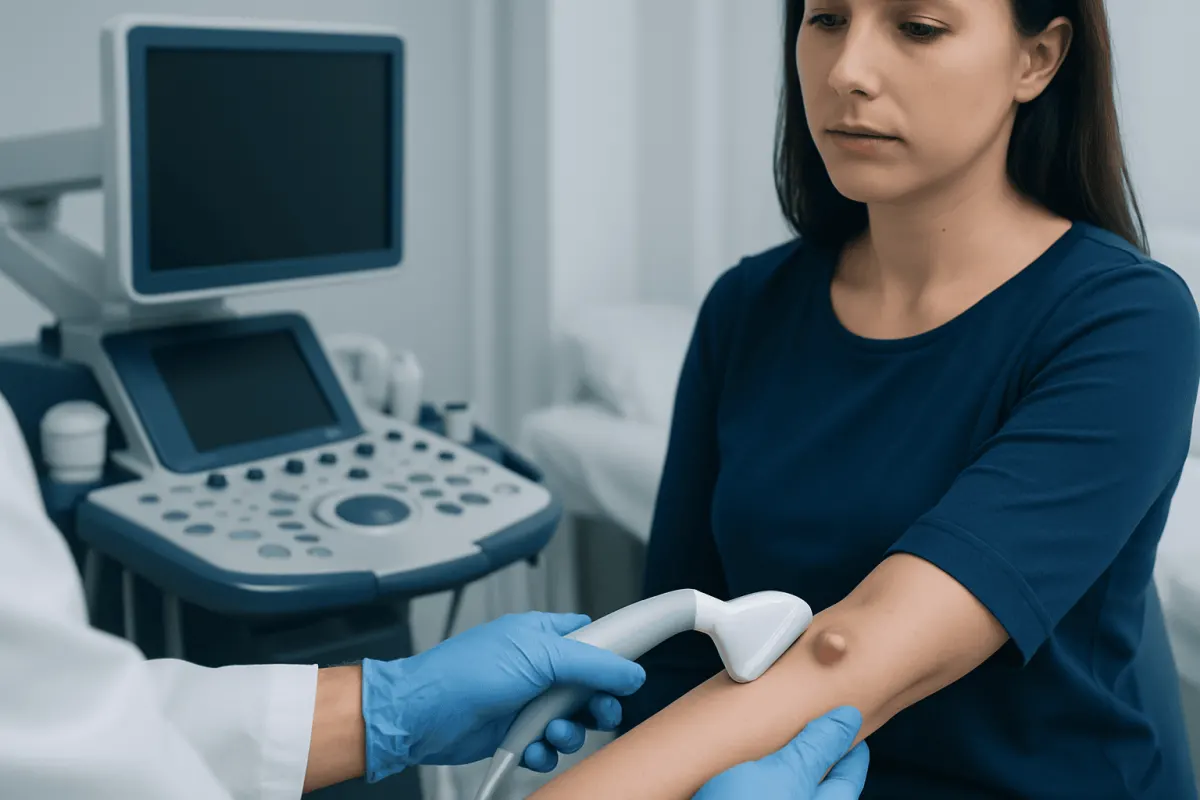
The most common sign of a cyst breakout is a cluster of deep bumps that may be tender to touch. These bumps can appear on the face, jawline, neck, chest, shoulders, back, buttocks, or areas exposed to friction. They often feel larger and more inflamed than routine pimples.
Symptoms can vary depending on the cause, but people often notice:
- Deep, painful nodules or cyst-like lumps
- Redness, swelling, or warmth around the area
- Skin that feels tight, shiny, or sore
- Slow healing over days to weeks
- Drainage of thick material in some lesions
- Dark marks or scarring after the bumps improve
Some lesions may itch, while others mainly cause pressure or pain. If the area becomes increasingly red, hot, rapidly swollen, or starts draining foul-smelling material, this may suggest infection rather than a simple inflammatory breakout. Similar changes can also happen with recurring boils or inflamed cysts.
For some people, breakouts follow a predictable pattern, such as worsening before menstruation, after sweating, or with certain skin or hair products. Paying attention to timing, location, and triggers can help a doctor identify whether the problem is cystic acne, folliculitis, contact irritation, or another condition.
Common causes and risk factors

The most frequent cause of a cyst breakout is cystic acne. This develops when pores become clogged with oil, dead skin cells, and bacteria, leading to deep inflammation. Hormonal fluctuations can increase oil production and make these lesions more likely, especially during adolescence, around menstrual cycles, or in adults with hormonally sensitive skin.
Not every cyst-like breakout is acne. Some people develop inflamed epidermoid cysts, ingrown hairs, or folliculitis after shaving, sweating, friction, or occlusive clothing. Certain cosmetics, skin care products, hair oils, and heavy creams may contribute in acne-prone individuals by clogging pores or irritating the skin.
Other factors that can increase risk include family history, stress, humid environments, frequent skin rubbing, and picking at existing lesions. Some medicines may also trigger or worsen acne-like eruptions. In addition, recurring painful bumps in the underarms, groin, or under the breasts can sometimes suggest hidradenitis suppurativa, which needs a different management approach.
Many of these conditions mimic each other, so location gives clues but doesn’t settle the diagnosis. Bumps on the face and jawline often point toward acne. An isolated lump that moves under the skin may fit an epidermoid cyst. Tender boils that keep coming back may suggest infection or an inflammatory skin disorder. A clinician can sort out these differences and guide treatment safely.
How doctors diagnose a cyst breakout
Diagnosis usually begins with a skin examination and a discussion of symptoms. A doctor may ask when the bumps started, whether they are painful or draining, how often they recur, what skin products are used, and whether there is a history of acne, cysts, hormonal changes, or previous scarring. In many cases, this information is enough to identify the likely cause.
The doctor may also look at the pattern and depth of lesions. Cystic acne often appears together with blackheads, whiteheads, or inflamed papules, while an epidermoid cyst may be a more distinct lump under the skin. If infection is suspected, the area may be checked for warmth, spreading redness, or tenderness.
Tests are not always necessary, but they may be considered in selected cases. A swab or sample can help if there is drainage and a possible infection. If breakouts are severe, unusual, or linked with other symptoms such as irregular periods or excess hair growth, a doctor may investigate underlying hormonal contributors. Imaging is rarely needed unless a deeper soft-tissue problem is suspected.
Getting the diagnosis right matters, because the treatments differ. Persistent cystic acne calls for acne treatment; an enlarged epidermoid cyst needs a different plan; an abscess may require drainage. Treat only the visible bump without addressing what’s driving it, and it often comes back.
Treatment options
Treatment depends on what is causing the breakout and how severe it is. Mild cases may improve with gentle cleansing, non-comedogenic skin care, and targeted over-the-counter ingredients such as benzoyl peroxide or salicylic acid. However, deep cyst-like lesions often respond better to prescription treatment because they sit lower in the skin and involve more inflammation.
For cystic acne, doctors may recommend topical retinoids, antibiotic-based treatments, hormonal therapies in appropriate patients, or oral medicines for more extensive disease. When large painful lesions are present, a dermatologist may sometimes use an anti-inflammatory injection to help them settle more quickly. People with recurrent or severe scarring acne may be evaluated for specialist dermatology care.
If the bump is a true skin cyst rather than acne, management may include observation, treatment of inflammation, drainage in selected cases, or minor removal procedures if it repeatedly becomes irritated. If there is evidence of bacterial infection, treatment may involve antibiotics or a small procedure to release trapped fluid. Picking, puncturing, or attempting to drain lesions at home is best avoided because it can push inflammation deeper and increase scarring.
If breakouts are frequent or getting you down, that’s worth mentioning too. Skin conditions can affect confidence, sleep, and social comfort — especially on the face. In more complex cases, teams experienced in medical dermatology can confirm the diagnosis, tailor treatment, and reduce the chance of long-term marks.
Self-care, prevention, and scar reduction
Good self-care can support medical treatment and may lower the chance of future breakouts. Gentle skin care is usually more helpful than aggressive scrubbing. Washing with a mild cleanser, removing makeup before sleep, and choosing oil-free or non-comedogenic products can reduce irritation and clogged pores in people prone to acne-related cysts.
Try not to squeeze, scratch, or pick at the lesions. Tempting, yes — but it usually makes the swelling worse and can push material deeper into the skin, meaning more pain, slower healing, and a higher risk of dark marks and permanent scars. Clean pillowcases, careful shaving habits, and showering after heavy sweating may also help in some cases.
Lifestyle doesn’t explain every cyst breakout, but it can influence flare-ups in some people. Managing stress, sleeping regularly, and noticing whether certain products — or friction from helmets, masks, or tight clothing — trigger lesions are practical steps. If the same area keeps flaring, avoid repeated pressure there and choose breathable fabrics.
When scars or persistent marks develop, treatment should begin with controlling active inflammation first. Once the skin is stable, a doctor may discuss options for discoloration, textural scars, or recurring cysts. Early care is often the best strategy to reduce long-term changes in the skin.
When to seek medical care
A person should consider medical care if a cyst breakout is very painful, keeps coming back, spreads, or starts leaving scars. Medical advice is also important if over-the-counter products have not helped after a reasonable trial, or if the lesions interfere with daily comfort, sleep, shaving, or confidence. Deep or recurring lesions usually benefit from a proper diagnosis rather than repeated home treatment.
Prompt assessment is especially important if there are signs that suggest infection or another condition. These signs include fever, rapid enlargement, significant warmth, pus drainage, surrounding redness that expands, or a lesion near the eye or other sensitive area. A doctor can decide whether the problem is acne, an infected cyst, an abscess, or another inflammatory skin disorder.
Children, pregnant patients, and people with diabetes, immune system conditions, or a history of severe skin reactions should seek individualized medical advice. Treatment choices can differ depending on age, overall health, and other medicines. If skin symptoms are linked with irregular periods, sudden acne in adulthood, or recurrent painful lumps in body folds, a fuller evaluation may be needed.
For patients seeking specialist assessment, Acıbadem Health Point’s multidisciplinary specialists and JCI-accredited hospitals diagnose and treat skin conditions for international patients, with care guided by the underlying cause and the patient’s overall health.
Frequently asked questions
01Is a cyst breakout the same as cystic acne?
Not always. Many people use the term cyst breakout to describe cystic acne, but similar-looking deep bumps can also be inflamed skin cysts, folliculitis, or boils. A doctor can tell the difference by examining the lesions and reviewing the pattern of symptoms.
02Can a cyst breakout go away on its own?
Some mild lesions may settle gradually, especially if irritation is reduced and the skin is not picked. However, deeper cyst-like bumps often last longer and may recur without treatment. If the breakout is painful, persistent, or causing scars, medical care is advisable.
03Should a person pop or drain a cyst breakout at home?
No, home squeezing or puncturing is not recommended. It can worsen inflammation, introduce infection, and increase the risk of scarring. A doctor can decide whether a lesion needs medication, drainage, or a different treatment.
04What is the best treatment for a cyst breakout?
The best treatment depends on the cause. Cystic acne may need prescription topical or oral treatment, while a true skin cyst or an infected lesion may require a different approach. Because deep bumps can look similar, treatment works best when guided by an accurate diagnosis.
05Can diet cause a cyst breakout?
Diet is not the only cause, and it does not explain every case. In some people, certain dietary patterns may be associated with acne flares, but deep cyst-like lesions are usually influenced by several factors, including hormones, skin type, and inflammation. It is best to look for personal patterns rather than assume one food is the direct cause.
06How long does a cyst breakout take to heal?
Healing time varies with the cause and severity. Deep inflamed lesions often take longer than surface pimples and may persist for days to weeks. Early treatment may shorten the course and reduce the chance of scars or dark marks.
This article is for general information only and is not a substitute for professional medical advice. Please consult a qualified doctor about your individual situation.
Hair transplant in Turkey — costs, graft counts & a free assessment
JCI-accredited · board-certified surgeons · reply within 24h
Add us as a Preferred Source to see more of our trusted health content across Google Search, AI Overviews and Discover.