

Cupping Therapy: Benefits, Risks and Uses
Key Takeaways
- Cupping suction therapy creates negative pressure on the skin using cups placed on targeted areas.
- It is commonly used as a complementary approach for muscle tightness, soreness, and some pain-related conditions.
- Temporary marks, mild discomfort, and skin sensitivity are common; serious complications are uncommon when it is performed properly.
- People with certain skin conditions, bleeding disorders, or who use blood thinners should seek medical advice before trying it.
- A proper assessment matters, especially if symptoms are new, severe, or related to an injury or underlying illness.
Cupping suction therapy is a traditional technique that uses suction on the skin to help ease muscle tightness and promote relaxation. It is not a cure-all, but for some people it can be a useful complementary option when guided by a qualified professional.
Overview
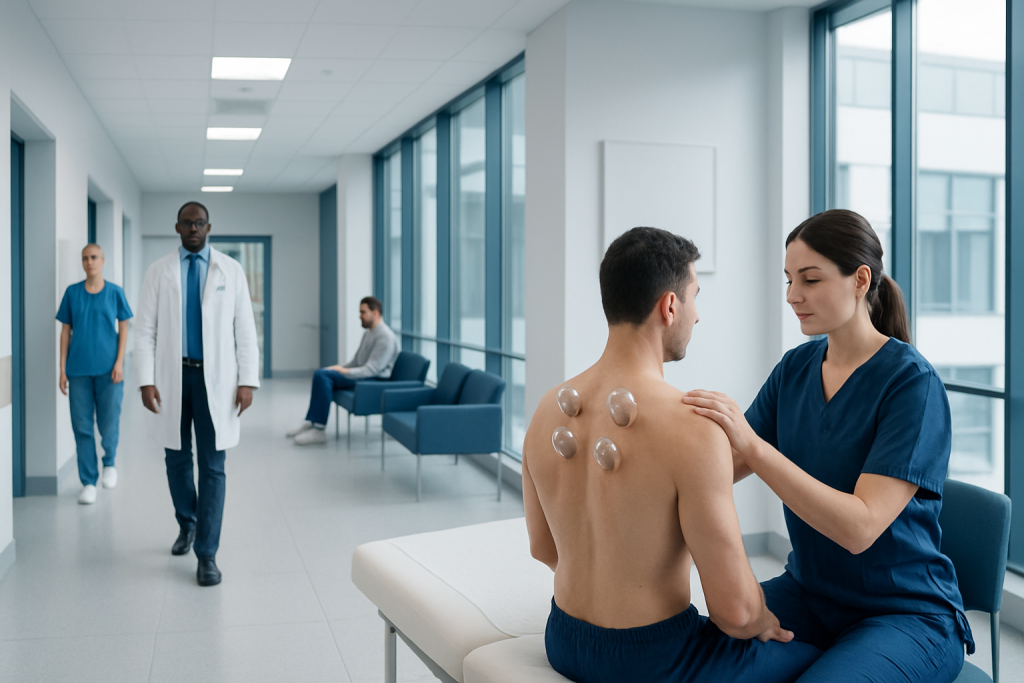
Cupping suction therapy is a hands-on treatment in which cups are placed on the skin to create gentle suction. The technique has roots in several traditional medical systems and is now used in many rehabilitation and wellness settings as a complementary therapy rather than a stand-alone cure.
The suction may be created with heat or with a manual or mechanical pump. Depending on the goal, cups may stay in one place or be moved across lubricated skin, which is sometimes called gliding cupping. In international care settings, patients often ask about cupping after trying massage, physiotherapy, or exercise-based treatment for persistent muscle tension.
Its appeal is simple: the method feels direct, visible, and easy to understand. Still, the most useful way to think about cupping is as one possible tool in a broader plan that may include diagnosis, movement therapy, posture correction, rest, and pain management.
Symptoms and Common Reasons People Try It
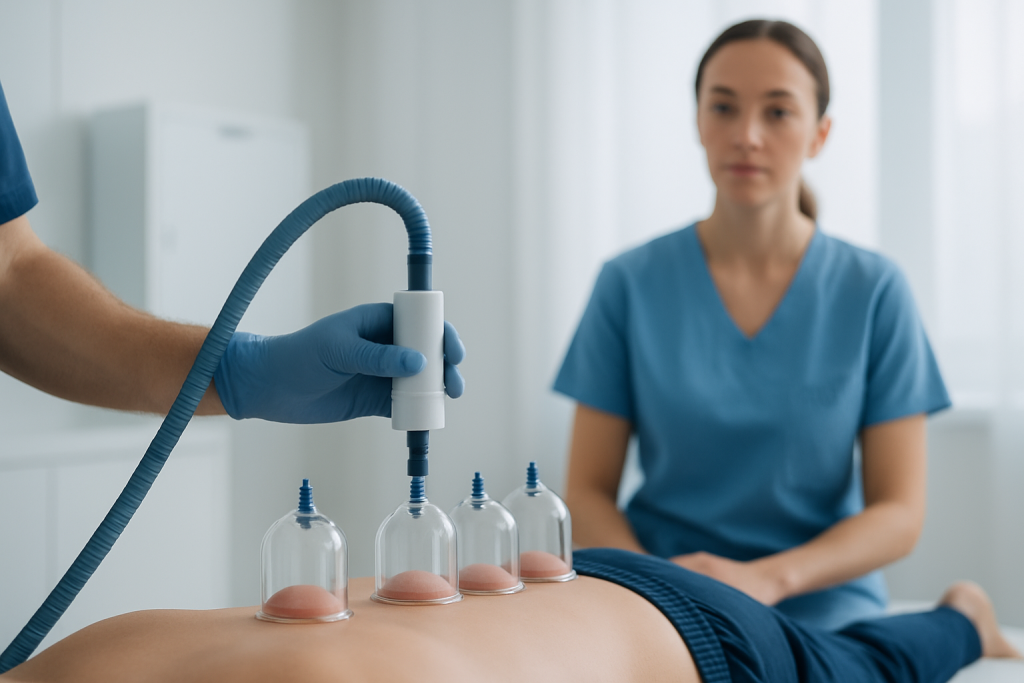
People usually seek cupping suction therapy for discomfort rather than for a specific disease. It is commonly explored for neck and shoulder tightness, lower back stiffness, muscle soreness after activity, and a general feeling of heaviness or tension in the body. Some people also describe it as relaxing, especially when stress appears to worsen physical symptoms.
It may be considered when symptoms are related to overuse, repetitive work, athletic training, or prolonged sitting. In rehabilitation clinics, it is sometimes used alongside stretching, manual therapy, and exercise instruction to support mobility and comfort.
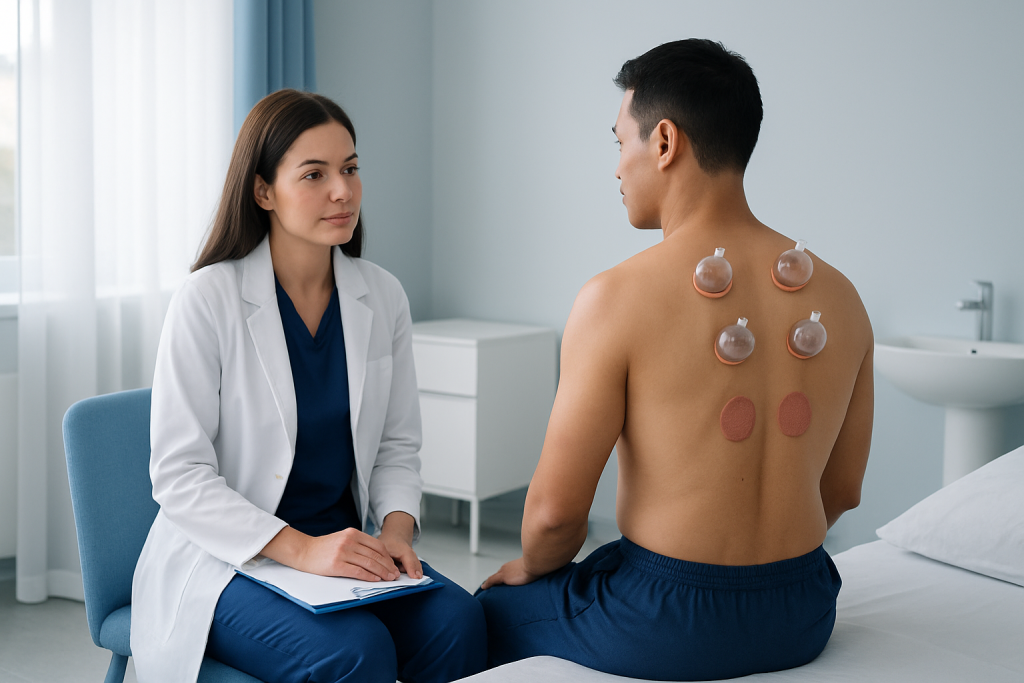
Typical after-effects can include circular skin marks, mild tenderness, and a warm or pulling sensation during the session. These changes are usually temporary and are part of the normal response to suction, but they should still be expected and explained clearly before treatment begins.
Causes and Risk Factors
Cupping does not treat a single underlying cause because it is a technique, not a diagnosis. People often choose it when muscle tension, local stiffness, or pain has become a stubborn symptom and they want a non-drug complementary option.
Risk factors for considering cupping safely include the reason for the symptoms, the body area involved, the condition of the skin, and the person’s overall medical history. A qualified clinician should review whether the complaint may be due to strain, inflammation, nerve irritation, arthritis, or something that needs a different type of evaluation.
Some situations call for extra caution or avoidance:
- Blood clotting disorders or use of blood-thinning medicine
- Fragile, irritated, burned, or infected skin
- Recent injury, surgery, or unhealed wounds
- Pregnancy, depending on the body area and the technique used
- Unclear or unexplained pain, fever, or swelling
Because suction can leave marks and irritate the skin, it is especially important that the practitioner reviews history carefully before treatment. For international patients, this review may happen during an initial consultation before any procedure is planned.
Diagnosis and Assessment Before Treatment
Cupping suction therapy should begin with a basic medical assessment, not with the cups themselves. A clinician will usually ask where the pain is, when it started, what makes it better or worse, and whether there are symptoms such as numbness, weakness, swelling, fever, or weight loss.
The purpose of this assessment is to make sure the discomfort is appropriate for a supportive therapy and not a sign of a condition that needs imaging, medication, or another intervention. A physical examination may help identify tight muscles, trigger points, reduced movement, or signs of joint or nerve involvement.
When patients travel for care, this assessment also helps create a realistic plan. The clinician may consider how much follow-up is possible after the patient returns home and whether cupping should be paired with home exercises, local physiotherapy, or another treatment that can continue safely across borders.
Treatment Options
Cupping therapy can be delivered in several ways. Dry cupping uses suction alone. Moving cupping glides the cups across the skin with lubrication, which may feel more like a deep massage. Wet cupping, which involves small skin incisions, is more invasive and carries additional risks; it is not appropriate for everyone and should only be considered in settings where strict medical standards are followed.
During a typical dry cupping session, the practitioner places cups on selected areas for a short period. The amount of suction, the duration, and the number of cups vary based on comfort, the treatment goal, and the condition being addressed. A good session should feel controlled, not painful.
Cupping is often combined with other rehabilitation methods rather than used alone. These may include:
- Stretching and mobility work
- Posture and ergonomic advice
- Manual therapy or massage
- Exercise-based rehabilitation
- Heat or cold therapy when appropriate
Patients should know what result is being targeted before treatment begins. For some, the main benefit may be short-term symptom relief; for others, the value may be improved relaxation, easier movement, or support while recovering from a musculoskeletal strain.
Prevention, Safety, and Self-care
Good cupping care starts with choosing a qualified professional who understands both the method and the reasons it may not be suitable. Clean equipment, proper skin inspection, and clear communication about comfort are essential.
After a session, mild soreness or discoloration often settles on its own. The skin should be kept clean and watched for unusual redness, blistering, increasing pain, or signs of infection. People are usually advised to avoid harsh scrubbing, intense heat, or strong pressure over treated areas until the skin feels normal again.
Self-care also means paying attention to the bigger picture. Hydration, gentle movement, rest, and following any exercise or posture plan can help maintain the benefit of treatment. If symptoms repeatedly return, the issue may need a more complete medical evaluation rather than repeated cupping alone.
When to See a Doctor
Medical advice should be sought if pain is severe, keeps coming back, or is associated with numbness, weakness, fever, shortness of breath, unexplained swelling, or significant loss of function. These features suggest that the problem may not be a simple muscle tension issue.
It is also important to speak with a clinician before trying cupping if there is a bleeding disorder, a history of fainting, fragile skin, or use of anticoagulant medication. People with diabetes, poor circulation, or immune problems should also ask for individualized guidance because skin healing may be more delicate.
For patients planning treatment abroad, a clear pre-visit discussion helps avoid unnecessary procedures and supports safer aftercare. Acibadem Health Point can connect international patients with multidisciplinary specialists and JCI-accredited hospitals for evaluation and treatment planning when cupping is being considered as part of broader rehabilitation care.
Living With Ongoing Muscle Tightness
For many people, the real issue is not the cup marks but the pattern behind them: long hours at a desk, repeated lifting, stress-related clenching, or training load that outpaces recovery. A useful treatment plan looks beyond the symptom and asks what is keeping the body irritated in the first place.
Cupping suction therapy may have a place in that plan, especially when a patient wants a non-pharmacologic, short-session approach that can be paired with movement-based care. The best results are usually seen when expectations are realistic and the treatment is matched to the person’s condition, not offered as a universal answer.
When symptoms are persistent, the safest path is often a structured assessment followed by a combination of therapies tailored to the individual’s needs and travel circumstances. That approach supports comfort without losing sight of diagnosis, recovery, and follow-up.
Frequently asked questions
01What is cupping suction therapy used for?
It is commonly used as a complementary approach for muscle tightness, soreness, and some forms of back, neck, or shoulder discomfort. Some people also choose it for relaxation. It should be viewed as part of a broader care plan rather than a cure for an underlying medical problem.
02Are the marks after cupping normal?
Yes, temporary circular marks are common after cupping and usually fade with time. They are not the same as bruises in every case, although they can look similar. Increasing pain, blistering, or spreading redness should be reviewed by a clinician.
03Is cupping painful?
It should not be sharply painful, although it may feel tight, pulling, or intense. A good practitioner adjusts the suction so the session stays tolerable. If the treatment is painful, the suction may be too strong or the method may not be suitable.
04Who should avoid cupping?
People with bleeding disorders, fragile or infected skin, recent surgery, or those taking blood thinners should get medical advice first. Cupping may also be inappropriate when pain is unexplained or associated with symptoms such as fever, swelling, or numbness. Individual assessment is important before any treatment begins.
05Can cupping replace physiotherapy or medical treatment?
No, cupping is usually a complementary therapy, not a replacement for diagnosis or rehabilitation. It may be combined with physiotherapy, exercise, and other treatments depending on the condition. If symptoms are persistent or worsening, a doctor should evaluate the cause.
06How should someone prepare for a cupping session?
They should share their medical history, including medications, skin problems, and any recent injuries. Wearing comfortable clothing and asking what technique will be used can help the session go smoothly. It is also reasonable to ask how aftercare works, especially if follow-up will happen after traveling home.
This article is for general information only and is not a substitute for professional medical advice. Please consult a qualified doctor about your individual situation.
Joint and spine care in Turkey — expert assessment & treatment
JCI-accredited · board-certified surgeons · reply within 24h
Add us as a Preferred Source to see more of our trusted health content across Google Search, AI Overviews and Discover.


