Cryoablation Therapy: Freezing Tumors and Abnormal Tissue
Cryoablation therapy is a minimally invasive procedure that uses extreme cold to destroy selected tumors or abnormal tissue while preserving as much nearby healthy tissue as possible. Recovery is often shorter than after open surgery, but the expected results, healing time and risks depend on the treated organ, tumor features and a person’s overall health.
Overview: What Is Cryoablation Therapy?
Cryoablation therapy, also called cryotherapy or cryosurgical ablation, is a procedure that destroys unwanted tissue by freezing it. A specialist places one or more thin probes into the target area, usually through the skin, and uses very cold gas to create an “ice ball” around the tissue. The freeze-and-thaw cycle damages cells and their blood supply, allowing the body to gradually clear the treated tissue.
In cancer care, cryoablation may be considered for selected tumors that are small, limited in number, or located where a minimally invasive approach may be useful. It can also be used to relieve symptoms caused by a tumor, such as pain from a bone metastasis. The procedure is planned carefully with imaging and is not suitable for every cancer or every person.
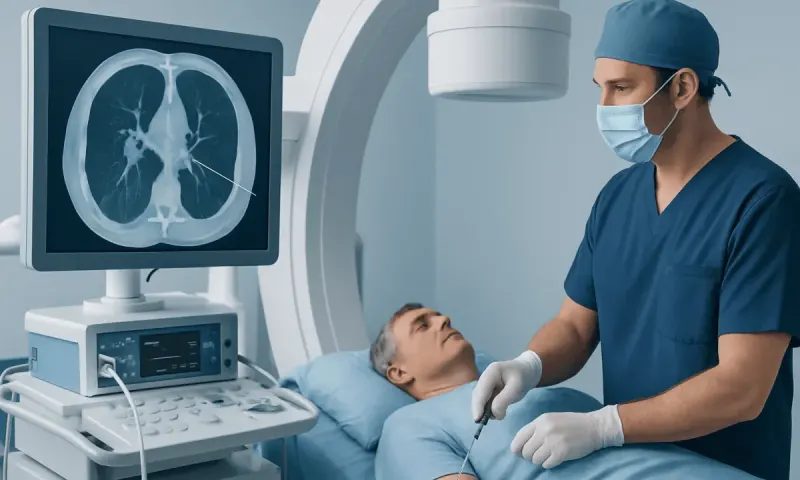
Most cryoablation procedures are image guided. Ultrasound, computed tomography (CT), magnetic resonance imaging (MRI), or a combination of these methods helps the care team position the probe accurately and monitor the freezing zone. Depending on the treatment area, cryoablation may be performed by an interventional radiologist, urologist, surgeon, oncologist, or another specialist.
How the Procedure Is Performed
Before treatment, the clinical team reviews scans, medical history, medicines, blood tests and any allergies. People may be asked to pause certain medicines that increase bleeding risk, but only under guidance from the prescribing clinician. The choice of anesthesia varies: some procedures use local anesthetic with sedation, while others require general anesthesia.
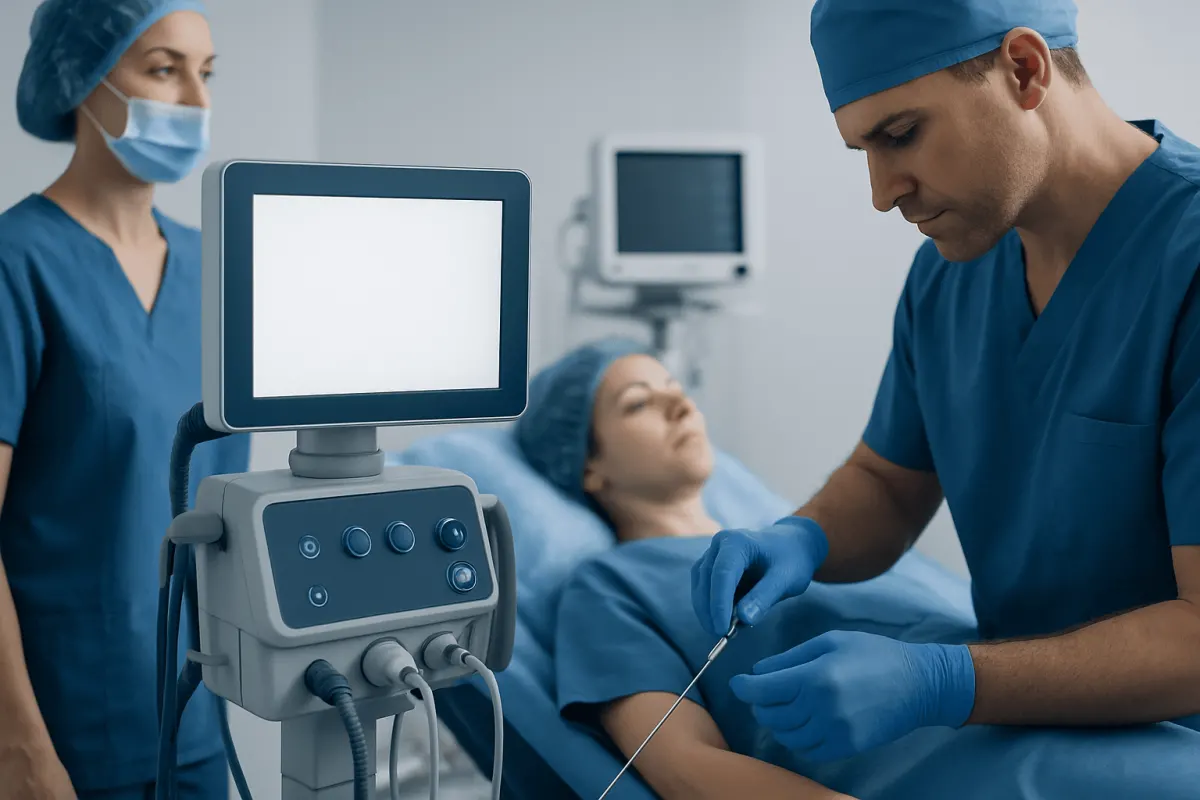
During the procedure, the skin is cleaned and numbed if appropriate. The specialist advances cryoprobes through small skin openings into the planned location using real-time imaging. Freezing is performed in controlled cycles, often with a thawing period between them. Nearby organs, nerves or skin may be protected using positioning techniques, temperature monitoring, or fluids placed near the treatment area.
After the probes are removed, the small entry sites are covered with dressings. The patient is monitored as anesthesia or sedation wears off. Depending on the organ treated, the complexity of the procedure and individual recovery, discharge may occur later the same day or after overnight observation.
- Common treatment settings: hospital radiology departments, operating rooms, and specialized outpatient units.
- Common imaging methods: CT, ultrasound, MRI, or CT-ultrasound guidance.
- Care planning: often involves radiology, surgery, pathology, medical oncology and radiation oncology.
Who May Benefit and What Are the Risks?

Cryoablation may be an option when a tumor is small enough and positioned so that it can be reached safely with a probe. It can be considered for some kidney tumors, liver tumors, lung tumors, prostate cancers, breast lesions and bone tumors. It may also be used for some noncancerous conditions, including selected heart rhythm disorders, though the technique and care pathway differ by condition.
Ablation is not automatically the best choice simply because it is less invasive. Surgery, radiation therapy, active surveillance, systemic therapy or heat-based ablation may be more appropriate depending on the diagnosis. For example, people with localized kidney tumors may discuss several options, including kidney cancer treatment planning, based on tumor size, kidney function, age and personal priorities.
Potential risks include pain, bruising, bleeding, infection, swelling, injury to nearby structures, blood clots, and complications related to sedation or anesthesia. Risks vary significantly by the site treated. A frozen area close to a nerve, bowel, airway, ureter or blood vessel requires particular care, and the team will explain the risks that apply to the individual procedure.
Some people develop temporary flu-like symptoms, fatigue, low-grade fever or local soreness as the body responds to destroyed tissue. These effects are often manageable, but new or worsening symptoms should always be reported to the treating team.
How Long Does It Take to Recover From Cryoablation?
Recovery from cryoablation is commonly measured in days to a few weeks rather than the longer recovery sometimes needed after open surgery. Many people return to light daily activities within several days, particularly after a straightforward, percutaneous procedure. However, the pace of recovery depends on the organ treated, the size and number of ablation zones, anesthesia used, other health conditions and whether additional treatment is needed.
Soreness around the probe entry site, tiredness and temporary discomfort in the treated area are common. The care team may recommend rest, hydration, wound care and a gradual return to activity. Strenuous exercise, heavy lifting and driving may need to be avoided for a short period, especially after sedation or procedures involving the abdomen, chest or kidney.
People should follow their own discharge instructions rather than relying on a general timeline. Those receiving treatment for cancer may also be coping with symptoms from the disease or other therapies, which can affect recovery. A clinician can advise when work, travel, exercise and usual medicines can be resumed safely.
How Long Does Cryoablation Take to Heal?
The skin puncture sites generally begin healing within days, but healing inside the body takes longer. The frozen tissue does not disappear immediately; it changes gradually as inflammation settles and the body absorbs or scars the treated area. On follow-up scans, the ablation zone may look different for months, which is one reason experienced interpretation is important.
For cancer treatment, “healing” also includes confirming whether the intended tumor has been adequately treated. Imaging is typically scheduled after the procedure and then at intervals determined by the cancer type and clinical plan. A scan may show expected post-treatment changes, residual tissue, or—less commonly—findings that need further assessment or treatment.
Some people have discomfort for a few days, while others need several weeks before they feel fully back to their usual level of energy. If pain increases rather than improves, or if there is fever, redness, drainage, shortness of breath, heavy bleeding or difficulty passing urine after a relevant procedure, medical advice should be sought promptly.
What Is the Success Rate of Cryoablation for Cancer?
There is no single success rate for cryoablation for cancer. Results differ according to the cancer type, tumor size, location, number of tumors, stage, imaging visibility, treatment goal and the expertise of the treating center. In carefully selected small, localized tumors, cryoablation can provide strong local tumor control and may be used with curative intent. In other situations, its goal may be symptom relief or control of a specific lesion rather than cure.
Local control means that the treated tumor shows no evidence of active cancer at the ablation site over a defined period. It is different from overall survival or freedom from cancer elsewhere in the body. Cancer can recur at the edge of an ablation zone, and a person can also develop new tumors away from the treated location, particularly when the underlying disease has a tendency to recur.
For this reason, specialists discuss expected outcomes using the person’s own diagnosis and scans rather than a general percentage. Follow-up imaging, laboratory tests when appropriate, and multidisciplinary review help determine whether treatment has worked as intended and whether further care is needed. For selected cases, cryoablation may complement interventional radiology treatments or be combined with surgery, radiation or medicines.
Can Cryoablation Be Used for Stage 4 Cancer?
Cryoablation can sometimes be used in stage 4 cancer, but its role is individualized. Stage 4 cancer has spread beyond the original site, so treatment commonly includes systemic therapies such as chemotherapy, targeted therapy, immunotherapy or hormone therapy. Cryoablation may be considered to treat a limited number of metastases, control a growing lesion, reduce pain, protect a structure at risk, or manage a tumor when surgery is not appropriate.
It is generally not a stand-alone cure for widely metastatic cancer. Whether it is helpful depends on where the cancer has spread, how quickly it is growing, how it has responded to other treatment, symptoms, overall health and the person’s goals of care. These decisions are best made through a multidisciplinary cancer discussion.
For painful bone metastases, local procedures may sometimes be part of a broader symptom-management plan. People may also be assessed for medical oncology treatment to address cancer throughout the body. The care team should explain clearly whether cryoablation is intended to control a specific tumor, relieve symptoms, or contribute to a wider treatment strategy.
When to Seek Medical Care
After cryoablation, the treating team should be contacted urgently for severe or worsening pain, persistent fever, chills, increasing redness or drainage from an entry site, heavy bleeding, fainting, chest pain, shortness of breath, new weakness, or other symptoms that feel concerning. People should also seek prompt advice if they cannot keep fluids down, have difficulty urinating after a urinary tract procedure, or develop symptoms specifically highlighted in their discharge instructions.
Routine follow-up is equally important, even when recovery seems uncomplicated. Post-procedure appointments and imaging allow clinicians to assess the treated area, monitor for complications and coordinate any additional cancer care. Patients should bring questions about activity, pain relief, medicines and follow-up tests to these visits.
Acıbadem Health Point’s multidisciplinary specialists and JCI-accredited hospitals evaluate and treat appropriate cases for international patients, coordinating imaging, ablation procedures and follow-up care. A qualified clinician can help determine whether cryoablation is suitable and how it fits within an individual treatment plan.
Frequently asked questions
01Is cryoablation painful?
Local anesthetic, sedation or general anesthesia is used to keep the procedure as comfortable as possible. Some soreness, pressure or aching can occur afterward, and the care team can advise on suitable pain relief and activity limits.
02Is cryoablation the same as cryotherapy?
The terms are sometimes used interchangeably because both use cold to destroy tissue. In cancer care, cryoablation usually refers to a precisely image-guided procedure using probes placed inside or next to a tumor.
03Will a tumor disappear immediately after cryoablation?
No. The treated tissue changes gradually after freezing, and it may remain visible on scans for some time. Follow-up imaging helps distinguish expected healing changes from residual or recurrent tumor.
04Can cryoablation replace surgery?
For some carefully selected tumors, cryoablation may be an alternative to surgery. It is not appropriate for every tumor, and the choice depends on the diagnosis, size and location of the lesion, overall health and treatment goals.
05How is treatment response checked after cryoablation?
Response is usually assessed with scheduled imaging such as CT, MRI or ultrasound, depending on the treated organ. Blood tests or other evaluations may also be used for certain cancers.
06What should a person ask before cryoablation?
Useful questions include why cryoablation is recommended, what alternatives are available, the expected goal of treatment and the risks related to the specific organ. It is also helpful to ask about anesthesia, recovery restrictions, follow-up imaging and signs that require urgent medical attention.
This article is for general information only and is not a substitute for professional medical advice. Please consult a qualified doctor about your individual situation.
Persistent digestive symptoms? Get evaluated in Turkey
JCI-accredited · board-certified surgeons · reply within 24h
Add us as a Preferred Source to see more of our trusted health content across Google Search, AI Overviews and Discover.