Crohn’s Colitis Symptoms, Diagnosis, and Treatment
Crohn's colitis is a form of Crohn’s disease in which ongoing inflammation affects part or all of the large intestine (colon). It can cause bowel symptoms and fatigue, but early assessment and individualized treatment can help control inflammation, protect bowel health, and support everyday life.
Overview: What Is Crohn's Colitis?
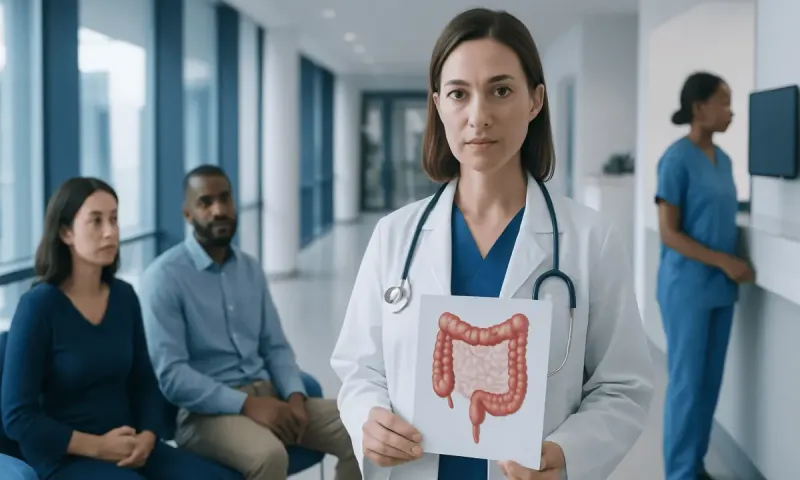
Crohn’s colitis is Crohn’s disease that primarily affects the colon, also called the large bowel. Crohn’s disease is one of the main forms of Ulcerative Colitis, and Flares" class="ahp-ilk">inflammatory bowel disease (IBD). It occurs when an abnormal immune response contributes to ongoing inflammation in the digestive tract. In Crohn’s colitis, inflammation may involve a small area of the colon or several separated areas, and it can extend through deeper layers of the bowel wall.
Unlike short-lived infectious diarrhea, Crohn’s colitis is a long-term condition. Symptoms often follow a relapsing pattern, with active periods known as flares and quieter periods called remission. Some people have mild disease, while others need more intensive treatment. With appropriate care, many people can reduce symptoms, maintain remission, and continue work, family, and social activities.
Crohn’s colitis is different from ulcerative colitis, another type of IBD. Ulcerative colitis affects only the colon and typically causes continuous inflammation beginning in the rectum. Crohn’s disease can affect any part of the digestive tract, may leave healthy areas between inflamed sections, and can cause deeper bowel-wall inflammation. A specialist may need time and testing to distinguish these conditions accurately.
Early Signs and Symptoms
The early signs of Crohn’s colitis can develop gradually and may be mistaken for food intolerance, stress-related bowel changes, or a stomach infection. Persistent diarrhea is common, sometimes with mucus or blood. Other possible symptoms include lower abdominal pain or cramping, bloating, frequent stools, and a sudden need to use the toilet.
Inflammation can also affect health beyond the bowel. A person may feel unusually tired, lose weight without intending to, have a reduced appetite, or develop fever during an active flare. Ongoing blood loss or poor nutrient absorption can contribute to iron deficiency anemia, which may cause tiredness, breathlessness on exertion, or pale skin.
Symptoms are not always a reliable measure of inflammation. Some people may have active disease despite relatively few bowel symptoms, while others may have ongoing bowel sensitivity after inflammation has improved. Monitoring with a gastroenterology team helps guide treatment based on both symptoms and objective tests.
- Diarrhea lasting more than several days or recurring often
- Abdominal cramping, pain, or tenderness
- Blood in the stool or rectal bleeding
- Bowel urgency, including needing to plan around toilet access
- Fatigue, low appetite, unintentional weight loss, or fever
- Less commonly, joint pain, eye inflammation, skin changes, or mouth ulcers
Causes and Risk Factors

The exact cause of Crohn’s colitis is not fully understood. It is not caused by one food, poor hygiene, or stress alone. Current evidence indicates that it results from a complex interaction among genetic susceptibility, the immune system, the gut microbiome, and environmental factors. In susceptible people, the immune system may respond inappropriately to normal intestinal contents, leading to persistent inflammation.
Having a close relative with Crohn’s disease or another form of IBD can increase risk, but most relatives of affected people do not develop the condition. Crohn’s disease can begin at any age, although it is often diagnosed in adolescence or early adulthood. It affects people of all sexes and backgrounds.
Smoking is a modifiable factor that is strongly associated with Crohn’s disease and can be linked with more frequent flares and complications. Nonsteroidal anti-inflammatory drugs (NSAIDs), such as ibuprofen, may worsen bowel symptoms in some people, so they should be discussed with a clinician. Stress does not cause Crohn’s colitis, but it may make symptoms harder to manage and can affect sleep, eating, and treatment routines.
How Crohn's Colitis Is Diagnosed
There is no single test that confirms Crohn’s colitis in every person. Diagnosis begins with a detailed discussion of symptoms, family history, medications, diet, recent travel, and infections. A doctor will also perform a physical examination and consider other conditions that can cause similar symptoms, including intestinal infections, irritable bowel syndrome, celiac disease, diverticular disease, and colorectal cancer.
Blood tests can look for anemia, signs of inflammation, dehydration, nutritional deficiencies, and liver or kidney function. Stool tests are useful for ruling out infection and for measuring markers of intestinal inflammation, such as fecal calprotectin. These tests can help determine whether bowel symptoms may be related to active inflammation.
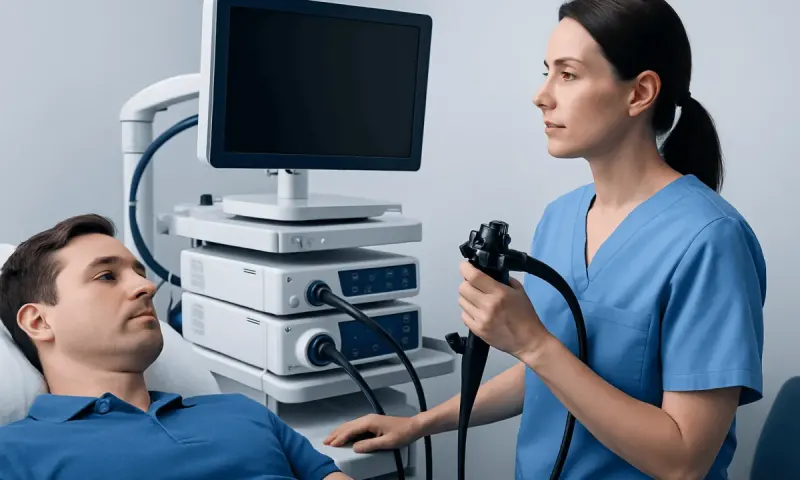
Colonoscopy is usually central to diagnosis. During this examination, a flexible camera is used to view the rectum and colon, and small tissue samples called biopsies are collected for laboratory analysis. Imaging such as MRI enterography, CT enterography, or ultrasound may be used to assess areas beyond the reach of colonoscopy and to look for narrowing, abscesses, or fistulas. Crohn’s disease assessment is individualized, because the pattern and location of inflammation influence treatment choices.
Treatment Options and Ongoing Monitoring
Treatment for Crohn’s colitis aims to reduce intestinal inflammation, relieve symptoms, achieve remission, prevent complications, and preserve long-term bowel function. The best plan depends on disease severity, the amount of colon involved, previous treatments, complications, other health conditions, and personal priorities. Care is usually coordinated by a gastroenterologist, often with input from dietitians, colorectal surgeons, radiologists, and other specialists when appropriate.
Medicines may include corticosteroids for short-term control of a significant flare, followed by treatments intended to maintain remission. These can include immunomodulators and targeted biologic or small-molecule therapies that act on specific immune pathways. Corticosteroids are generally not used as a long-term maintenance strategy because of their potential side effects. Biological therapy may be considered for moderate to severe disease or when other medicines have not adequately controlled inflammation.
Nutrition support is an important part of care. There is no single diet that causes or cures Crohn’s colitis, but dietary adjustments may reduce symptoms during a flare and help maintain adequate calorie, protein, vitamin, and mineral intake. A dietitian can help identify individual triggers without unnecessary food restrictions. Iron, vitamin B12, vitamin D, calcium, or other supplements may be recommended when blood tests show a deficiency.
Surgery may be needed if medicines cannot control disease or if complications develop, such as a severe narrowing, abscess, fistula, significant bleeding, or a bowel perforation. Surgery can remove a damaged section of bowel or address a complication, but it does not cure Crohn’s disease, which can recur elsewhere in the digestive tract. Colorectal surgery is planned carefully to preserve as much healthy bowel as possible.
Living Well: Prevention and Self-Care
Crohn’s colitis cannot currently be prevented, but people can take practical steps to reduce avoidable risks and support overall health. Taking prescribed treatment consistently, attending planned monitoring appointments, and reporting changes in symptoms early can help prevent a mild flare from becoming more disruptive. It is important not to stop a maintenance medicine simply because symptoms improve without discussing it with the treating clinician.
Smoking cessation is especially important for people with Crohn’s disease. Regular activity, adequate sleep, and stress-management strategies such as relaxation exercises, counseling, or support groups may also be helpful for general wellbeing. These measures do not replace medical treatment, but they can make living with a chronic condition more manageable.
People should discuss vaccinations with their care team, particularly before starting medicines that affect immune function. They should also ask before using over-the-counter NSAID pain relievers, herbal products, antidiarrheal medicines, or supplements. Depending on the extent and duration of colon inflammation, a clinician may recommend surveillance colonoscopies to monitor for precancerous changes over time.
When to Seek Medical Care
A person should arrange a medical assessment for diarrhea that persists or repeatedly returns, blood in the stool, unexplained weight loss, ongoing abdominal pain, or fatigue that interferes with daily life. Early evaluation is valuable because these symptoms can have many causes, and treating bowel inflammation before complications occur can improve long-term outcomes.
Urgent medical care is needed for severe or worsening abdominal pain, a swollen or rigid abdomen, high fever, repeated vomiting, inability to keep fluids down, fainting, marked dehydration, heavy rectal bleeding, or black, tar-like stools. These symptoms may indicate a serious complication or another condition requiring prompt assessment.
People already diagnosed with Crohn’s colitis should contact their care team when symptoms suggest a flare, when medicines cause troublesome side effects, or when they are planning pregnancy, travel, vaccination, or surgery. Acıbadem Health Point’s multidisciplinary specialists and JCI-accredited hospitals diagnose and treat Crohn’s disease for international patients, with care plans tailored to clinical needs.
Frequently asked questions
01Is Crohn's colitis the same as ulcerative colitis?
No. Both are inflammatory bowel diseases and can cause diarrhea, rectal bleeding, and urgency, but they have different patterns. Crohn's colitis is Crohn’s disease affecting the colon and may involve patchy, deeper inflammation, whereas ulcerative colitis causes continuous inflammation limited to the colon lining.
02Can Crohn's colitis be cured?
There is currently no cure for Crohn's colitis. However, modern treatments can often control inflammation, bring symptoms into remission, and reduce the risk of complications. Ongoing follow-up remains important even when a person feels well.
03What foods should be avoided with Crohn's colitis?
There is no universal list of foods that everyone with Crohn's colitis must avoid. Some people find that high-fat foods, alcohol, caffeine, spicy foods, or high-fiber foods worsen symptoms during a flare, but triggers differ between individuals. A dietitian can help create a balanced plan that avoids unnecessary restrictions.
04Does stress cause Crohn's colitis?
Stress does not cause Crohn's colitis. It can, however, worsen the experience of symptoms and make it more difficult to maintain healthy routines such as sleep, regular meals, and medication adherence. Stress-management support may be useful alongside medical treatment.
05How is a Crohn's colitis flare identified?
A flare may involve increased diarrhea, abdominal pain, urgency, bleeding, fatigue, fever, or weight loss. Similar symptoms can also be caused by infections, medication effects, or other digestive problems, so testing may be needed. A care team may use blood tests, stool markers, endoscopy, or imaging to confirm active inflammation.
06Will Crohn's colitis increase colorectal cancer risk?
Long-standing inflammation affecting a substantial part of the colon can increase colorectal cancer risk over time. The level of risk varies with the extent and duration of disease, family history, and how well inflammation is controlled. Gastroenterologists recommend individualized surveillance colonoscopy schedules when appropriate.
This article is for general information only and is not a substitute for professional medical advice. Please consult a qualified doctor about your individual situation.
Persistent digestive symptoms? Get evaluated in Turkey
JCI-accredited · board-certified surgeons · reply within 24h
Add us as a Preferred Source to see more of our trusted health content across Google Search, AI Overviews and Discover.