Crepey Skin Comes From Aging, Sun, and Dryness

Have you noticed the skin on your forearms looking thin and finely crinkled, a bit like crepe paper? That’s what people mean by crepey skin. It’s loose, delicate, and it shows up most often with age and years of sun exposure.
The good news: it’s usually not dangerous. And with supportive skin care and, when needed, medical treatments, the texture and appearance can often improve.
Overview: What crepey skin means
“Crepey skin” is what most people call skin that looks thin, finely wrinkled, and less elastic, much like crepe paper. It can develop gradually as the skin loses collagen, elastin, and moisture over time. Many people notice it on the arms, around the eyes, on the neck, chest, hands, or above the knees.
Most of the time, this comes down to natural aging and years of sun rather than a serious disease. Even so, it can affect comfort, confidence, and how the skin tolerates dryness or irritation. The degree of change varies from person to person and often reflects a combination of genetics, lifestyle, and environmental exposure.
Crepey skin is not exactly the same as loose skin, although the two can overlap. Loose skin mainly refers to sagging, while crepey skin describes a finer, more paper-like texture. That difference matters for treatment: some people do best with skin barrier support and collagen stimulation, while others need options that also tackle sagging.
How crepey skin looks and feels
The main feature of crepey skin is a delicate, crinkled texture that remains visible even when the skin is at rest. The surface may look dull, dry, or slightly translucent, and the skin may not spring back as easily after being gently pinched or moved. Fine lines can become more noticeable, especially in bright light.
Some people also describe a feeling of dryness, mild roughness, or increased sensitivity to soaps, weather changes, and friction from clothing. The skin may appear more fragile than before, particularly on areas with repeated sun exposure. In some cases, crepey skin coexists with age spots or other signs of photoaging.
Plenty of other skin problems change texture too, so pay attention to whether the change came on slowly and over a wide area or suddenly in one spot. A gradual change that affects sun-exposed or age-prone areas is more typical of crepey skin. By contrast, redness, scaling, itching, crusting, or pain may point to another skin condition that needs separate assessment.
Why crepey skin happens

Crepey skin usually develops when the skin’s support structure weakens over time. Collagen gives skin firmness, elastin allows it to stretch and return to shape, and natural oils and water content help maintain softness. As these protective elements decline, the skin becomes thinner and more prone to fine wrinkling.
Ultraviolet light is one of the most important outside factors. Repeated sun exposure can gradually damage collagen and elastin, leading to premature aging of the skin. This process, often called photoaging, can make crepey changes appear earlier or become more pronounced. Related skin changes may overlap with sun-damaged skin, which is why persistent or unusual spots should not be ignored.
Dryness also plays a major role. When the skin barrier is weakened, water is lost more easily, making lines and folds more visible. Environmental factors such as low humidity, frequent hot showers, harsh cleansers, and insufficient moisturization can all add to the appearance of crepey skin.
Hormonal shifts, genetics, smoking, rapid weight loss, and long-term use of certain medications such as corticosteroids can all add to it. In addition, repeated rubbing or inflammation can worsen texture in vulnerable areas. Often, several of these factors are present together rather than a single cause.
Risk factors and areas commonly affected
Age is the strongest risk factor because the skin naturally becomes thinner and less resilient over the years. However, crepey skin can also appear earlier in adults with significant sun exposure, indoor tanning history, smoking exposure, or very dry skin. People with lighter skin tones may notice sun-related changes sooner, although all skin tones can develop crepey texture.
Certain body areas are more likely to show these changes because the skin there is naturally thin or receives repeated ultraviolet exposure. Common locations include the under-eye area, eyelids, neck, chest, forearms, backs of the hands, and the skin above the knees or elbows. After major weight loss, crepey texture may also be more visible where the skin has stretched.
People sometimes confuse crepey skin with conditions that involve scaling, itch, or inflammation. While crepey texture itself is usually cosmetic, associated dryness can make the skin more reactive. If the surface becomes persistently irritated, it may overlap with eczema or another skin disorder that deserves medical guidance.
- Natural aging and menopause-related skin changes
- Long-term sun exposure or tanning bed use
- Smoking and environmental pollution
- Dehydrated or chronically dry skin
- Rapid weight loss or repeated weight changes
- Family tendency toward thinner or more fragile skin
How doctors assess crepey skin
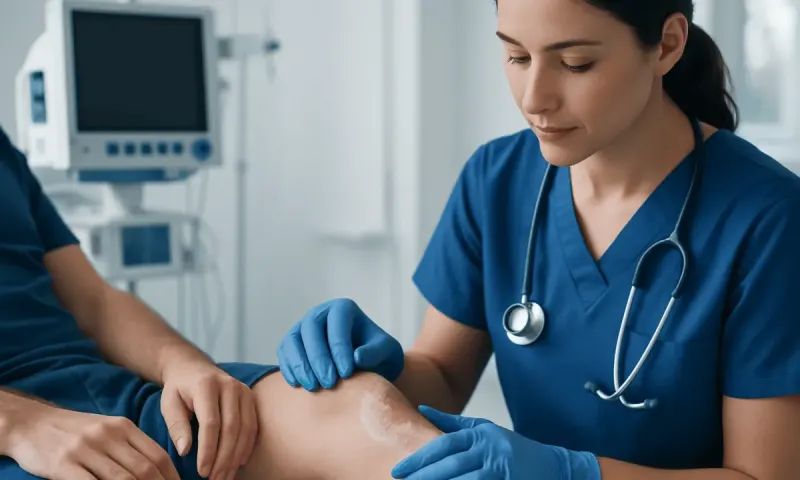
Crepey skin is usually identified through a clinical skin examination and a discussion of symptoms, lifestyle, and medical history. A doctor may ask when the changes began, which body areas are affected, how much sun exposure a person has had, and whether there is itching, bruising, sensitivity, or recent weight loss. This conversation helps separate expected aging from a skin problem that needs treatment.
In many cases, no special test is required. The main goal is to check for contributing factors such as severe dryness, medication effects, smoking, chronic sun damage, or inflammatory skin disease. If another diagnosis is possible, the doctor may recommend a closer dermatologic evaluation.
Any suspicious lesion, non-healing patch, bleeding spot, or rapidly changing mole should be examined carefully because these features are not explained by crepey skin alone. In selected cases, doctors may use imaging or biopsy of a specific lesion, but this is not part of routine assessment for ordinary skin texture changes.
Treatment options for crepey skin
Treatment depends on the cause, the severity of the texture change, the body area involved, and the person’s goals. For many patients, the first step is improving the skin barrier with regular moisturizers, especially products containing humectants, ceramides, or other barrier-supporting ingredients. These do not reverse aging, but they can soften the look of fine wrinkling and reduce dryness-related discomfort.
Doctors may also suggest topical treatments that support cell turnover and collagen remodeling. Depending on skin type and tolerance, this can include prescription retinoids or carefully selected over-the-counter products. Because these ingredients can initially irritate dry or sensitive skin, they are usually introduced gradually and paired with sunscreen and moisturization.
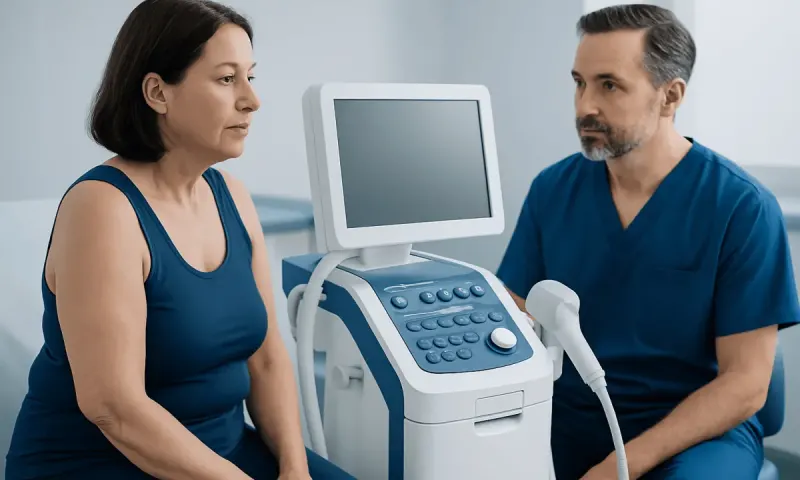
When crepey skin is more established, in-office procedures may offer additional improvement. These can include energy-based treatments, fractional resurfacing, or other dermatologic and aesthetic approaches chosen after examination. In some cases, patients considering broader rejuvenation options may discuss dermatology care or plastic and reconstructive surgery if looseness and texture changes occur together.
Expect gradual change rather than an overnight difference; most treatments aim to improve the skin, not turn back the clock completely. A realistic plan often combines daily home care, strict sun protection, and professional treatment when needed. For international patients, Acıbadem Health Point’s multidisciplinary specialists and JCI-accredited hospitals evaluate skin concerns and guide appropriate Acne Treatment Options: Topical, Oral, and Procedure-Based Care" class="ahp-ilk">treatment options.
Daily care and prevention
Although crepey skin cannot always be prevented completely, daily habits can slow progression and help the skin look and feel healthier. The most important step is broad-spectrum sun protection every day, including on cloudy days and during incidental exposure such as driving or walking outdoors. Protective clothing, hats, and shade are especially helpful for the neck, chest, arms, and hands.
Gentle cleansing and regular moisturization support the skin barrier. Many people do best with fragrance-free cleansers, lukewarm rather than hot water, and a thicker moisturizer applied soon after bathing. Products that attract and hold moisture can reduce the dry, papery appearance, especially in colder months or low-humidity environments.
Healthy lifestyle habits also matter. Avoiding smoking, staying physically active, eating a balanced diet, and maintaining stable weight may support overall skin health. While no food or supplement can guarantee prevention, general wellness can help the skin repair itself more effectively.
- Use sunscreen consistently on exposed skin
- Moisturize daily, especially after bathing
- Limit harsh scrubs and overly drying products
- Avoid smoking and tanning beds
- Protect skin from friction and excessive heat
- Seek advice early if dryness or irritation becomes persistent
When to seek medical care
Crepey skin on its own is usually not an emergency, but a medical review is wise if the change appears suddenly, becomes severe, or affects quality of life. It is also important to seek care if the skin is itchy, painful, inflamed, bruises easily, or develops sores, crusting, or bleeding. These features may suggest something other than ordinary aging or dryness.
Patients should also see a doctor if there are new or changing pigmented spots, rough patches that do not heal, or a history of heavy sun exposure. Such findings need assessment because long-term ultraviolet damage can raise the risk of more serious skin problems. If needed, the evaluation may include referral for specialist dermatology assessment.
Getting advice early lets us match the care to your skin type and medical history. It may also prevent irritation from unsuitable products or unnecessary treatments. A qualified clinician can explain what is likely age-related, what may be reversible, and when more targeted therapy makes sense.
Frequently asked questions
01Is crepey skin a medical problem?
Crepey skin is usually a cosmetic or age-related skin change rather than a dangerous medical condition. However, if the skin change is sudden, painful, itchy, or associated with sores, bleeding, or unusual spots, a doctor should assess it.
02Can crepey skin be reversed?
Complete reversal is not always possible, especially when changes are related to aging and long-term sun exposure. Still, many people can improve the appearance and feel of crepey skin with moisturizers, sun protection, topical treatments, and selected medical procedures.
03What is the difference between crepey skin and wrinkles?
Wrinkles are folds or lines that can vary in depth, while crepey skin describes a broader thin, crinkled, paper-like texture. A person may have both at the same time, but crepey skin often reflects reduced elasticity and dryness across a wider area.
04Which parts of the body get crepey skin most often?
It commonly appears around the eyes, on the neck and chest, on the upper arms and forearms, on the hands, and above the knees. These areas are either naturally thinner or receive frequent sun exposure.
05Does drinking more water cure crepey skin?
Good hydration supports overall health, but drinking water alone usually does not correct crepey skin. The skin often improves more with direct barrier care, regular moisturization, and protection from ultraviolet damage.
06Are home remedies enough for crepey skin?
Home care can help mild cases, especially when dryness and sun exposure are important factors. If the skin remains bothersome despite consistent care, or if there are signs of irritation or other skin disease, a medical evaluation is appropriate.
This article is for general information only and is not a substitute for professional medical advice. Please consult a qualified doctor about your individual situation.
Joint and spine care in Turkey — expert assessment & treatment
JCI-accredited · board-certified surgeons · reply within 24h
Add us as a Preferred Source to see more of our trusted health content across Google Search, AI Overviews and Discover.