Craniosacral Therapy: Uses, Benefits and Risks
Key Takeaways
- Craniosacral therapy uses very light touch and slow, manual techniques.
- It may be sought by people looking for relaxation or support with discomfort, but evidence for many uses is limited.
- It should not replace medical assessment for headaches, neurological symptoms, trauma, or persistent pain.
- A qualified clinician can help determine whether it fits safely with other rehabilitation or medical care.
- Good communication matters, especially when treatment is planned while traveling or continuing care after returning home.
Craniosacral therapy is a gentle hands-on technique that is sometimes used as a complementary approach for pain, tension, stress, and recovery support. It should be understood as part of a broader care plan, not a replacement for medical evaluation or treatment when symptoms need it.
Overview
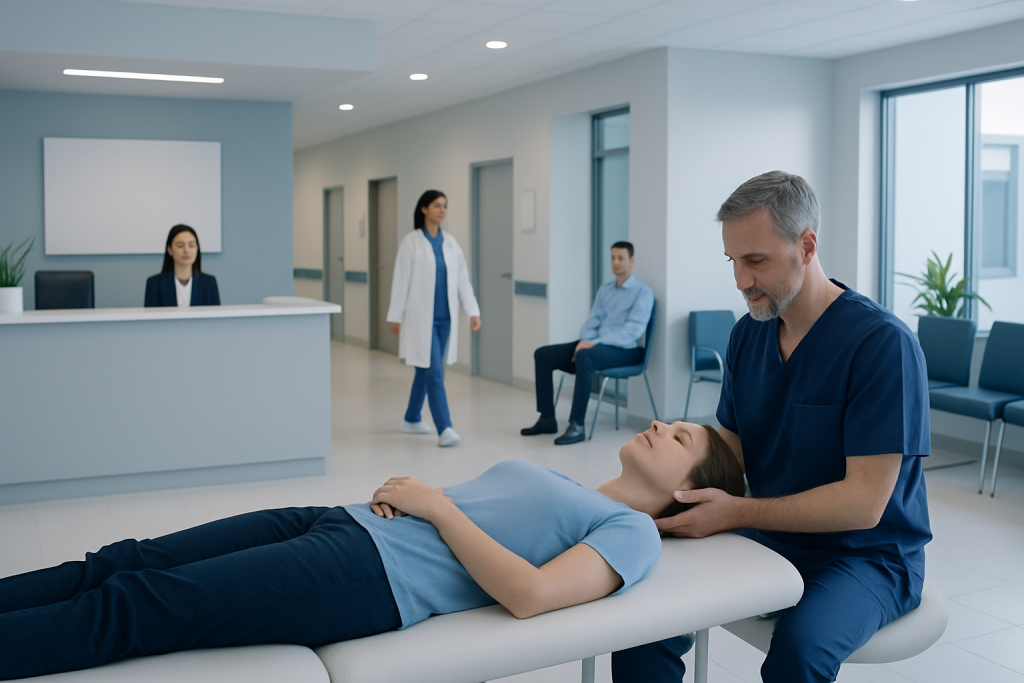
Craniosacral therapy is a gentle, hands-on approach that uses light touch on the skull, spine, sacrum, and surrounding tissues. It is often discussed as a complementary therapy, meaning it may be used alongside conventional medical care rather than instead of it.
People usually explore it when they are looking for a calm, low-force treatment experience. Some describe it as relaxing or soothing, and some seek it during periods of stress, musculoskeletal discomfort, headache concerns, or general tension. That said, craniosacral therapy is not a substitute for a medical diagnosis when symptoms are new, severe, or unexplained.
In a rehabilitation setting, it may be considered one piece of a wider plan that can also include physical therapy, exercise, posture work, pain management, sleep support, and follow-up care. The main value is often in the therapeutic setting itself: slow pace, careful listening, and attention to how the body responds.
Symptoms and Reasons People Seek It
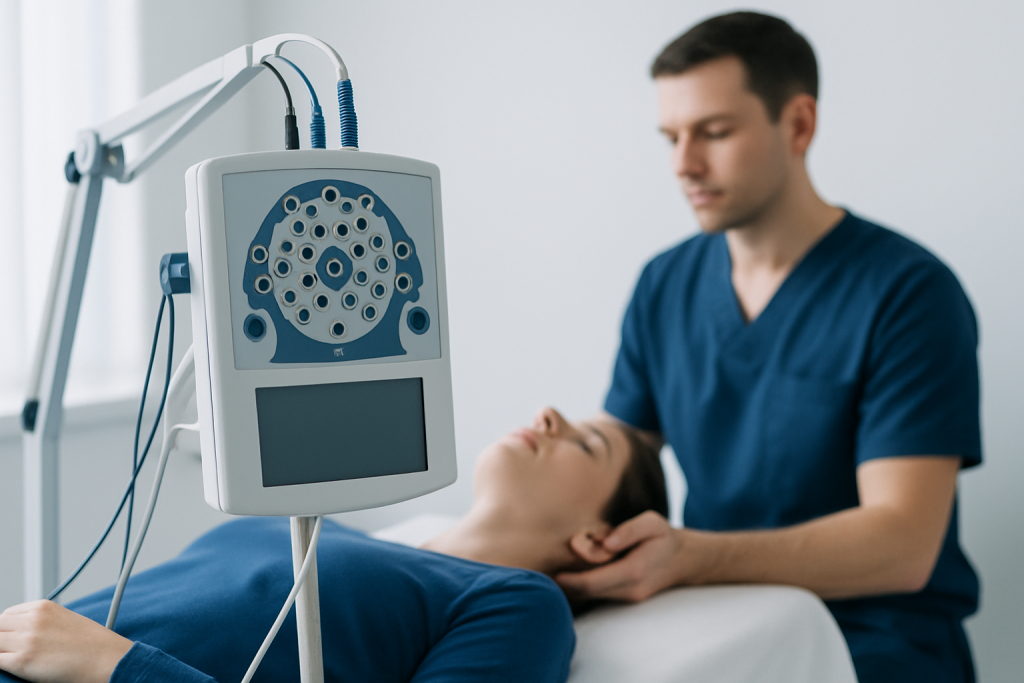
There is no single symptom that defines who might ask about craniosacral therapy. Instead, it tends to appeal to people who are trying to ease discomfort that feels related to tension, stress, or recovery from strain. Some people also seek it because they prefer very gentle touch compared with more forceful manual techniques.
Common reasons people ask about it include:
- Neck, shoulder, or back tension
- Headaches or a feeling of pressure related to muscle tightness
- Stress-related symptoms and difficulty relaxing
- General discomfort during recovery from minor musculoskeletal strain
- Interest in a gentle complementary therapy alongside standard care
It is important to note that symptoms such as severe headache, weakness, numbness, fever, fainting, loss of balance, recent injury, or sudden change in vision need medical evaluation first. Craniosacral therapy is not designed to investigate or replace treatment for those concerns.
Causes & Risk Factors
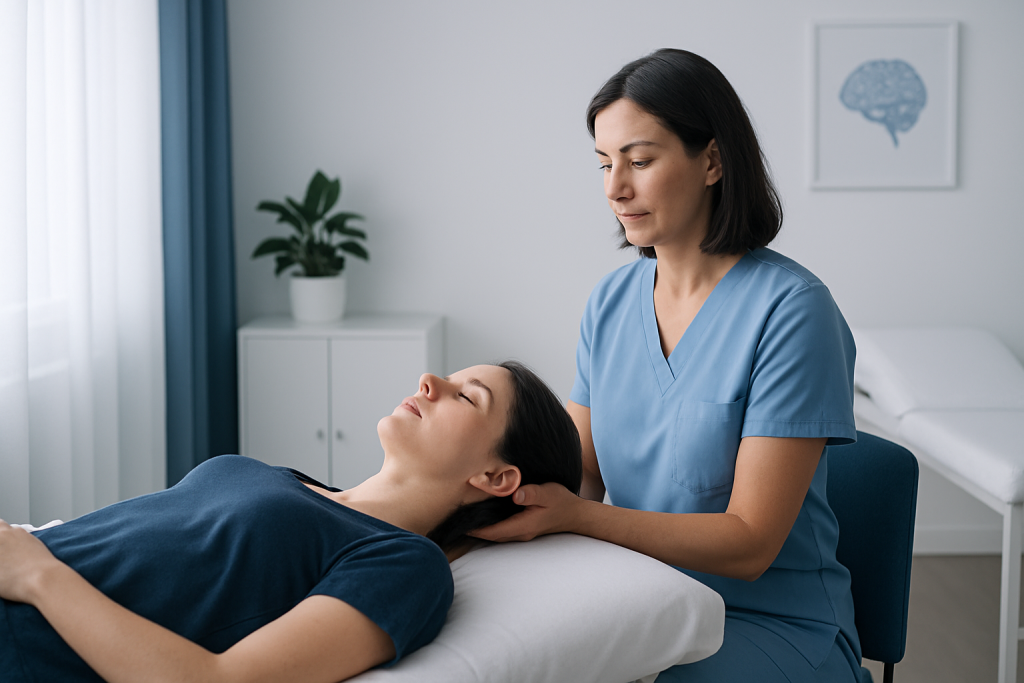
Craniosacral therapy is not a treatment for a single disease, so the question is usually why a person is considering it. People often look for gentle manual care when they are dealing with stress, muscle guarding, poor sleep, prolonged sitting, repetitive strain, or a desire to support recovery after a period of physical or emotional load.
From a clinical point of view, the symptoms people associate with “tightness” or “pressure” can have many different causes. These may include posture issues, temporomandibular joint problems, migraine, tension-type headache, arthritis, nerve irritation, anxiety, or other medical conditions. Because the cause can vary so widely, it is wise not to assume that a symptom is simply due to tension.
People may be more likely to ask about this therapy if they:
- Prefer non-pharmacological support
- Are recovering from a prolonged period of stress
- Have persistent muscle tension despite self-care
- Want a very light touch-based approach
- Are already working with a rehabilitation team and want an adjunct option
Diagnosis
Craniosacral therapy itself is not a diagnostic test. Before it is offered, a trained clinician should review the person’s symptoms, health history, medications, and any previous imaging or examinations that are relevant. This helps determine whether the therapy is appropriate and whether more urgent evaluation is needed.
A thoughtful assessment usually starts with questions about where the discomfort is located, when it began, what makes it better or worse, and whether there are any warning signs such as injury, fever, neurological changes, or unexplained Turkey Neck After Weight Loss: Treatment Options" class="ahp-ilk">weight loss. If the symptom pattern suggests a condition that needs medical workup, the person should be referred to the correct specialist first.
For international patients, this step is especially important because care may be happening across different countries or systems. Clear records, prior imaging reports, and a summary of current medications can make it easier for the receiving team to decide whether craniosacral therapy belongs in the treatment plan.
Treatment Options
During a craniosacral therapy session, the practitioner typically uses very light contact rather than deep pressure. The aim is usually to support relaxation, observe tissue response, and work in a slow, quiet setting. Sessions vary in style and training background, so patients may notice meaningful differences from one practitioner to another.
In practice, craniosacral therapy is often used in combination with other supportive measures rather than on its own. A clinician may recommend stretching, strengthening, ergonomic adjustments, hydration, sleep routines, stress-management techniques, or other forms of rehabilitation depending on the underlying problem.
Because evidence for many claimed uses is limited, it is best viewed as a supportive option with uncertain benefit for specific medical outcomes. A patient should ask what the intended goal is before starting: relaxation, symptom relief, or support during a rehabilitation program. If a treatment plan promises to cure complex conditions, that should be discussed carefully with a qualified doctor.
People planning care abroad may also want to ask how progress will be tracked and what follow-up is needed after returning home. When therapy is integrated with broader medical care, continuity matters more than the number of sessions.
Prevention & Self-care
Craniosacral therapy is not something most people use for prevention in the classic sense. However, the habits that support comfort and resilience are the same ones that often reduce recurring tension and make any rehabilitation approach more effective.
Helpful self-care strategies may include regular movement, sensible workstation setup, adequate sleep, stress reduction, and attention to posture during long periods of sitting or screen use. Gentle stretching or exercise recommended by a clinician can also be useful when muscle tightness is part of the picture.
Patients should also keep a simple symptom log if they are trying a complementary therapy. Notes about timing, triggers, sleep, and response to treatment can help the care team see whether the approach is truly helpful or whether another explanation should be explored. If a person is traveling for treatment, bringing that log to follow-up visits can improve continuity of care.
When to See a Doctor
Medical evaluation is important when symptoms are new, severe, persistent, or changing. Craniosacral therapy should not be the first stop for warning signs such as sudden severe headache, weakness, numbness, speech changes, balance problems, fever, confusion, trauma, or loss of consciousness.
A doctor should also be consulted if pain keeps returning, interferes with daily life, or does not improve with basic self-care. That is especially true if the person has a known neurological condition, cancer history, a bleeding disorder, or recent surgery, since those factors may change what types of touch or rehabilitation are appropriate.
For international patients, it can help to arrange a multidisciplinary review before deciding on therapy, especially if symptoms have been evaluated in more than one country. Acibadem Health Point’s multidisciplinary specialists and JCI-accredited hospitals diagnose and treat a wide range of conditions for international patients, which can make it easier to coordinate safe next steps and follow-up care.
Frequently asked questions
01What is craniosacral therapy used for?
It is commonly sought for relaxation, stress reduction, and support with discomfort such as tension in the neck, shoulders, or head. Some people use it as part of a broader rehabilitation plan. It should not replace a medical evaluation when symptoms suggest a more serious condition.
02Is craniosacral therapy the same as massage therapy?
No. It usually involves much lighter touch than massage and is often performed in a quieter, slower setting. The goals and techniques are different, even though both are hands-on approaches.
03Does craniosacral therapy have proven medical benefits?
Evidence for many claimed benefits is limited and varies by condition. Some people report feeling relaxed or more comfortable afterward, but it is best to view the therapy as complementary rather than a proven stand-alone treatment.
04Is craniosacral therapy safe for everyone?
It is generally gentle, but it may not be appropriate for people with certain medical conditions or after recent injury or surgery. A clinician should review the person’s history first, especially if there are neurological symptoms, bleeding concerns, or unexplained pain.
05How many sessions are needed?
There is no standard number because it depends on the reason for trying it and how the person responds. A qualified practitioner should explain the plan, expected goals, and when to reassess rather than continuing indefinitely without clear benefit.
06Can craniosacral therapy help with headaches?
Some people seek it for headaches linked to muscle tension or stress, but headaches can have many causes. Persistent, sudden, or severe headaches should always be evaluated by a doctor before trying complementary treatment.
This article is for general information only and is not a substitute for professional medical advice. Please consult a qualified doctor about your individual situation.
Joint and spine care in Turkey — expert assessment & treatment
JCI-accredited · board-certified surgeons · reply within 24h
Add us as a Preferred Source to see more of our trusted health content across Google Search, AI Overviews and Discover.