Cramping But Not Period: Causes and Treatment

Key Takeaways
- Cramping without menstrual bleeding can come from gynecologic, digestive, urinary, or muscle-related causes.
- Timing, location, and associated symptoms such as bloating, fever, or bleeding help guide evaluation.
- Pregnancy, ovulation, endometriosis, ovarian cysts, and infections are among the possible causes.
- Most cases improve with targeted treatment, but persistent or severe pain should be assessed by a doctor.
- Keeping track of symptoms can make it easier to get a clear diagnosis, especially when seeking care while traveling.
Cramping without a period can happen for many reasons, and it is not always a sign of something serious. Understanding the pattern of pain, associated symptoms, and timing can help a doctor identify the cause and recommend the right care.
Overview
Cramping but not period can be confusing because the pain feels familiar, yet the usual monthly bleeding never starts. For many people, the first question is whether the discomfort is part of the menstrual cycle or a separate issue that needs attention.
The body can produce cramp-like pain for several reasons. Some are closely related to the reproductive system, such as ovulation, early pregnancy, or conditions like endometriosis. Others come from the digestive tract, bladder, or abdominal wall, which is why the same symptom can point to very different causes.
A helpful way to think about this symptom is to look beyond the cramp itself. Where the pain is felt, how long it lasts, whether it comes and goes, and what else is happening at the same time often gives the strongest clues. That information is especially useful if someone is trying to decide whether to monitor symptoms at home or arrange a medical evaluation.
Symptoms

Cramp-like pain can feel dull, tight, achy, or sharp, and it may be centered low in the pelvis or spread across the lower abdomen. Some people notice it as a brief twinge, while others experience a steady, heavier discomfort that feels similar to period pain.
Symptoms that appear alongside cramping can help narrow the cause. For example, bloating, nausea, changes in bowel habits, urinary burning, vaginal discharge, spotting, or back pain may point in different directions. The timing matters too: pain that appears around ovulation is different from pain that starts after a missed period or follows a meal.
- Lower abdominal or pelvic aching
- Bloating or pressure
- Nausea, constipation, or diarrhea
- Urinary urgency or burning
- Spotting or unusual vaginal discharge
- Pain with sex or movement
Severe pain, fainting, shoulder pain, heavy bleeding, or fever deserves prompt medical attention because those features can signal a condition that needs urgent care.
Causes & Risk Factors

There is no single explanation for cramping without a period. In some cases, the pain is part of the normal cycle, such as ovulation pain, which can occur midway between periods. In other cases, it may reflect early pregnancy, including implantation-related discomfort or a pregnancy complication that should not be ignored.
Gynecologic causes can include ovarian cysts, endometriosis, uterine fibroids, pelvic inflammatory disease, or menstrual cycle changes related to stress or hormonal shifts. Digestive causes are also common and may include constipation, gas, irritable bowel syndrome, gastroenteritis, or food sensitivities. Urinary tract infections and kidney stones can sometimes feel like pelvic cramping rather than classic bladder pain.
Risk factors depend on the cause, but common ones include a history of endometriosis or ovarian cysts, unprotected sex, recent pelvic infection, significant stress, constipation, and a pattern of irregular cycles. Myomectomy Recovery for International Patients: The Usual Travel Timeline" class="ahp-ilk">International patients sometimes arrive unsure which specialty to see first; in practice, a careful history and exam usually help direct the evaluation toward gynecology, gastroenterology, urology, or general medicine.
Diagnosis
Diagnosis begins with a detailed conversation about the pain itself: when it started, where it is located, whether it is constant or intermittent, and whether it relates to meals, bowel movements, urination, exercise, or intercourse. A doctor will also ask about the last menstrual period, contraception, pregnancy possibility, and any unusual bleeding or discharge.
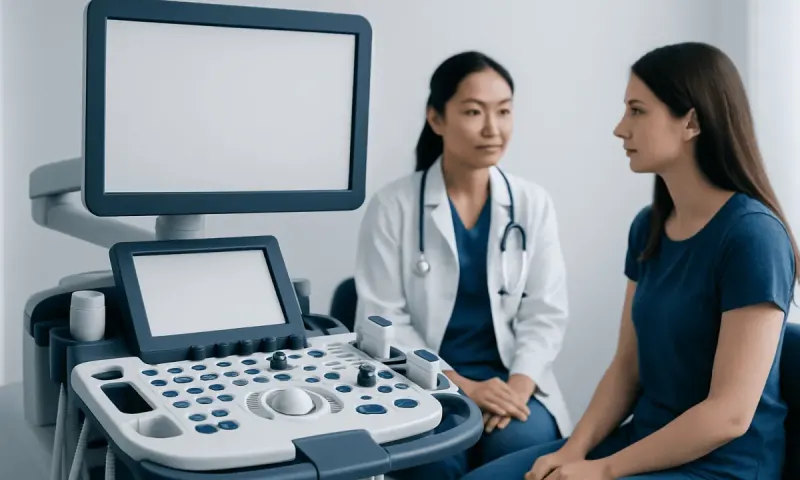
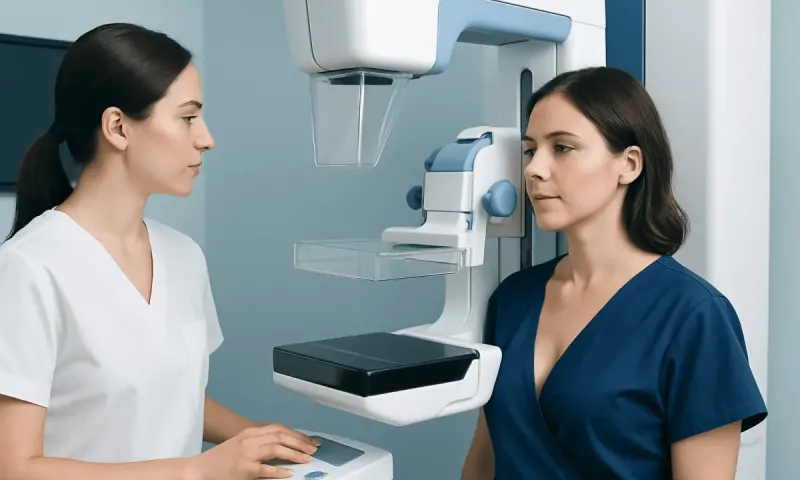
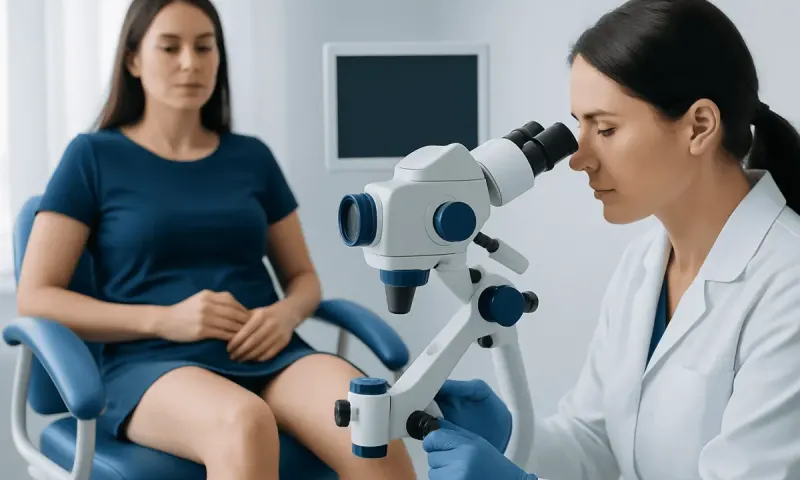
Depending on the situation, the evaluation may include a pelvic exam, pregnancy test, urine test, blood tests, or imaging such as pelvic ultrasound. If digestive symptoms are prominent, additional testing may be considered to look at bowel or abdominal causes. The goal is not to chase every possible diagnosis at once, but to use the pattern of symptoms to focus the workup.
For someone traveling for care, bringing a symptom diary, prior test results, medication list, and details of previous surgeries or pregnancies can save time and reduce repeat testing. Clear communication also helps clinicians compare new findings with the patient’s usual cycle and distinguish a benign fluctuation from a problem that deserves treatment.
Treatment Options
Treatment depends entirely on the cause of the cramping. If the pain is linked to ovulation or mild cycle changes, a doctor may recommend observation, heat, rest, and simple pain-relief measures if appropriate. If the cause is a urinary infection, treatment focuses on the infection itself; if it is an ovarian cyst, the plan may range from monitoring to further intervention depending on size, symptoms, and other findings.
Conditions such as endometriosis, fibroids, pelvic inflammatory disease, and irritable bowel syndrome each have their own treatment approach. That may include medication, lifestyle changes, hormonal treatment, antibiotics, bowel-directed therapy, or, in some cases, surgery. For early pregnancy-related pain, evaluation is especially important because the correct care depends on confirming where the pregnancy is located and whether any urgent complication is present.
People who are receiving care away from home often benefit from a coordinated plan that includes follow-up testing, written instructions, and a clear explanation of what symptoms should prompt a return visit. Acibadem Health Point’s multidisciplinary specialists and JCI-accredited hospitals diagnose and treat this condition for international patients, with care plans adapted to each person’s test results and travel needs.
Prevention & Self-care
Not every cause of cramping without a period can be prevented, but some practical steps can reduce discomfort and make patterns easier to spot. Keeping a cycle and symptom log is one of the most useful habits, especially when the timing seems irregular or the pain appears in a new part of the month.
At home, gentle movement, hydration, adequate fiber intake, and warmth from a heating pad may ease mild cramping for some people. If constipation or gas seems to be part of the pattern, attention to diet and bowel habits can help. When symptoms appear after sex, after urination, or with vaginal discharge, it is better to seek assessment than to try to self-treat repeatedly.
- Track the date, location, and intensity of pain
- Note bleeding, spotting, discharge, bowel, or urinary changes
- Maintain regular sleep, hydration, and meals when possible
- Use over-the-counter pain relief only if it is safe for the individual
- Seek evaluation for recurring or worsening episodes
If pregnancy is possible, a home pregnancy test may be appropriate, but a negative result does not always end the conversation if pain continues. Persistent symptoms deserve a clinician’s review rather than reassurance based on one test alone.
When to See a Doctor
A doctor should be consulted if cramping but not period is new, recurring, severe, or disrupting daily life. Evaluation is also important when the pain happens with missed periods, unusual discharge, painful urination, bowel changes, pain during sex, or bleeding outside the usual cycle.
Urgent assessment is recommended for severe one-sided pain, fainting, fever, vomiting that does not settle, heavy bleeding, a positive pregnancy test with pain, or pain that comes on suddenly and intensely. These symptoms do not always mean a dangerous condition, but they do need timely medical review to rule out problems that cannot be safely managed at home.
When in doubt, it is reasonable to seek care sooner rather than later, particularly if the person is trying to coordinate diagnosis while abroad. A concise medical assessment can prevent delays, clarify the next steps, and offer a clear path forward.
Living With Unclear Cramping
Sometimes the first visit does not produce a single neat answer, and that can be frustrating. Even so, symptom patterns often become clearer over time, especially when tests are paired with careful follow-up and the patient records how the pain behaves across several days or cycles.
The most useful approach is steady and practical: rule out urgent causes, identify the most likely source, and treat the problem in a targeted way. With that method, many people find relief and gain a better understanding of what their body is signaling.
For patients who split care between countries, keeping a copy of test results and discharge notes can make future appointments easier. That continuity is often the difference between repeated uncertainty and a focused plan.
Frequently asked questions
01Can cramping happen even if a period is not due yet?
Yes. Ovulation, bowel changes, urinary issues, and other conditions can all cause cramp-like pain outside of a period. The timing in the cycle often helps a doctor separate normal cycle-related discomfort from another cause.
02Could cramping without a period mean pregnancy?
It can, especially if the period is late or there has been unprotected sex. Mild cramping may occur in early pregnancy, but pain with bleeding, dizziness, or one-sided discomfort should be assessed promptly.
03Is it normal to have cramping and bloating at the same time?
That combination can happen with hormonal changes, constipation, indigestion, or gynecologic conditions. If it keeps happening or becomes more intense, a medical review can help identify the source.
04What tests are usually done for cramping but not period?
Common tests include a pregnancy test, urine test, and sometimes blood tests or pelvic ultrasound. The exact plan depends on the symptoms and whether the pain seems gynecologic, urinary, or digestive.
05Can stress cause cramping without a period?
Stress can affect hormones, digestion, and muscle tension, so it may contribute indirectly. However, stress should not be assumed to be the only explanation if the pain is persistent, severe, or accompanied by other symptoms.
06When should someone seek urgent help?
Urgent care is important for sudden severe pain, fainting, fever, heavy bleeding, a positive pregnancy test with pain, or persistent vomiting. These signs may point to a condition that needs quick evaluation.
This article is for general information only and is not a substitute for professional medical advice. Please consult a qualified doctor about your individual situation.
Persistent digestive symptoms? Get evaluated in Turkey
JCI-accredited · board-certified surgeons · reply within 24h
Add us as a Preferred Source to see more of our trusted health content across Google Search, AI Overviews and Discover.