Coxsackievirus Symptoms: Fever, Rash, and Mouth Sores
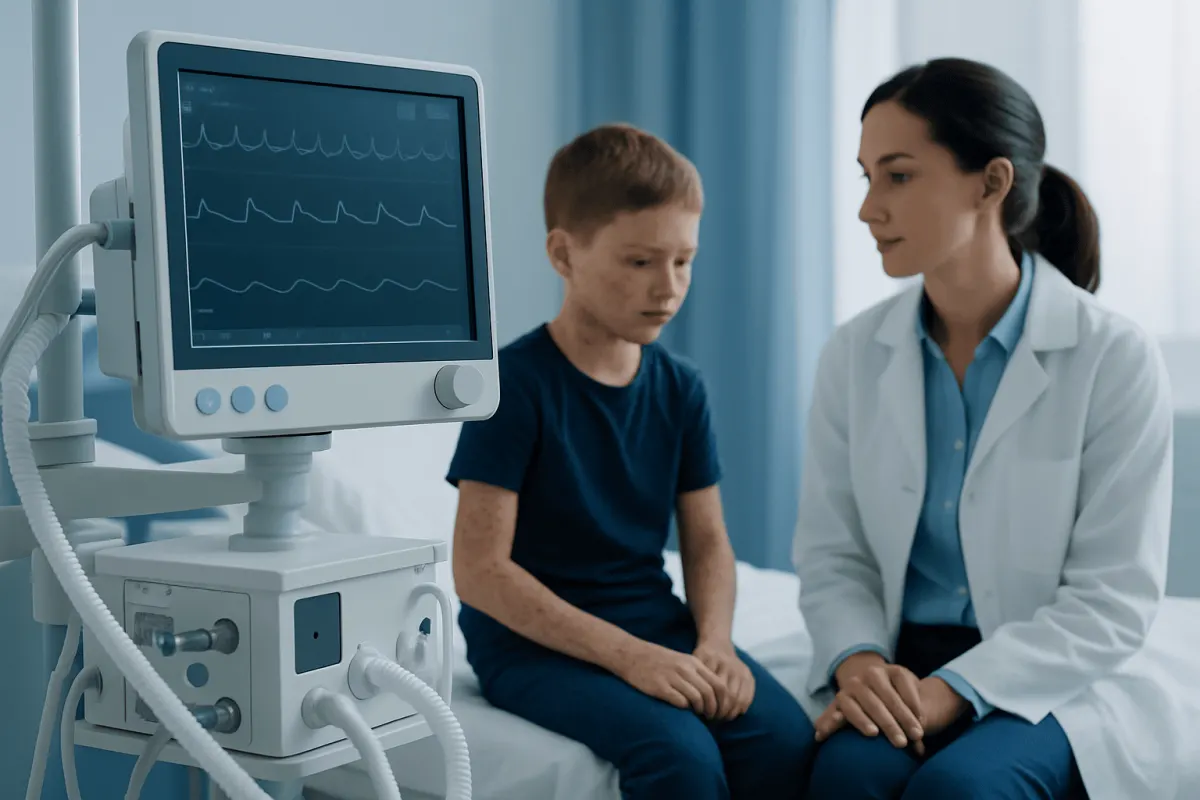
Coxsackievirus symptoms can range from a mild fever and sore throat to painful mouth sores, a rash on the hands and feet, or red eyes. Most infections resolve without specific antiviral treatment, but prompt medical assessment is important for severe symptoms, dehydration, or symptoms in a young infant.
Overview: What Do Coxsackievirus Symptoms Look Like?
Coxsackievirus symptoms commonly include fever, sore throat, fatigue, reduced appetite, and sometimes painful sores in the mouth or a rash on the hands and feet. Some people have only mild cold-like symptoms or no noticeable symptoms at all. In most otherwise healthy children and adults, the illness improves on its own with rest, fluids, and symptom relief.
Coxsackieviruses belong to a large family of viruses called enteroviruses. They spread readily, especially where children are in close contact, such as households, childcare settings, and schools. Infection can occur at any age, although young children are affected most often.
Different coxsackievirus types can cause somewhat different patterns of illness. The best-known include hand, foot and mouth disease, which combines mouth sores with a skin rash, and herpangina, which mainly causes painful sores toward the back of the mouth and throat. Rarely, coxsackievirus infection can affect the heart, brain coverings, or other organs, requiring medical care.
Common Symptoms and Illness Patterns
Symptoms usually begin suddenly after an incubation period of several days. Fever may be the first sign, followed by sore throat, headache, body aches, low energy, or poor appetite. Infants and young children may be irritable, feed less than usual, or drool because swallowing is uncomfortable.
In hand, foot and mouth disease, small painful blisters or ulcers may develop on the tongue, gums, inner cheeks, or throat. A rash may then appear as flat red spots or small blisters on the palms, soles, fingers, toes, buttocks, legs, or other areas. The rash is often uncomfortable but is not usually intensely itchy.
Herpangina is another pattern, more commonly seen in children. It can cause fever, sore throat, and small blisters or ulcers near the tonsils, soft palate, or back of the throat. Unlike hand, foot and mouth disease, a skin rash may be absent.
Some coxsackievirus infections cause nonspecific symptoms such as runny nose, cough, nausea, vomiting, abdominal discomfort, or diarrhea. A clinician may not be able to identify the precise virus from symptoms alone, because many common viral infections overlap.
Causes, Spread, and Risk Factors

Coxsackieviruses are passed from person to person through respiratory droplets, saliva, fluid from blisters, and stool. Infection can occur when someone touches a contaminated surface and then touches their mouth, nose, or eyes. The virus can remain in stool after a person feels well, so careful handwashing remains important during recovery.
Close contact increases the likelihood of spread. Young children are at greater risk because they often share toys, have frequent hand-to-mouth contact, and may not yet wash their hands reliably. Adults can also become infected, particularly when caring for children, although they may have milder symptoms or no symptoms.
Outbreaks occur more often in warmer months in some regions, but infection is possible at any time of year. Having had one coxsackievirus infection does not protect a person against every type, so repeat infections can happen.
People with weakened immune systems, newborns, and those with certain heart conditions may need more individualized advice if they develop symptoms or have a known exposure. A healthcare professional can assess personal risks and recommend appropriate monitoring.
Related Conditions and Possible Complications
Hand, foot and mouth disease is the condition most often associated with coxsackieviruses, although other enteroviruses can cause it as well. The combination of fever, mouth pain, and rash may suggest this diagnosis, particularly when several children in a household or school are unwell. Symptoms can overlap with other childhood rashes, so an assessment may be useful when the diagnosis is uncertain.
Another related condition is viral meningitis, an inflammation of the tissues around the brain and spinal cord. It is uncommon, but may cause severe headache, stiff neck, light sensitivity, fever, nausea, or vomiting. Meningitis has several possible causes, and these symptoms need timely medical evaluation.
Rarely, certain coxsackieviruses can cause inflammation of the heart muscle, known as myocarditis, or the sac around the heart. Warning symptoms may include chest pain, shortness of breath, fainting, unusual palpitations, or marked fatigue. Myocarditis should always be assessed by a clinician because prompt diagnosis helps guide safe care.
Dehydration is a more common concern than serious organ complications, especially in children with painful mouth ulcers who avoid drinking. Signs include a very dry mouth, crying without tears, markedly reduced urination, dizziness, excessive sleepiness, or inability to keep fluids down.
How Coxsackievirus Infection Is Diagnosed
Healthcare professionals usually diagnose a coxsackievirus-related illness from the symptom pattern, physical examination, age, season, and recent exposure to other people with similar symptoms. They may examine the throat and mouth, look at the rash, check hydration, and listen to the heart and lungs.
Laboratory tests are not needed for most mild cases. When illness is severe, unusual, prolonged, or affects a newborn or immunocompromised person, clinicians may use blood, throat, stool, blister-fluid, or spinal-fluid tests to look for enteroviruses and rule out other causes.
Chest symptoms, fainting, or signs of heart involvement may require further evaluation, such as an electrocardiogram, blood tests, echocardiography, or imaging. Similarly, neurological symptoms may lead to urgent assessment and targeted tests. The aim is not only to identify a virus but also to recognize complications and exclude conditions that require different treatment.
Treatment Options and Comfort Measures
There is no routine antiviral medicine that cures common coxsackievirus infections. Treatment is generally supportive: allowing time for recovery, encouraging fluids, and using appropriate fever or pain relief recommended by a qualified clinician. Symptoms often improve over several days, though fatigue or peeling skin after a rash may last somewhat longer.
Frequent small sips of water or oral rehydration solution can be easier than large drinks when the mouth is sore. Cool, soft foods may be more comfortable, while acidic, salty, spicy, or very hot foods can sting mouth ulcers. For infants and children, a parent or caregiver should monitor wet diapers or urination and overall alertness.
Antibiotics do not treat viral infections and are not useful unless a clinician identifies a separate bacterial infection. Aspirin should not be given to children or teenagers with a viral illness unless specifically directed by a clinician, because of the risk of Reye syndrome. Numbing mouth products may be unsuitable for young children, so families should ask a pharmacist or doctor before using them.
People with suspected heart involvement may need specialist assessment and rest from strenuous activity until a clinician confirms it is safe to resume. Depending on symptoms and findings, cardiology evaluation can help assess chest symptoms, abnormal heart rhythms, or possible inflammation of the heart.
Reducing Spread at Home and in the Community
Good hygiene is the most practical way to reduce transmission. Hands should be washed thoroughly with soap and water after using the toilet, changing diapers, wiping a child’s nose, handling tissues, and before preparing food or eating. Alcohol-based hand sanitizer can be useful when soap and water are unavailable, but soap and water is particularly important after contact with stool.
Frequently touched surfaces and shared toys should be cleaned regularly, especially during an illness in the household. Avoid sharing cups, utensils, towels, toothbrushes, and lip products. Cover coughs and sneezes with a tissue or the elbow, then wash hands.
A child should stay home while feeling unwell, feverish, or unable to take part comfortably in usual activities. Local school or childcare policies may differ regarding return after hand, foot and mouth disease. Since virus shedding can continue after visible symptoms resolve, continued hand hygiene is important even after a child returns to regular activities.
When to Seek Medical Care
Medical advice is appropriate when fever is persistent or high, symptoms are worsening, mouth pain prevents drinking, a rash is extensive or unusual, or symptoms do not begin to improve as expected. Parents and caregivers should seek prompt assessment for babies younger than 3 months with a fever, as young infants need careful evaluation.
Urgent medical care is needed for signs of dehydration, breathing difficulty, blue or gray lips, chest pain, fainting, a severe or persistent headache, stiff neck, confusion, seizure, weakness, or unusual drowsiness. These symptoms do not necessarily mean a serious complication is present, but they should not be managed at home without professional guidance.
Acıbadem Health Point’s multidisciplinary specialists and JCI-accredited hospitals can assess infectious symptoms and related complications for international patients. A qualified doctor can determine whether supportive home care is appropriate or whether further testing and treatment are needed.
Frequently asked questions
01How long do coxsackievirus symptoms last?
Many mild coxsackievirus illnesses improve within about a week. Mouth ulcers, rash, or tiredness can occasionally last longer. A clinician should assess symptoms that worsen, persist, or interfere with drinking and normal activity.
02Are coxsackievirus symptoms the same as hand, foot and mouth disease?
Hand, foot and mouth disease is one common illness pattern caused by coxsackieviruses and other enteroviruses. It typically includes fever, painful mouth sores, and a rash on the hands and feet. Not every coxsackievirus infection causes this full combination of symptoms.
03Can adults get coxsackievirus infection?
Yes. Adults can catch coxsackieviruses, particularly through close contact with infected children. Some adults have mild symptoms or none at all, but they can still pass the virus to others.
04Is coxsackievirus contagious after the rash goes away?
It can be. The virus may remain in stool for weeks after recovery, even after fever and rash have resolved. Consistent handwashing after toilet use or diaper changes helps limit spread.
05What should a child drink if mouth sores make swallowing painful?
Small, frequent amounts of cool water or an oral rehydration solution may be easier to tolerate. Cold soft foods can also be more comfortable for some children. Contact a clinician promptly if the child drinks very little, urinates much less than usual, or appears unusually sleepy.
06Can coxsackievirus cause heart problems?
Certain coxsackieviruses have been linked to myocarditis, but this is uncommon. Chest pain, shortness of breath, fainting, palpitations, or severe unexplained fatigue should be evaluated urgently. Most people with ordinary coxsackievirus symptoms do not develop heart complications.
This article is for general information only and is not a substitute for professional medical advice. Please consult a qualified doctor about your individual situation.
Persistent digestive symptoms? Get evaluated in Turkey
JCI-accredited · board-certified surgeons · reply within 24h
Add us as a Preferred Source to see more of our trusted health content across Google Search, AI Overviews and Discover.