

Could High Blood Pressure Cause Headaches: What You Need to Know
- 7 min read
- Published November 25, 2026
Key Takeaways
- Most headaches are not caused by routine high blood pressure readings.
- A sudden, severe headache can be a warning sign when blood pressure is dangerously high.
- Headache plus chest pain, shortness of breath, weakness, confusion, or vision changes needs urgent assessment.
- Blood pressure diagnosis should be confirmed with proper measurements, not guesswork based on symptoms alone.
- Long-term control depends on lifestyle changes, regular monitoring, and medical treatment when prescribed.
Could high blood pressure cause headaches? Sometimes, but most everyday headaches are not caused by mild or moderate hypertension. The more important question is whether a headache is happening with very high blood pressure or other warning signs that need prompt medical attention.
Overview
Could high blood pressure cause headaches? The short answer is: sometimes, but not usually in the way many people expect. Mild or moderate hypertension often causes no symptoms at all, which is why it can go unnoticed for years.
Headache becomes more concerning when blood pressure is very high, rises suddenly, or appears alongside other warning signs. In those situations, the headache may be part of a hypertensive crisis or another urgent medical problem that deserves prompt evaluation.
For people deciding whether to travel for care, this distinction matters. A headache alone rarely proves a blood pressure problem, but a headache with visual changes, chest discomfort, confusion, or weakness should not be monitored casually at home. In those cases, a qualified clinician should assess the person as soon as possible.
Symptoms: When a Headache May Be Related to Blood Pressure
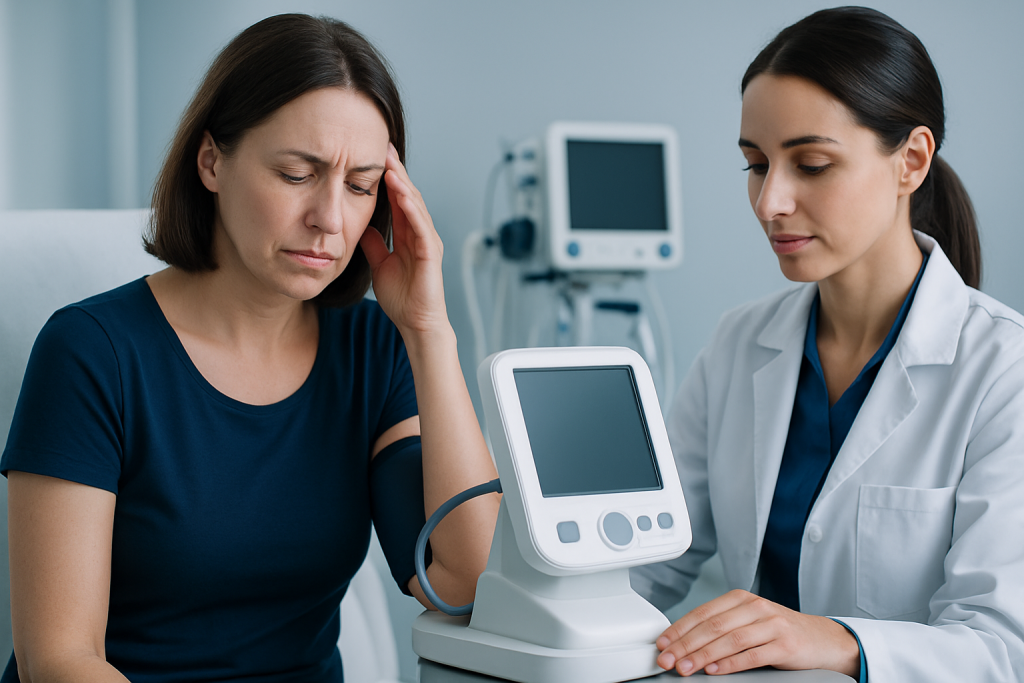
High blood pressure is often called a “silent” condition because it can be present without any obvious symptoms. When symptoms do appear, they are not specific, which means they can overlap with migraines, tension headaches, dehydration, sleep problems, or stress.
A headache may be more suspicious for dangerously elevated blood pressure when it is severe, sudden, unusual for the person, or paired with other body-wide symptoms. Some people also describe pressure, blurred vision, nausea, shortness of breath, or dizziness.
- Severe or sudden headache
- Vision changes
- Chest pain or tightness
- Shortness of breath
- Confusion or difficulty speaking
- Weakness, numbness, or facial drooping
It is important to note that many headaches happen in people who have normal blood pressure. The symptom alone cannot confirm hypertension, and it should not be used as the only reason to start or stop treatment.
Causes & Risk Factors

Most everyday headaches are not directly caused by high blood pressure. When blood pressure is involved, the issue is usually a marked and rapid rise rather than the gradual, chronic elevation seen in many adults with hypertension.
Risk factors for high blood pressure include older age, family history, excess salt intake, excess weight, inactivity, smoking, heavy alcohol use, kidney disease, sleep apnea, diabetes, and long-term stress. Some medicines, stimulants, and recreational substances can also raise blood pressure or trigger headache.
In some cases, a headache and high blood pressure appear together because a separate condition is affecting the body, such as pain, anxiety, infection, hormone disorders, or medication side effects. That is why a proper medical history is essential before assuming the blood pressure is the cause.
Diagnosis
The first step is an accurate blood pressure measurement. A single home reading, especially during pain or anxiety, may not reflect a person’s usual pressure. Clinicians often repeat the measurement after rest and may compare readings taken in the office, at home, or over time.
If the blood pressure is very high or symptoms suggest organ stress, the clinician may look for signs that the heart, brain, eyes, or kidneys are affected. This may include a physical examination, eye check, blood tests, urine tests, electrocardiogram, or imaging if needed.
When headaches are frequent, a doctor may also ask about sleep, hydration, stress, caffeine, medications, and migraine features. The goal is not only to confirm or rule out hypertension, but also to find the most likely reason for the headache itself.
Treatment Options
Treatment depends on how high the blood pressure is and whether the headache is part of an emergency. If blood pressure is dangerously elevated with concerning symptoms, urgent medical care is needed rather than home treatment.
For long-term hypertension, treatment usually combines lifestyle measures and, when appropriate, prescription medicine selected by a doctor. The exact plan is individualized and may change over time based on blood pressure readings, other medical conditions, and response to treatment.
- Lowering salt intake and improving overall diet quality
- Regular physical activity, as advised by a clinician
- Weight management when needed
- Limiting alcohol and avoiding tobacco
- Taking prescribed blood pressure medication consistently
- Managing sleep, stress, diabetes, and cholesterol
If the headache is from another cause, treatment should address that cause directly. For example, migraine, sinus disease, vision problems, medication overuse, and dehydration each require a different approach.
Prevention & Self-care
Prevention starts with knowing a person’s usual blood pressure numbers and checking them correctly. Home monitoring can be helpful when it is done with a validated device and proper technique, and results are shared with a clinician rather than interpreted in isolation.
Everyday habits also matter. Balanced meals, steady activity, adequate sleep, stress reduction, and smoking cessation can support both cardiovascular health and headache control. People who travel for treatment should bring a medication list, prior test results, and a record of blood pressure readings if available.
Practical self-care during a headache includes resting in a quiet room, drinking water if dehydration is possible, and avoiding extra doses of medicine unless a doctor has advised them. If a person has been told they have hypertension, they should not stop prescribed treatment because they feel well or because a headache improves.
When to See a Doctor
A doctor should evaluate headaches that are new, recurring, unusually severe, or changing in pattern. Medical review is also important when a person has known hypertension and is not sure whether current symptoms are related.
Urgent care is appropriate if a headache comes with chest pain, shortness of breath, weakness, numbness, speech difficulty, confusion, fainting, or vision loss. These symptoms can signal a hypertensive emergency or another serious condition that needs immediate assessment.
For international patients, coordinated evaluation can make the process smoother when a full workup is needed. Acibadem Health Point’s multidisciplinary specialists and JCI-accredited hospitals diagnose and treat heart and vascular conditions for international patients, with care plans designed around safe testing, treatment, and follow-up.
Anyone unsure about the meaning of a headache and a high reading should seek medical advice rather than trying to decide alone. A timely assessment is the safest way to separate a benign headache from one that deserves urgent attention.
Frequently asked questions
01Could high blood pressure cause headaches all by itself?
Sometimes, but it is not a common cause of everyday headaches. Most people with routine hypertension do not feel symptoms, so a headache should not automatically be blamed on blood pressure. A clinician can help determine whether the headache has another cause or whether blood pressure is dangerously elevated.
02What kind of headache is linked to high blood pressure?
There is no single headache pattern that proves high blood pressure is the cause. Concern increases when the headache is sudden, severe, unusual, or occurs with blurred vision, chest pain, confusion, or shortness of breath. Those features deserve medical assessment.
03Does a mild blood pressure increase cause headache?
Usually, no. Mild or moderate elevations often cause no symptoms, which is why regular blood pressure checks are important. Headache from blood pressure is more concerning when readings are very high or rise quickly.
04Can stress cause both headaches and high blood pressure?
Yes, stress can contribute to both, and that can make the situation confusing. A headache during stress does not necessarily mean hypertension is the cause. Repeated blood pressure readings and a medical review can help sort this out.
05When is a headache with high blood pressure an emergency?
It is an emergency when the headache is severe and comes with symptoms such as chest pain, shortness of breath, vision changes, weakness, numbness, confusion, or trouble speaking. In that setting, urgent medical care is needed right away. Do not wait for the headache to pass on its own.
06Should someone check their blood pressure during a headache?
Checking blood pressure can be helpful, especially if hypertension is already known or suspected. The reading should be taken after a short rest with proper technique, because pain and anxiety can temporarily raise numbers. If the reading is very high or the person has warning signs, they should seek prompt medical attention.
This article is for general information only and is not a substitute for professional medical advice. Please consult a qualified doctor about your individual situation.
Persistent digestive symptoms? Get evaluated in Turkey
JCI-accredited · board-certified surgeons · reply within 24h
Add us as a Preferred Source to see more of our trusted health content across Google Search, AI Overviews and Discover.


How can we help you today?
Meet an Acibadem specialist by secure video, before you travel.
Book a video visit