Corpus Callosum: Function, Anatomy and Disorders

Key Takeaways
- The corpus callosum connects the two sides of the brain and supports communication between them.
- Problems with this structure may be present from birth or develop later from injury, inflammation, or disease.
- Symptoms can range from subtle learning or coordination issues to seizures, developmental delay, or changes in thinking.
- MRI is often the key test when a corpus callosum problem is suspected.
- Treatment focuses on the underlying cause and on therapies that improve function, safety, and daily life.
The corpus callosum is the brain’s main bridge between the left and right hemispheres, helping them share information quickly and smoothly. When it is absent, underdeveloped, or damaged, symptoms can vary widely, so careful neurological evaluation is important.
Overview
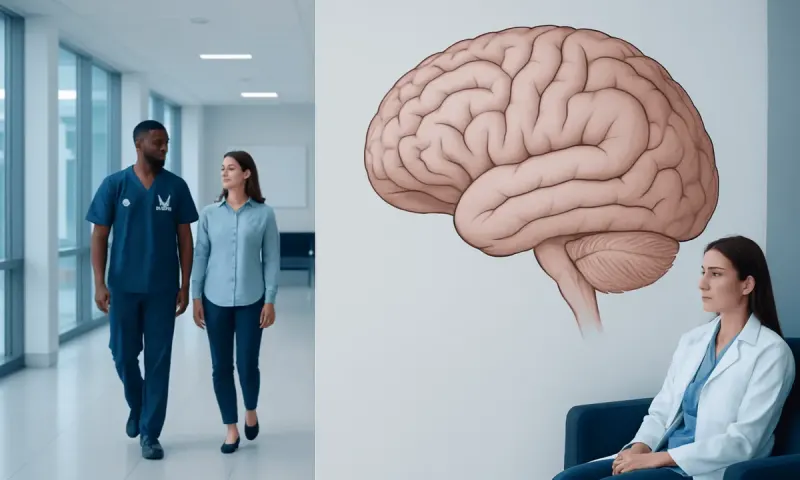
The corpus callosum is a thick band of nerve fibers that links the brain’s left and right hemispheres. It acts like a major information highway, allowing the two sides to coordinate movement, sensation, language, attention, and other complex tasks.
When the corpus callosum is formed differently than expected, or becomes injured later in life, the effect is not always dramatic. Some people have subtle learning or coordination differences, while others experience seizures, developmental concerns, or changes in thinking and behavior. The impact depends on the cause, the timing, and whether other parts of the brain are involved.
For families planning care from another country, it can help to think of corpus callosum conditions as a group rather than a single illness. A specialist team usually focuses on the overall neurological picture, the child or adult’s symptoms, and any related findings on imaging or Neuron Disease May Run in Families" class="ahp-ilk">genetic testing.
Symptoms
Symptoms related to the corpus callosum are varied because this structure supports many different brain functions. Some people have no obvious symptoms and only learn about the finding after an MRI performed for another reason. Others notice that tasks requiring both sides of the body, or both sides of the brain, feel unusually difficult.
Possible signs may include delayed development, poor coordination, muscle tone differences, learning difficulties, seizures, vision problems, or trouble with attention and social understanding. In some children, feeding problems, unusual head size, or poor school progress may be part of the picture. Adults with an acquired corpus callosum problem may notice confusion, slowed thinking, gait changes, or new neurological symptoms after stroke, inflammation, trauma, or another illness.
- Developmental delay or learning differences
- Seizures or unusual movements
- Speech or language delay
- Balance and coordination problems
- Difficulty with complex multitasking
- Changes in behavior, mood, or attention
Symptoms do not point to one diagnosis on their own. A neurologist usually looks for patterns over time, since the same imaging finding can mean very different things in different people.
Causes & Risk Factors
The corpus callosum begins forming early in fetal development, so some conditions are present at birth. These include agenesis of the corpus callosum, where the structure is partially or completely absent, and hypoplasia, where it is smaller or less developed than expected. These differences may occur alone or alongside other brain or body differences.
In other cases, the corpus callosum is normal at birth but later affected by injury or disease. Possible causes include head trauma, stroke, multiple sclerosis, infection, tumors, metabolic conditions, and certain inflammatory disorders. Rarely, severe seizures or longstanding nutritional problems can also affect brain structures indirectly.
Risk factors depend on the cause. Family history, genetic syndromes, prenatal infections, exposure to certain substances during pregnancy, and complications affecting fetal brain development may increase the chance of a congenital difference. For acquired problems, the risk is tied to the underlying neurological or systemic condition rather than the corpus callosum itself.
Diagnosis
Diagnosis usually starts with a neurological examination and a careful review of symptoms, developmental history, and family background. In children, clinicians may ask about milestones such as sitting, walking, speech, school performance, and coordination. In adults, the focus often shifts to the timing of symptoms, any recent injury or illness, and whether there are signs of broader brain involvement.
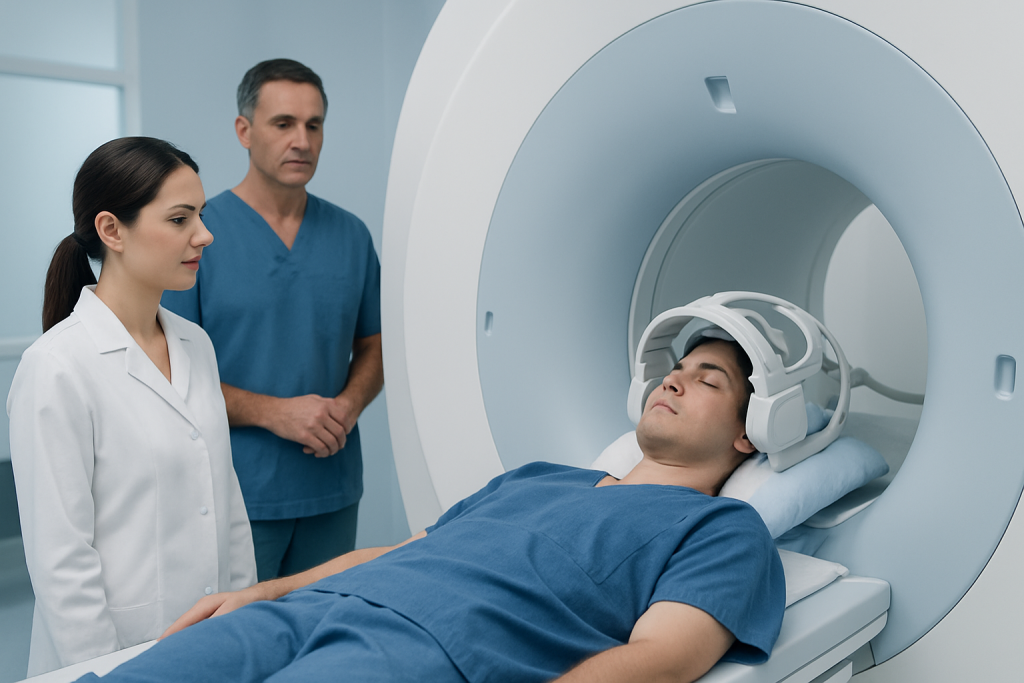
MRI is the most important imaging test for evaluating the corpus callosum. It can show whether the structure is absent, thin, malformed, swollen, scarred, or affected by another disease process. Depending on the situation, doctors may also recommend genetic testing, EEG for seizures, blood tests, or additional scans to look for related findings.
Because the corpus callosum is only one part of a larger neurological system, diagnosis is often a step-by-step process. A clear report from imaging is helpful, but the real clinical picture comes from matching the scan with the person’s development, exam findings, and daily function.
Treatment Options
Treatment depends entirely on the cause and the symptoms. There is no single therapy that “fixes” the corpus callosum itself in every case. Instead, care is tailored to the person’s needs and may include seizure management, developmental therapies, rehabilitation, educational support, or treatment of an underlying disease such as inflammation or infection.
When a corpus callosum difference is present from birth, therapy may focus on helping the child gain communication, motor, and self-care skills. Speech therapy, occupational therapy, and physical therapy are commonly part of the plan. For adults with acquired damage, rehabilitation may address balance, walking, cognition, or return to work and daily activities.
In some cases, treatment also includes the management of associated conditions such as hydrocephalus, epilepsy, hormonal concerns, or genetic syndromes. A multidisciplinary approach is especially useful when symptoms span more than one area, since coordination between neurology, neuroradiology, rehabilitation, genetics, and pediatric or adult specialists can improve the clarity of the plan.
Prevention & Self-care
Not every corpus callosum condition can be prevented, especially congenital differences that arise during early brain development. Still, general health measures before and during pregnancy may support fetal development, including regular prenatal care, recommended vaccines, and prompt treatment of maternal infections when appropriate.
For people living with a corpus callosum-related condition, self-care is usually practical and goal-oriented. Maintaining therapy exercises at home, keeping follow-up appointments, protecting the head from injury, and following seizure safety advice when relevant can all make a meaningful difference. Families traveling internationally for evaluation may find it helpful to bring prior imaging, reports, medication lists, and school or therapy records so the receiving team can understand the full history quickly.
- Keep a structured follow-up plan with neurology and rehabilitation teams
- Track changes in speech, movement, behavior, or seizures
- Use assistive supports recommended by therapists
- Discuss travel safety and medication continuity before long trips
- Seek prompt medical advice if new neurological symptoms appear
Support also matters emotionally. Learning that a corpus callosum finding is lifelong can be unsettling, but many people benefit from a clear explanation, realistic goals, and steady follow-up rather than urgent interventions that are not truly needed.
When to See a Doctor
A doctor should be consulted if a child is delayed in reaching developmental milestones, has repeated seizures, poor coordination, or unexplained learning and behavior changes. In adults, new weakness, confusion, speech difficulty, balance problems, or symptoms after a head injury or neurological illness deserve medical review.
Anyone who already knows they have a corpus callosum abnormality should return for reassessment if symptoms change, new concerns appear, or a previous explanation no longer fits the current picture. Sometimes what seemed like a stable condition turns out to need a fresh look, especially if MRI findings were old or incomplete.
Acibadem Health Point can support international patients through multidisciplinary specialists and JCI-accredited hospitals that diagnose and treat corpus callosum-related conditions with coordinated neurological care. The most useful next step is usually a consultation with a qualified neurologist or imaging specialist who can interpret the finding in the context of the whole person, not the scan alone.
Living With the Diagnosis
For many patients and families, the hardest part is not the anatomy itself but the uncertainty around what it means day to day. A corpus callosum finding can be associated with a wide range of outcomes, from mild difficulties to complex developmental needs, so the goal is to understand the individual pattern rather than rely on a single label.
Clear communication helps. When a family is traveling for care, it is often useful to ask for a written summary that explains the diagnosis, whether the finding is isolated or part of a broader syndrome, what warning signs should prompt urgent review, and what follow-up is recommended after returning home. This can make later care with local clinicians much smoother.
Many patients do best when expectations are specific and realistic. Progress may come in small steps, especially when therapy, schooling, or rehabilitation is involved. With the right evaluation and follow-up, people can often build dependable routines and improve function over time.
Frequently asked questions
01What does the corpus callosum do?
It connects the left and right halves of the brain so they can share information and work together. This coordination helps with movement, sensation, language, attention, and other complex tasks.
02Can a person live with agenesis of the corpus callosum?
Yes, many people do live with it, but the effects vary widely. Some have mild or no noticeable symptoms, while others need ongoing support for development, learning, or seizures.
03How is a corpus callosum problem found?
MRI is usually the main test because it shows the structure of the brain in detail. Doctors may also recommend a neurological exam, genetic testing, or other studies depending on the symptoms.
04Is surgery used to treat corpus callosum disorders?
Surgery is not used to reconstruct the corpus callosum itself in most cases. Treatment usually focuses on the underlying cause and on therapies or medicines that help with symptoms and daily function.
05Can corpus callosum abnormalities get worse over time?
That depends on the cause. A congenital difference is usually stable, while an acquired problem may change if the underlying illness progresses or improves with treatment.
06What should families bring when seeking care abroad?
It helps to bring MRI images and reports, prior specialist notes, medication lists, therapy records, and school or developmental information. These documents help the new team review the case efficiently and plan the next steps.
This article is for general information only and is not a substitute for professional medical advice. Please consult a qualified doctor about your individual situation.
Explore treatments in Turkey — costs, top hospitals & a free quote
JCI-accredited · board-certified surgeons · reply within 24h
Add us as a Preferred Source to see more of our trusted health content across Google Search, AI Overviews and Discover.