Convulsions vs Seizures: Understanding the Difference
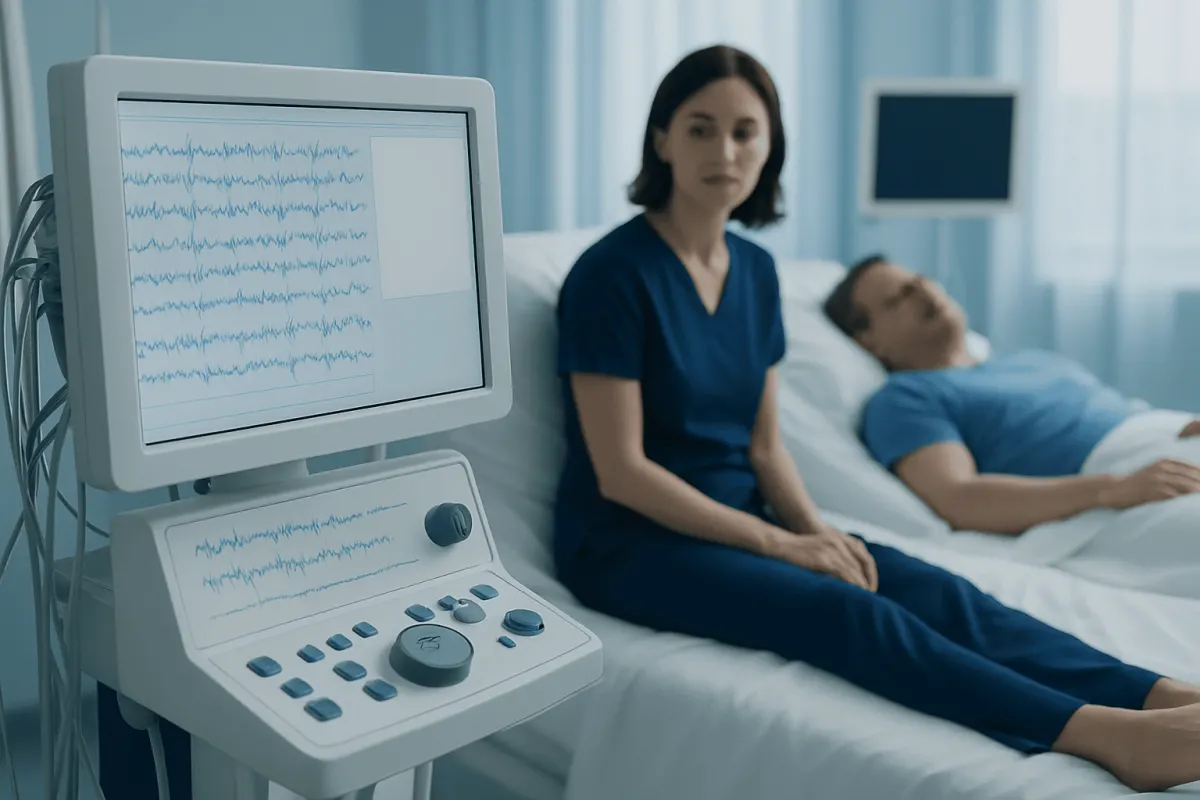
Convulsions and seizures are related but not interchangeable terms. A seizure is a temporary change in brain activity that can affect awareness, behavior, sensation, movement, or emotions; a convulsion is the visible involuntary stiffening or jerking of muscles that can occur during some seizures.
Convulsions vs Seizures: A Side-by-Side Comparison
Convulsions vs seizures can be confusing because the terms are often used as though they mean the same thing. A seizure is a sudden, temporary disturbance in brain function caused by abnormal electrical activity. A convulsion describes the physical movement pattern of involuntary muscle stiffening and rhythmic jerking that may happen during certain seizures.
In everyday language, people may call any episode of shaking a “seizure.” Clinically, however, this can be inaccurate. Some seizures are subtle and may involve staring, confusion, unusual sensations, brief loss of awareness, or automatic movements rather than dramatic shaking. Conversely, seizure-like shaking is not always caused by a seizure.
- Seizure: A neurological event that may affect movement, awareness, behavior, sensation, speech, memory, or emotions.
- Convulsion: Involuntary stiffening, jerking, or shaking of muscles; it is one possible outward sign of a seizure.
- Epilepsy: A condition involving a tendency to have recurrent unprovoked seizures. One seizure alone does not necessarily mean a person has epilepsy.
- Non-seizure causes of shaking: Fainting with brief jerks, low blood sugar, panic symptoms, medication effects, Neurology Evaluation" class="ahp-ilk">movement disorders, and some functional neurological episodes can resemble convulsions.
Understanding this distinction helps families describe an event more accurately and helps clinicians select the right evaluation. Any new or unexplained episode of collapse, loss of awareness, or uncontrolled movements should be discussed with a qualified healthcare professional.
How Seizures May Look and Feel
Seizures can present in many ways because different parts of the brain control different functions. A focal seizure begins in one area of the brain. It may cause an unusual smell or taste, tingling, a sudden wave of fear, visual changes, speech difficulty, lip-smacking, picking movements, or impaired awareness. Some people remember the episode clearly, while others have no memory of it afterward.
Generalized seizures involve networks on both sides of the brain from the beginning. A generalized tonic-clonic seizure is the type most often associated with convulsions. The body may first become rigid, followed by rhythmic arm and leg jerking. The person is usually unconscious during the event and may be tired, confused, sore, or headachy afterward.
Other generalized seizures may not be convulsive. Absence seizures can cause a short pause in awareness, often with staring or subtle eyelid fluttering. Myoclonic seizures involve brief shock-like muscle jerks, while atonic seizures cause sudden loss of muscle tone and may lead to falls. These forms can be easy to overlook or mistake for daydreaming, clumsiness, or normal movements.
Seizures may occur as part of epilepsy, but they can also be triggered by an acute medical problem. Factors such as a high fever in young children, alcohol withdrawal, a significant metabolic disturbance, infection affecting the brain, head injury, or stroke may provoke a seizure. The cause and the person’s age, health history, and symptoms guide further care.
When Convulsions Can Happen Without Epilepsy

Convulsive-looking movements do not automatically confirm epilepsy. For example, a person who faints may briefly stiffen or jerk because blood flow to the brain drops for a short period. This is sometimes called convulsive syncope. It may occur after prolonged standing, dehydration, pain, emotional stress, or a heart rhythm problem, and recovery can be relatively quick once the person is lying down.
Low blood sugar may cause sweating, shaking, confusion, behavior changes, weakness, and sometimes loss of consciousness or seizures. This is particularly important for people using insulin or other glucose-lowering medicines. Very high fever can trigger febrile seizures in some young children; although frightening to witness, many febrile seizures are brief and do not mean that a child will develop epilepsy.
Other possible explanations include medication or substance effects, withdrawal from alcohol or sedating medicines, electrolyte disturbances, sleep deprivation, and functional neurological episodes. Functional seizures are real events that can involve shaking, altered responsiveness, or collapse, but they do not arise from the electrical brain activity seen in epileptic seizures. They require careful, respectful assessment and individualized treatment.
Because the range of possible causes is broad, it is not safe to diagnose an event solely from one feature, such as shaking, tongue biting, or tiredness afterward. A detailed account from someone who saw the event is often one of the most valuable parts of the assessment.
How a Clinician Tells Them Apart
Doctors begin by asking what happened before, during, and after the event. They may ask whether the person had warning symptoms; whether they were standing, sitting, asleep, ill, dehydrated, or exposed to a trigger; how the eyes and limbs moved; how long symptoms lasted; and how quickly normal awareness returned. A secure video of an episode, if obtained without delaying safety measures, can sometimes be helpful.
The clinician will also review medical history, family history, medicines, alcohol or substance use, sleep, recent illness, head injury, and pregnancy status when relevant. A physical and neurological examination looks for signs of infection, injury, nerve problems, heart concerns, or ongoing confusion. Blood tests may check glucose, electrolytes, kidney and liver function, and other possible contributors.
Depending on the situation, testing may include an electroencephalogram (EEG), which records electrical activity in the brain. Brain imaging such as MRI or CT may be used to look for structural causes, especially after a first unprovoked seizure, new neurological symptoms, trauma, or concern for bleeding or stroke. Heart testing, including an ECG, may be considered when fainting or an abnormal rhythm is possible.
No single test answers every question. An EEG can be normal between seizures, and a person may need follow-up testing or monitoring if the diagnosis remains uncertain. The aim is to identify the cause, assess the likelihood of recurrence, and create a plan that supports safety and daily life.
What to Do During a Seizure or Convulsion
During an episode with loss of awareness or convulsive movements, the priority is preventing injury and monitoring time. Stay calm, move harmful objects away, cushion the person’s head with something soft, and loosen tight clothing around the neck. If possible, gently turn the person onto their side once it is safe to do so, which can help keep the airway clear.
Do not restrain the person’s movements. Do not put fingers, food, water, medicine, or any object in their mouth; a person cannot swallow their tongue, and placing objects in the mouth can cause injury or choking. Do not attempt to give oral medication until the person is fully awake and able to swallow safely.
After movements stop, remain with the person and speak calmly while they recover. Confusion, tiredness, headache, or muscle soreness can occur after a convulsive seizure. Note the start and end time, any warning signs, body movements, color changes, injuries, and how the person behaved afterward. This information can help the medical team.
People with a known seizure disorder may have an individualized seizure action plan, including prescribed emergency medicine for certain prolonged or cluster seizures. Family members and caregivers should follow that plan and seek emergency help as instructed. Long-term care may include epilepsy treatment tailored to seizure type, cause, medical history, and personal goals.
Treatment and Ongoing Care Depend on the Cause
Treatment is based on why the event occurred rather than on the visible shaking alone. If a seizure was triggered by low blood sugar, infection, medication withdrawal, or an electrolyte problem, addressing the underlying issue is central to care. A first seizure may not require long-term antiseizure medicine, particularly when a reversible trigger is found.
For epilepsy, treatment may include antiseizure medicines, lifestyle measures, and regular specialist review. Some people whose seizures continue despite appropriate medicines may benefit from further assessment for dietary therapy, neurostimulation, or epilepsy surgery. These options are considered carefully by a multidisciplinary team and are not appropriate for every person.
Useful self-care measures include taking prescribed medicines consistently, avoiding abrupt medication changes, getting adequate sleep, limiting alcohol if advised, and discussing safety around driving, swimming, heights, and operating machinery. Recommendations vary by country and individual circumstances, so patients should ask their clinician for specific guidance.
At Acıbadem Health Point, multidisciplinary specialists in JCI-accredited hospitals evaluate and treat seizure disorders for international patients, using individualized diagnostic and treatment planning. Ongoing support may include neurology follow-up, education for families, and coordination with other specialties when an underlying medical condition is suspected.
When to Seek Medical Care
Emergency medical help is needed for a first-ever seizure or convulsion, a seizure lasting five minutes or longer, repeated seizures without full recovery between them, breathing difficulty, a significant injury, or failure to regain consciousness as expected. Urgent assessment is also important when an episode happens in water, during pregnancy, after a head injury, or in a person with diabetes who may have low blood sugar.
Medical care should also be sought promptly if a person has fever with severe headache, a stiff neck, a new rash, weakness on one side, trouble speaking, severe confusion, or other symptoms that could indicate a serious infection or stroke. A child having a first febrile seizure should be assessed, even when recovery is quick.
For someone with a known seizure condition, follow their individualized emergency plan. If events change in pattern, become more frequent, occur after missed medicines, or cause new injuries, contact their treating clinician. Even brief unexplained episodes of staring, lost time, confusion, or unusual repetitive movements deserve medical discussion, especially if they recur.
Frequently asked questions
01Is every convulsion a seizure?
No. Convulsions can occur during certain seizures, especially generalized tonic-clonic seizures, but shaking can also occur with fainting, low blood sugar, high fever in children, and other conditions. A medical assessment is needed to determine the likely cause.
02Can a person have a seizure without shaking?
Yes. Many seizures do not cause convulsions. They may cause staring, brief confusion, altered awareness, unusual sensations, automatic movements, or short muscle jerks instead.
03Does one seizure mean a person has epilepsy?
Not necessarily. A single seizure can be provoked by a temporary medical issue such as a metabolic disturbance, infection, substance withdrawal, or head injury. Epilepsy generally refers to a continuing tendency to have recurrent unprovoked seizures, although diagnosis is individualized.
04How long should a convulsive seizure last before emergency help is called?
Call emergency services if a seizure lasts five minutes or longer, if another seizure begins before the person fully recovers, or if there are breathing problems or injuries. A first seizure also requires urgent medical evaluation.
05Should someone put an object in the mouth of a person having a seizure?
No. Nothing should be placed in the person’s mouth, including fingers, food, water, or objects. The safer approach is to protect the person from injury, time the event, and turn them onto their side when possible after the movements ease.
06What information should a witness share with the doctor?
Helpful details include what happened before the episode, how it started, how long it lasted, the type of movements seen, changes in breathing or color, any injuries, and how quickly the person returned to normal. A witness account is often important because the affected person may not remember the event.
This article is for general information only and is not a substitute for professional medical advice. Please consult a qualified doctor about your individual situation.
Explore treatments in Turkey — costs, top hospitals & a free quote
JCI-accredited · board-certified surgeons · reply within 24h
Add us as a Preferred Source to see more of our trusted health content across Google Search, AI Overviews and Discover.