Constant Urge to Urinate: Possible Causes
A constant urge to urinate is often treatable, but it is a symptom rather than a diagnosis. It may occur with a urinary infection, bladder irritation, overactive bladder, pelvic floor problems, prostate conditions or temporary changes after pelvic surgery, so the right treatment depends on identifying the cause.
Overview: Why a Constant Urge to Urinate Happens
A constant urge urinate is the repeated or ongoing sensation of needing to pass urine, sometimes with only small amounts of urine produced. It can be uncomfortable and disruptive, but it is commonly manageable once a clinician identifies what is irritating the bladder or affecting bladder control. The symptom may be short-lived, such as after surgery or during a urinary infection, or may continue because of an underlying bladder, pelvic floor, prostate or neurological condition.
Urgency is different from simply drinking more fluids and passing larger volumes of urine. A person with urgency may need to rush to the toilet, wake at night to urinate, pass urine frequently, or worry about leakage before reaching the bathroom. Pain or burning is not always present, and its absence does not rule out a condition that needs assessment.
A constant urge to pee after surgery can be particularly concerning because it may feel unexpected. Catheter use, anaesthesia, fluids given around an operation, constipation, pelvic swelling and temporary changes in nerve or muscle function can all affect bladder sensations. The recovery pattern varies with the procedure and the person’s health, so new or persistent symptoms should be discussed with the surgical or urology team.
Symptoms and Patterns That Help Identify the Cause
Urinary urgency may occur alone or alongside frequent urination, leakage, a weak stream, difficulty starting, a feeling that the bladder has not emptied, or waking repeatedly at night. Keeping note of the timing and associated symptoms can help a clinician understand the pattern. For example, burning, cloudy urine or pelvic discomfort may suggest infection, while urgency with leakage can occur with overactive bladder or pelvic floor weakness.
Some symptoms point toward causes that need more timely review. Lower abdominal pressure with inability to pass urine can indicate retention. Fever, chills, back or side pain, nausea, or feeling generally unwell may occur with a more significant urinary infection. Blood that is visible in the urine should always be assessed, particularly if it is persistent or occurs without obvious infection symptoms.
After an operation, urgency can occur once a catheter is removed because the bladder and urethra have been irritated. A constant urge to urinate after prostate surgery or a constant urge to urinate after prostatectomy may also be related to healing around the bladder outlet, temporary incontinence, infection or a narrowing of the urine channel. A constant urge to pee after hysterectomy can arise from catheter-related irritation, pelvic tissue healing, constipation or infection, although persistent symptoms warrant evaluation rather than being assumed to be normal recovery.
Causes and Risk Factors

Urinary tract infection is a common cause of sudden urgency and frequency. Other possibilities include bladder stones, irritation from caffeine or alcohol, constipation, vaginal or menopausal tissue changes, and certain medicines such as diuretics. Diabetes can cause larger urine volumes and increased thirst, while sleep disorders may contribute to frequent nighttime urination.
Overactive bladder describes a group of symptoms in which urgency is usually central, with or without urgency-related leakage. It can occur when bladder muscle activity and signals between the bladder and brain become overactive. Ageing may increase the likelihood, but overactive bladder is not an inevitable part of getting older and can affect adults of different ages.
In men, prostate enlargement can obstruct urine flow and leave urine behind in the bladder, which may cause frequency, urgency or nighttime urination. In women and people with a female pelvis, pregnancy, childbirth, pelvic organ prolapse and prior pelvic surgery may affect pelvic floor support. Neurological conditions, including stroke, spinal disorders and multiple sclerosis, can also influence bladder control. A clinician may consider related conditions such as overactive bladder when assessing persistent urgency.
- Risk factors include previous urinary infections, pelvic surgery, constipation and pelvic floor weakness.
- Smoking and some occupational exposures may be relevant when blood in urine is present.
- Recent catheterisation, radiation treatment or new medicines may help explain a change in urinary symptoms.
What Will an Urologist Do for Frequent Urination?
An urologist will begin by asking about urinary symptoms, fluid intake, medical history, medicines, prior operations and any neurological symptoms. They may ask the person to complete a bladder diary for several days, recording drinks, urination times, volumes, urgency and episodes of leakage. This often reveals useful patterns, such as symptoms linked with caffeine, large evening fluid intake or nighttime urine production.
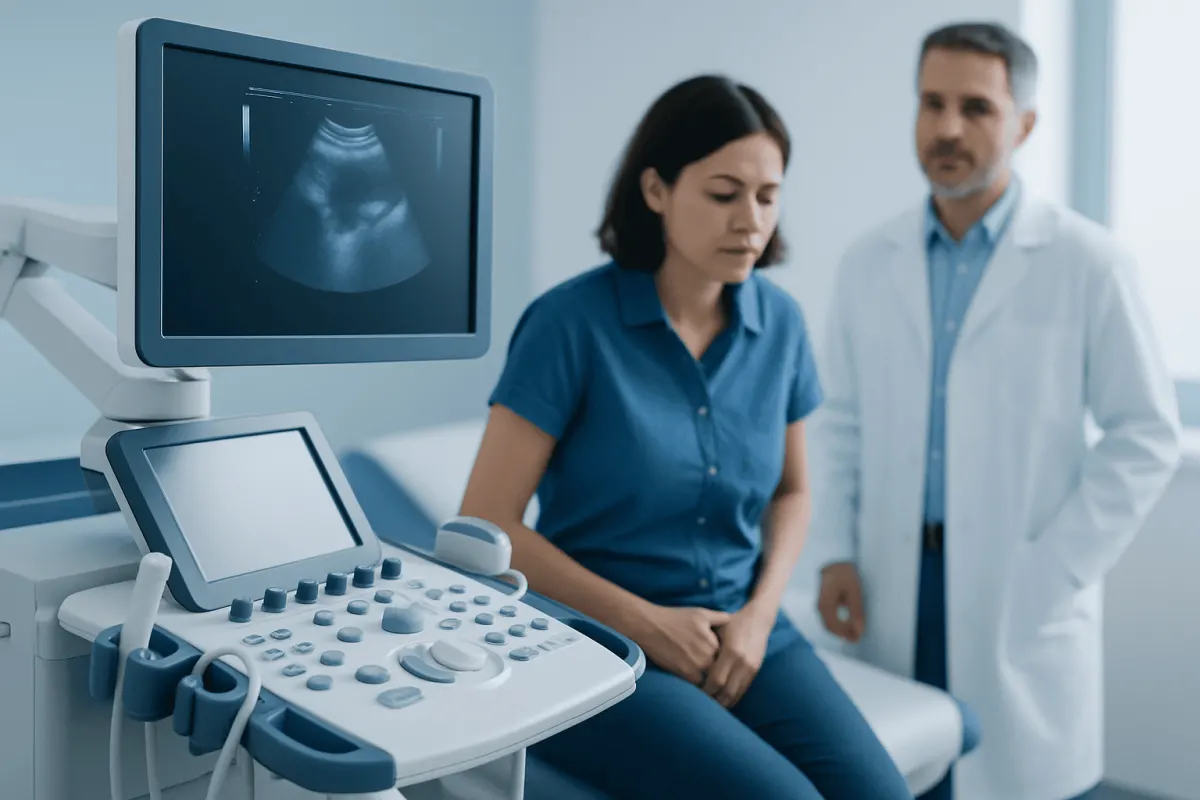
Testing commonly includes a urine sample to check for infection, blood or glucose. Depending on the situation, the clinician may assess how well the bladder empties using an ultrasound scan after urination, perform blood tests, or request imaging. A pelvic examination, prostate examination or focused neurological examination may be appropriate. Cystoscopy, which uses a thin camera to view the urethra and bladder, or urodynamic testing may be recommended when symptoms are persistent, complex or unexplained.
Management is based on the findings rather than urgency alone. If infection is confirmed, treatment targets the infection. If incomplete emptying or obstruction is suspected, treatment focuses on restoring safe urine flow. When testing supports overactive bladder or urgency incontinence, an urologist may recommend bladder training, pelvic floor rehabilitation, medicines, or selected procedures such as Botox treatment for overactive bladder for suitable patients.
How Long Does It Take for Your Bladder to Get Back to Normal After Surgery?
Bladder recovery after surgery has no single timetable. Mild urgency after a catheter or a procedure near the bladder may improve over days to a few weeks as irritation settles. After major pelvic, prostate or incontinence surgery, it can take weeks to months for bladder control, pelvic floor strength and urinary patterns to stabilize. The planned operation, extent of tissue healing, pre-existing bladder symptoms and whether there were complications all influence recovery.
After prostatectomy, some people experience urgency and leakage while the urinary sphincter and pelvic floor adapt. Pelvic floor exercises, when advised by the surgical team, can support recovery. A constant urge to urinate after prostatectomy should be reported, especially if there is pain, fever, a weak stream, inability to empty the bladder, worsening leakage or blood in the urine.
After hysterectomy, temporary changes in bladder sensation can occur, particularly soon after a catheter is removed. Constipation can place pressure on the bladder and may worsen urgency, so following postoperative advice on movement, fluids and bowel care can be helpful. It is important not to self-treat persistent symptoms with unnecessary antibiotics; testing can clarify whether infection is present.
Can an Overactive Bladder Go Back to Normal?
Overactive bladder symptoms can improve substantially, and some people become symptom-free with treatment and changes in daily habits. Whether the bladder returns fully to a previous pattern depends on the cause and on contributing factors such as pelvic floor weakness, neurological disease, menopause, constipation or obstruction. Even when symptoms are long-standing, effective management can reduce urgency, leakage and the impact on daily life.
First-line care often includes bladder training, which gradually increases the time between toilet visits, alongside appropriate fluid habits. Reducing bladder irritants such as caffeine, alcohol, carbonated drinks or artificial sweeteners may help some people, although complete avoidance is not necessary for everyone. Managing constipation, maintaining a healthy weight where relevant and stopping smoking can also support bladder health.
Pelvic floor muscle training guided by a qualified physiotherapist may improve urgency and incontinence. If lifestyle strategies are insufficient, medicines can be considered after discussing likely benefits and side effects. For symptoms that remain troublesome, specialists may discuss advanced options including nerve stimulation or bladder injections. Treatment should be individualized, especially for older adults and people taking several medicines.
Is Incontinence Surgery Worth It?
Incontinence surgery can be worthwhile for selected people when a specific type of incontinence has been clearly diagnosed and non-surgical treatment has not provided adequate relief. It is not a standard treatment for every form of frequent urination or urgency. Surgery is most often considered for stress urinary incontinence, where leakage occurs with coughing, laughing, lifting or exercise, rather than for urgency alone.
The decision should balance expected symptom improvement with Neck Surgery Recovery Time?" class="ahp-ilk">recovery time and possible risks, such as pain, infection, difficulty emptying the bladder, urinary urgency or the need for further treatment. Before surgery, clinicians generally confirm the type of leakage, review pelvic floor therapy and assess whether other factors, including prolapse or obstruction, need treatment. The person’s priorities, general health and plans for future pregnancy may also be relevant.
For urgency-predominant symptoms, non-surgical measures and bladder-directed therapies are usually explored first. A specialist can explain whether a procedure is appropriate and what recovery may involve. Acıbadem Health Point’s multidisciplinary specialists and JCI-accredited hospitals assess and treat urinary conditions for international patients, with care plans based on individual clinical findings.
When to Seek Medical Care
A person should arrange medical review if a constant urge to urinate lasts more than a few days, returns repeatedly, affects sleep or everyday activities, or is accompanied by leakage, pelvic pain, a weak stream or a sense of incomplete emptying. People who are pregnant, have diabetes, have a weakened immune system, or have had recent urinary tract or pelvic surgery should contact a clinician sooner if symptoms develop.
Urgent medical care is needed for inability to pass urine, severe lower abdominal pain or swelling, fever with urinary symptoms, back or side pain with fever, vomiting, confusion, or visible blood in the urine. These features can indicate a condition that requires prompt assessment and should not be managed only with home measures.
While waiting for assessment, it can help to drink regular amounts of water rather than restricting fluids excessively. Avoiding known bladder irritants for a short period and noting symptoms in a diary may be useful. However, a person should not delay care if symptoms are severe, rapidly worsening or occurring after an operation.
Frequently asked questions
01Why do I feel like I need to pee all the time but little comes out?
This can happen when the bladder or urethra is irritated, such as with a urinary tract infection, overactive bladder, bladder stones or inflammation. It can also occur if the bladder is not emptying properly. A urine test and clinical assessment can help identify the cause, particularly if the symptom persists or is painful.
02Is a constant urge to urinate after surgery normal?
A temporary increase in urgency can occur after surgery, especially after catheter use or operations involving the pelvis, prostate or bladder. It should gradually improve as healing progresses, but the expected timing varies by procedure. Contact the surgical team if symptoms are severe, worsening, accompanied by fever or pain, or if there is difficulty passing urine.
03How long does it take for your bladder to get back to normal after surgery?
Minor bladder irritation may settle within days to a few weeks, while recovery after major pelvic or prostate procedures can take weeks to months. Bladder control and urgency may improve gradually rather than all at once. The operating team can provide the most accurate guidance based on the procedure and recovery course.
04What will an urologist do for frequent urination?
An urologist will review symptoms, medical history, fluid habits and medicines, and may use a bladder diary and urine testing. They may also check bladder emptying, order imaging, or recommend cystoscopy or urodynamic testing when needed. Treatment is then directed at the cause and may include lifestyle measures, pelvic floor therapy, medicines or procedures.
05Can an overactive bladder go back to normal?
Overactive bladder can improve greatly, and some people have little or no ongoing urgency after treatment. Bladder training, pelvic floor therapy, management of constipation and medicines can all be useful. The outcome depends on the underlying cause and whether there are contributing health conditions.
06Is incontinence surgery worth it?
It may be a reasonable option when stress urinary incontinence is confirmed and conservative treatments have not controlled symptoms adequately. It is less likely to be the first choice for urgency alone or for an unexplained constant need to urinate. A specialist should explain the expected benefits, risks and alternatives for the individual situation.
This article is for general information only and is not a substitute for professional medical advice. Please consult a qualified doctor about your individual situation.
Persistent digestive symptoms? Get evaluated in Turkey
JCI-accredited · board-certified surgeons · reply within 24h
Add us as a Preferred Source to see more of our trusted health content across Google Search, AI Overviews and Discover.