Colorectal Doctor vs Gastroenterologist: Who Treats What?
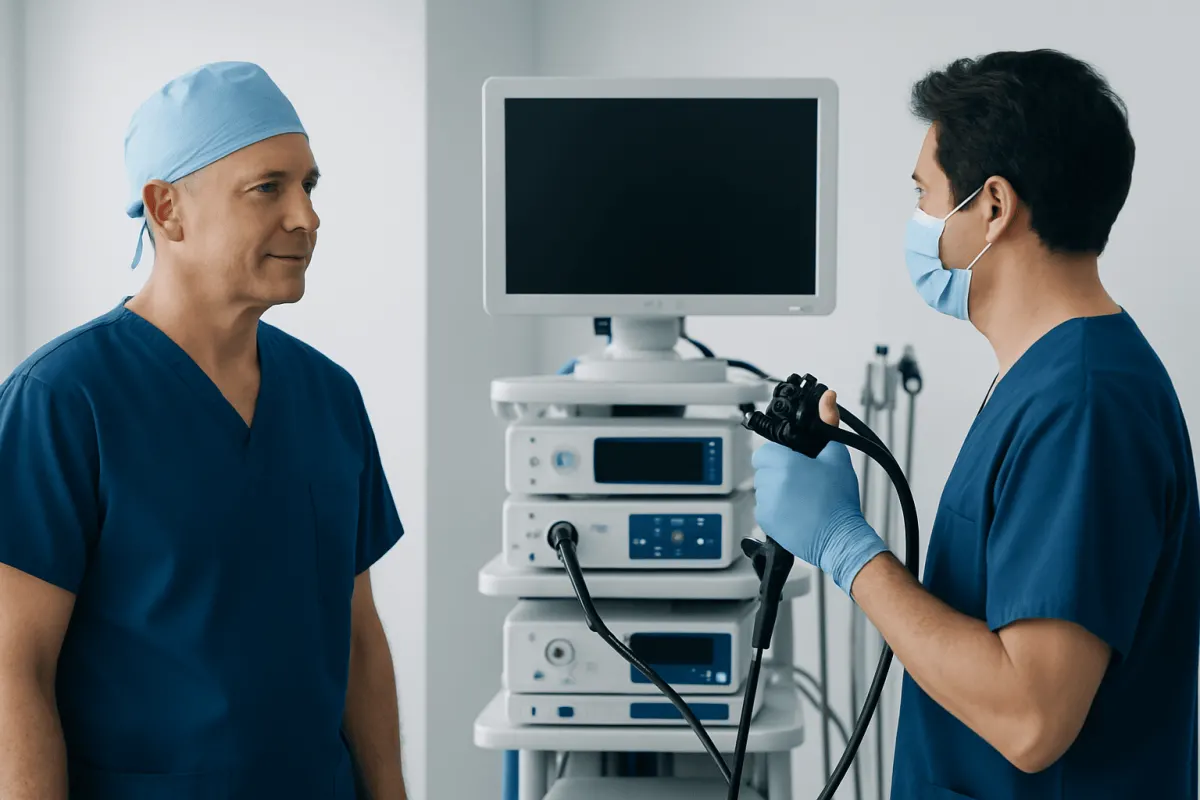
In the colorectal doctor vs gastroenterologist decision, a gastroenterologist usually evaluates digestive symptoms and performs tests such as colonoscopy, while a colorectal surgeon specializes in surgical and advanced procedural care of the colon, rectum and anus. The right clinician depends on the symptoms, test findings and whether an operation or specialized anorectal treatment may be needed.
Colorectal Doctor vs Gastroenterologist: A Side-by-Side Comparison
A gastroenterologist is a physician who diagnoses and treats disorders of the digestive system, including the esophagus, stomach, intestines, liver, pancreas and bile ducts. They commonly investigate symptoms such as abdominal pain, reflux, diarrhea, constipation, bleeding and changes in bowel habits. Gastroenterologists also perform endoscopic procedures, including colonoscopy, to screen for and investigate conditions affecting the colon.
A colorectal doctor usually means a colorectal surgeon, also called a colon and rectal surgeon. This specialist has advanced training in diseases of the colon, rectum and anus and in surgical treatment when it is necessary. Colorectal surgeons also provide non-surgical care for many anorectal problems and may perform colonoscopy, but their particular role is managing conditions that may need an operation or specialized procedural care.
| Feature | Gastroenterologist | Colorectal surgeon |
|---|---|---|
| Main focus | Digestive-system diagnosis and medical treatment | Colon, rectal and anal disease, including surgery |
| Common concerns | Digestive symptoms, Ulcerative Colitis, and Flares" class="ahp-ilk">inflammatory bowel disease, liver disease, screening | Polyps needing removal, colorectal cancer, fissures, fistulas, abscesses and complex hemorrhoids |
| Colonoscopy | Commonly performed | May be performed, depending on practice and local care pathways |
| Surgery | Does not perform major abdominal or colorectal surgery | Performs colorectal and anorectal operations when indicated |
| Working together | May refer after a significant finding on tests | May coordinate with gastroenterology, oncology, radiology and other teams |
The two specialties often work together rather than compete. A gastroenterologist may identify a concerning polyp, inflammatory bowel disease or possible cancer during colonoscopy, and a colorectal surgeon may then assess whether surgery or another procedure is appropriate.
How a Clinician Tells the Two Roles Apart
The first question is usually not which specialist is “better,” but what type of care is needed at that point. A clinician considers the person’s symptoms, medical history, family history, physical examination and any prior laboratory, imaging or endoscopy results. For many unexplained digestive symptoms, gastroenterology is an appropriate starting point because the cause may involve any part of the digestive tract.
Referral to colorectal surgery becomes more likely when a problem is clearly centered in the colon, rectum or anus and may need a procedure beyond routine medical management. Examples include a suspicious colorectal mass, a polyp that cannot be safely removed during standard colonoscopy, recurrent or complex anal fistula, a perianal abscess, rectal prolapse, severe fissure symptoms, or hemorrhoids that have not improved with conservative care.
The distinction is also shaped by urgency. Severe pain with fever and swelling around the anus may suggest an abscess that needs prompt examination and drainage. In contrast, long-standing bloating or intermittent bowel changes without urgent warning signs may initially be assessed by a primary care clinician or gastroenterologist. Testing can clarify the pathway and allow referrals to be targeted.
A multidisciplinary approach is especially important when cancer is suspected or confirmed. Gastroenterology, colorectal surgery, pathology, radiology, medical oncology and radiation oncology may all contribute to an individualized plan for colorectal cancer.
Should I See a Gastroenterologist or Colorectal Surgeon?

A gastroenterologist is often the most suitable first specialist for persistent digestive symptoms, such as ongoing diarrhea or constipation, unexplained abdominal discomfort, suspected inflammatory bowel disease, positive stool screening results, or a need for diagnostic colonoscopy. They can evaluate a broad range of possible digestive causes and recommend medical treatment, surveillance or further tests.
A colorectal surgeon may be the better first choice when symptoms are mainly anal or rectal, or when surgery is already a realistic possibility. This can include a painful anal lump, drainage near the anus, recurrent abscess, a fistula, rectal prolapse, troublesome hemorrhoids, a known large polyp, or a diagnosis of colon or rectal cancer. A colorectal surgeon can discuss both non-operative measures and surgical options.
Some situations reasonably involve both specialists. For example, people with inflammatory bowel disease may have medical management led by gastroenterology but see a colorectal surgeon if strictures, fistulas, severe disease complications or surgery become relevant. A primary care clinician can help coordinate an appropriate referral when the best route is uncertain.
Symptoms alone do not always identify the cause. Rectal bleeding is sometimes due to hemorrhoids, but it can also have other explanations. It should not be self-diagnosed, particularly if it persists, is accompanied by changes in bowel habits, fatigue, weight loss or a family history of colorectal cancer.
Is Colorectal Screening as Good as a Colonoscopy?
Colorectal screening is a broad term, not one single test. It includes stool-based tests, such as fecal immunochemical testing (FIT), stool DNA testing in some settings, colonoscopy and certain imaging-based examinations. These options differ in what they detect, how often they are repeated and what follow-up is needed.
Colonoscopy is a direct examination of the inside of the rectum and colon using a flexible camera. It can identify abnormalities and allows a clinician to remove many polyps or take tissue samples during the same procedure. This makes it both a screening and preventive tool, because removing certain polyps can reduce the chance that they develop into cancer.
Stool tests are non-invasive and can be effective screening choices for people at average risk who are eligible for them. However, a positive stool test usually needs follow-up with colonoscopy. Stool tests do not replace colonoscopy for everyone, particularly people with concerning symptoms, a previous advanced polyp, certain inherited syndromes, inflammatory bowel disease affecting the colon, or a strong family history.
The best screening test is one matched to a person’s risk level, health status, preferences and local guideline recommendations—and one that is completed on schedule. A qualified clinician can explain which approach is suitable and when a colonoscopy is recommended rather than another screening method.
Is It Better to Have a Gastroenterologist or a General Surgeon Do Your Colonoscopy?
Both gastroenterologists and appropriately trained surgeons may perform colonoscopy. In some healthcare systems, colorectal surgeons and general surgeons also provide endoscopy services. The most important considerations are the clinician’s training, experience, quality monitoring, ability to remove commonly encountered polyps and a clear plan for referral if a complex finding is discovered.
For routine screening or evaluation of general digestive symptoms, many people see a gastroenterologist because endoscopy is central to their practice. A surgeon may be a particularly practical choice when the person already has a known colorectal or anorectal condition that could require surgical assessment, or when a coordinated surgical consultation is likely to be needed after the examination.
A person can ask practical questions before scheduling: whether the clinician routinely performs colonoscopy, how findings are communicated, whether polyps can be removed during the examination, and how complex polyps or suspected cancer are managed. The facility’s safety standards, anesthesia arrangements and pathology support also matter.
No single specialty title guarantees the best experience or result for every person. Choosing an appropriately credentialed clinician who practices within a quality-assured endoscopy service is more meaningful than choosing by title alone.
How Do I Choose a Colorectal Surgeon?
When choosing a colorectal surgeon, patients can look for formal specialist training in colon and rectal surgery, appropriate board certification or national specialist registration, and experience with the specific condition being evaluated. A surgeon who regularly treats the relevant problem—such as rectal cancer, fistula, prolapse or complex polyp disease—can explain the available options in practical terms.
It is reasonable to ask whether treatment will be discussed by a multidisciplinary team, especially for cancer or complex inflammatory bowel disease. Patients may also ask about the likely goals of treatment, alternatives to surgery, expected recovery, potential complications and how follow-up care will be arranged. Clear explanations and shared decision-making are important parts of good surgical care.
For colorectal cancer, care may include surgery as well as chemotherapy, radiation therapy or both, depending on the location and stage of disease. Modern techniques may be considered when appropriate, but the recommended approach should be based on the individual diagnosis rather than on a procedure alone. Information about colorectal cancer surgery can help patients prepare for a specialist discussion.
Acıbadem Health Point’s multidisciplinary specialists and JCI-accredited hospitals evaluate and treat colorectal conditions for international patients, with care plans coordinated around clinical findings and individual needs.
When to Seek Medical Care
Medical advice should be sought for rectal bleeding that is new, persistent or recurrent; a lasting change in bowel habits; unexplained anemia; unintentional weight loss; persistent abdominal or rectal pain; or a sensation that the bowel does not empty fully. These symptoms often have treatable causes, but assessment helps identify the cause safely and avoids delays when further investigation is needed.
Urgent medical assessment is appropriate for heavy bleeding, black or tar-like stools, severe or worsening abdominal pain, fainting, fever with significant anal pain or swelling, repeated vomiting, or an inability to pass stool or gas with abdominal swelling. These symptoms can have several causes and should be evaluated promptly.
People with a parent, sibling or child with colorectal cancer or advanced polyps, as well as those with inherited cancer syndromes or inflammatory bowel disease, may need screening earlier or more often than average-risk adults. A clinician can review the family and personal history to recommend an appropriate surveillance plan.
Maintaining regular activity, eating a balanced diet with adequate fiber where medically appropriate, limiting alcohol, avoiding tobacco and attending recommended screening appointments can support bowel health. These measures do not replace medical evaluation when warning symptoms are present.
Frequently asked questions
01What is the main difference between a gastroenterologist and a colorectal surgeon?
A gastroenterologist diagnoses and medically manages diseases throughout the digestive system and commonly performs endoscopy. A colorectal surgeon specializes in disorders of the colon, rectum and anus, including operations and advanced procedures when required. They often collaborate in the care of the same patient.
02Can a gastroenterologist refer me to a colorectal surgeon?
Yes. A gastroenterologist may refer a patient when colonoscopy, imaging or examination identifies a condition that may need surgical expertise. Common reasons include a complex polyp, colorectal cancer, fistula, abscess, prolapse or persistent anorectal symptoms.
03Should hemorrhoids be treated by a gastroenterologist or colorectal surgeon?
Either clinician may help assess rectal bleeding and hemorrhoid symptoms. A colorectal surgeon is often especially helpful for persistent, recurrent, severe or complicated hemorrhoids, particularly when office-based treatment or surgery is being considered. Bleeding should be assessed rather than assumed to be caused by hemorrhoids.
04Do I need a colorectal surgeon if a colonoscopy finds a polyp?
Not always. Many polyps can be removed during colonoscopy and followed with surveillance by the endoscopy team. Referral may be recommended if a polyp is very large, difficult to remove safely, has concerning features or shows cancerous changes.
05Can a colorectal surgeon treat conditions without surgery?
Yes. Colorectal surgeons commonly recommend non-surgical options first when appropriate, such as dietary adjustments, bowel-habit changes, medicines or office procedures. Surgery is considered when it offers a clear benefit or when less invasive measures have not worked.
06When should someone have colorectal cancer screening?
Screening timing depends on age, personal history, family history, symptoms and local clinical guidelines. Average-risk adults are often offered screening beginning in mid-adulthood, while people at increased risk may need earlier or more frequent testing. A clinician can recommend the right test and schedule for the individual.
This article is for general information only and is not a substitute for professional medical advice. Please consult a qualified doctor about your individual situation.
Persistent digestive symptoms? Get evaluated in Turkey
JCI-accredited · board-certified surgeons · reply within 24h
Add us as a Preferred Source to see more of our trusted health content across Google Search, AI Overviews and Discover.