How the Colon Is Structured and What Each Part Does
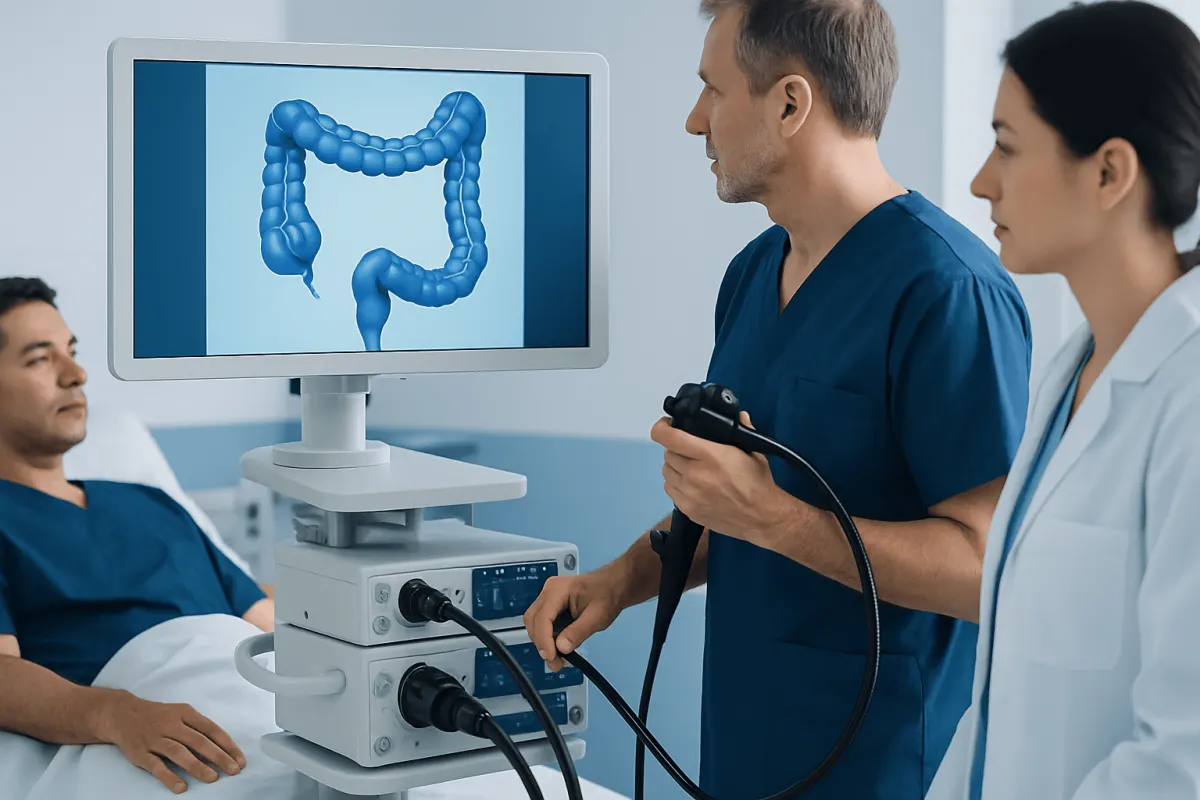
Ever wondered what actually happens to your food after the small intestine is done with it? That last stretch of the journey belongs to the colon — and it explains a lot about your bowel habits.
Colon anatomy refers to the structure of the large intestine, including the cecum, colon segments, rectum, lining, blood supply, and nerves that help absorb water and move waste. Once you know how the colon is built, normal digestion makes more sense, and so does the reason certain symptoms deserve a doctor’s attention.
Overview: what colon anatomy means
Colon anatomy describes the form and organization of the large intestine. Put simply, the colon is the longest part of the large intestine, and it has three main jobs: absorbing water and salts from digested material, letting gut bacteria work on what is left, and moving stool toward the rectum. It is not the whole digestive tract — but it is the key final stage of digestion.
The large intestine begins where the small intestine ends, in the right lower abdomen, and continues around the abdomen in a broad frame-like pattern. The word colon is often used casually to mean the whole large intestine, but anatomically the large intestine includes the cecum, appendix, colon, rectum, and anal canal. Knowing this distinction can make medical reports and test results easier to understand.
Structure and function go hand in hand here. The shape of the colon, the layers of its wall, its blood vessels, and the nerves that control movement all shape your bowel habits and your symptoms. That is why we keep anatomy in mind when we look into constipation, diarrhea, bleeding, inflammation, polyps, or abdominal pain.
The parts of the colon and where they are located
The colon is usually divided into several connected sections. After digested material passes from the small intestine through the ileocecal valve, it enters the cecum, a pouch-like first part of the large intestine. From there, contents move into the ascending colon on the right side of the abdomen, then across the body through the transverse colon, down the left side through the descending colon, and into the S-shaped sigmoid colon, which leads to the rectum.
Each segment has the same broad role, but location can affect symptoms and disease patterns. For example, pain from the right side of the colon may feel different from pain low in the pelvis near the sigmoid colon or rectum. The appendix is attached to the cecum, which is why appendix-related pain begins near this region.
A few distinctive surface features help identify the colon. These include the taeniae coli, which are three longitudinal bands of muscle; haustra, the pouch-like bulges seen along the colon; and small fatty tags called epiploic appendages. These are normal anatomic features and should not be confused with disease.
- Cecum: receives contents from the small intestine
- Ascending colon: travels upward on the right side
- Transverse colon: crosses the upper abdomen
- Descending colon: runs down the left side
- Sigmoid colon: curves into the pelvis before the rectum
- Rectum and anal canal: store and release stool
How the colon works in digestion and overall health
The colon does much more than simply store waste. One of its main functions is to absorb water from partially digested material arriving from the small intestine. As water is removed, the contents become more solid and gradually form stool. The colon also absorbs certain electrolytes and helps maintain fluid balance.
Another important role involves the gut microbiome. Trillions of bacteria live in the large intestine and help break down substances the body could not fully digest earlier. In the process, they produce compounds such as short-chain fatty acids that can support the cells lining the colon. Because anatomy and microbiology are so closely tied together, colon health shows up in how comfortable you feel, how regular you are, and sometimes in your health more broadly.
The colon also moves material forward through coordinated muscle contractions. Slow waves of movement mix and propel contents, while stronger mass movements push stool toward the rectum. When stool enters the rectum, stretch receptors help trigger the urge to have a bowel movement. This process depends on healthy anatomy, functioning muscles, and intact nerve control.
Layers of the colon wall, blood supply, and nerves
The wall of the colon has several layers, each with a specific role. The innermost layer is the mucosa, which contains glands that produce mucus and help with absorption. Beneath it lies the submucosa, which contains blood vessels, lymphatic channels, and connective tissue. Outside that is the muscular layer, which creates the contractions that move stool. The outer covering varies by location and may be serosa or adventitia.
The lining of the colon differs from that of the small intestine. It does not have villi, which are finger-like projections seen in the small bowel. Instead, the colon has straight glands called crypts and many mucus-producing goblet cells. This design helps stool move more easily and protects the lining from friction and irritation.
Blood reaches the colon mainly through branches of the superior and inferior mesenteric arteries, while venous blood drains through corresponding veins into the portal circulation. Nerve control comes from the enteric nervous system within the bowel wall, together with signals from the autonomic nervous system. This network helps explain why stress, inflammation, medications, or structural disease can affect bowel function and sensation.
Normal variations and common conditions that involve the colon
No two digestive tracts are exactly alike. Among perfectly healthy people, colon length, loop shape, and mobility all vary. Some individuals have a more tortuous or longer-than-average colon, which may make colonoscopy technically more difficult or may contribute to slower transit in some cases. These variations are often harmless, but they can matter when symptoms are being investigated.
Several common conditions affect the colon’s structure or function. These include polyps, diverticular disease, inflammatory conditions, infection, reduced motility, and cancer. Depending on the issue, the symptoms may include bleeding, abdominal pain, bloating, constipation, diarrhea, or a change in stool pattern. Related conditions that people may want to read about include colon cancer and ulcerative colitis.
Doctors also consider nearby structures because symptoms are not always caused by the colon itself. The small intestine, stomach, pancreas, gallbladder, pelvic organs, and abdominal wall can produce discomfort that seems to come from the colon. This is why a careful history, exam, and appropriate testing are often needed rather than relying on symptoms alone.
How doctors examine colon anatomy
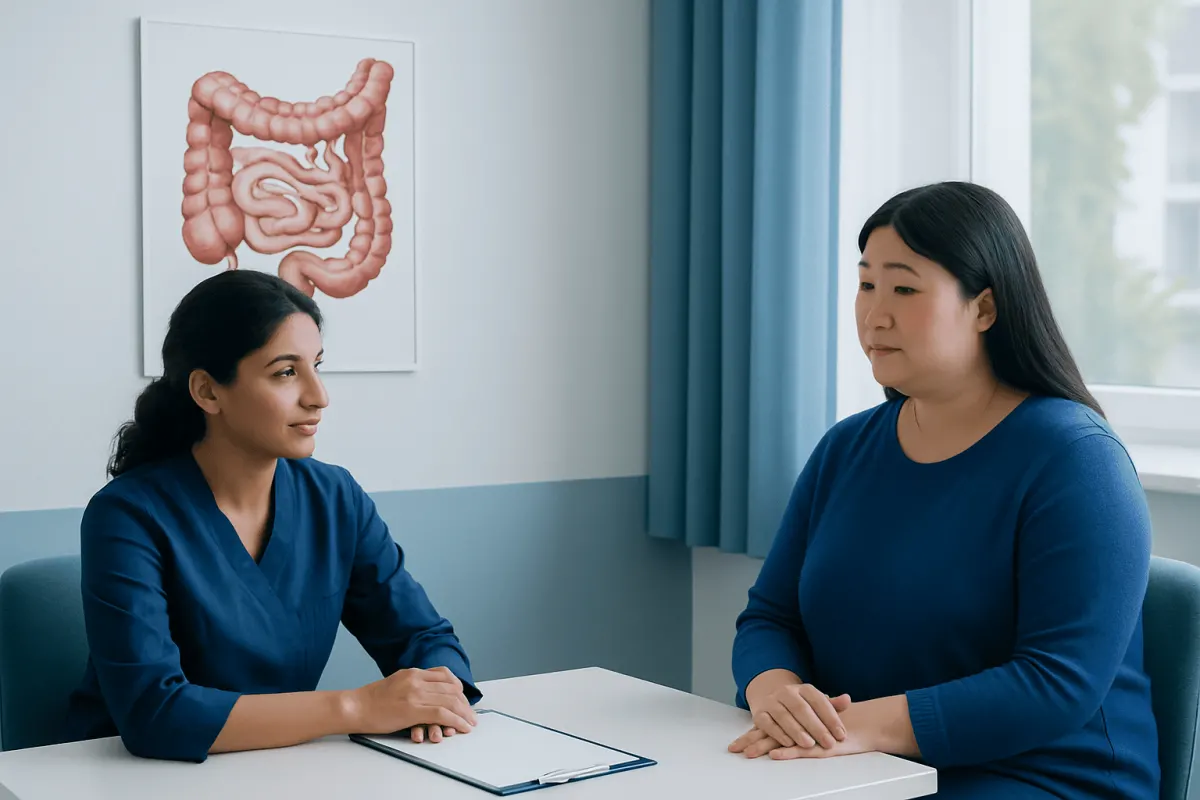
Assessment of colon anatomy usually starts with a medical history and physical examination. A doctor may ask about stool frequency, consistency, bleeding, pain location, weight changes, medications, family history, and diet. These details help identify whether symptoms suggest a functional problem, inflammation, bleeding source, or structural change.
Several tests can help visualize or evaluate the colon. Colonoscopy allows direct examination of the lining and can detect inflammation, polyps, bleeding sources, and tumors while also allowing biopsy or removal of some growths. Imaging studies such as CT scans can show the position of the colon and identify complications such as obstruction, inflammation, or diverticulitis. In selected cases, doctors may use stool tests, blood tests, or specialized motility studies.
When treatment or closer evaluation is needed, the care plan depends on the concern found. A person may be referred for colonoscopy to inspect the colon lining, or for gastroenterology care to evaluate bowel symptoms in a broader way. If a structural disease is confirmed, management is tailored to the diagnosis, severity, and overall health of the patient.
Protecting colon health through daily habits
While anatomy itself is largely determined by biology, daily habits can support healthy colon function. A balanced diet that includes fiber from fruits, vegetables, legumes, and whole grains can help stool move more regularly. Adequate hydration also supports normal stool consistency, while regular physical activity can help maintain healthy bowel motility.
Limiting tobacco exposure, moderating alcohol intake, and maintaining a healthy body weight may also support digestive and overall health. For many people, bowel symptoms improve when they pay attention to routine, diet triggers, and medication effects. Still, if symptoms stick around or worry you, self-care is not a substitute for getting checked.
Screening is another important part of prevention. Colon cancer screening is recommended at certain ages or earlier for some people with family history or other risk factors. For patients who need advanced treatment planning, care may sometimes involve teams experienced in colorectal surgery or related therapies, depending on the findings.
When to seek medical care
Medical care is appropriate if bowel habits change and do not return to normal, especially when the change lasts more than a few weeks. This includes persistent constipation, ongoing diarrhea, increasing bloating, new abdominal pain, or a feeling that the bowel does not empty completely. Symptoms may have benign causes, but they deserve proper assessment when they are sustained or disruptive.
Prompt evaluation is especially important for rectal bleeding, black stools, unexplained weight loss, fever with abdominal pain, vomiting, severe constipation, signs of dehydration, or symptoms of possible bowel obstruction such as worsening pain and inability to pass stool or gas. A family history of colon cancer, inflammatory bowel disease, or inherited polyposis syndromes should also be shared with a doctor because it can change screening and testing recommendations.
Some people do better when several specialties look at the picture together. Acıbadem Health Point’s specialists and JCI-accredited hospitals diagnose and treat digestive conditions for international patients, including problems affecting the colon. Whatever your situation, the best next step is a one-to-one conversation with a qualified clinician who can read your symptoms alongside your age, medical history, and risk profile.
Frequently asked questions
01Is the colon the same as the large intestine?
Not exactly. The colon is the largest portion of the large intestine, but the large intestine also includes the cecum, rectum, and anal canal. In everyday language, people often use the terms interchangeably, but anatomy is more specific.
02What is the main function of the colon?
The colon mainly absorbs water and electrolytes from digested material and helps form and store stool. It also works closely with the gut microbiome and moves waste toward the rectum through muscular contractions.
03How long is the colon?
In adults, the colon is commonly about 5 feet long, though there is normal variation from person to person. Its exact shape and looping can differ without necessarily causing disease.
04Can colon anatomy affect bowel habits?
Yes. The structure of the colon, the strength and coordination of its muscles, and the function of its nerves all influence stool movement. Normal variations may have little effect, but some structural or functional problems can contribute to constipation, pain, or irregular bowel patterns.
05Why do doctors recommend colonoscopy?
Colonoscopy lets doctors examine the inside lining of the colon and rectum directly. It is used for screening, investigating symptoms such as bleeding or bowel changes, and removing or sampling abnormal tissue when needed.
06What symptoms could suggest a colon problem?
Possible warning signs include persistent abdominal pain, rectal bleeding, black stools, unexplained weight loss, ongoing constipation or diarrhea, and a lasting change in bowel habits. These symptoms do not always mean serious disease, but they should be evaluated by a healthcare professional.
This article is for general information only and is not a substitute for professional medical advice. Please consult a qualified doctor about your individual situation.
Persistent digestive symptoms? Get evaluated in Turkey
JCI-accredited · board-certified surgeons · reply within 24h
Add us as a Preferred Source to see more of our trusted health content across Google Search, AI Overviews and Discover.