Chronic Leukemia: Types, Symptoms and Treatment Outlook
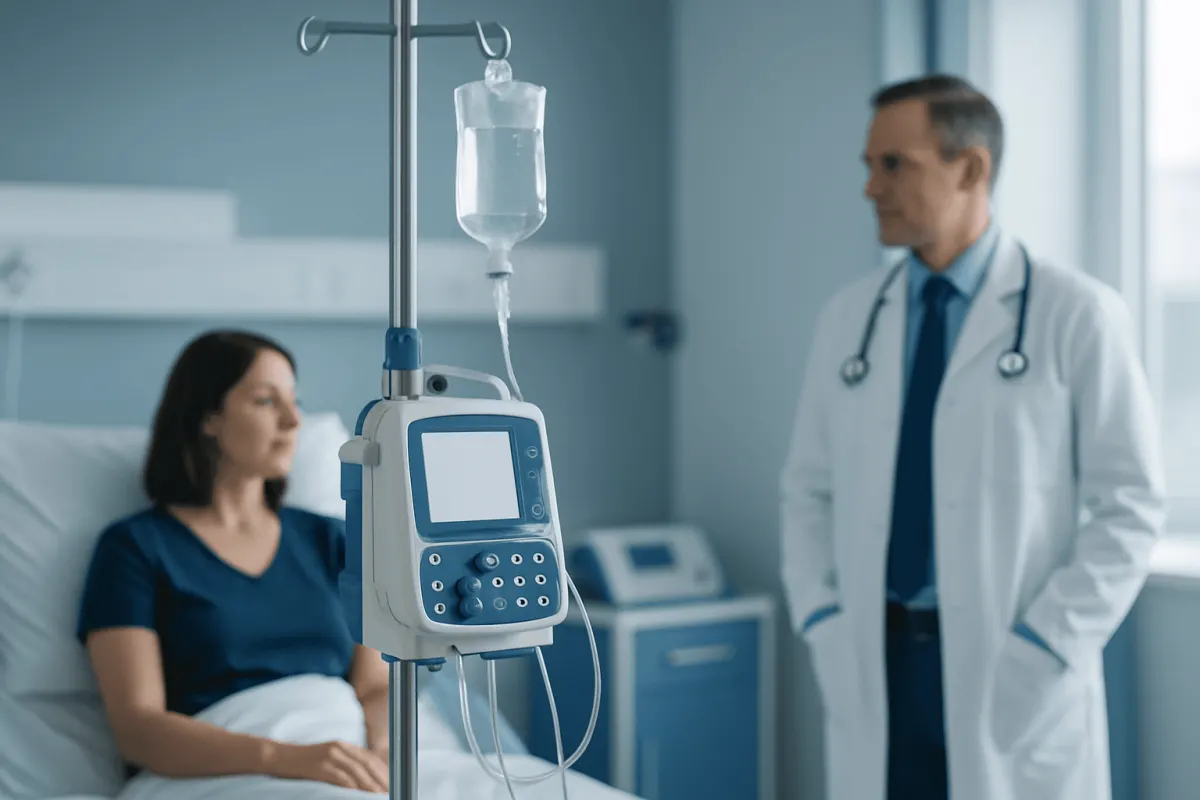
Chronic leukemia is a group of blood cancers in which abnormal white blood cells build up gradually in the blood, bone marrow, and sometimes lymph nodes or organs. Many people feel well at diagnosis, and treatment can range from careful monitoring to targeted medicines, depending on the specific type and its behavior.
What is chronic leukaemia?
Chronic leukaemia, also spelled chronic leukemia, is a group of blood and bone marrow cancers that usually develop more slowly than acute leukemia. It happens when the bone marrow produces abnormal white blood cells that do not work properly and can gradually crowd out healthy blood-forming cells. These cells may also collect in the blood, lymph nodes, spleen, or liver.
The two main types are Lymphocytic Leukemia: Symptoms and Treatment" class="ahp-ilk">chronic lymphocytic leukemia (CLL) and chronic myeloid leukemia (CML). CLL involves lymphocytes, a type of white blood cell involved in immune defense. CML begins in myeloid cells, which normally develop into several types of blood cells. Although both are called chronic leukemia, they have distinct causes, test results, expected course, and treatment approaches.
Chronic does not mean unimportant. It means the disease often progresses more gradually, and some people can be monitored safely before treatment is needed. A hematologist or oncologist uses blood tests, genetic findings, symptoms, and overall health to develop an individualized plan.
Symptoms and signs of chronic leukemia
Chronic leukemia may not cause symptoms in its early stages. It is often discovered after a complete blood count performed for another reason shows an abnormal number of white blood cells. When symptoms develop, they may be mild and non-specific, so medical assessment is important rather than self-diagnosis.
Possible symptoms include ongoing tiredness, reduced exercise tolerance, frequent or persistent infections, fever without a clear cause, drenching night sweats, and unintended weight loss. Some people notice swollen lymph nodes in the neck, armpit, or groin. An enlarged spleen can cause a feeling of fullness or discomfort below the left ribs, particularly after eating a small amount.
- Easy bruising, nosebleeds, or bleeding gums
- Pale skin, breathlessness, or dizziness related to anemia
- Bone discomfort or a sense of pressure in the abdomen
- Repeated infections or slower recovery from infection
These symptoms can have many causes other than leukemia. However, they should be discussed with a qualified clinician, especially if they persist, worsen, or occur together.
Causes, risk factors, and the main chronic leukemia types

The exact cause of most chronic leukemia cases is not known. It is not contagious, and it is not caused by everyday contact, stress, or a single food choice. The disease begins when acquired changes occur in the DNA of blood-forming cells. These changes allow abnormal cells to survive or multiply when they normally would not.
CLL is more common in older adults and may be associated with a family history of CLL or related blood cancers. Most people with CLL do not have an identifiable inherited cause. CML is characterized by a specific acquired genetic change known as the Philadelphia chromosome, which creates the BCR::ABL1 gene fusion. This change develops during a person’s lifetime and is not usually passed from parent to child.
Age is an important risk factor for both conditions. Previous high-dose radiation exposure and certain occupational or environmental exposures may contribute in some circumstances, but most patients cannot identify a clear cause. A clinician can explain what is known about individual risk without assigning blame.
How chronic leukemia is diagnosed and assessed
Diagnosis generally starts with a medical history, physical examination, and complete blood count. The blood count may show a high white blood cell level, anemia, or a low platelet count. A blood smear lets laboratory specialists examine the appearance of cells under a microscope and can provide important clues about the type of leukemia.
For suspected CLL, flow cytometry on a blood sample identifies the characteristic markers on abnormal lymphocytes. Further tests may examine chromosome changes and gene features that help estimate how the disease may behave and which treatments may be appropriate. In CML, testing for the BCR::ABL1 fusion gene confirms the diagnosis and is also used to monitor response to treatment.
Bone marrow testing, imaging, and additional blood tests are used selectively. They can help clarify low blood counts, assess organ or lymph node involvement, or investigate symptoms. Results are considered together; a white blood cell count alone does not determine whether treatment is needed.
Treatment options and active monitoring
Treatment for chronic leukemia depends on the type, symptoms, blood counts, genetic test results, disease extent, age, other health conditions, and personal priorities. For people with early, stable CLL and no troublesome symptoms, active monitoring, sometimes called watchful waiting, is often appropriate. This involves scheduled appointments and blood tests rather than immediate treatment.
When CLL requires treatment, options may include targeted medicines that interfere with leukemia cell survival or growth, antibody-based therapies, and, in selected situations, chemotherapy-containing combinations. The choice is individualized and may change over time. Supportive care, including infection prevention, vaccinations recommended by the treating team, and treatment for anemia or low platelets when necessary, is also important.
CML is commonly treated with targeted medicines called tyrosine kinase inhibitors, which block the abnormal BCR::ABL1 signal. Regular molecular blood monitoring helps the care team determine how well treatment is working. Some patients with specific disease features may need additional therapies, and stem cell transplantation is reserved for selected situations.
Care may involve hematology, oncology, pathology, infectious disease, and supportive-care professionals. Acıbadem Health Point’s multidisciplinary specialists and JCI-accredited hospitals diagnose and treat chronic leukemia for international patients.
What to avoid with CLL?
People with CLL do not usually need a highly restrictive diet. The most useful approach is to avoid preventable infection risks and to check before starting new medicines, supplements, or herbal products. CLL and some of its treatments can affect immune function, so food safety, hand hygiene, and prompt attention to infection symptoms are practical priorities.
It is sensible to avoid raw or undercooked eggs, meat, seafood, and unpasteurized products when the immune system is weakened, especially during treatment. The treating team may also advise avoiding crowded indoor settings or close contact with people who are clearly unwell during periods of low immunity. Recommendations should be individualized because risk varies by treatment and blood counts.
Patients should not receive live vaccines without first discussing them with their hematology team. They should also avoid smoking and limit alcohol, particularly if alcohol could interact with medicines or worsen liver problems. Before dental procedures, surgery, over-the-counter pain relievers, or supplements, medical advice is important because low platelets and drug interactions can affect safety.
What is the survival rate for chronic lymphocytic leukemia?
Survival statistics for chronic lymphocytic leukemia cannot predict an individual person’s outcome. CLL often has a long course, and many people live for years with careful monitoring or treatment. Outcomes vary substantially according to age, overall health, stage, chromosome and gene findings, response to therapy, and whether the disease changes over time.
Population statistics are also based on people diagnosed and treated in earlier years, so they may not fully reflect the benefit of newer targeted treatments. For this reason, a treating hematologist is best placed to explain prognosis using the person’s current test results and treatment options rather than relying on a single number found online.
Regular follow-up remains valuable even when CLL is not causing symptoms. It allows changes in blood counts, lymph nodes, infection risk, and general well-being to be recognized early and addressed appropriately.
When to seek medical care
A person should arrange a medical appointment if they have persistent unexplained fatigue, enlarged lymph nodes, recurrent infections, night sweats, unintentional weight loss, easy bruising, or an abnormal blood test. These signs do not automatically indicate leukemia, but they deserve professional evaluation.
Someone already diagnosed with chronic leukemia should contact their care team promptly for a fever, chills, new cough, painful urination, rapidly worsening weakness, unusual bleeding, black stools, severe abdominal pain, or a sudden increase in shortness of breath. The appropriate urgency depends on symptoms, current treatment, and blood counts.
Emergency care is appropriate for severe breathing difficulty, chest pain, confusion, fainting, uncontrolled bleeding, or signs of a serious allergic reaction. Keeping scheduled follow-up visits and carrying an up-to-date medication list can help make care safer and more coordinated.
Frequently asked questions
01What are the common symptoms of end-stage CLL?
Advanced CLL may be associated with severe fatigue, frequent or serious infections, marked anemia, low platelets with bruising or bleeding, progressive lymph node enlargement, weight loss, fever, and drenching night sweats. Some people may also develop significant spleen enlargement or worsening shortness of breath. These symptoms can have other causes, but prompt assessment by the hematology team is important.
02What to avoid with CLL?
People with CLL should avoid infection exposures where possible, unsafe foods when immunity is reduced, smoking, and medicines or supplements that have not been reviewed by their care team. Live vaccines should not be received unless the hematologist specifically recommends them. It is also important to ask before taking anti-inflammatory pain medicines or having invasive procedures if platelet counts are low.
03What is the survival rate for chronic lymphocytic leukemia?
There is no single survival rate that accurately describes every person with CLL. The condition often progresses slowly, and many people live for many years, particularly with modern monitoring and targeted treatments. Individual outlook depends on disease biology, health status, treatment response, and other clinical factors.
04What is chronic leukaemia?
Chronic leukaemia is a cancer of blood-forming cells that usually develops gradually. The two major forms are CLL, which affects lymphocytes, and CML, which involves myeloid cells and the BCR::ABL1 genetic change. Both require specialist assessment, but their treatments differ.
05Can chronic leukemia be cured?
CML can often be controlled very effectively with targeted treatment, and some carefully selected patients may remain in deep remission after stopping therapy under close supervision. CLL is commonly managed as a long-term condition; treatments can produce deep and durable remissions, although it may return. A specialist can explain treatment goals based on the exact leukemia type.
06Can chronic leukemia be found on a routine blood test?
Yes. Many cases of CLL and some cases of CML are first identified through an abnormal complete blood count in a person who feels well. Further blood tests and, when needed, genetic testing are required to confirm the diagnosis and determine the specific type.
This article is for general information only and is not a substitute for professional medical advice. Please consult a qualified doctor about your individual situation.
Medical weight-loss options in Turkey — costs & eligibility
JCI-accredited · board-certified surgeons · reply within 24h
Add us as a Preferred Source to see more of our trusted health content across Google Search, AI Overviews and Discover.