Chickenpox Vaccine: Uses, Schedule and Side Effects

Key Takeaways
- The chickenpox injection helps prevent varicella and can reduce the severity of illness if infection still occurs.
- It is usually given as part of a planned vaccination schedule, but catch-up vaccination may also be appropriate for some older children and adults.
- The vaccine is not suitable for everyone, especially some pregnant people and those with certain immune system conditions.
- Mild side effects such as arm soreness or a low fever are more common than serious reactions.
- A doctor can help decide whether vaccination, testing, or temporary postponement is the safest option.
The chickenpox injection is a vaccine that helps protect children and adults from varicella, a contagious viral infection known for its itchy rash and fever. It is an important part of routine immunization and can also be useful for people who were not vaccinated earlier in life.
Overview
The chickenpox injection is another name many families use for the varicella vaccine. It trains the immune system to recognize the varicella-zoster virus before a person ever meets the real infection.
Chickenpox was once considered a common childhood illness, but it is not always mild. Some people develop high fever, dehydration, skin infections, pneumonia, or inflammation affecting the brain. Vaccination lowers the chance of these complications and also helps reduce spread within homes, schools, and travel groups.
For international patients planning care abroad, the chickenpox injection is often discussed alongside other routine childhood and catch-up vaccines. A clinician will usually review age, medical history, previous vaccination records, and whether the person has already had chickenpox.
Symptoms
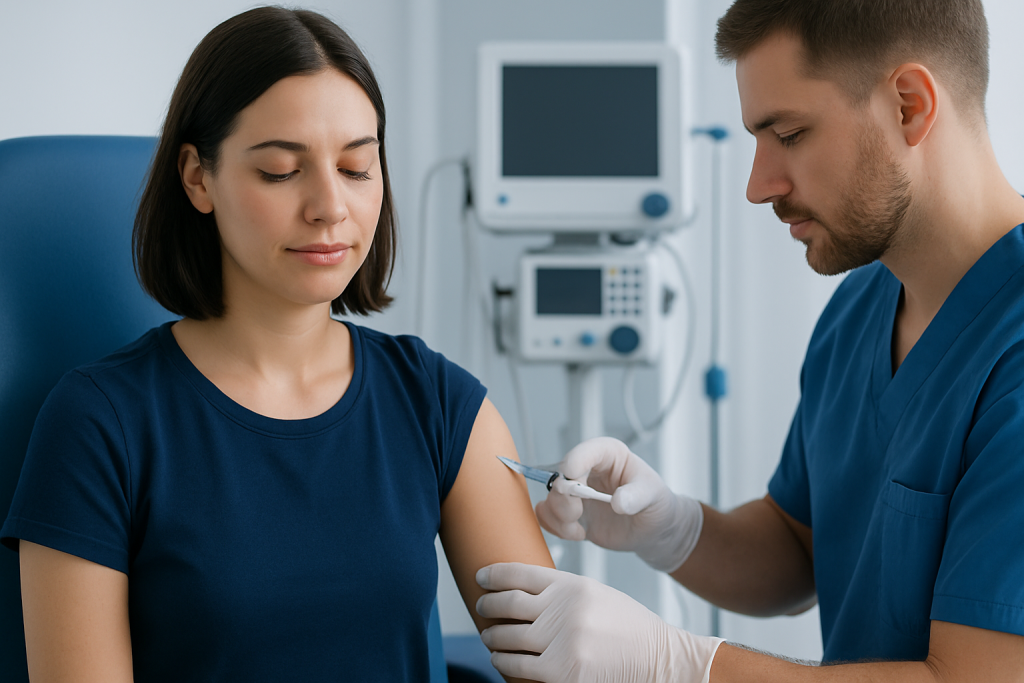
The vaccine itself does not cause chickenpox in healthy people. After vaccination, some people notice mild, short-lived reactions that show the immune system is responding.
Common temporary effects include soreness or redness where the shot was given, a mild temperature, tiredness, or a small number of spots near the injection period. These symptoms usually settle without special treatment.
- Soreness, warmth, or swelling at the injection site
- Low-grade fever
- Brief rash in a small number of cases
- General tiredness or mild discomfort
If a rash becomes widespread, breathing becomes difficult, or the person seems unwell in a way that feels unusual, medical advice should be sought promptly. Most post-vaccination symptoms, however, are mild and short-lasting.
Causes & Risk Factors

Chickenpox is caused by the varicella-zoster virus, which spreads easily from person to person through respiratory droplets and direct contact with fluid from skin blisters. Because it passes so efficiently in households and shared spaces, vaccination is a practical way to reduce exposure risk.
People who have not had chickenpox and have not been vaccinated are more likely to become infected if they are exposed. Adults, pregnant people, newborns, and people with weakened immune systems may face a greater risk of complications if they catch the virus.
Some situations also make vaccination planning more nuanced. A person may need a delayed schedule, a blood test, or a doctor’s review if they are immunocompromised, taking certain medicines, recently received other live vaccines, or are pregnant.
Diagnosis
There is usually no special test needed before routine chickenpox vaccination in healthy children. Doctors most often rely on age, immunization records, and a brief medical history to decide whether the shot is appropriate.
If there is uncertainty about previous infection or immunity, especially in adolescents or adults, a blood test may sometimes help clarify whether the person already has protection. This is particularly useful for people preparing to travel, start work in healthcare, or join school or university programs abroad.
When a person has symptoms that might be chickenpox rather than a vaccine reaction, a doctor may examine the rash and ask about timing, exposure, and vaccination history. Correct identification matters because treatment and isolation advice can differ.
Treatment Options
The chickenpox injection is preventive treatment, not a treatment for active disease. Its purpose is to reduce the chance of getting chickenpox and, in some cases, to make the infection milder if it does occur.
For most children, the vaccine is given in a planned series according to local immunization guidance. Older children, teens, and adults who were never vaccinated may also be offered catch-up vaccination if there are no medical reasons to avoid it.
People who cannot receive the vaccine may need different medical planning. In certain cases, doctors may consider immune globulin after exposure, or they may recommend antiviral treatment if chickenpox develops. These decisions depend on age, exposure history, immune status, and overall health.
The right approach is individual rather than one-size-fits-all, especially for travelers who need to coordinate vaccination timing around flights, school entry, fertility care, or other planned treatment.
Prevention & Self-care
Prevention starts with making sure vaccination status is up to date. Parents often bring records from more than one country, and a doctor can help interpret them and decide whether a booster or catch-up dose is needed.
After vaccination, the injection site can usually be cared for at home. Gentle arm movement, rest, fluids, and a cool compress may help with soreness. If a low fever occurs, it is typically short-lived, but any medicine used should be discussed with a healthcare professional, especially for children.
- Keep vaccination records in one place for future school, work, or travel needs
- Inform the doctor about pregnancy, immune conditions, or recent medications before vaccination
- Follow local guidance on spacing between live vaccines when relevant
- Seek advice if a rash appears after exposure to chickenpox
For international patients, planning a vaccine visit can be combined with other preventive appointments so that timing is efficient and follow-up is clear once they return home.
When to See a Doctor
Medical advice is sensible before receiving the chickenpox injection if the person is pregnant, has a weakened immune system, is taking immune-suppressing treatment, or has had a serious allergic reaction to a previous vaccine or vaccine component.
After vaccination, a doctor should be contacted if there is trouble breathing, swelling of the face or throat, severe weakness, or any symptom that feels rapidly worsening. These reactions are uncommon, but they deserve prompt assessment.
A clinician’s input is also helpful if there is uncertainty about whether the person has already had chickenpox, if exposure occurred soon after vaccination, or if an international patient needs vaccination records reviewed across multiple countries. Acibadem Health Point’s multidisciplinary specialists and JCI-accredited hospitals can help diagnose and treat this condition for international patients as part of coordinated care.
Living with the Need for Ongoing Protection
Varicella protection is often thought of as a childhood issue, yet it can matter again years later when an adult needs proof of immunity for work, pregnancy planning, or travel. That is why the chickenpox injection is not only about one appointment; it is also about keeping a reliable immunization history over time.
Families, students, and traveling professionals may find it helpful to review vaccine records before moving countries or starting a new job. A short consultation can prevent later delays, especially when documentation is incomplete or when local vaccine schedules differ.
With the right timing and medical guidance, the chickenpox injection is a straightforward way to reduce the burden of a contagious illness that can be more disruptive than many people expect.
Frequently asked questions
01What is the chickenpox injection?
The chickenpox injection is the varicella vaccine, which helps the immune system protect against the virus that causes chickenpox. It is used to prevent infection or reduce how severe the illness may become.
02Can the chickenpox vaccine give someone chickenpox?
In healthy people, the vaccine does not cause typical chickenpox. Some people may have a mild rash or low fever after vaccination, but this is not the same as full infection.
03Who should not get the chickenpox injection?
Some pregnant people, individuals with certain immune system problems, and people with severe allergies to vaccine ingredients may not be able to receive it. A doctor should review the person’s health history first.
04Do adults need the chickenpox vaccine too?
Yes, some adults who never had chickenpox or were not vaccinated may need it. This is especially important for healthcare workers, students, travelers, and people planning around pregnancy or other medical care.
05How many doses are usually needed?
The number of doses depends on age, previous vaccination, and local immunization guidance. A clinician can check records and recommend the correct schedule.
06What should a person do if they were exposed to chickenpox and are not vaccinated?
They should contact a doctor quickly, because timing matters. In some situations, vaccination soon after exposure or another preventive measure may be considered.
This article is for general information only and is not a substitute for professional medical advice. Please consult a qualified doctor about your individual situation.
Explore treatments in Turkey — costs, top hospitals & a free quote
JCI-accredited · board-certified surgeons · reply within 24h
Add us as a Preferred Source to see more of our trusted health content across Google Search, AI Overviews and Discover.