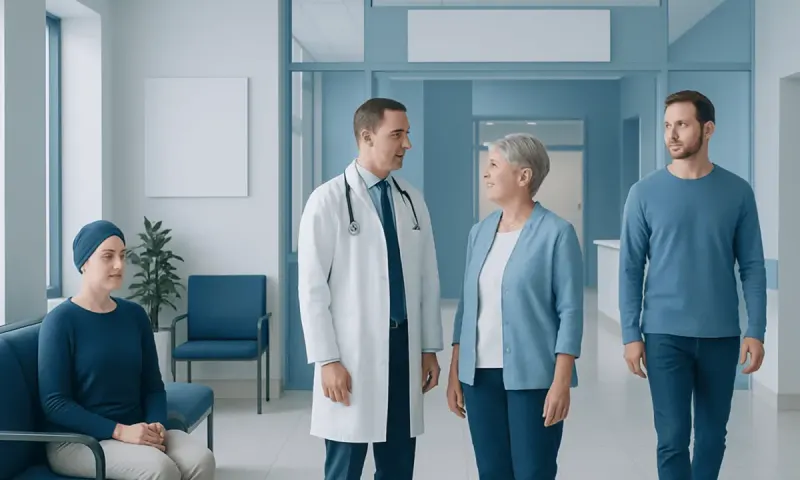
Chemotherapy in Turkey: Care Planning and Support
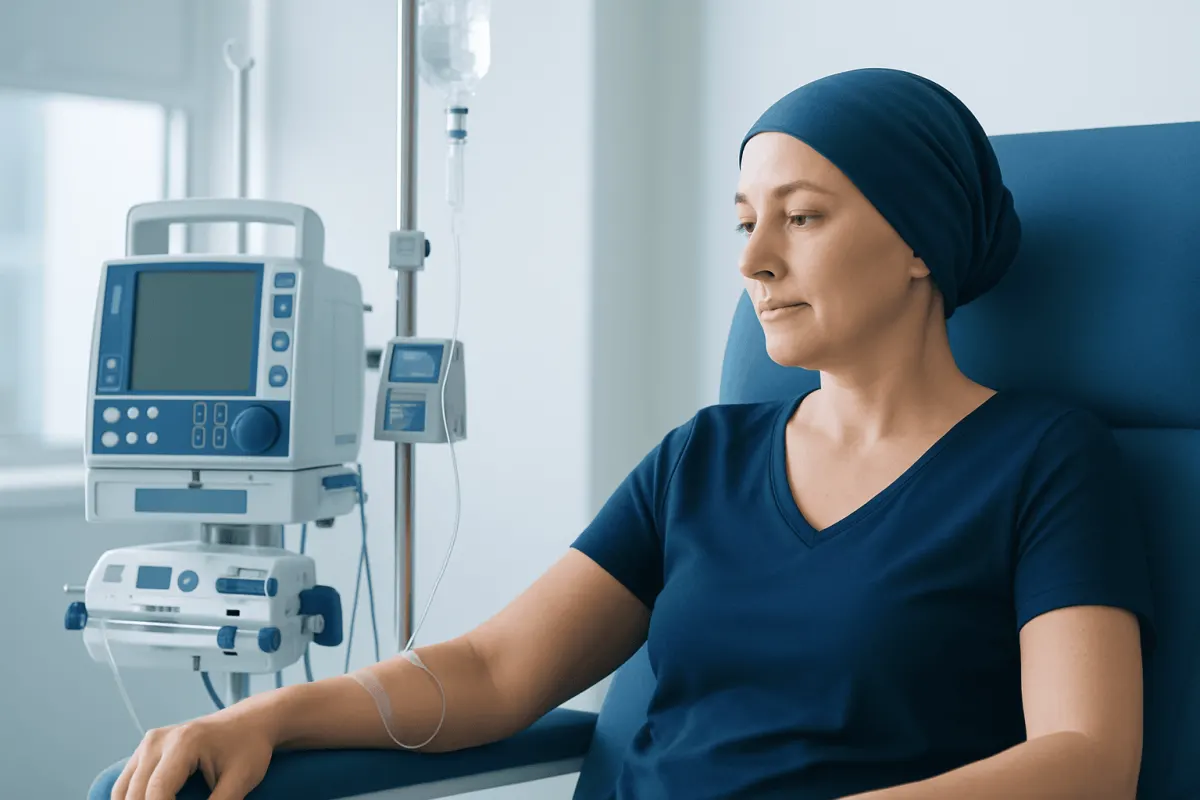
Chemotherapy in Turkey involves cancer medicines given under the supervision of an oncology team to destroy cancer cells, slow their growth, or reduce the risk of recurrence. International patients should expect individualized treatment planning, regular blood tests, side-effect support, and careful coordination of travel and follow-up needs.
Chemotherapy in Turkey: an overview
Chemotherapy in Turkey can be an appropriate option for people seeking cancer treatment abroad when care is planned by qualified medical oncologists and delivered in a hospital with established safety, pharmacy, laboratory, and supportive-care services. Chemotherapy uses medicines that circulate through the bloodstream to damage or control cancer cells. It may be given as an outpatient infusion, an injection, tablets or capsules, and less commonly through other routes.
The purpose of chemotherapy varies. It may aim to cure some cancers, shrink a tumor before surgery or radiotherapy, remove microscopic cancer cells after local treatment, control cancer that has spread, or ease symptoms. It is not the same as immunotherapy, targeted therapy, hormone therapy, surgery, or radiotherapy, although these treatments are often combined in an individualized cancer plan.
For a fuller explanation of the treatment itself, including common treatment approaches, patients can review chemotherapy treatment. A reliable program should focus on the diagnosis and treatment goals rather than on a one-size-fits-all drug regimen.
How chemotherapy works and who may be a candidate
Cancer cells often divide more quickly than most normal cells. Many chemotherapy medicines interfere with cell division or with processes cancer cells need to survive. Because some healthy tissues also divide rapidly, particularly cells in the bone marrow, digestive tract, hair follicles, and reproductive organs, side effects can occur. The type and intensity of side effects differ substantially between medicines and between individuals.
A medical oncologist considers chemotherapy when evidence shows that it may be beneficial for a particular diagnosis. Decisions are based on pathology results, imaging, cancer stage, molecular or genetic tumor tests when relevant, overall fitness, organ function, existing health conditions, prior treatments, and personal goals. Chemotherapy may not be the best choice for every cancer or every stage of cancer.
Before treatment, the team reviews medicines, allergies, nutritional status, vaccination and infection history, heart, kidney, and liver health where relevant, and pregnancy or fertility considerations. People with low blood counts, an active uncontrolled infection, or significant organ impairment may need treatment delayed, adjusted, or supported before chemotherapy can begin.
Assessment and treatment planning for international patients
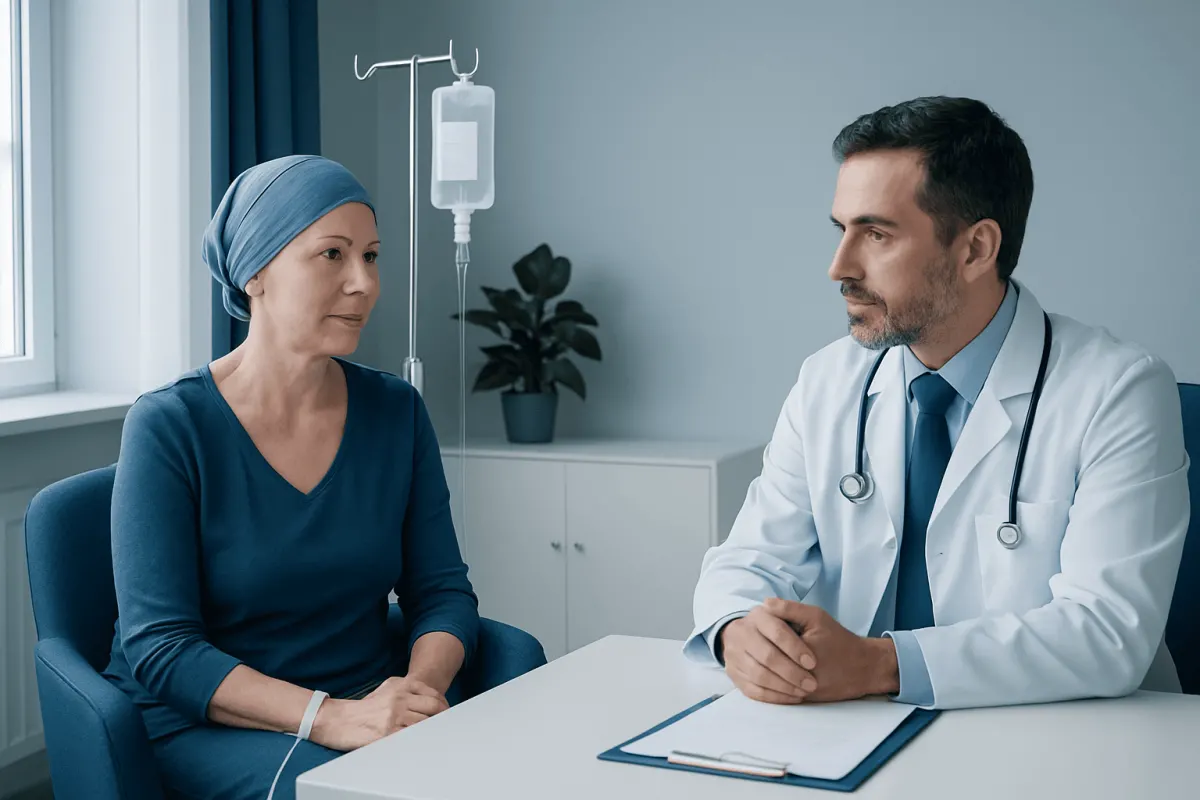
For people considering chemotherapy abroad, safe planning begins well before travel. Medical records are usually reviewed, including pathology reports, imaging reports and image files, operative notes, previous treatment summaries, and recent laboratory results. If necessary, the receiving team may request a pathology review, additional scans, or updated blood tests to confirm the diagnosis and select the most suitable plan.
A multidisciplinary discussion may include medical oncology, surgical oncology, radiation oncology, pathology, radiology, nursing, pharmacy, nutrition, psycho-oncology, and other specialties. This helps determine whether chemotherapy should be used alone or alongside other treatments. Patients should receive an understandable explanation of the expected aim of treatment, likely schedule, possible alternatives, and important side effects.
Hospitals accredited by Joint Commission International (JCI) follow recognized standards related to patient safety, quality processes, infection prevention, medication management, and continuity of care. Accreditation does not determine whether a treatment will be successful, but it can be one factor patients consider when evaluating hospital systems. International services may also assist with appointment coordination, interpretation, medical documentation, and accommodation planning, while clinical decisions remain individualized.
What happens during a chemotherapy cycle
Chemotherapy is commonly given in cycles. A cycle includes one or more treatment days followed by a recovery period; the exact timing depends on the medicines and cancer being treated. Before each cycle, the oncology team assesses symptoms, weight changes, blood counts, kidney and liver function where needed, and any effects from earlier treatment. Treatment may be adjusted or postponed if it would not be safe to proceed.
For intravenous treatment, a nurse checks identity and treatment details, obtains vital signs, and places an intravenous line or accesses a port if one has been implanted. Preventive medicines may be given first to reduce nausea, allergic-type infusion reactions, or other predictable effects. The chemotherapy is then administered according to a carefully checked prescription and may take minutes to several hours, depending on the regimen.
During infusion, patients are monitored for discomfort, rash, breathing symptoms, pain at the injection site, dizziness, or other reactions. Oral chemotherapy is taken at home exactly as prescribed, but it still requires regular monitoring and medication review. Patients should not change doses, stop treatment, or use supplements without discussing this with their oncology team, as interactions can occur.
- Bring an updated list of medicines, supplements, and allergies to each visit.
- Ask how to contact the treatment team outside usual clinic hours.
- Keep a written record of symptoms, temperature readings when advised, and any side effects between visits.
Benefits, risks, and side-effect support
The potential benefit of chemotherapy depends on the specific cancer and its treatment setting. In some situations it improves the chance of cure or lowers recurrence risk; in others, it may slow cancer growth, extend disease control, or improve cancer-related symptoms. The oncologist should explain the intended benefit in the context of the individual diagnosis and discuss how response will be assessed through examinations, blood tests, scans, or tumor markers when appropriate.
Common side effects can include tiredness, nausea, vomiting, appetite changes, mouth soreness, bowel changes, hair thinning or hair loss, numbness or tingling in the hands and feet, skin or nail changes, and changes in blood counts. Low white blood cells can increase infection risk, low red blood cells can contribute to anemia and fatigue, and low platelets can increase bruising or bleeding. Not every person experiences these effects, and many can be prevented or managed with supportive medicines and practical advice.
Some risks are specific to individual drugs, such as heart effects, kidney effects, nerve damage, lung inflammation, blood clots, fertility changes, or infusion reactions. Before starting treatment, patients should discuss which risks are relevant to their regimen. Fertility preservation may be possible for some people if addressed before treatment begins, so this conversation should not be delayed.
Recovery timeline, travel, and self-care
Recovery after each chemotherapy session is variable. Some people feel well enough to continue many usual activities, while others need more rest for several days. Fatigue and digestive symptoms may develop in the first few days, whereas low blood counts often occur later in the cycle, depending on the medicines used. Blood counts usually recover during the planned rest period, although the timeline differs by regimen.
Patients travelling to Turkey should allow enough time for consultation, baseline tests, treatment, and early monitoring before arranging onward travel. The clinical team can advise whether flying is appropriate after an infusion and whether a patient needs to remain nearby because of side-effect risk. Accommodation should support rest, safe food preparation, access to transport, and rapid contact with the hospital if symptoms arise.
Helpful self-care measures include drinking enough fluids if medically appropriate, eating small nutritious meals, maintaining gentle activity as tolerated, practicing hand hygiene, avoiding close contact with people who are unwell, and resting without becoming completely inactive. Patients should follow individualized food-safety advice, especially if blood counts are low. They should keep their home oncologist or primary doctor informed and take a clear written treatment summary with them after care abroad.
Acıbadem Health Point’s multidisciplinary specialists and JCI-accredited hospitals diagnose and treat cancer for international patients, with care coordinated according to each person’s medical needs and treatment plan.
When to seek medical care
Patients receiving chemotherapy should contact their oncology team promptly if they develop a fever or feel suddenly unwell, as infection can become more serious when white blood cell counts are low. The team should provide a specific temperature threshold and emergency contact instructions before treatment begins. Patients should not wait for a scheduled appointment if they are concerned.
Urgent medical assessment is also important for shortness of breath, chest pain, new confusion, severe weakness, uncontrolled vomiting or diarrhea, inability to drink fluids, heavy bleeding, black stools, severe abdominal pain, a rapidly spreading rash, facial swelling, or signs of an allergic reaction. Pain, burning, swelling, or redness around an infusion site should also be reported without delay.
Less urgent but important concerns include persistent mouth sores, worsening numbness or tingling, new swelling in an arm or leg, difficulty completing daily activities, significant weight loss, or emotional distress. Early communication allows the oncology team to offer supportive care, assess for complications, and decide whether treatment changes are needed.
Frequently asked questions
01Is chemotherapy in Turkey safe for international patients?
Chemotherapy can be delivered safely when it is prescribed and monitored by an experienced oncology team within a hospital that has robust medication, laboratory, infection-control, and emergency-care processes. Patients should ensure that the treatment plan is based on complete medical records and that they receive clear instructions for side effects and follow-up.
02How long does chemotherapy treatment usually take?
The length of chemotherapy depends on the cancer type, the medicines used, and the aim of treatment. Individual infusions may last from a short visit to several hours, while a full course may involve several cycles over weeks or months. The oncology team can provide a personalized schedule after assessment.
03Can a patient fly after chemotherapy?
Some patients can fly after chemotherapy, but this depends on the treatment received, current symptoms, blood counts, infection risk, and overall health. It is important to ask the treating oncologist before making travel arrangements. Extra time near the treatment center may be advised after a first cycle or when closer monitoring is needed.
04What tests are needed before each chemotherapy cycle?
Many patients have blood tests before treatment to check blood cell counts and assess kidney or liver function when relevant to the medicines being used. The team may also review symptoms, vital signs, weight, and treatment response. Additional scans or tests are arranged according to the cancer type and treatment plan.
05Will chemotherapy always cause hair loss?
No. Hair loss depends on the particular chemotherapy medicines and doses used. Some regimens cause no noticeable hair changes, while others may cause thinning or more complete hair loss. The oncology team can explain what is expected with the proposed regimen and discuss available support.
06Can chemotherapy be combined with surgery or radiotherapy?
Yes. Chemotherapy is often used before surgery or radiotherapy to shrink a tumor, after local treatment to reduce recurrence risk, or at the same time as radiotherapy for selected cancers. The order and combination of treatments are decided by the cancer type, stage, tumor features, and the person’s overall condition.
This article is for general information only and is not a substitute for professional medical advice. Please consult a qualified doctor about your individual situation.
Hair transplant in Turkey — costs, graft counts & a free assessment
JCI-accredited · board-certified surgeons · reply within 24h
Add us as a Preferred Source to see more of our trusted health content across Google Search, AI Overviews and Discover.