Cervical Dystonia: Symptoms, Causes and Treatment

Key Takeaways
- Cervical dystonia is caused by abnormal signals in the brain that make neck muscles contract involuntarily.
- Symptoms can include head turning, neck pain, tremor, and difficulty holding the head in a comfortable position.
- Diagnosis is usually based on a neurological examination and a careful review of symptoms and medical history.
- Treatment often includes botulinum toxin injections, medicines, physical therapy, and symptom-guided rehabilitation.
- Living with cervical dystonia is often easier with posture adjustments, stress management, and regular follow-up care.
Cervical dystonia is a neurological movement disorder that causes involuntary neck muscle contractions, often leading to twisting, tilting, or painful head postures. With the right diagnosis and a tailored treatment plan, many people can reduce symptoms and improve daily comfort and function.
Overview
Cervical dystonia is a movement disorder that affects the muscles of the neck. The head may pull, turn, tilt, or shift forward or backward in ways the person does not intend. These movements can be intermittent at first or become more sustained over time, and they may be accompanied by neck pain or a feeling of tightness.
Although the condition can be disruptive, it is not a sign of weakness or poor posture. It reflects a problem in how the nervous system communicates with muscles. In many people, symptoms can be managed with a combination of targeted treatments and practical changes to daily routines.
Because cervical dystonia can look different from one person to another, evaluation by a neurologist is important. For international patients who are considering care abroad, the diagnosis is usually straightforward once the movement pattern is observed, but planning treatment may involve coordination across neurology, rehabilitation, and follow-up care after returning home.
Symptoms
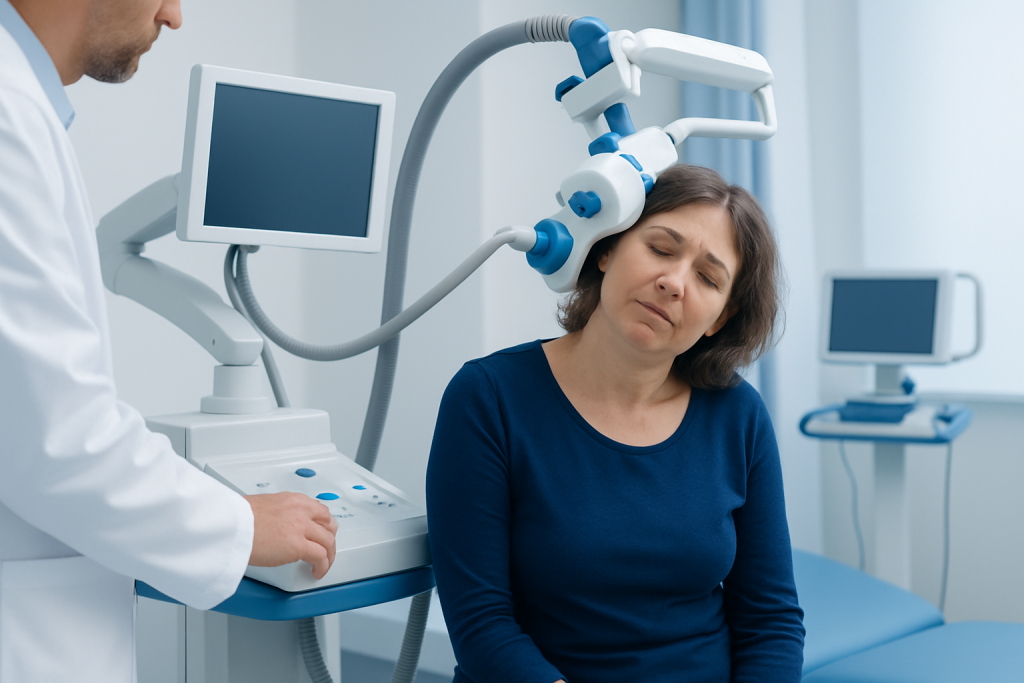
The most recognizable sign is an involuntary neck posture. The head may rotate to one side, tilt toward a shoulder, nod forward, or tilt backward. Some people notice that the movement worsens during stress, fatigue, or concentration, while a brief touch to the face or chin may temporarily lessen the posture in certain cases.
Neck pain is common and may range from mild aching to persistent soreness. Some people also experience a head tremor, shoulder elevation, stiffness, or reduced range of motion. Everyday activities such as reading, driving, using a computer, or speaking for long periods may become uncomfortable.
Symptoms may develop gradually, which can make them easy to dismiss at first. Family members or coworkers are sometimes the first to notice that the head is consistently turned or tilted. Over time, the affected muscles may become more prominent or fatigued, especially if the person is trying to resist the movement.
- Involuntary turning, tilting, or pulling of the head
- Neck pain, stiffness, or muscle tenderness
- Head tremor or jerky movements
- Shoulder elevation or asymmetry
- Difficulty maintaining a comfortable head position
Causes & Risk Factors

The exact cause of cervical dystonia is not always known. In many cases, it is considered idiopathic, meaning no single trigger can be identified. Specialists believe it involves abnormal activity in brain circuits that help control movement, posture, and muscle coordination.
Some cases are linked to genetics, while others may appear after certain medications, injuries, or other neurologic conditions. However, many people never find a clear cause, and that uncertainty does not prevent effective treatment. Cervical dystonia is usually not caused by ordinary stress or poor sleeping position, though stress can make symptoms more noticeable.
Risk factors can include being an adult, having a family history of dystonia, or having a prior exposure to medications that affect dopamine pathways in rare cases. Symptoms often begin in mid-adulthood, but they can occur at different ages. A careful review of medications, family history, and neurologic symptoms helps doctors look for contributing factors and rule out other causes of abnormal neck posture.
Diagnosis
Diagnosis starts with a detailed conversation and a physical examination. A neurologist typically asks when the symptoms began, what movements are involved, whether pain is present, and whether anything seems to improve or worsen the posture. Observing the head position while the person walks, sits, speaks, or turns may give important clues.
There is no single blood test or scan that confirms cervical dystonia in every case. Imaging studies such as MRI may be used when doctors need to exclude other conditions, especially if symptoms are unusual, sudden, or accompanied by weakness, numbness, or other neurologic findings. Electromyography may sometimes be used to understand which muscles are most active and guide treatment planning.
Because several conditions can mimic neck twisting or stiffness, the diagnostic process may also include checking for arthritis, structural spine problems, medication-related movement disorders, or other forms of dystonia. For patients traveling for evaluation, bringing prior imaging, medication lists, and a timeline of symptoms can make the first appointment more efficient and help specialists build a more precise plan.
Treatment Options
Treatment is usually individualized, since the main goal is to reduce the abnormal muscle contraction, ease pain, and improve head positioning. Botulinum toxin injections are often considered a first-line treatment. They work by relaxing the overactive neck muscles for a period of time, which can improve comfort and movement when used in the right muscle groups.
Oral medicines may be used in some cases, particularly when symptoms are not fully controlled by injections or when a person also has tremor or generalized muscle tightness. Options may include medications that influence muscle tone or nervous system signaling, but the benefit and side-effect profile vary from person to person. A neurologist will consider age, symptom pattern, other health conditions, and daily needs before recommending a medicine.
Physical therapy and rehabilitation can help support posture, mobility, and pain management. Treatment may also include guidance on ergonomic adjustments, stress reduction, and, when needed, pain-relief strategies. In selected cases, deep brain stimulation may be discussed for severe symptoms that do not respond well to other treatments. This is a specialized neurosurgical option and is typically considered after a thorough assessment.
For international patients, treatment planning often includes how follow-up visits will be scheduled after returning home, since botulinum toxin injections and rehabilitation usually require ongoing reassessment. A practical care plan can make it easier to maintain symptom control across borders.
Prevention & Self-care
Cervical dystonia itself cannot usually be prevented, especially when the cause is related to the nervous system. Still, many people find that thoughtful self-care can make symptoms less intrusive and daily life more manageable. The most useful strategies are often simple, consistent, and tailored to the individual’s pattern of symptoms.
Supportive habits may include keeping the neck and shoulders relaxed during desk work, using a well-positioned chair and screen, and avoiding long periods of strain in one posture. Some people benefit from gentle stretching recommended by a therapist, while others need to avoid certain movements that trigger spasm. A treatment team can help distinguish helpful movement from overexertion.
Stress can amplify muscle tension, so sleep hygiene, paced breathing, and planned rest breaks may also help. People often do better when they track symptom patterns, note triggers, and bring those observations to follow-up visits. This is especially useful when care is shared between home and an overseas specialist, because small adjustments can be made before symptoms escalate.
- Use ergonomic seating and screen positioning
- Take regular breaks from repetitive neck positions
- Follow therapist-guided exercises rather than self-directed forcing
- Keep a symptom diary to identify triggers
- Prioritize sleep and stress-reduction routines
When to See a Doctor
A doctor should be consulted when the head begins to twist or tilt repeatedly without control, especially if the pattern is becoming more frequent or painful. Early evaluation can shorten the path to symptom relief and help rule out other conditions that may need different treatment.
Medical attention is particularly important if neck symptoms appear suddenly, follow an injury, or come with weakness, numbness, trouble speaking, vision changes, severe headache, or balance problems. Those features are not typical of cervical dystonia and deserve prompt assessment. Even when symptoms seem mild, persistent neck postures can gradually affect work, driving, sleep, and mood.
People who have already been diagnosed should seek review if their treatment is no longer lasting as long as expected, if pain is increasing, or if new symptoms appear. Acibadem Health Point’s multidisciplinary specialists and JCI-accredited hospitals can diagnose and treat cervical dystonia for international patients, with care coordinated around both treatment and follow-up needs.
Living With Cervical Dystonia
Living with cervical dystonia often means combining medical treatment with day-to-day adaptations. Many patients find that once the diagnosis is clear, the uncertainty becomes more manageable even before the symptoms are fully controlled. Understanding which activities are difficult, which positions are easier, and how treatment affects the body over time can restore a sense of control.
Support from family, employers, and therapists can make a meaningful difference. Adjusting a workstation, planning breaks during long travel days, or choosing clothing and pillows that reduce strain may sound minor, but these details can improve comfort noticeably. For patients receiving care away from home, it also helps to ask in advance how to continue therapy, where to seek urgent advice, and when to schedule the next specialist review.
Cervical dystonia is chronic for many people, but chronic does not mean unmanageable. With the right mix of treatment, rehabilitation, and practical support, many people are able to keep symptoms under better control and maintain a satisfying routine.
Frequently asked questions
01Is cervical dystonia the same as torticollis?
The terms are sometimes used in overlapping ways, but cervical dystonia is the neurological condition behind involuntary neck twisting or tilting. Torticollis describes the posture itself, while cervical dystonia refers to the movement disorder causing it.
02Can cervical dystonia go away on its own?
Some symptoms may fluctuate, but cervical dystonia often persists without treatment. Many people improve with botulinum toxin injections, therapy, or other neurologic care.
03Does stress cause cervical dystonia?
Stress does not usually cause the condition, but it can make symptoms more noticeable. Managing stress may help reduce flare-ups and make other treatments work more comfortably.
04What is the most common treatment?
Botulinum toxin injections are commonly used because they target the overactive neck muscles directly. A neurologist may combine them with rehabilitation or medicines depending on the symptom pattern.
05Is surgery ever considered?
Yes, but only for selected people whose symptoms remain severe despite other treatments. Deep brain stimulation is the best-known surgical option and is usually considered after a <a href="https://www.acibademhealthpoint.com/blog/stroke-specialist-evaluation-what-to-expect-at-your-first-vascular-neurology-visit/" title="Stroke Specialist Evaluation: What to Expect at Your First Vascular Neurology Visit" class="ahp-ilk">specialist evaluation.
06Should a person with cervical dystonia avoid exercise?
Not necessarily. Gentle, guided activity can be helpful, but exercises should be adapted to the person’s pain and posture pattern. A physical therapist can suggest safer ways to stay active.
This article is for general information only and is not a substitute for professional medical advice. Please consult a qualified doctor about your individual situation.
Joint and spine care in Turkey — expert assessment & treatment
JCI-accredited · board-certified surgeons · reply within 24h
Add us as a Preferred Source to see more of our trusted health content across Google Search, AI Overviews and Discover.