Cerebral Edema Is Brain Swelling That Needs Urgent Care

A headache that keeps getting worse, someone who is unusually drowsy and hard to rouse, confusion that wasn’t there this morning — these are the kinds of changes that make doctors think about swelling in the brain.
Cerebral edema means swelling in the brain due to excess fluid. It is not a disease by itself, but a serious medical condition that can happen after head injury, stroke, infection, tumors, or other brain problems, and it usually needs urgent evaluation.
What cerebral edema means
Cerebral edema is the medical term for swelling in the brain. It happens when excess fluid collects within brain tissue, causing the brain to take up more space inside the skull. Because the skull is rigid and cannot expand, this swelling can raise pressure inside the head and interfere with normal brain function.
Think of it as the brain’s response to another problem, not a problem on its own. It may develop after a head injury, a stroke, a brain infection, a tumor, loss of oxygen, or certain toxic and metabolic disturbances. The key medical concern is not only the swelling itself, but also how that swelling affects blood flow, oxygen delivery, and the function of delicate brain structures.
Not all brain swelling behaves in the same way. In some cases, fluid moves from blood vessels into brain tissue because the blood-brain barrier has been disrupted. In others, brain cells themselves swell because of injury or lack of oxygen. Doctors use these patterns to help identify the underlying cause and guide treatment.
How cerebral edema affects the brain and body
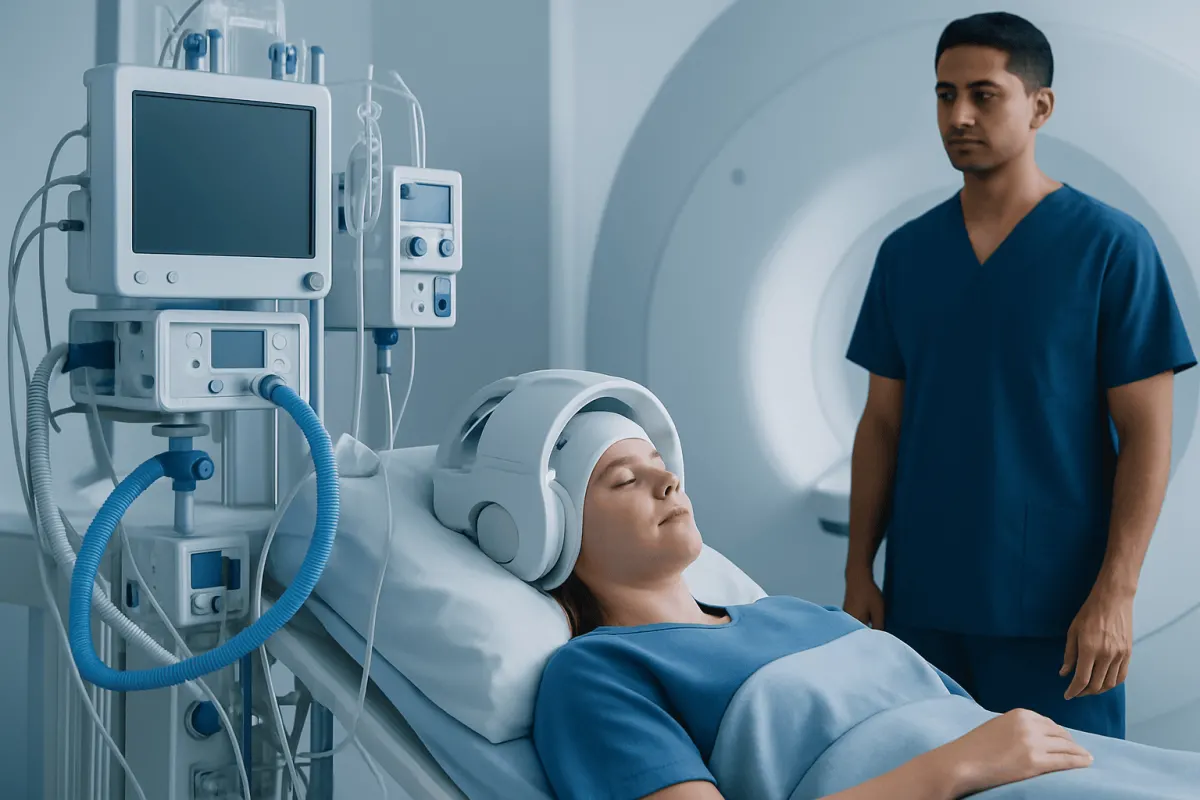
The brain depends on a steady supply of oxygen-rich blood and a stable internal environment. When swelling develops, pressure may build inside the skull and reduce blood flow to brain tissue. This can create a harmful cycle: injured tissue swells, swelling increases pressure, and higher pressure can cause further injury.
Symptoms depend on how quickly the swelling develops, how severe it becomes, and which part of the brain is involved. A small amount of swelling in a sensitive area may cause major symptoms, while more diffuse swelling may first appear as general confusion or drowsiness. This is one reason cerebral edema is taken seriously even when early signs seem vague.
You may hear your doctor mention raised intracranial pressure or herniation risk. These are not scare words; they are specific things that can happen when swelling becomes severe. Catching the problem early and treating it is how we try to prevent them.
Symptoms and warning signs

Cerebral edema symptoms can appear suddenly or develop over hours to days. Common early symptoms include headache, nausea, vomiting, confusion, unusual sleepiness, trouble concentrating, blurred vision, or changes in behavior. Some people also notice dizziness, poor balance, or increasing irritability.
If the swelling affects certain brain regions, more specific neurological symptoms can appear. These may include weakness on one side of the body, trouble speaking, facial drooping, numbness, seizures, or difficulty walking. In infants and young children, signs may be less specific and can include poor feeding, unusual fussiness, lethargy, or seizures.
Severe cerebral edema can reduce alertness and lead to fainting, loss of consciousness, or coma. Symptoms such as sudden severe headache, repeated vomiting, new seizure activity, marked confusion, or inability to wake someone normally should be treated as emergencies.
- Headache that is severe or worsening
- Nausea and vomiting
- Confusion, agitation, or drowsiness
- Weakness, numbness, or trouble speaking
- Seizures
- Reduced consciousness
Causes and risk factors
Many different conditions can lead to cerebral edema. After the Initial Recovery" class="ahp-ilk">Traumatic brain injury is a well-known cause because a blow to the head can damage cells and blood vessels. Swelling may also follow bleeding in or around the brain, including hemorrhagic stroke, or reduced blood flow from ischemic stroke. In some cases, swelling develops around a brain tumor or after brain surgery.
Infections are another important cause. Meningitis, encephalitis, and brain abscesses can all trigger inflammation and swelling. Severe lack of oxygen, sometimes called hypoxic brain injury, may occur after cardiac arrest, drowning, or other emergencies and can also produce cerebral edema. Certain metabolic problems, such as severe low sodium levels, liver failure, diabetic crises, or toxic exposures, may contribute as well.
Some cases are associated with high altitude, especially when rapid ascent occurs without proper acclimatization. This condition, high-altitude cerebral edema, is uncommon but serious. Risk depends on the individual and the speed of ascent rather than physical fitness alone.
Risk factors therefore vary by cause. They may include contact sports or falls, uncontrolled blood pressure, infections, known brain tumors, major surgery, severe systemic illness, substance toxicity, or recent travel to high altitude. Since the causes are so varied, your doctor looks at your whole story, not one symptom on its own.
How doctors diagnose cerebral edema
Diagnosis starts with an urgent medical assessment. Doctors review symptoms, onset, recent injuries, existing illnesses, medications, and possible triggers. A neurological examination checks alertness, speech, strength, pupil responses, coordination, and signs that may point to increased pressure inside the skull.
Brain imaging is central to diagnosis. A head CT scan is often used first in emergencies because it is fast and can identify swelling, bleeding, mass effect, or hydrocephalus. MRI may provide more detailed information about brain tissue, infection, ischemia, tumors, or subtle injury patterns. Depending on the situation, doctors may also use blood tests to look for infection, electrolyte problems, organ dysfunction, or other underlying causes.
Additional monitoring may be needed in severe cases. Intensive care teams sometimes measure intracranial pressure directly or use repeated imaging to track changes. When symptoms are linked to another brain condition, clinicians may investigate related problems such as brain tumor or complications of epilepsy if seizures are present.
Treatment options and emergency care
Treatment for cerebral edema has two goals: reduce the swelling and treat the cause. The exact plan depends on how severe the swelling is and what triggered it. Many patients require hospital care, and some need intensive care monitoring to protect breathing, circulation, and brain function.
Doctors may raise the head of the bed, manage oxygen levels, and carefully control blood pressure, temperature, and blood chemistry. Medications can be used to reduce brain swelling or lower intracranial pressure. If seizures occur, antiseizure treatment may be needed. When infection is the cause, prompt antimicrobial therapy is essential. If swelling is related to a stroke, bleeding, or a blocked vessel, treatment is tailored to that emergency and may include advanced stroke treatment.
Some patients need procedures to relieve pressure or address the underlying problem. These may include draining cerebrospinal fluid, removing a blood clot, or surgery for a mass lesion. When a tumor is contributing to swelling, treatment may involve brain tumor treatment and, in selected cases, neurosurgery.
Things can change fast here, so treatment is tailored to each person. Don’t try home remedies or wait to see if symptoms pass — get seen urgently by a qualified doctor.
Recovery, prevention, and daily self-care
Recovery from cerebral edema depends largely on the cause, severity, the speed of treatment, and the person’s overall health. Some people recover fully after the underlying problem resolves. Others may need rehabilitation for lingering issues with movement, speech, memory, mood, or daily functioning. Follow-up care may involve neurologists, neurosurgeons, rehabilitation specialists, and therapists.
Prevention focuses on reducing the risk of the conditions that can cause brain swelling. Practical steps include using seat belts and helmets, preventing falls, managing blood pressure and diabetes, seeking prompt care for infection symptoms, and following medical advice after head injury or stroke. At high altitude, gradual ascent and attention to early symptoms are important preventive measures.
Self-care supports recovery; it does not cure the problem. A person recovering from a brain condition should rest adequately, avoid alcohol or substances that impair judgment unless a doctor advises otherwise, take medicines exactly as prescribed, and attend follow-up appointments. Any worsening confusion, severe headache, repeated vomiting, or new neurological symptoms should lead to immediate medical review.
For international patients who need evaluation or treatment, Acıbadem Health Point’s multidisciplinary specialists in JCI-accredited hospitals diagnose and treat complex neurological conditions with coordinated care.
When to seek medical care
This is not something to diagnose yourself or keep an eye on at home. Emergency care is needed if a person has sudden confusion, a new seizure, weakness or numbness, trouble speaking, repeated vomiting, collapse, or decreased consciousness. These symptoms may reflect brain swelling or another urgent neurological problem.
Medical attention is also important after a significant head injury, especially if headache worsens, drowsiness increases, or behavior changes develop. People with recent stroke, brain surgery, infection, cancer, or severe metabolic illness should be monitored closely because neurological symptoms in these settings can progress quickly.
If symptoms are milder but persistent, such as ongoing headache with confusion or unexplained drowsiness, a qualified doctor should still evaluate the situation promptly. Early assessment can help identify the cause and reduce the chance of complications.
Frequently asked questions
01Is cerebral edema the same as a stroke?
No. Cerebral edema means swelling in the brain, while a stroke is a sudden problem with blood flow to the brain or bleeding into the brain. A stroke can cause cerebral edema, but the two terms are not the same.
02Can cerebral edema go away on its own?
Mild swelling may improve as the underlying cause is treated, but cerebral edema should not be assumed to resolve safely without medical evaluation. Because swelling can worsen pressure inside the skull, doctors usually treat it as a potentially urgent condition.
03What are the first signs of cerebral edema?
Early signs may include headache, nausea, vomiting, confusion, unusual sleepiness, or trouble focusing. In some people, the first noticeable sign is a seizure or weakness affecting one side of the body.
04How is cerebral edema confirmed?
Doctors usually confirm it through a neurological exam and brain imaging, most often CT or MRI. Blood tests and other monitoring may also be used to find the cause and judge severity.
05Is cerebral edema life-threatening?
It can be, especially when swelling is severe or treatment is delayed. The main danger is increased pressure inside the skull, which can reduce blood flow to the brain and damage important brain structures.
06Can children develop cerebral edema?
Yes. Children can develop cerebral edema after head injury, infection, seizures, metabolic problems, or lack of oxygen. Symptoms may be less specific than in adults, so changes in alertness, feeding, or behavior deserve prompt medical attention.
This article is for general information only and is not a substitute for professional medical advice. Please consult a qualified doctor about your individual situation.
Oncology care in Turkey — second opinion and treatment plan
JCI-accredited · board-certified surgeons · reply within 24h
Add us as a Preferred Source to see more of our trusted health content across Google Search, AI Overviews and Discover.