Cardiac Loop Recorder: A Complete Medical Overview

A cardiac loop recorder is a small device placed under the skin of the chest to continuously monitor heart rhythm for a long period. It can help clinicians identify intermittent rhythm abnormalities that may not appear during a standard electrocardiogram or short-term wearable monitor.
Overview: What Is a Cardiac Loop Recorder?
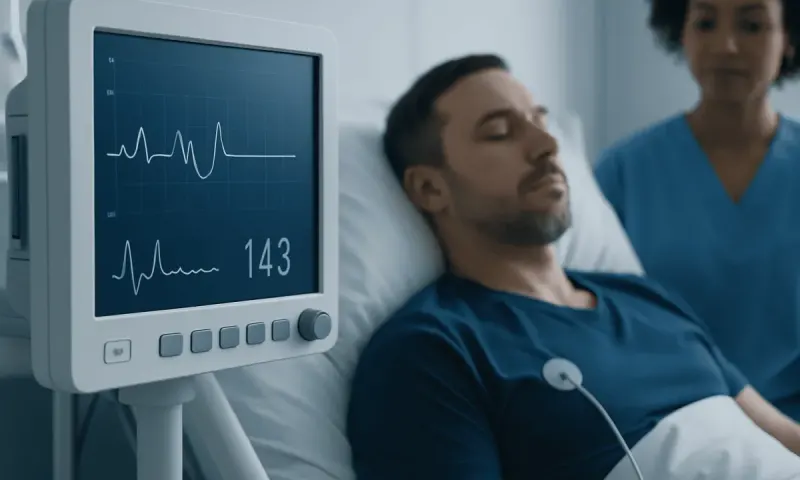
A cardiac loop recorder, also called an implantable loop recorder or insertable cardiac monitor, is a small device that records the heart’s electrical activity over an extended period. Unlike a standard electrocardiogram (ECG), which records only a few seconds of rhythm, the device can monitor for months or years. This makes it useful when symptoms or abnormal rhythms happen rarely and are difficult to capture during a clinic visit.
The cardiac loop recorder purpose is diagnostic. It does not pace the heart, deliver shocks, or treat an abnormal rhythm. Instead, it collects information that a cardiology team can review to determine whether symptoms are related to an arrhythmia, such as a very slow rhythm, a fast rhythm, or irregular atrial fibrillation.
The device is typically placed just beneath the skin on the left side of the chest. It may transmit recordings remotely through a home monitor or smartphone-based system, allowing the care team to review relevant findings without requiring frequent in-person appointments.
Who Is a Good Candidate for a Loop Recorder?
A person may be a good candidate for a loop recorder when symptoms suggest a possible heart rhythm problem, but routine testing has not found a clear cause. Symptoms may occur days, weeks, or months apart, making short-term tests such as a 24- or 48-hour Holter monitor less likely to capture the event.
Clinicians may consider an implantable loop recorder for people with unexplained fainting or near-fainting, recurrent palpitations, unexplained falls, dizziness, or episodes of unusual weakness where an arrhythmia is suspected. It can also be considered after a stroke without an identified cause, when longer monitoring may help detect intermittent atrial fibrillation.
Suitability depends on a person’s symptoms, medical history, examination findings, previous ECG results, and the likelihood that longer monitoring will change care. A loop recorder is not needed for every palpitation or dizzy spell. A cardiologist may first recommend an ECG, blood tests, echocardiogram, or external heart monitor, depending on the situation.
The Cardiac Loop Recorder Procedure

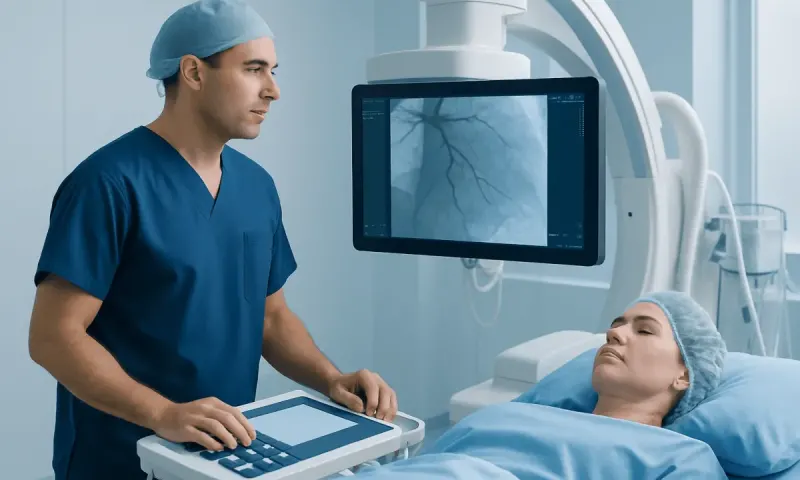
Cardiac loop recorder surgery is generally a minor outpatient procedure rather than open-heart surgery. The skin over the upper chest is cleaned and numbed with a local anesthetic. A clinician makes a small incision or uses a specialized insertion tool to place the device beneath the skin, then closes the site with adhesive strips, skin glue, or a small stitch.
The procedure commonly takes only a short time, although preparation and post-procedure instructions add to the visit. Most people are awake and can go home the same day. The care team explains when the dressing can be removed, how to keep the incision clean, and when ordinary activity, bathing, and exercise can resume.
Following implantation, the device may be programmed to detect particular rhythm patterns. Many recorders automatically store suspected abnormal rhythms. Patients may also receive an activator or smartphone application to mark symptoms such as palpitations, dizziness, chest discomfort, or faintness, helping clinicians compare symptoms with the heart rhythm at that time.
Billing systems may use a cardiac loop recorder CPT code for placement, interrogation, or remote monitoring, but the exact code depends on the procedure performed, the device type, and local billing rules. Patients seeking coverage information should ask their hospital, insurer, or billing team for current guidance.
How Long Does a Patient Wear a Loop Recorder?
Most implantable loop recorders are designed to remain in place for approximately two to three years, although duration varies by device model, battery use, the findings recorded, and the individual’s clinical needs. The recorder stays under the skin continuously, including during sleep and normal daily routines.
The device may be removed earlier if it captures information that explains the symptoms and leads to a treatment decision. For example, documented significant rhythm abnormalities may lead to discussion of medication, catheter-based treatment, or a pacemaker, depending on the diagnosis. If no relevant rhythm problem is found and symptoms resolve, the clinician may also discuss removal.
When the battery reaches the end of its life, the recorder no longer provides useful long-term monitoring. It can be removed through a small procedure. Some patients need a replacement device, but this is decided individually based on whether continued monitoring is medically helpful.
What Can a Loop Recorder Detect?
A loop recorder can detect and store patterns that may indicate an arrhythmia. These can include pauses in the heartbeat, unusually slow heart rhythms, episodes of rapid heartbeat, irregular rhythms, and possible atrial fibrillation. The device records electrical signals, not blood pressure, heart structure, or coronary artery blockages.
Its value is greatest when a person’s symptoms are unpredictable. For example, if someone faints only every few months, a clinic ECG performed when they feel well may be normal. Long-term recording gives clinicians a better opportunity to establish whether a rhythm change occurred at the time of symptoms.
Not every device alert represents a dangerous rhythm problem. Motion, poor signal contact, or benign rhythm changes can sometimes trigger recordings. A qualified clinician reviews the stored ECG tracings in context rather than relying only on automated alerts. If a rhythm disorder is found, further evaluation may include an echocardiogram or Electrophysiology Study: What Happens During EPS and What the Results Mean" class="ahp-ilk">electrophysiology study when appropriate.
What Are the Disadvantages of an Implantable Loop Recorder?
The main disadvantage is that implantation, although usually straightforward, is still an invasive procedure. It creates a small wound and requires short-term aftercare. Some people experience temporary tenderness, bruising, itching, or awareness of the device beneath the skin, especially during the first days or weeks.
Cardiac loop recorder complications are uncommon but can include bleeding, infection, swelling, pain, delayed wound healing, device movement, or irritation of the skin over the device. Rarely, the device may need to be repositioned or removed. Contact with the care team is important if the wound becomes increasingly red, warm, swollen, painful, or starts to drain.
Another limitation is that a loop recorder does not always provide an immediate answer. It may take time for symptoms or a relevant rhythm event to occur, and the recordings require expert interpretation. The device also cannot treat an arrhythmia, so a separate treatment plan may be needed if an abnormal rhythm is identified.
People should discuss practical considerations with their care team, including follow-up arrangements, remote monitoring, imaging precautions, and whether their workplace or hobbies involve strong electromagnetic equipment. Most everyday appliances and activities are compatible with modern devices, but individual device instructions should always be followed.
Living With a Cardiac Loop Recorder
After the incision has healed, most people can return to usual daily activities. A loop recorder is small and generally does not interfere with walking, household tasks, sleep, travel, or light exercise. The clinical team may recommend avoiding strenuous upper-body activity briefly after insertion to support proper wound healing.
Patients should follow the monitoring plan provided by their cardiology team. This may involve keeping a symptom diary, using a handheld activator, ensuring a remote transmitter is connected, or bringing a smartphone application within range at scheduled times. Recording the time, activity, and symptoms can make the stored heart-rhythm data more meaningful.
It is important to attend scheduled follow-up appointments even when no symptoms occur. These visits allow clinicians to check device function, review transmissions, and discuss whether the monitoring remains useful. In some cases, findings may lead to treatment of a diagnosed arrhythmia, including medicines, a pacemaker, or catheter-based procedures.
When to Seek Medical Care
Anyone who has fainted, has recurrent unexplained dizziness, new palpitations, or episodes of racing or irregular heartbeat should arrange medical assessment, particularly when symptoms are recurring or affecting daily life. A clinician can determine whether the cause may be cardiac and whether a short-term or long-term monitor is appropriate.
Urgent medical care is needed for chest pain or pressure, severe shortness of breath, fainting with injury, persistent rapid heartbeat with feeling unwell, new confusion, or symptoms of stroke such as facial drooping, arm weakness, or speech difficulty. These symptoms can have serious causes and should not be managed by waiting for a device transmission.
After a loop recorder procedure, patients should contact their care team promptly for fever, worsening pain, spreading redness, marked swelling, bleeding that does not stop with gentle pressure, drainage from the incision, or opening of the wound. Acıbadem Health Point’s multidisciplinary specialists and JCI-accredited hospitals can assess heart-rhythm concerns and provide diagnostic and treatment planning for international patients.
Frequently asked questions
01What is a cardiac loop recorder?
A cardiac loop recorder is a small device implanted just under the chest skin to record the heart’s electrical rhythm for a prolonged period. It helps clinicians investigate symptoms or suspected arrhythmias that may not appear during a brief ECG or standard wearable monitor.
02Is a loop recorder the same as a pacemaker?
No. A loop recorder monitors and records the heart rhythm, but it does not correct an abnormal rhythm. A pacemaker is a treatment device that sends electrical impulses to support an appropriate heart rate when needed.
03What are the disadvantages of an implantable loop recorder?
It requires a small insertion procedure and can cause temporary discomfort, bruising, or a visible or palpable bump under the skin. Less common risks include infection, bleeding, skin irritation, or device movement, and it may take time before a useful rhythm event is recorded.
04Who is a good candidate for a loop recorder?
Candidates often have unexplained fainting, repeated dizziness, palpitations, possible intermittent arrhythmias, or a stroke without a clear cause. A cardiologist considers the pattern of symptoms, prior test results, and whether long-term rhythm monitoring is likely to help establish a diagnosis.
05How long does a patient wear a loop recorder?
Many devices remain implanted for about two to three years. It may be removed sooner if it provides the information needed for diagnosis and treatment, or it may be removed when the battery is depleted.
06Can a person exercise or travel with a cardiac loop recorder?
After the insertion site has healed and the clinician has cleared activity, most people can exercise, travel, and continue normal routines. The care team can provide individualized advice about early activity restrictions, remote monitoring during travel, and any device-specific precautions.
This article is for general information only and is not a substitute for professional medical advice. Please consult a qualified doctor about your individual situation.
Heart care in Turkey — expert evaluation and treatment
JCI-accredited · board-certified surgeons · reply within 24h
Add us as a Preferred Source to see more of our trusted health content across Google Search, AI Overviews and Discover.