Cardiac Hole: Types, Risks, and Treatment Options
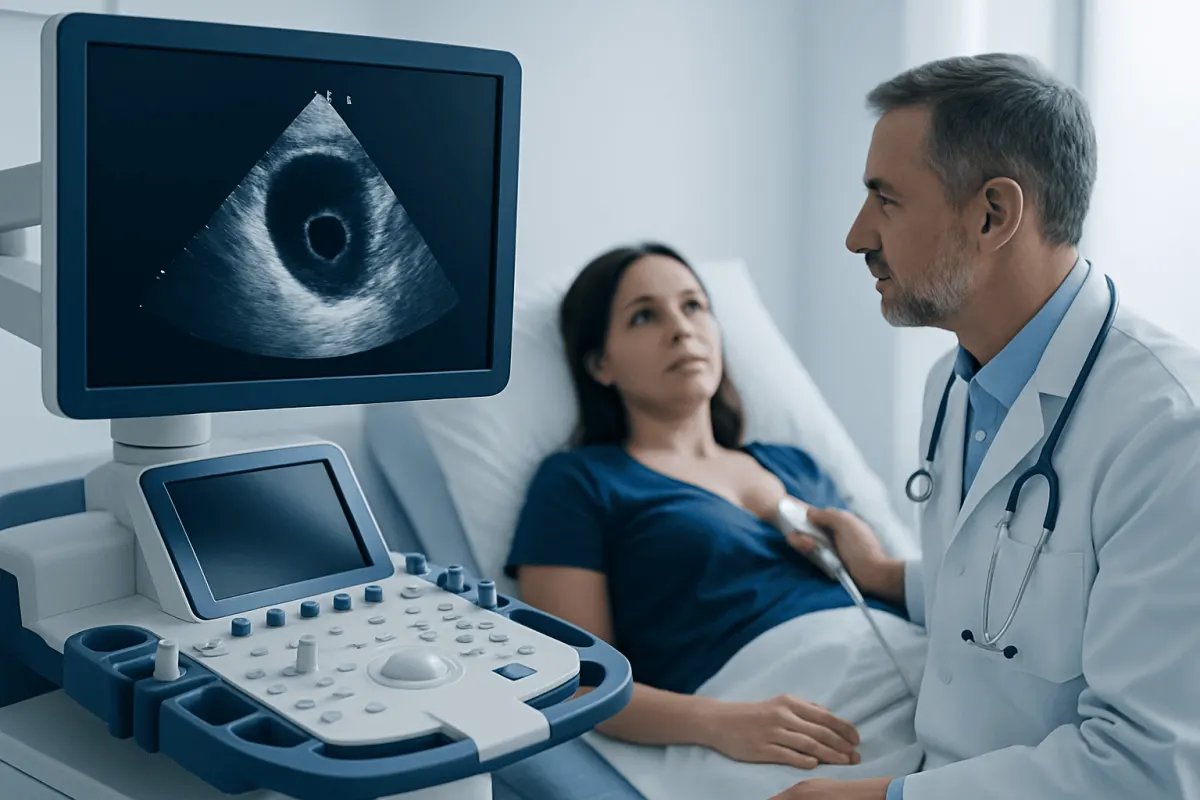
A cardiac hole is a non-medical term commonly used for an opening in the wall separating the heart’s chambers, usually present from birth. Some openings close naturally or need only monitoring, while others may require medication, catheter closure, or surgery to protect heart and lung health.
What Does Cardiac Hole Mean?
A cardiac hole is an informal phrase for an opening in the septum, the tissue wall that separates the chambers of the heart. The medical term for a hole in the heart depends on where it is located. An opening between the upper chambers is called an atrial septal defect (ASD), while an opening between the lower pumping chambers is called a ventricular septal defect (VSD).
These defects are usually congenital, meaning they develop before birth. They can change how blood moves through the heart and lungs. However, a cardiac hole is not automatically dangerous: small openings may cause no meaningful effect, while larger defects can place extra workload on the heart or increase blood flow to the lungs.
A related finding, a patent foramen ovale (PFO), is a flap-like opening between the atria that did not fully seal after birth. It differs from a true ASD and often causes no symptoms. A cardiologist can identify the specific type and explain whether observation or treatment is appropriate.
Is Having a Hole in Your Heart a Serious Condition?
Having a hole in the heart can range from a minor finding to a condition that needs treatment. Whether it is serious depends on the defect type, its size, the amount and direction of abnormal blood flow, and whether the heart, lungs, or circulation are affected. A small VSD, for example, may close on its own during childhood, while a larger defect may need closer care.
With an ASD or VSD, blood may pass from the higher-pressure left side of the heart to the right side. Over time, a significant left-to-right shunt can enlarge the right side of the heart and increase blood flow through the lungs. If untreated for many years, some larger defects may contribute to rhythm disturbances, heart failure, high pressure in the lung arteries, or stroke risk in selected circumstances.
Serious complications are not inevitable, especially when the defect is recognized and monitored. Regular cardiology review helps determine whether the opening is stable, whether the heart is coping well, and whether closure would provide benefit.
Symptoms, Causes, and Who May Be Affected

Some people with a medical hole in the heart have no symptoms and learn about it during a routine examination or a heart ultrasound performed for another reason. In babies and children, signs of a more significant defect may include poor feeding, slow weight gain, sweating with feeds, frequent respiratory infections, rapid breathing, or tiring easily.
In adolescents and adults, symptoms may include shortness of breath with activity, reduced exercise tolerance, tiredness, palpitations, swelling of the legs, or repeated chest infections. A heart murmur may be heard by a clinician, although not every defect produces one. Symptoms can be subtle and may develop gradually over time.
Most septal defects occur during fetal heart development and are not caused by anything a parent did or did not do. Some are associated with genetic conditions, family history, or other congenital heart differences, but many occur without an identifiable cause. Adults may also be diagnosed later in life when a previously unnoticed defect becomes relevant.
- ASD: an opening between the upper heart chambers.
- VSD: an opening between the lower heart chambers.
- PFO: a persistent flap-like opening that is common and often incidental.
How Doctors Diagnose a Cardiac Hole
Assessment begins with a medical history, symptom review, and physical examination. A clinician may listen for a murmur or other changes in heart sounds, but imaging is needed to confirm the diagnosis. The main test is an echocardiogram, an ultrasound that shows the heart’s structure, pumping function, and blood flow.
Depending on the situation, testing may also include an electrocardiogram (ECG), chest X-ray, exercise testing, cardiac MRI, CT imaging, or a transesophageal echocardiogram, in which an ultrasound probe is placed in the esophagus for more detailed images. A bubble study can help identify certain openings, including a PFO.
Cardiac catheterization is not needed for every patient, but it may be used when doctors need precise pressure measurements or are considering catheter-based closure. Evaluation should also look for related heart conditions, lung pressure changes, abnormal rhythms, and signs that the heart chambers are enlarged.
Cardiac Hole Repair and Other Treatment Options
Treatment is individualized. Small defects that do not affect heart function may only require periodic follow-up. Some small VSDs close naturally in childhood, and many people with a PFO do not need closure. Medication does not physically close a defect, but it may be used to manage symptoms such as fluid retention or an abnormal heart rhythm when these are present.
When an ASD or selected other defect is causing significant blood flow changes, enlargement of heart chambers, symptoms, or other complications, closure may be recommended. Many suitable ASDs can be treated through a minimally invasive catheter procedure. A closure device is guided through a blood vessel into the heart, avoiding open-heart surgery in appropriate cases.
Surgical cardiac hole repair may be advised for defects that are too large, have an unsuitable shape or location for a device, or occur alongside other heart conditions requiring surgery. During surgery, the opening may be closed with stitches or a patch. The choice depends on careful imaging and discussion with a congenital heart specialist.
Acıbadem Health Point’s multidisciplinary specialists in JCI-accredited hospitals assess congenital heart defects and discuss catheter-based and surgical treatment options for international patients.
Can You Live a Normal Life With a Hole in Your Heart?
Many people can live a normal, active life with a hole in the heart, particularly when the defect is small or has been successfully treated. The outlook is often very good when there is no strain on the heart, no pulmonary hypertension, and no important rhythm problem. A cardiologist can advise on work, exercise, travel, pregnancy planning, and long-term monitoring based on the individual defect.
Physical activity is usually encouraged within safe limits. People with small, uncomplicated defects may have no restrictions at all. Those with larger defects, symptoms, abnormal heart rhythm, or high pressure in the lung arteries may need personalized exercise guidance before starting vigorous activity or competitive sport.
Follow-up remains important even after successful closure, especially for adults diagnosed later in life. Some patients need periodic echocardiograms or rhythm checks. Good heart health habits—including not smoking, staying physically active as advised, managing blood pressure, and attending scheduled reviews—support long-term wellbeing.
Can You Live a Normal Life With an Atrial Septal Defect?
Yes, many people with an atrial septal defect can live a normal life. A small ASD may never cause symptoms or require closure. When an ASD is larger and creates extra blood flow to the right side of the heart, timely closure can reduce strain and improve symptoms or long-term heart health in appropriate patients.
Adults with an ASD should not assume that feeling well means no assessment is needed. Some ASDs cause few noticeable symptoms for years while gradually enlarging the right side of the heart. An echocardiogram and cardiology review can show whether the defect is affecting circulation.
Pregnancy is often well tolerated in people with a small or repaired ASD and normal heart function, but pre-pregnancy review is sensible for anyone with a known congenital heart defect. People with pulmonary hypertension or complex heart disease require specialist advice before pregnancy.
What Is the Average Life Expectancy for Someone With a Hole in Their Heart?
There is no single average life expectancy for someone with a hole in the heart because the term includes different conditions with very different effects. People with small defects, no heart or lung damage, and appropriate monitoring often have a life expectancy close to that of the general population. Many also do well after successful closure when it is clinically indicated.
Outlook can be less favorable when a large defect remains untreated and causes major enlargement of the heart, severe pulmonary hypertension, heart failure, or persistent arrhythmias. The age at diagnosis, the defect’s anatomy, coexisting health conditions, and response to treatment also influence prognosis.
For an individual estimate, a cardiologist needs to review imaging, symptoms, oxygen levels, heart rhythm, and lung artery pressures. It is more useful to focus on the current effect of the defect and a tailored follow-up plan than on a single population-based number.
When to Seek Medical Care
Anyone who has been told they have a cardiac hole should arrange follow-up with a cardiologist, particularly if they have not had an assessment for several years. Medical review is also appropriate for unexplained breathlessness, reduced ability to exercise, palpitations, ankle swelling, frequent fainting, or a new heart murmur.
Parents should seek prompt medical advice if a baby has difficulty feeding, poor weight gain, fast breathing, excessive sweating during feeds, or bluish discoloration of the lips or skin. Urgent emergency assessment is needed for severe trouble breathing, chest pain, fainting, sudden neurological symptoms such as facial weakness or speech difficulty, or blue or gray skin coloration.
Early assessment does not mean that treatment will necessarily be needed. It allows the care team to identify the type of defect, assess its effect, and provide clear reassurance or a treatment plan when appropriate.
Frequently asked questions
01What is the medical term for a hole in the heart?
The medical term depends on the location of the opening. A hole between the upper chambers is an atrial septal defect, while one between the lower chambers is a ventricular septal defect. A patent foramen ovale is a related but different opening between the atria.
02Can a cardiac hole close on its own?
Some small ventricular septal defects can close naturally, most often during infancy or childhood. Small atrial septal defects may also close in early life, but larger ASDs are less likely to do so. A cardiologist can monitor the opening with echocardiography.
03Does every hole in the heart need surgery?
No. Many small defects need only observation, and some can be closed with a catheter-based device rather than surgery. Surgery is generally considered when the defect is large, unsuitable for device closure, or associated with another heart condition.
04Can adults be diagnosed with a hole in the heart?
Yes. Some congenital heart defects cause few symptoms and are first found in adulthood during evaluation for a murmur, breathlessness, palpitations, or an unrelated test. Adults with a newly diagnosed defect should be assessed by a cardiologist experienced in congenital heart disease.
05Can exercise make a hole in the heart worse?
Exercise does not usually make the physical opening larger. Many people with small, uncomplicated defects can exercise normally, but those with symptoms, pulmonary hypertension, arrhythmias, or significant heart enlargement should receive individualized activity advice.
06Is a patent foramen ovale the same as an atrial septal defect?
No. A patent foramen ovale is a flap-like opening that did not fully seal after birth, whereas an atrial septal defect is a structural gap in the atrial septum. Both occur between the upper chambers, but their anatomy, effects, and management may differ.
This article is for general information only and is not a substitute for professional medical advice. Please consult a qualified doctor about your individual situation.
Heart care in Turkey — expert evaluation and treatment
JCI-accredited · board-certified surgeons · reply within 24h
Add us as a Preferred Source to see more of our trusted health content across Google Search, AI Overviews and Discover.