Cardiac CT Scan Cost: What Affects Your Total Bill
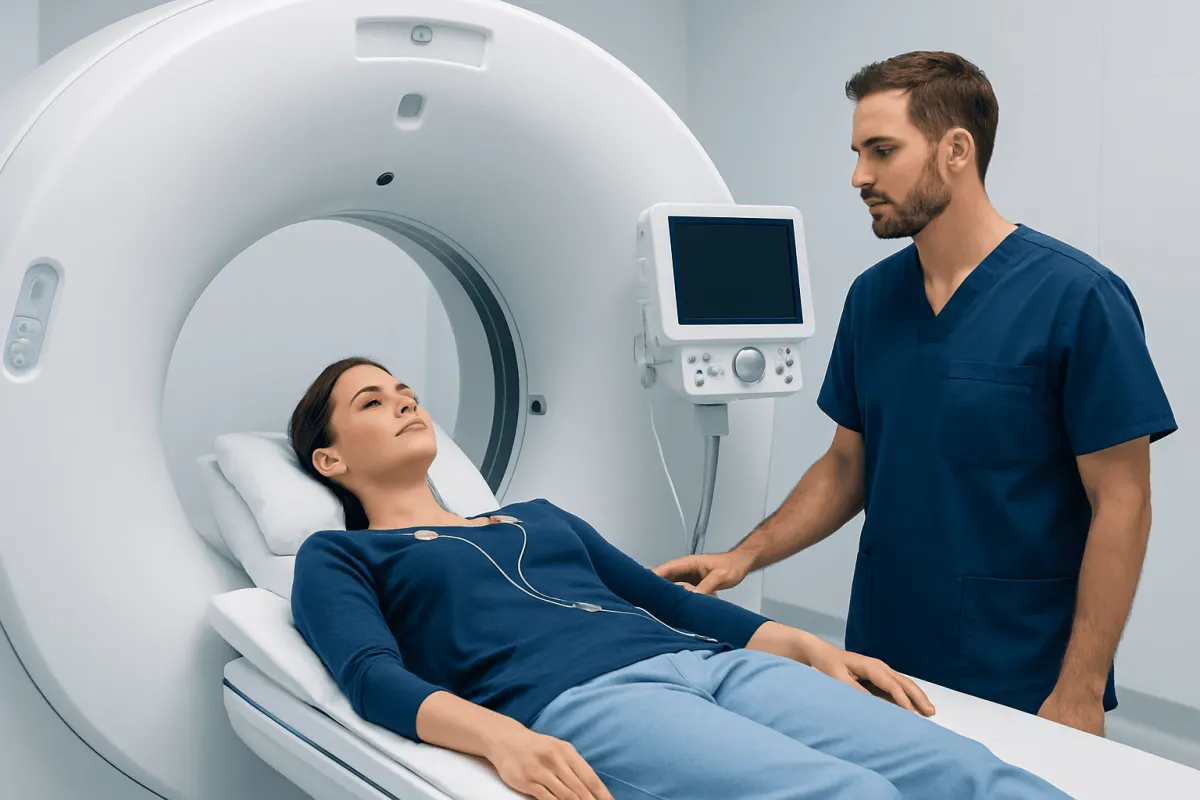
Cardiac CT scan cost cannot be reduced to one reliable figure because the final bill depends on the type of scan, clinical reason, facility, country, insurance benefits and whether contrast material is used. Patients can often avoid surprises by confirming the exact test, obtaining a written estimate and checking authorization requirements before scheduling.
Cardiac CT Scan Cost: the answer depends on the test
Cardiac CT scan cost varies widely because “cardiac CT” describes several different imaging tests. A coronary artery calcium scan is a short, non-contrast CT examination that estimates calcified plaque in the coronary arteries. Coronary CT angiography is a more detailed examination that uses intravenous contrast and imaging technology to assess coronary artery anatomy and possible narrowing. These tests have different preparation, staffing, equipment and billing requirements.
For an insured patient, the amount paid personally may depend less on the listed price than on the health plan’s deductible, copayment, coinsurance, network rules and prior-authorization policy. For an uninsured or self-paying patient, charges may vary by imaging center, hospital, geographic region and whether the quoted amount includes the radiologist’s interpretation, contrast material and any related laboratory testing.
Before booking, patients can ask the ordering clinician or imaging center for the full name of the examination, whether contrast will be used, and an itemized estimate. It is also helpful to ask the insurer whether the test is covered for the stated medical reason and whether the selected facility is in network.
How cardiac CT works and who may benefit
Computed tomography, or CT, uses X-rays and computer processing to create detailed cross-sectional images. A cardiac CT scanner is synchronized with the heartbeat so that the heart and coronary arteries can be viewed with less motion blur. Depending on the examination, the images may show calcium deposits in artery walls, heart structure, blood vessels or possible coronary artery narrowing.
A coronary artery calcium scan may be considered for selected adults whose risk of cardiovascular disease is uncertain after a routine clinical risk assessment. It can help support decisions about preventive treatment in some people, especially when the clinician and patient are weighing the likely benefit of cholesterol-lowering therapy. It is not generally intended for people with symptoms needing urgent evaluation.
Coronary CT angiography may be considered for some people with stable chest discomfort or an intermediate likelihood of coronary artery disease. It may also be used in other carefully selected situations, such as evaluating certain congenital heart or vascular concerns. The choice should be individualized by a qualified clinician. People with known coronary artery disease may need a different test depending on their symptoms, previous procedures and clinical history.
What happens during a cardiac CT scan

Preparation begins with a review of medical history, medications, allergies and kidney health. For a contrast-enhanced study, the care team may ask about previous reactions to contrast material and may recommend blood testing when kidney function needs to be assessed. Patients are commonly asked to avoid caffeine, nicotine and certain medicines before coronary CT angiography because a steady, slower heart rate can improve image quality.
At the appointment, the patient changes into a gown if needed and lies on a padded table. Small adhesive electrodes are placed on the chest to monitor the heartbeat. For coronary CT angiography, an intravenous line is inserted to deliver contrast material, and the team may use medication to slow the heart rate when appropriate. The patient moves through the CT scanner while following brief breath-holding instructions.
The actual image acquisition is usually brief, though check-in, preparation and monitoring take longer. A radiologist interprets the images and sends a report to the ordering clinician. When appropriate, cardiac imaging may be part of a broader evaluation that includes cardiology assessment and management.
How much does a cardiac CT scan cost out of pocket?
There is no single out-of-pocket price for a cardiac CT scan. The final amount can range substantially according to the country, facility, type of study, use of contrast, physician and radiologist fees, insurance plan and whether the deductible has already been met. A hospital-based CT examination may be billed differently from a scan performed at an independent imaging center.
Patients should clarify whether the estimate covers all components of care. Potential items can include the technical scan charge, radiologist interpretation, contrast material, intravenous supplies, medication used to optimize heart rate, laboratory tests and consultation charges. In some health systems, these may be billed separately.
For the clearest estimate, patients can contact both the imaging provider and the insurance company before the test. Useful questions include: What is the exact examination? Is authorization required? Is the site in network? What is the expected patient responsibility? Could separate bills be sent by the facility and radiologist? Written estimates are useful, although final billing can still change if the planned care changes.
Is a cardiac CT scan worth it?
A cardiac CT scan can be worth considering when the result is likely to change prevention or treatment decisions. For example, a Coronary Angiography: Which Test Answers Which Question?" class="ahp-ilk">coronary calcium score may help a clinician and patient better define cardiovascular risk when standard risk factors do not provide a clear answer. Coronary CT angiography may help evaluate selected patients with stable symptoms when information about the coronary arteries would guide next steps.
However, the test is not automatically useful for everyone. It involves radiation exposure, and contrast-enhanced CT has additional considerations, including a small risk of contrast reaction and possible kidney-related concerns in susceptible people. An incidental finding outside the heart can also lead to follow-up imaging or appointments that may not have been anticipated.
Value is therefore clinical as well as financial. A clinician can discuss whether a cardiac CT is more informative than other options, such as blood pressure and cholesterol assessment, an exercise-based test, echocardiography, or another form of cardiac imaging. Testing is most helpful when it is chosen for a clear question rather than as a substitute for routine cardiovascular care.
What is the $49 heart scan?
A “$49 heart scan” is generally a marketing term used by some imaging providers for a low-cost coronary artery calcium scan. It usually refers to a non-contrast CT test that measures calcified plaque in the coronary arteries and produces a coronary calcium score. It is not the same as coronary CT angiography, which uses contrast to evaluate the inside of coronary arteries in greater detail.
Advertised prices may have eligibility rules, limited availability or exclusions. They may not include consultation, interpretation, follow-up care or additional tests that might be recommended after an abnormal result. Patients should confirm exactly what the offer includes and whether the test is clinically appropriate before scheduling.
A calcium score cannot rule out all coronary artery disease because some plaque may not be calcified. It also does not replace urgent assessment for new, severe or worsening chest symptoms. A clinician can explain whether this type of screening is suitable based on age, risk factors, symptoms and medical history.
Why are cardiac CT scans not covered by insurance?
Insurance coverage often depends on whether a test meets the plan’s definition of medical necessity for a specific diagnosis, symptom pattern or risk profile. A coronary calcium scan may be treated as preventive screening by some insurers, and preventive services are not covered uniformly across plans. By contrast, a coronary CT angiogram may be covered when there is an accepted clinical indication and plan requirements are met.
Coverage can also be declined or delayed when prior authorization was not obtained, documentation is incomplete, the facility is outside the plan network, or the insurer considers another test more appropriate first. Even when a test is covered, the patient may still owe a deductible, coinsurance or copayment.
Patients should not assume that a clinician’s order guarantees coverage. They can ask the ordering team for the diagnosis and test details submitted to the insurer, then contact the insurer directly to verify benefits. If coverage is denied, the clinician may be able to provide additional clinical information or discuss alternative testing options.
Recovery, safety and when to seek medical care
Most people can return to ordinary activities immediately after a non-contrast calcium scan. Following a contrast-enhanced cardiac CT, patients are often observed briefly and may be advised to drink fluids if medically appropriate. The care team will provide individualized instructions, particularly for people with kidney disease, diabetes, heart rhythm conditions or medication-related considerations.
Cardiac CT is generally well tolerated. Potential risks include radiation exposure, a reaction to contrast material, contrast leakage at the injection site and, rarely, effects on kidney function in people at higher risk. Medication used to slow the heart rate can cause temporary fatigue, lightheadedness or a slow pulse. The imaging team takes steps to reduce radiation exposure and monitor for concerns.
People should seek urgent medical care for chest pressure or pain, shortness of breath, fainting, sweating, nausea or other symptoms that could suggest a heart emergency, particularly if symptoms are new, severe or worsening. They should also seek prompt advice after a scan if they develop signs of a possible significant allergic reaction, such as trouble breathing, swelling of the face or throat, or widespread hives.
For patients arranging care internationally, Acıbadem Health Point’s multidisciplinary specialists and JCI-accredited hospitals can assess cardiac symptoms and coordinate appropriate diagnostic testing and treatment planning.
Frequently asked questions
01What is the difference between a calcium score and cardiac CT angiography?
A coronary calcium scan is a non-contrast CT test that identifies calcified plaque and produces a calcium score. Coronary CT angiography uses contrast material to provide more detailed images of the coronary arteries and may help assess possible narrowing. The appropriate test depends on the person’s symptoms, medical history and clinical question.
02Do I need a referral for a cardiac CT scan?
Requirements vary by country, healthcare system, facility and insurance plan. Many centers require an order from a clinician, particularly for coronary CT angiography. A referral also helps ensure that the test is appropriate and that results will be interpreted in the context of the patient’s overall health.
03Can a cardiac CT scan detect a heart attack?
Cardiac CT is not usually the first test for suspected acute heart attack. New or severe chest pain, breathlessness, fainting or other concerning symptoms require urgent medical assessment, often including an electrocardiogram and blood tests. In selected stable situations, coronary CT angiography may help evaluate coronary artery disease.
04How long does it take to get cardiac CT results?
The scan itself is relatively quick, but image review and reporting take additional time. Result timing varies by facility and clinical urgency. The ordering clinician should explain when and how the patient will receive results and what follow-up may be needed.
05Does a normal calcium score mean there is no heart disease?
A calcium score of zero generally suggests a low burden of calcified coronary plaque, but it does not rule out all plaque or all heart conditions. Some plaque may be non-calcified, and risk can differ according to age, symptoms, diabetes, smoking history and other factors. Results should be discussed with a clinician rather than interpreted alone.
06Can I have a cardiac CT scan if I have kidney disease?
A non-contrast calcium scan may be possible for many people with kidney disease, but suitability is individual. Contrast-enhanced cardiac CT requires additional consideration because contrast material can pose concerns for people with impaired kidney function. The care team may review kidney tests, medications and alternative imaging options before proceeding.
This article is for general information only and is not a substitute for professional medical advice. Please consult a qualified doctor about your individual situation.
Heart care in Turkey — expert evaluation and treatment
JCI-accredited · board-certified surgeons · reply within 24h
Add us as a Preferred Source to see more of our trusted health content across Google Search, AI Overviews and Discover.