

Carbon Dioxide Laser Treatment: Uses, Benefits and Risks
- 10 min read
- Published November 29, 2026
Key Takeaways
- Co2 laserhoito is a controlled laser procedure used to resurface skin and support collagen remodeling.
- It may help with acne scars, sun damage, wrinkles, enlarged pores, and some benign skin lesions.
- Treatment depth, skin type, and the area being treated all influence healing time and expected results.
- Temporary redness, swelling, and peeling are common, while careful sun protection supports recovery.
- A qualified dermatologist or plastic surgeon should assess whether the skin concern is suitable for CO2 laser treatment.
Co2 laserhoito is a skin treatment that uses focused carbon dioxide laser energy to remove damaged outer layers and stimulate smoother, healthier-looking skin. It is used for selected concerns such as scars, fine lines, uneven texture, and certain lesions, with recovery and aftercare varying by treatment depth.
Overview
Co2 laserhoito refers to carbon dioxide laser treatment, a procedure that uses concentrated light energy to target the skin in a very precise way. In dermatology and aesthetic medicine, it is often chosen when the aim is to smooth texture, soften visible lines, reduce the appearance of scars, or remove selected surface lesions.
The treatment works by vaporizing very thin layers of skin and triggering a healing response in the deeper tissue. As the skin repairs itself, it can become more even in tone and texture. For some people, the appeal of CO2 laser treatment is that it can address several concerns at once, while still being tailored to the depth and pattern of the skin change.
There is no single version of this procedure. Some treatments are more intensive and require more recovery time, while others use fractionated technology to treat only part of the skin at a time. The right approach depends on the concern being treated, the person’s skin type, and the balance between desired improvement and downtime.
For international patients, planning matters as much as the procedure itself. A careful consultation before travel helps set realistic expectations about treatment choice, healing time, follow-up visits, and whether a single trip is enough or a return appointment may be needed.
Symptoms and Conditions It May Address
Co2 laserhoito is not a treatment for every skin issue, but it can be useful for a defined group of concerns. It is often considered when the problem lies in the skin’s surface or upper layers, especially when texture is uneven or the skin has been altered by acne, aging, or past injury.
Common reasons people seek CO2 laser treatment include:
- Acne scars or other shallow-to-moderate scars
- Fine lines and sun-related skin changes
- Rough or uneven skin texture
- Enlarged pores in selected cases
- Benign skin growths or surface lesions, depending on the diagnosis
The visible result is usually gradual rather than instant. After the skin heals, it may look smoother, brighter, or more refined. In some cases, more than one session is recommended, especially when the concern is longstanding or covers a larger area.
It is important to note that CO2 laser treatment is not the same as treating active infection, deep acne inflammation, or suspicious skin lesions without proper diagnosis. A clinician should confirm that the target is appropriate for laser therapy before treatment begins.
Causes & Risk Factors

The conditions treated with Co2 laserhoito often develop from a mix of skin aging, sun exposure, inflammation, or prior injury. For example, acne can leave depressions or textural irregularities after the active breakouts settle, and repetitive sun exposure can gradually lead to roughness, pigment irregularity, and fine wrinkling.
Some people are more likely to be good candidates than others. Risk is influenced by the depth of the skin concern, the natural tone of the skin, and the person’s tendency to develop pigment changes or thick scars. Recent sunburn, active skin infection, or a history of poor wound healing may affect timing and suitability.
Factors a clinician commonly reviews include:
- Skin type and baseline pigmentation
- History of keloids or hypertrophic scarring
- Use of medicines that affect healing or dryness
- Recent use of isotretinoin or other acne therapies, if relevant
- Current sun exposure and daily skin-care habits
These points do not automatically rule out treatment, but they help the specialist choose the safest setting and the most appropriate aftercare plan. For people traveling from abroad, sharing an accurate medical history in advance can prevent delays and avoid unnecessary changes once they arrive.
Diagnosis and Pre-Treatment Assessment
Before CO2 laser treatment, the most important step is not the device itself but the assessment. A dermatologist or plastic surgeon examines the skin, confirms what is being treated, and checks whether another option may be better suited. If the concern is a scar, the specialist may want to know how it formed, how long it has been present, and whether it has changed over time.
Assessment usually includes a visual examination and a discussion of goals. The clinician may ask about previous procedures, current skin-care products, and any tendency toward darkening after inflammation. In some cases, photographs are taken for comparison, and a patch test or staged approach may be considered for patients with more sensitive skin.
International patients often benefit from sharing clear photographs before traveling. This allows the team to estimate whether the treatment can be planned in one visit, how much downtime should be expected, and whether other procedures should be combined or delayed. Good planning makes the experience more predictable and helps the patient prepare for the recovery period after returning home.
Treatment Options
CO2 laser treatment can be delivered in different ways, and the choice affects both comfort and healing time. Fully ablative treatment removes a larger portion of the skin surface and is generally used for more significant resurfacing. Fractionated CO2 laser treats the skin in tiny columns, leaving surrounding tissue intact and often allowing a somewhat easier recovery.
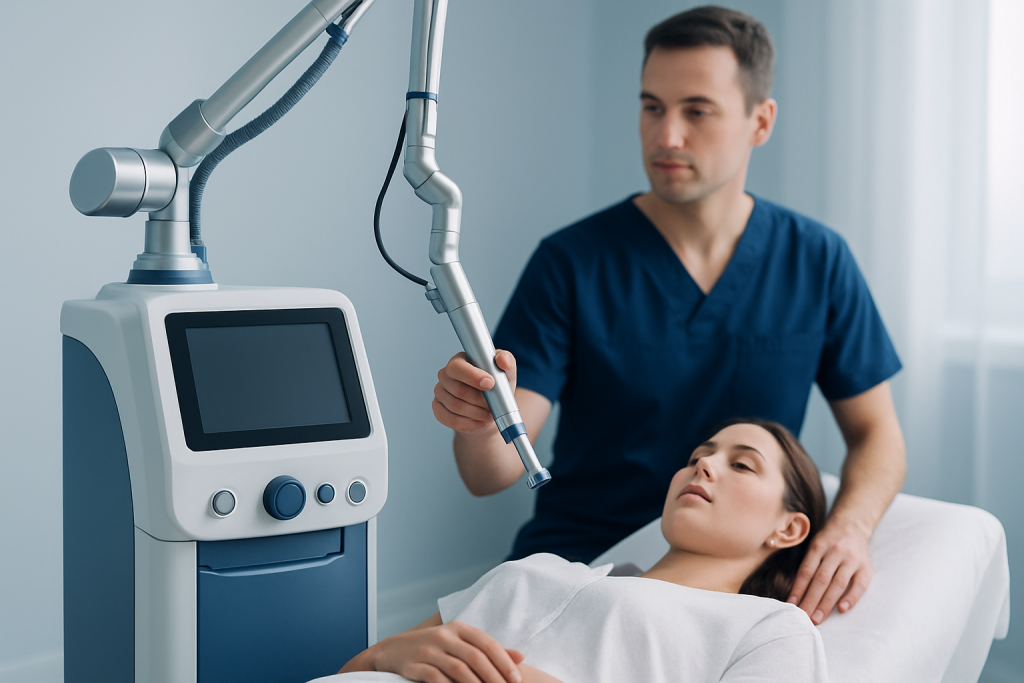
During the session, the skin is cleansed and protective measures are used for the eyes. Depending on the area and intensity, a topical numbing cream, local anesthetic, or another comfort strategy may be offered. The treatment itself may feel warm, prickly, or mildly stinging, but the experience is usually brief and closely monitored.
The procedure can sometimes be combined with other dermatologic treatments, but combinations should be individualized. For example, a clinician may recommend staging a laser session separately from a filler, peel, or surgical procedure rather than doing everything at once. The aim is not simply to do more, but to sequence care in a way that supports healing and a natural-looking result.
Because CO2 laser is a medical procedure, it should be performed by an appropriately trained specialist with experience in skin type assessment, laser settings, and complication prevention. This is especially important for patients whose skin may pigment easily or who are traveling and need a clear post-procedure plan before departure.
Recovery and Self-care
Recovery after Co2 laserhoito depends on how deeply the skin was treated. Mild treatments may lead to a few days of redness and flaking, while more intensive resurfacing can involve swelling, crusting, and a longer period of sensitivity. The skin often feels sunburned at first, then gradually starts to settle as the surface renews.
Aftercare usually focuses on protection and simplicity. Gentle cleansing, regular moisturizing with the products recommended by the treating team, and strict sun avoidance are often emphasized. Picking at flakes or crusts should be avoided because it can slow healing and increase the chance of discoloration or scarring.
Helpful self-care steps often include:
- Using broad-spectrum sunscreen once the skin has healed enough for it
- Wearing a hat or other physical sun protection outdoors
- Avoiding harsh exfoliants, retinoids, and strong acids until cleared by the clinician
- Keeping the skin clean and following wound-care instructions carefully
- Staying hydrated and allowing time for rest, especially after more intensive treatment
For patients who return to another country after treatment, written aftercare instructions are particularly useful. It is wise to know in advance what is normal, which symptoms require contact with the clinic, and how follow-up will be handled if questions come up after travel.
Possible Risks and Side Effects
Like any medical procedure, CO2 laser treatment has potential risks. Most side effects are temporary and expected, such as redness, swelling, tenderness, and peeling. The skin may also look pink for a period of time after the surface has healed, especially after deeper resurfacing.
Less common but important concerns include infection, prolonged pigment change, delayed healing, scarring, or an acne flare in some patients. These risks are influenced by treatment depth, skin type, aftercare quality, and whether the skin was appropriately prepared before the procedure. Choosing an experienced specialist is one of the most effective ways to reduce avoidable problems.
People with darker skin tones may need especially careful planning because the risk of post-inflammatory hyperpigmentation can be higher. That does not mean treatment is impossible, but it does mean the settings, recovery plan, and expectations should be selected with added caution. A thoughtful consultation helps the patient understand what is realistic and what needs to be monitored closely.
When to See a Doctor
A dermatologist or plastic surgeon should evaluate any skin concern before CO2 laserhoito is considered. This is especially important if the lesion is changing, bleeding, painful, or uncertain in appearance, because not every surface change is suitable for cosmetic laser treatment.
Medical review is also important if healing does not seem typical after the procedure. Persistent swelling, increasing pain, pus, fever, significant crusting that worsens rather than improves, or rapidly increasing redness should prompt contact with the treating clinic. Early advice can prevent small issues from becoming larger ones.
People who are planning treatment from abroad should arrange this consultation early enough to allow time for preparation and recovery. At Acibadem Health Point, multidisciplinary specialists and JCI-accredited hospitals diagnose and treat this condition for international patients, with care planning that takes travel and follow-up into account.
In general, the safest path is to treat CO2 laserhoito as a medical decision rather than a cosmetic impulse. A clear diagnosis, appropriate candidacy, and a realistic recovery plan are the foundation of a good result.
Frequently asked questions
01What is Co2 laserhoito used for?
Co2 laserhoito is used to resurface the skin and improve selected concerns such as acne scars, fine lines, uneven texture, and some benign surface lesions. The exact use depends on the diagnosis and the depth of treatment recommended by the specialist.
02How long does recovery take after CO2 laser treatment?
Recovery time varies with treatment intensity. Mild procedures may settle in a few days, while deeper resurfacing can take longer and may leave redness or sensitivity for several weeks.
03Is CO2 laser treatment painful?
Most people describe it as uncomfortable rather than severely painful, and numbing methods are commonly used to improve comfort. The exact sensation depends on the area treated and how intensive the procedure is.
04Can CO2 laserhoito be done on all skin types?
It can be performed on many skin types, but the settings and preparation need to be adjusted carefully. People with darker skin tones may need extra planning because pigment changes can be more likely.
05Will I need more than one session?
Sometimes, yes. A single treatment may be enough for some concerns, but scars, deeper texture changes, or larger areas may respond better to a planned series of sessions.
06What should be avoided after the procedure?
Harsh products, scrubbing, direct sun exposure, and picking at the healing skin should be avoided. The treating clinician will usually give a simple aftercare plan tailored to the depth of the laser treatment.
This article is for general information only and is not a substitute for professional medical advice. Please consult a qualified doctor about your individual situation.
Explore treatments in Turkey — costs, top hospitals & a free quote
JCI-accredited · board-certified surgeons · reply within 24h
Add us as a Preferred Source to see more of our trusted health content across Google Search, AI Overviews and Discover.



How can we help you today?
Meet an Acibadem specialist by secure video, before you travel.
Book a video visit