Cancerous Jaw Tumor: Signs, Testing, and Treatment
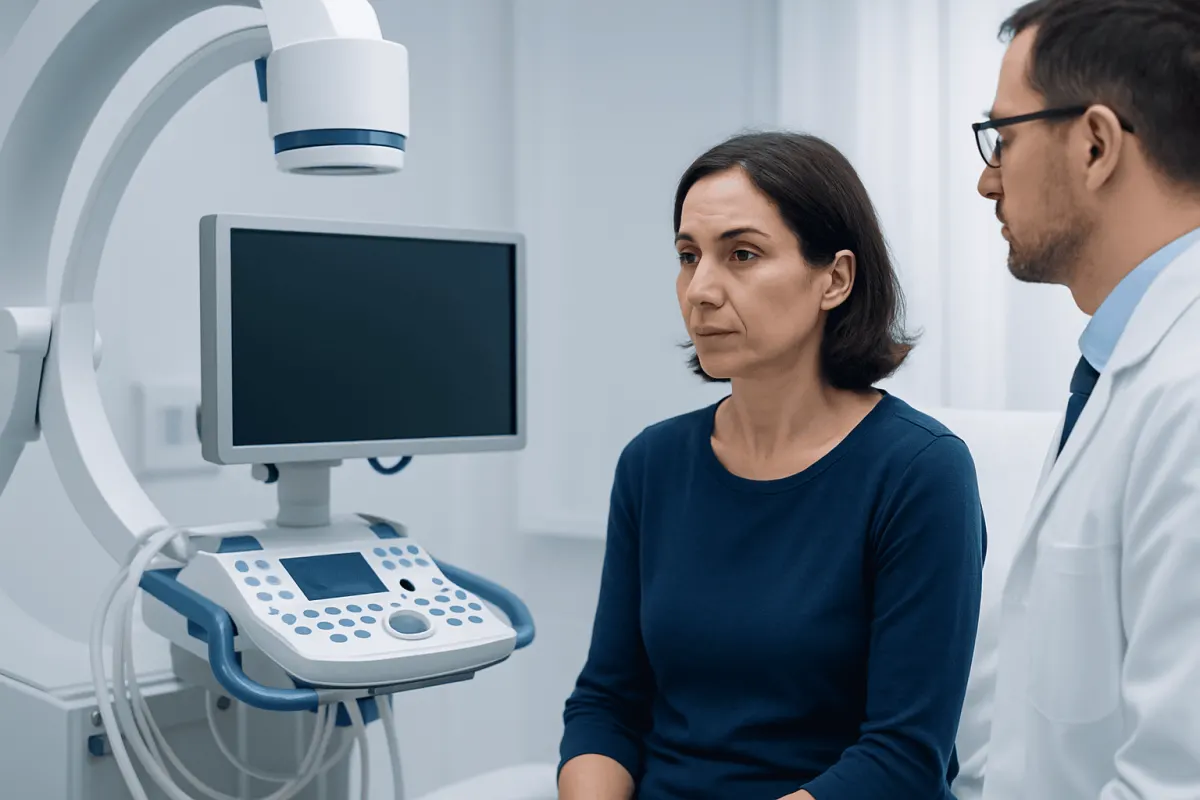
A cancerous jaw tumor is an uncommon malignancy that may start in jawbone tissue or spread to the jaw from nearby oral cancers. Early assessment of persistent jaw, mouth, tooth, or facial changes helps doctors confirm the cause and plan treatment that protects health and function whenever possible.
Overview: What Is a Cancerous Jaw Tumor?
A cancerous jaw tumor is a malignant growth affecting the upper jaw (maxilla), lower jaw (mandible), or tissues closely connected to the jaw. It can begin in bone, tooth-forming tissues, gums, or other structures in the mouth. More commonly, cancer that begins in the mouth, tongue, floor of the mouth, gums, or nearby areas may grow into the jawbone.
Not every jaw lump, area of swelling, or abnormal finding on a dental X-ray is cancer. Infections, cysts, benign tumors, dental disease, and inflammatory conditions can cause similar symptoms. Because appearances can overlap, clinicians usually rely on an examination, imaging, and a biopsy to identify the condition accurately.
The term may also describe cancer that has spread to the jaw from another part of the body, known as metastatic cancer. The treatment plan depends on where the cancer started, the microscopic tumor type, whether lymph nodes or distant organs are involved, and the person’s overall health.
What Are the Primary Symptoms of Jaw Cancer?
Symptoms of jaw cancer vary according to the tumor’s location and size. Some changes develop gradually and may initially be mistaken for a tooth problem, gum disease, sinus symptoms, or a poorly fitting denture. A symptom does not by itself mean cancer, but persistent or unexplained changes should be assessed.
Possible symptoms include:
- A persistent swelling, lump, thickened area, or deformity of the jaw, gum, cheek, or palate
- Jaw pain that does not settle, or pain that seems unrelated to a specific tooth
- Loose teeth without a clear dental explanation, delayed healing after a tooth extraction, or a change in how the teeth fit together
- Numbness, tingling, or altered sensation in the lower lip, chin, face, or mouth
- A mouth ulcer, red patch, white patch, bleeding area, or sore that does not heal
- Difficulty chewing, swallowing, speaking, or opening the mouth fully
- Facial swelling, nasal blockage, or persistent sinus-related symptoms when the upper jaw is affected
- A lump in the neck, unexplained weight loss, or ongoing fatigue in more advanced disease
Dental infections can also cause pain and swelling and may need urgent care. However, symptoms that last longer than two weeks, return repeatedly, or worsen despite appropriate dental treatment should be reviewed by a dentist, oral and maxillofacial surgeon, or head and neck specialist.
Causes and Risk Factors

There is not one single cause of every cancerous jaw tumor. Cancers that begin in the mouth and extend into the jaw are often squamous cell carcinomas, which arise from the lining of the mouth. Less commonly, tumors arise from jawbone, salivary tissues, connective tissue, or odontogenic tissues involved in tooth development.
Tobacco smoking and smokeless tobacco are major risk factors for oral cancers. Regular heavy alcohol use also raises risk, particularly when combined with tobacco. Human papillomavirus (HPV) is linked to some cancers of the throat and back of the mouth, although its role differs depending on the precise tumor site. Long-term sun exposure can contribute to lip cancer, while prior Cancer Radiation Treatment: Options and Outlook" class="ahp-ilk">radiation treatment and certain inherited conditions may be relevant for a small number of people.
Good oral health is important, but poor oral hygiene alone does not explain most oral cancers. Anyone can develop a mouth or jaw cancer, including people without recognized risk factors. A clinician can review individual risks and advise on appropriate prevention and screening based on a person’s medical and dental history.
How Doctors Diagnose a Cancerous Jaw Tumor
Diagnosis starts with a careful review of symptoms, medical history, tobacco and alcohol exposure, and prior dental treatment. The clinician examines the mouth, gums, tongue, jaw, face, and neck. They may also check jaw movement, teeth, sensation, and lymph nodes in the neck.
Dental X-rays may identify changes in the jawbone, but further imaging is often needed. CT scans show bone detail and the local extent of a tumor, while MRI scans can better define soft tissues, nerves, and marrow involvement. PET-CT may be used to help assess lymph nodes or look for cancer elsewhere in the body when clinically appropriate.
A biopsy is the only way to confirm whether a suspicious lesion is cancerous and determine its exact type. A specialist removes or samples tissue for laboratory examination. If cancer is diagnosed, the multidisciplinary team stages it by assessing the primary tumor, nearby lymph nodes, and possible spread. This information guides treatment planning and discussions about outlook.
Modern Treatment Approaches for Jaw Cancer
Treatment is individualized. Specialists consider the tumor type, size, location, involvement of bone or nerves, stage, expected impact on speech and swallowing, and the person’s preferences and general health. Care is often planned by a multidisciplinary team that may include oral and maxillofacial surgeons, head and neck surgeons, medical oncologists, radiation oncologists, radiologists, pathologists, dentists, speech and swallowing therapists, dietitians, and reconstructive specialists.
Surgery is frequently the main treatment for cancer involving the jaw. The goal is to remove the tumor with a margin of healthy tissue where possible. Surgery may involve removing part of the jaw, nearby soft tissue, or affected lymph nodes. Reconstructive surgery can use bone or tissue from another area of the body, implants, or customized approaches to help restore facial contour, chewing, speech, and swallowing. Oral cancer treatment may include surgery and coordinated rehabilitation depending on the tumor site and stage.
Radiation therapy may be used after surgery to reduce the chance of cancer returning, as the main treatment when surgery is not suitable, or alongside drug treatment for selected tumors. Chemotherapy may be combined with radiation in some cases, while targeted therapy or immunotherapy can be options for certain recurrent, advanced, or metastatic head and neck cancers. Dental assessment before radiation and ongoing oral care are important because treatment can affect teeth, saliva production, jawbone health, and healing.
Supportive care is a core part of treatment. It may include pain management, nutritional support, dental rehabilitation, speech and swallowing therapy, and emotional support. Follow-up visits help monitor recovery, manage longer-term effects, and detect recurrence or new oral changes early.
Outlook and Recovery After Treatment
The outlook for a cancerous jaw tumor cannot be predicted from symptoms alone. It depends on the cancer’s origin and type, stage at diagnosis, whether it has spread to lymph nodes or other organs, the ability to remove or control it, response to treatment, and overall health. Earlier-stage cancers are generally more likely to be treated successfully than cancers diagnosed after extensive local growth or spread.
Recovery may involve healing from surgery, adapting to changes in chewing or speech, dental reconstruction, and rehabilitation. Some people need temporary or long-term support with nutrition, swallowing, jaw movement, or communication. A coordinated rehabilitation plan can help people regain function and confidence at a pace that is appropriate for their needs.
Regular follow-up is important after treatment, especially during the first years. New pain, a non-healing mouth sore, neck swelling, unexplained numbness, or changes in swallowing should be reported promptly rather than waiting for the next scheduled appointment. Avoiding tobacco and limiting alcohol can support overall health and reduce the risk of additional oral cancers.
When to Seek Medical Care
A person should arrange a dental or medical appointment if they have a mouth ulcer, jaw swelling, red or white patch, unexplained tooth loosening, numbness, or pain that lasts longer than two weeks. It is particularly important to seek assessment when symptoms persist after treatment for a presumed dental infection or after a tooth extraction.
More urgent assessment is appropriate for rapidly increasing facial or neck swelling, difficulty breathing or swallowing, significant bleeding, inability to open the mouth, severe pain, or signs of infection such as fever and worsening swelling. These symptoms may have causes other than cancer, but they should not be ignored.
Acıbadem Health Point’s multidisciplinary specialists and JCI-accredited hospitals diagnose and treat head and neck cancers for international patients, with treatment planning that may include surgery, oncology care, reconstruction, and rehabilitation.
Frequently asked questions
01Can you have mouth cancer for years without knowing?
Some mouth cancers can cause subtle or painless changes at first, so a person may not recognize them immediately. However, cancers do not typically remain unchanged for years; they often gradually produce signs such as a persistent ulcer, patch, lump, unexplained tooth change, numbness, or difficulty swallowing. Regular dental examinations and prompt review of mouth changes lasting more than two weeks can help identify concerns earlier.
02Does jaw cancer spread quickly?
The speed of growth and spread varies greatly by the type of cancer, its location, and its biology. Some tumors progress slowly, while others can invade nearby tissues or spread to lymph nodes more quickly. Imaging and biopsy results are needed to understand the individual situation and guide timely treatment.
03What are the primary symptoms of jaw cancer?
Common warning signs include persistent jaw swelling or pain, a mouth sore that does not heal, loose teeth without a clear cause, numbness of the lip or chin, a change in bite, and difficulty chewing or opening the mouth. Neck lumps, unexplained bleeding, and weight loss can occur in more advanced disease. These symptoms have many possible causes, but persistent changes should be examined.
04Can you fully recover from oral cancer?
Many people can be successfully treated for oral cancer, particularly when it is found at an earlier stage and can be completely treated. Recovery may include rehabilitation for speech, swallowing, nutrition, dental health, and appearance after surgery or radiation. Continued follow-up remains important because recurrence and new cancers can occur.
05Is a jaw tumor always cancerous?
No. Many jaw tumors and jaw lesions are benign, including cysts and noncancerous growths related to teeth or bone. Even benign lesions may need monitoring or treatment if they grow, weaken the jaw, affect teeth, or cause symptoms. A biopsy may be needed to establish the diagnosis.
06Can a dentist detect jaw cancer?
A dentist may be the first professional to notice an abnormal mouth lesion, swelling, tooth change, or unusual finding on an X-ray. If cancer is suspected, the dentist can arrange referral to an oral and maxillofacial surgeon or head and neck specialist for imaging and biopsy. A definitive diagnosis requires examination of tissue by a pathologist.
This article is for general information only and is not a substitute for professional medical advice. Please consult a qualified doctor about your individual situation.
Oncology care in Turkey — second opinion and treatment plan
JCI-accredited · board-certified surgeons · reply within 24h
Add us as a Preferred Source to see more of our trusted health content across Google Search, AI Overviews and Discover.