Can Your Stomach Shrink? Causes, Explanations, and Next Steps
Can your stomach shrink? In most cases, the stomach does not permanently shrink from eating smaller meals, but its stretching, emptying, and the brain’s perception of fullness can change over time. Feeling full sooner is often temporary and harmless, although persistent symptoms or unintentional weight loss deserve medical assessment.
Can Your Stomach Shrink?
For most people, the answer is not in the literal sense often suggested by diet claims. The stomach is a muscular, expandable organ. It relaxes and stretches when food enters, then gradually empties and returns toward its resting state. Eating smaller portions for a period may make large meals feel less comfortable, but it does not usually cause the stomach to become permanently much smaller.
What often changes is appetite, eating habits, and fullness signaling between the stomach, gut hormones, and brain. After regularly eating smaller meals, a person may notice that they feel satisfied sooner. This is commonly harmless, especially if it follows a deliberate change in meal pattern and there are no concerning symptoms.
However, a new or persistent feeling of getting full after only a few bites is called early satiety. It can have several explanations, ranging from temporary digestive upset to conditions that slow stomach emptying or affect the digestive tract. The symptom is worth discussing with a healthcare professional when it does not improve, interferes with nutrition, or occurs with other warning signs.
Why Fullness Can Change Without the Stomach Permanently Shrinking
The stomach has folds and a muscle wall that allow it to accommodate different meal volumes. When a person eats, the upper part of the stomach relaxes to hold food without a large immediate rise in pressure. Nerves and hormones then send signals that help regulate hunger, fullness, digestion, and the timing of the next meal.
Portion habits can influence these signals. Someone who previously ate very large meals may become accustomed to a sense of fullness only after a greater volume of food. With smaller, regular meals, the same person may recognize comfortable fullness earlier. This adjustment can support balanced eating, but it is not the same as a permanent anatomical reduction in stomach size.
Short-term factors also affect how full the stomach feels. Eating quickly, drinking carbonated beverages, constipation, anxiety, changes in sleep, and a temporary stomach infection may all contribute to bloating or early fullness. Rich or high-fat meals can remain in the stomach longer than lighter meals, so they may create a more prolonged sensation of heaviness.
When Early Fullness May Have a Medical Cause

Early satiety may occur with common digestive conditions such as indigestion, reflux, gastritis, or peptic ulcer disease. Inflammation or irritation of the stomach lining can cause discomfort, nausea, burning, and a reduced desire to eat. Some people with gastritis notice upper abdominal pain or nausea as well as fullness after small meals.
Another possible cause is delayed stomach emptying, also called gastroparesis. This means food moves from the stomach into the small intestine more slowly than expected. It can be associated with diabetes, certain neurological conditions, prior upper abdominal surgery, and some medications. Symptoms may include nausea, vomiting, bloating, upper abdominal discomfort, and feeling full long after eating.
Food intolerance, constipation, anxiety, depression, pregnancy, and medication side effects can also change appetite or fullness. Medicines that may contribute include some pain medicines, medications that affect gut movement, and certain treatments used for diabetes or weight management. A person should not stop prescribed medicine without medical advice; instead, they should ask the prescribing clinician whether the medication may be contributing.
Less commonly, persistent early satiety can be related to a blockage, significant inflammation, or another condition requiring timely assessment. The presence of a symptom does not establish a diagnosis, but changes that are persistent, progressive, or associated with weight loss should not be ignored.
What a Doctor May Check
A clinician will usually begin by asking when the fullness started, whether it is linked to particular foods, and whether there are symptoms such as pain, heartburn, nausea, vomiting, altered bowel habits, fever, or weight change. They may also ask about medical conditions, recent illness, stress, pregnancy, alcohol use, and all prescription, over-the-counter, and supplement products.
A physical examination may focus on the abdomen and signs of dehydration or nutritional concerns. Depending on the symptoms, blood tests can check for anemia, inflammation, infection, liver or kidney issues, blood sugar concerns, or nutritional deficiencies. Testing for Helicobacter pylori, a bacterium that can contribute to gastritis and ulcers, may also be appropriate.
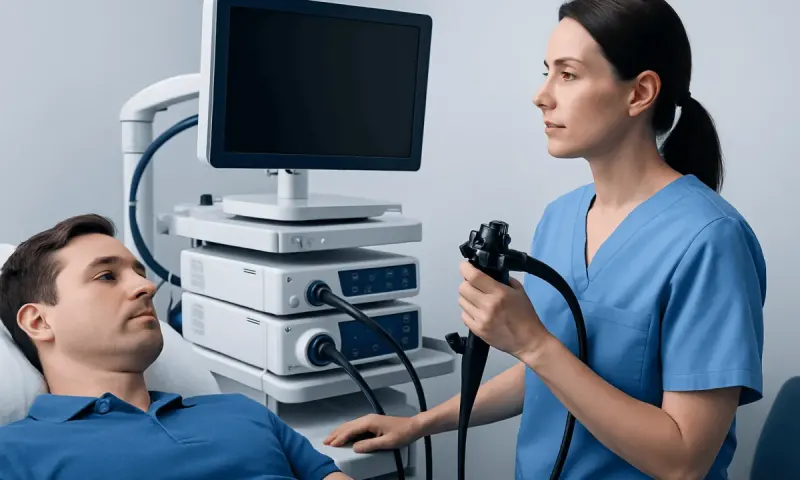
Further investigation is individualized. An upper endoscopy can allow a doctor to examine the esophagus, stomach, and first part of the small intestine directly and take small tissue samples when needed. Imaging studies may be used to assess abdominal organs or look for obstruction. If delayed emptying is suspected, a gastric emptying study may help evaluate how quickly food leaves the stomach.
These tests are not needed for every episode of fullness. In many cases, a clinician can recommend a safe initial approach based on the symptom pattern, while arranging further assessment if symptoms continue or red flags are present.
Practical Steps for Comfortable Eating
If a person feels full sooner after changing their eating routine and otherwise feels well, simple adjustments may help. Eating slowly, chewing thoroughly, and pausing between bites can make it easier to notice fullness without discomfort. Smaller meals spaced through the day may be more comfortable than one or two large meals.
It may help to limit carbonated drinks and large amounts of fluid during meals if bloating is a problem. Reducing very fatty, heavily processed, or unusually large meals can also lessen prolonged fullness for some people. Keeping a brief food-and-symptom diary can identify patterns, such as symptoms after particular meals or at times of stress.
Regular movement, adequate hydration, and attention to constipation can support digestive comfort. However, restrictive eating should be avoided if early fullness is unintentional or causing inadequate food intake. A dietitian or doctor can help someone maintain enough energy, protein, vitamins, and fluids if symptoms make normal meals difficult.
People considering a procedure for weight management should understand that surgical approaches can change stomach capacity and digestion in a planned, medically supervised way. Bariatric surgery is not a treatment for unexplained early fullness and requires careful evaluation, nutritional planning, and long-term follow-up.
When to Seek Medical Care
Medical review is advisable when early fullness lasts more than a few weeks, becomes more noticeable, recurs frequently, or makes it difficult to eat enough. It is also sensible to arrange an appointment when fullness occurs with ongoing upper abdominal pain, frequent nausea, heartburn that does not improve, bloating, constipation, or a significant change in bowel habits.
Prompt medical care is important for unintentional weight loss, repeated vomiting, vomiting blood or material that looks like coffee grounds, black or bloody stools, trouble swallowing, severe or worsening abdominal pain, persistent fever, fainting, or signs of dehydration. These symptoms do not necessarily mean a serious condition, but they require timely assessment.
Anyone with diabetes who develops persistent nausea, vomiting, or early fullness should speak with their clinician, as these can sometimes be features of delayed stomach emptying. People who are pregnant, older adults with new symptoms, or those with a personal or family history of digestive cancer should also seek individualized medical advice.
Acıbadem Health Point’s multidisciplinary specialists and JCI-accredited hospitals assess digestive symptoms and provide individualized care for international patients. A gastroenterology consultation can help clarify whether symptoms reflect a temporary eating-pattern change or a condition needing treatment.
The Bottom Line on Stomach Size and Appetite
It is understandable to wonder whether the stomach has shrunk when smaller portions suddenly feel satisfying. Usually, this reflects normal flexibility in appetite, meal habits, and fullness signaling rather than a lasting physical decrease in stomach size. A gradual change after intentionally reducing portion sizes is often reassuring.
Still, the body’s fullness signals are important. When feeling full quickly is new, persistent, painful, or accompanied by weight loss or vomiting, it should be treated as a symptom rather than assumed to be a successful “shrinking” of the stomach. Early evaluation can identify manageable causes and help protect nutrition and overall wellbeing.
A qualified healthcare professional can provide the most appropriate advice based on the person’s symptoms, medical history, and examination findings. Seeking help is especially important if eating has become difficult or if symptoms are affecting daily life.
Frequently asked questions
01Can eating less make your stomach shrink?
Eating less can make smaller portions feel more satisfying over time, partly because appetite and fullness cues adapt. However, it does not usually cause a major permanent reduction in the stomach’s physical size. The stomach remains a flexible organ that can expand with meals.
02Why do I feel full after only a few bites?
Feeling full after a small amount of food can happen temporarily with stress, indigestion, constipation, or changes in eating habits. If it persists, it may be called early satiety and can be associated with conditions affecting the stomach or its emptying. A doctor can help identify the cause, especially if other symptoms are present.
03Does fasting shrink the stomach?
Fasting may alter hunger patterns and make large meals feel uncomfortable afterward, but it does not usually permanently shrink the stomach. Extended fasting is not appropriate for everyone and may be unsafe for people with certain medical conditions. Medical guidance is recommended before making major changes to eating patterns.
04Can anxiety cause a small appetite or early fullness?
Yes. Anxiety and stress can affect the gut-brain connection, changing appetite, digestion, and the sensation of fullness. Persistent symptoms should still be discussed with a clinician, particularly if they lead to weight loss or difficulty eating.
05When is early satiety a warning sign?
Early satiety should be assessed when it lasts for several weeks, worsens, or prevents adequate eating. More urgent signs include unintentional weight loss, repeated vomiting, black stools, blood in vomit or stool, severe pain, dehydration, or trouble swallowing. These symptoms need prompt medical attention.
06How is delayed stomach emptying diagnosed?
A clinician first reviews symptoms, medical history, medicines, and examination findings. They may order blood tests, an endoscopy, imaging, or a gastric emptying study to measure how quickly food leaves the stomach. Testing is selected based on the individual’s symptoms and risk factors.
This article is for general information only and is not a substitute for professional medical advice. Please consult a qualified doctor about your individual situation.
Medical weight-loss options in Turkey — costs & eligibility
JCI-accredited · board-certified surgeons · reply within 24h
Add us as a Preferred Source to see more of our trusted health content across Google Search, AI Overviews and Discover.